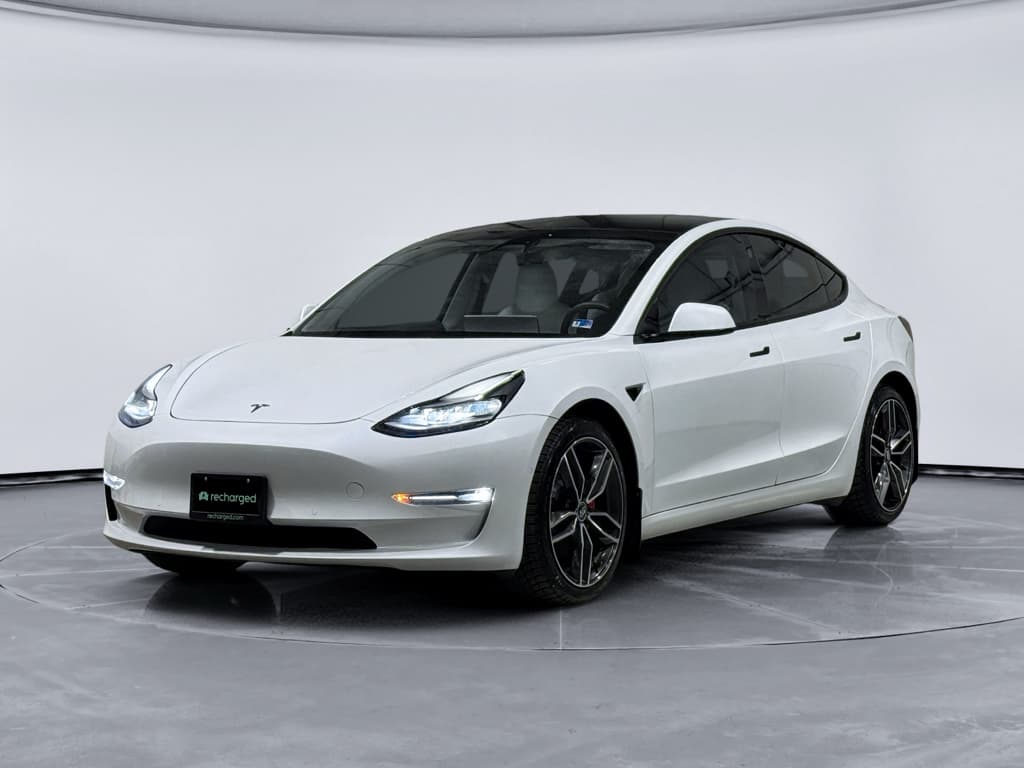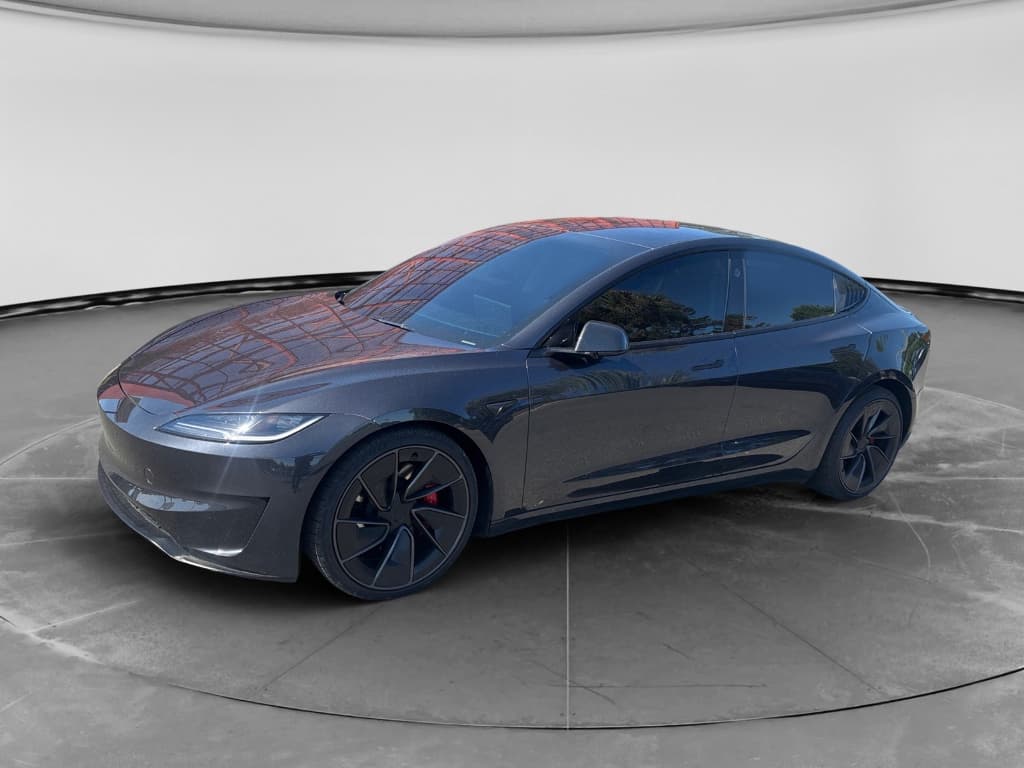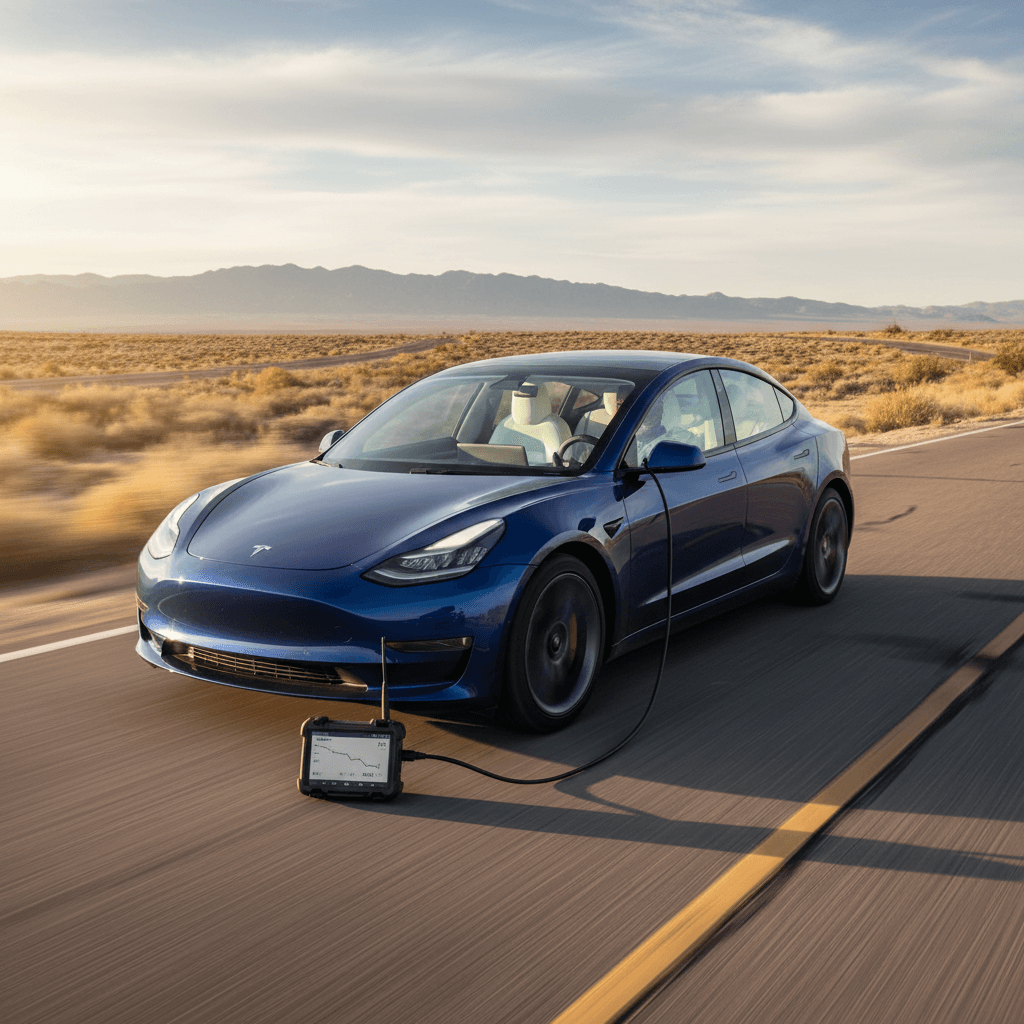
If you’re shopping for a used Tesla, the 2021 Tesla Model 3 range test results matter more than the brochure numbers. On paper, the 2021 Model 3 is one of the most efficient EVs ever sold. In the real world, though, range depends heavily on trim, weather, speed, and how the previous owner treated the battery. This guide pulls together independent test data and practical experience so you know what to expect on your daily commute and your next road trip.
Why focus on 2021?
2021 Model 3 range test at a glance
Key 2021 Tesla Model 3 range numbers
Those headline figures tell you the 2021 Model 3 can still go farther than most EVs in its class. But how it behaves on a 75‑mph freeway slog in February looks very different from a mild‑weather city commute. Let’s unpack where those numbers come from and what they mean for you.
EPA ratings vs real‑world: 2021 Model 3
2021 Tesla Model 3 EPA range ratings (approximate)
Official combined EPA range ratings for the major 2021 Model 3 variants sold in the U.S.
| Trim (2021 MY) | Drivetrain | Battery (usable) | EPA combined range | EPA highway rating |
|---|---|---|---|---|
| Standard Range Plus (RWD) | Single motor RWD | ~54 kWh | ~263 mi | ~234 mi |
| Long Range (AWD) | Dual motor AWD | ~76 kWh (82 kWh pack) | ~353 mi | ~333 mi |
| Performance (AWD) | Dual motor AWD | ~76 kWh (82 kWh pack) | ~315 mi | ~299 mi |
EPA ratings are lab‑derived and assume moderate speeds, mild temperatures, and conservative driving.
Independent testing helps translate those lab numbers into something closer to daily experience. In Edmunds’ real‑world loop, for example, a 2021 Model 3 Long Range traveled about 345 miles before hitting zero indicated miles, roughly 2–3% short of its 353‑mile EPA rating, but still farther than any other EV they’d tested at the time. That’s an unusually small gap between EPA and reality.
Don’t benchmark off 0%
How to think about “real‑world range”
EPA range: a lab‑optimized ceiling
The EPA test cycles are useful for comparison, but they assume:
- Moderate weather (no deep winter or blazing summer)
- Gentle acceleration and limited high‑speed driving
- No roof racks, bikes, or cargo boxes
- New tires at ideal pressures
Think of EPA range as a best‑case scenario for a new car, not a promise.
Real‑world range: a moving target
In the real world, range flexes constantly with:
- Ambient temperature and climate control use
- Average speed and how often you hit 70–80 mph
- Elevation changes and headwinds
- Vehicle load, roof accessories, and wheel choice
- Battery age and charging habits
Your usable range on a given day is whatever you can comfortably access between the state‑of‑charge you start at and the minimum you’re willing to see before plugging in.
A practical baseline
City vs highway range results
One of the biggest surprises for new EV drivers is that EVs are usually more efficient in the city than on the highway. The 2021 Model 3 is no exception. Regenerative braking recovers energy in stop‑and‑go traffic, while steady 75‑mph cruising pushes a lot of air and eats into range.
Approximate 2021 Model 3 real‑world range by scenario (Long Range)
Assumes a healthy battery and starting from 100% down to about 10% remaining.
Urban / Suburban mix
Speeds: 25–50 mph, frequent stops
- Range: ~290–320 mi
- Best‑case scenario for efficiency
- Heavier regen = more recovered energy
65 mph highway
Speeds: steady 60–70 mph
- Range: ~270–300 mi
- Close to EPA highway numbers
- Good balance of speed and efficiency
75–80 mph freeway
Speeds: sustained 75+ mph
- Range: ~230–270 mi
- Aerodynamic drag rises quickly
- Plan for more frequent fast‑charge stops
A simple rule of thumb
Weather and winter range impact
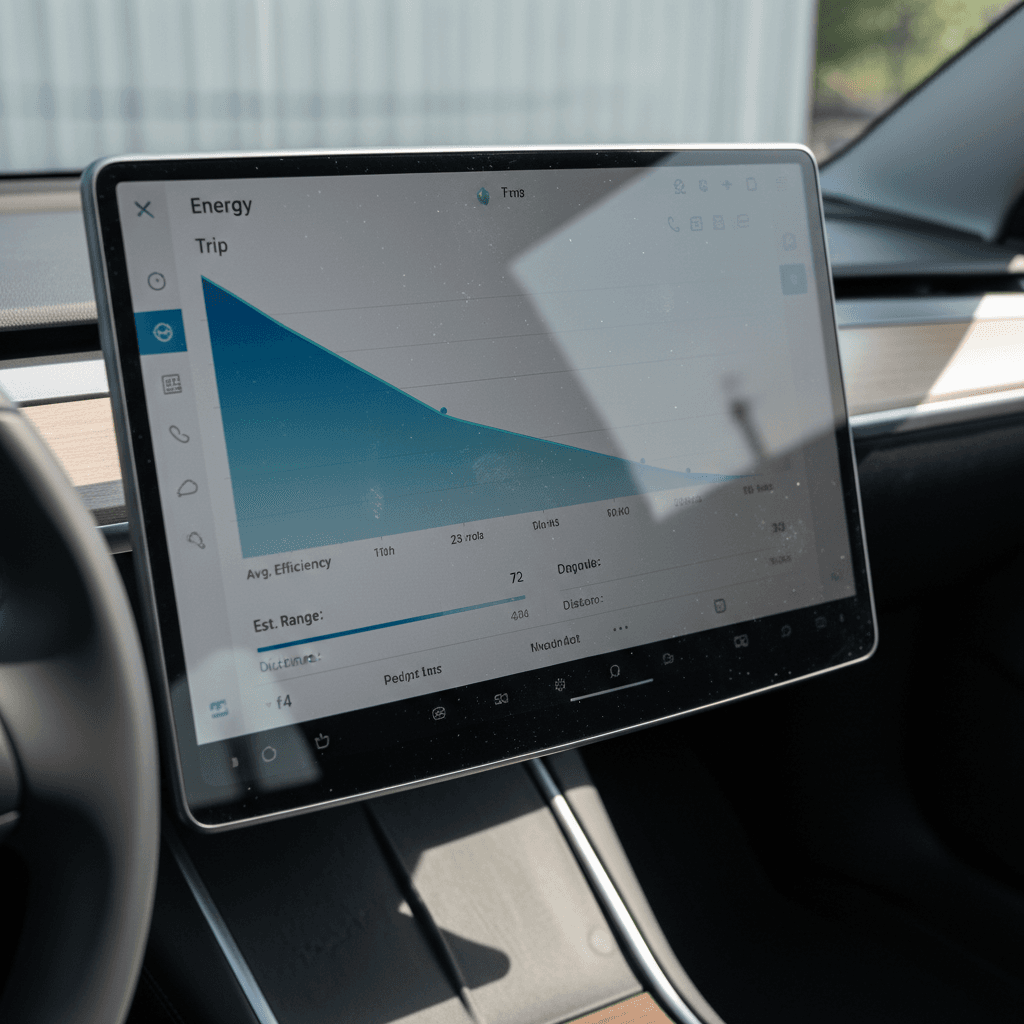
Temperature is the wildcard that turns confident EPA numbers into real‑world anxiety. Cold batteries are less efficient, and heating the cabin in an all‑electric car is energy‑intensive. That’s why many owners see their worst numbers in January, not July.
- In mild 60–75°F weather, a 2021 Model 3 Long Range can often stay within 0–10% of its EPA rating with relaxed driving.
- In cool 40–55°F conditions, expect roughly 10–20% less effective range, especially on shorter trips where the pack never fully warms up.
- In true winter (freezing temps, snow tires, wet roads), 20–30% losses are common for highway driving, and more is possible on short hops with heavy cabin heating.
- Extreme heat mostly affects comfort and long‑term battery health; range hits are smaller than in deep cold but still noticeable if you blast the A/C.
The short‑trip winter penalty
Battery sizes, trims, and what you can expect
Not every 2021 Model 3 is created equal. Trim level determines battery size, motor configuration, and in turn, your realistic range. Here’s a practical way to think about each variant in 2026, with a few years of real‑world use on the clock.
2021 Model 3 trims: realistic everyday range expectations (in 2026)
Assumes healthy battery, typical 5–10% degradation, mixed driving, and using 90% of the battery (100% down to ~10%).
Standard Range Plus (RWD)
- Usable battery: ~50 kWh
- EPA new: ~263 mi
- Realistic now: ~200–220 mi
- Best for commuters under ~70–80 mi/day
Long Range (AWD)
- Usable battery: ~76 kWh
- EPA new: ~353 mi
- Realistic now: ~260–300 mi
- Sweet spot for road‑trippers and all‑weather drivers
Performance (AWD)
- Usable battery: ~76 kWh
- EPA new: ~315 mi
- Realistic now: ~240–280 mi
- Wider wheels/tires shave some efficiency
Why battery health matters more than trim on a used car
Ready to find your next EV?
Browse VehiclesRoad‑trip planning in a 2021 Model 3
The question most shoppers really care about isn’t “What’s the maximum I can squeeze out of the pack?” It’s “How often do I have to stop on a road trip, and for how long?” On that score, the 2021 Model 3, especially the Long Range trim, remains one of the best road‑trip EVs you can buy used.
Typical Supercharger rhythm
- On a Long Range Model 3 at 75 mph, most drivers settle into 150–190 mile legs between Superchargers.
- They’ll usually arrive with 10–20% remaining and charge back up to 60–80%.
- That keeps you in the quickest part of the charging curve instead of wasting time topping off to 95–100%.
On a long day, that can translate to 2–4 charging stops depending on distance and terrain.
Time spent charging
- On a healthy 2021 Long Range, a 10–60% fast charge at a V3 Supercharger can take ~20–25 minutes under ideal conditions.
- 60–80% might add another 10–15 minutes.
- In cold weather or at busy sites, expect slower speeds and slightly longer stops.
Plan your stops around meals and breaks and the charging time fades into the background.
Use Tesla’s trip planner, then sanity‑check it
Used 2021 Model 3: what range to expect today
By 2026, any 2021 Model 3 you’re considering is a 4–5‑year‑old car. Lithium‑ion packs do lose some capacity over time, but Teslas tend to degrade gradually if they’ve been charged sensibly and not abused with constant 0–100% fast charging.
Typical 2021 Model 3 degradation patterns
Actual results vary widely with climate and charging behavior, but these ballparks match what many owners and fleet operators see.
Early years (0–5 years)
- Often a quick drop of 3–5% in the first year as the pack “settles.”
- By year 4–5, many cars show ~5–10% total loss vs new.
- Range graphs tend to flatten out after the initial dip.
Long‑term expectations
- Tesla’s warranty generally covers the pack to 70% capacity over 8 years / 100k–120k miles (depending on trim).
- Real‑world data suggests many packs will stay well above that threshold when treated reasonably.
How Recharged measures real usable range
Checklist: simple ways to maximize your range
Quick wins for better 2021 Model 3 range
1. Set realistic charge limits
For daily driving, keep your charge limit around <strong>70–90%</strong> and avoid running regularly below 5–10%. For road trips, charging to 100% is fine occasionally if you start driving soon after.
2. Precondition while plugged in
Use the Tesla app to preheat or precool the cabin while the car is connected to a charger. That way, the energy comes from the grid, not your battery, and the pack is in a better efficiency window when you start driving.
3. Moderate highway speeds
Dropping from 80 mph to 70 mph can save a surprising amount of energy over a long drive. If you’re tight on range to the next charger, speed is usually your biggest lever.
4. Use Seat & wheel heaters first
On cold days, rely on <strong>seat heaters and the heated steering wheel</strong> where possible. They use far less energy than blasting hot air, especially early in the drive.
5. Keep tires and alignment in check
Underinflated tires and poor alignment can quietly erode range. Check tire pressures monthly and any time you notice the car pulling or the steering feeling off.
6. Travel light and rethink roof racks
Cargo boxes, bike racks, and unnecessary roof accessories increase drag and weight. Remove them when you’re not using them if highway range matters to you.
Frequently asked questions about 2021 Model 3 range
2021 Tesla Model 3 range test FAQ
Bottom line: is the 2021 Model 3’s range still competitive?
If you zoom out from the lab numbers and focus on real‑world range tests, the 2021 Tesla Model 3 still sits near the top of the class. A Long Range car that started life with a 353‑mile EPA rating and has lost 5–10% capacity is still comfortably in the 260–300 mile usable range band for mixed driving, better than many new EVs being sold today. Even the Standard Range Plus offers enough real‑world range for most commuters, provided you’re honest about your highway usage and climate.
Where buyers get into trouble is assuming every 2021 Model 3 behaves like a fresh press‑fleet car. Battery health, prior charging habits, weather, and driving style can easily swing your effective range by 30–40%. That’s why a transparent health assessment is critical when you’re buying used. With Recharged, every Model 3 comes with a Recharged Score battery and range report, expert EV guidance, financing options, and nationwide delivery, so you know exactly what kind of real‑world range you’re paying for before you click “buy.”