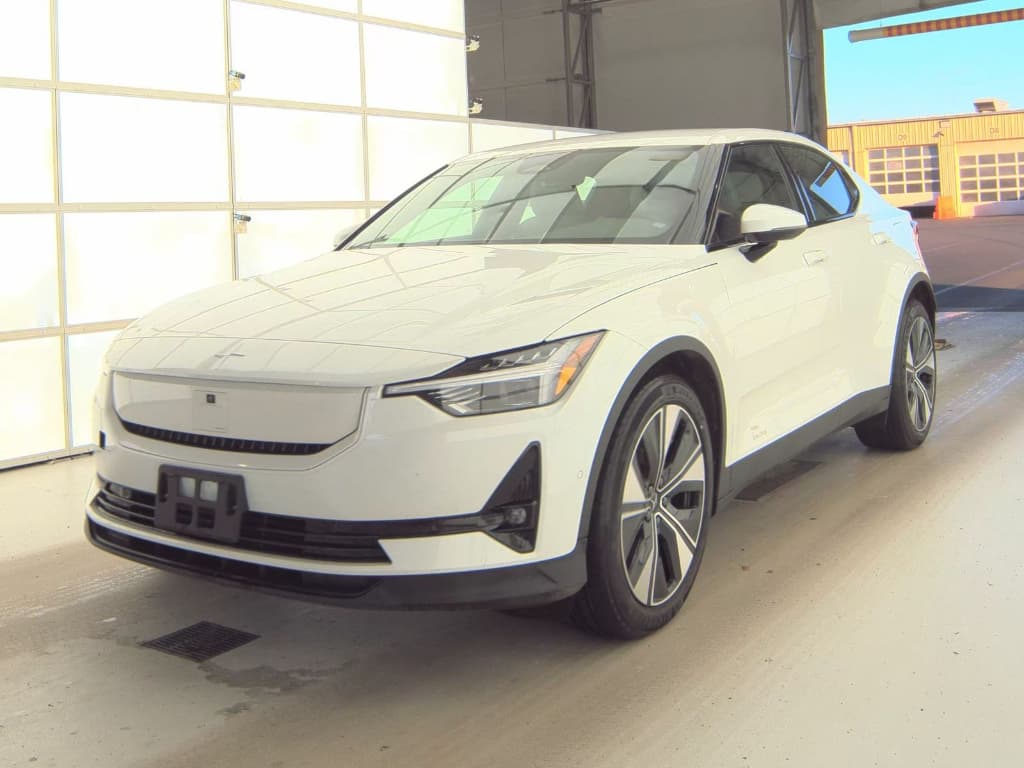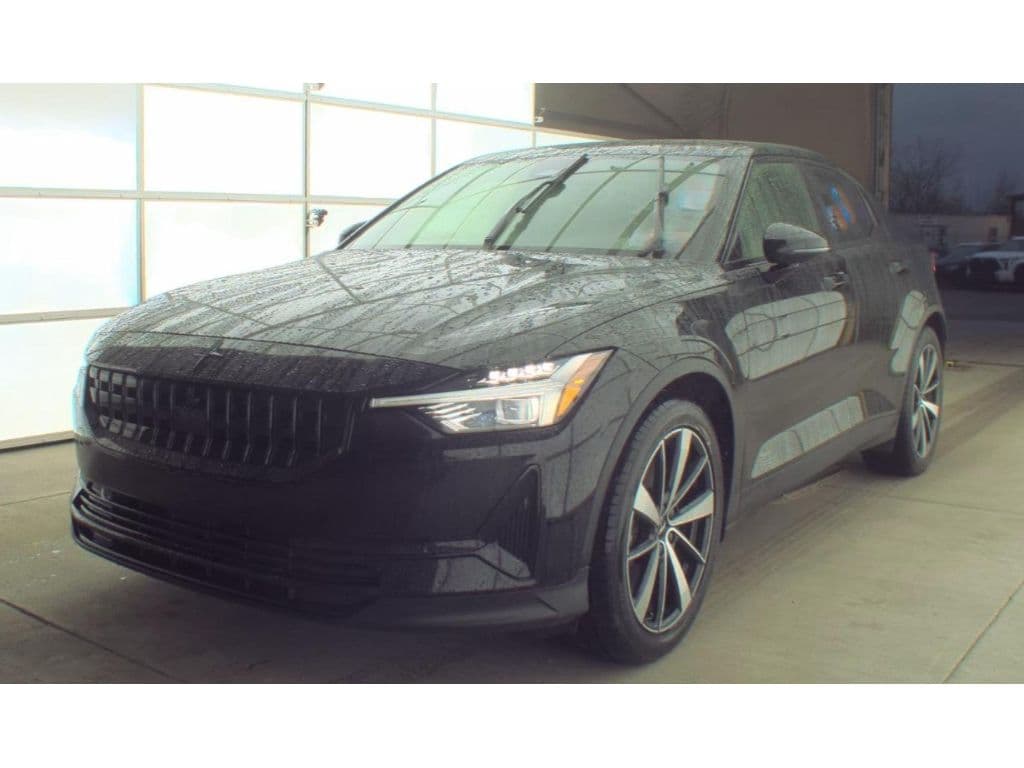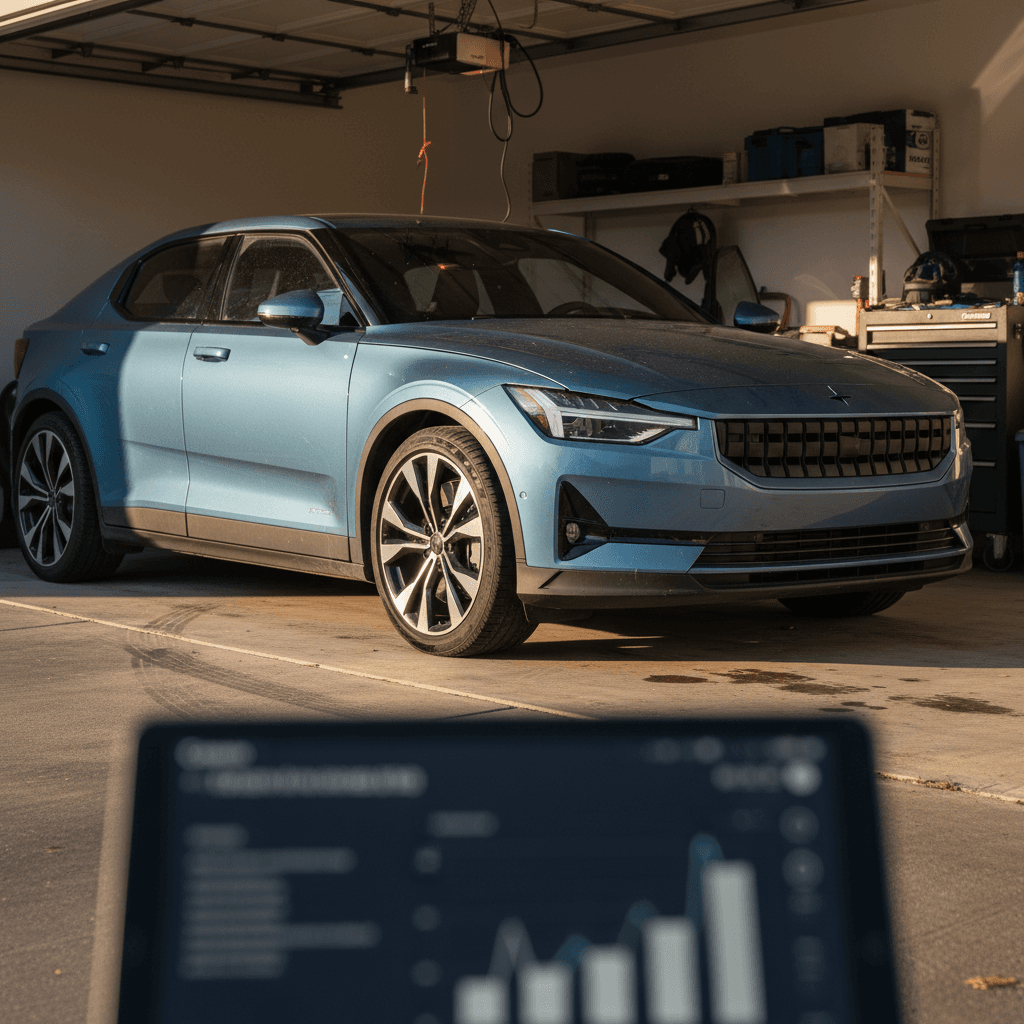
If you’re eyeing a used 2021 Polestar 2, you’re probably seeing an attractive price, a gorgeous Scandinavian cabin, and then wondering: “What’s the real 2021 Polestar Polestar 2 reliability rating?” The answer is nuanced. Early cars had some teething troubles, mostly electronic and software‑related, yet battery and motor failures remain relatively rare. Let’s unpack the data, owner stories, and recall history so you know exactly what you’re getting into.
Quick takeaway
Overview: 2021 Polestar 2 reliability rating in one glance
2021 Polestar 2 reliability snapshot
Put simply, the 2021 Polestar 2 is not an unreliable disaster, but it also isn’t a set‑and‑forget Toyota. Owners praise its solid build, seats, and driving manners, while grumbling about infotainment freezes, error messages, and the occasional suspension or trim rattle. Think of it as a first‑generation tech product wrapped around a stout EV platform: great when it’s behaving, occasionally exasperating when the software acts up.
What the rating doesn’t tell you
How major surveys rate the 2021 Polestar 2
Consumer-style reliability scores
Major U.S. consumer publications place the Polestar 2 toward the bottom half of the EV class, with a predicted reliability of roughly 2 out of 5 for early model years like 2021. That rating is dragged down by electrical and infotainment complaints more than mechanical breakdowns.
These scores are based on owner surveys, so a glitchy touchscreen counts right alongside a failed drive unit, even though the cost and severity are wildly different.
Owner surveys and forums
Broader owner surveys, especially from the UK and Europe where Polestar adoption is higher, paint a slightly kinder picture. The Polestar 2 has earned an upper‑mid‑pack reliability score around the high‑80s percent range in recent surveys, again with most issues tied to software.
On owner forums you’ll see two very different camps: drivers who have gone tens of thousands of miles with minimal issues, and a vocal minority wrestling with repeated infotainment or electrical gremlins.
How to read reliability ratings
Most common 2021 Polestar 2 problems
Top trouble spots on the 2021 Polestar 2
What shows up most often in owner reports and repair bulletins
Infotainment & Android Automotive
Glitches, lag, random reboots, frozen screens, and Bluetooth/connectivity hiccups are the single most common complaints. Many are improved, but not always cured, by over‑the‑air (OTA) software updates.
Warning lights & error messages
Some owners see intermittent propulsion system or drive system warnings that clear on their own or after a restart. In many cases, technicians trace these to software rather than failed hardware.
Early software safety recalls
Early 2021 builds were involved in software‑related recalls that could cause a loss of drive power or affect the rear‑view camera display. These are addressed via software updates, but you should always verify they’ve been completed.
12V battery / TCAM issues
The 12‑volt system and the telematics module (TCAM) can misbehave, especially after software updates, leading to low‑voltage warnings, remote‑app issues, or difficulty waking the car.
Suspension & noises
A subset of owners report clunks from the suspension, especially on Performance Pack cars, plus squeaks or rattles from the hatch or interior trim as mileage climbs.
HVAC quirks
Less common but worth noting: a few 2021 cars develop inconsistent heating or cooling, or noisy vents, usually sorted under warranty with updated parts or calibration.
You’ll notice what’s missing from that list: there is no widespread pattern of high‑voltage battery failure, and full drive‑unit replacements remain rare relative to the number of 2021s on the road. That’s good news if you’re shopping used, the most expensive bits have generally held up. The trade‑off is living with an EV that behaves more like an early‑generation smartphone than a stone‑axe‑reliable appliance.
Recalls affecting the 2021 Polestar 2
Like many first‑wave EVs, the 2021 Polestar 2 has been through several recalls, most of them software‑driven and fixable over the air or with a dealer update. When you check a specific car’s VIN on the NHTSA or Polestar recall site, you’ll likely see one or more of the following addressed:
Key recall campaigns for 2021 Polestar 2
Exact campaigns vary by region and build date, always confirm by VIN.
| Issue | Model years affected | Typical fix | Risk if not fixed |
|---|---|---|---|
| Power loss due to software defect | Primarily 2021–2022 | Software update to power electronics and control modules | Unexpected loss of propulsion while driving |
| Rear‑view camera display issues | 2021–2025 | Infotainment software update; on some cars, multiple revisions | Loss or distortion of rear camera image when reversing |
| Brake behavior in one‑pedal mode (rare case) | Small number of 2021–2025 cars | Software update to braking control logic | Reduced braking assist under specific downhill conditions |
| Misc. software stability updates | 2021–2022 | Bundled OTA or dealer software campaigns | Various drivability or warning‑light quirks |
Ask the seller for documentation showing these campaigns have been completed.
Non‑negotiable for buyers
Battery and drivetrain reliability
Under the skin, the 2021 Polestar 2 uses a robust battery and dual‑motor setup. Real‑world feedback so far suggests the high‑voltage components age well when the car is serviced on schedule and stays on current software.
- Most 2021 Polestar 2s use a long‑range, ~78 kWh pack; typical range loss after a few years is modest when charged reasonably (avoiding daily 100% fast charges).
- Drive‑unit failures and true propulsion‑system hardware faults are the exception, not the rule, though warning messages can make it feel otherwise.
- The 8‑year/100,000‑mile battery warranty offers a strong backstop against major pack or motor failures on U.S. cars.
- Owners pushing well past 100,000 km (about 62,000 miles) report more wear‑and‑tear items (suspension bushings, HVAC, hatch struts) than core battery issues.
Battery health checks with Recharged
Ready to find your next EV?
Browse VehiclesElectronics, software and infotainment
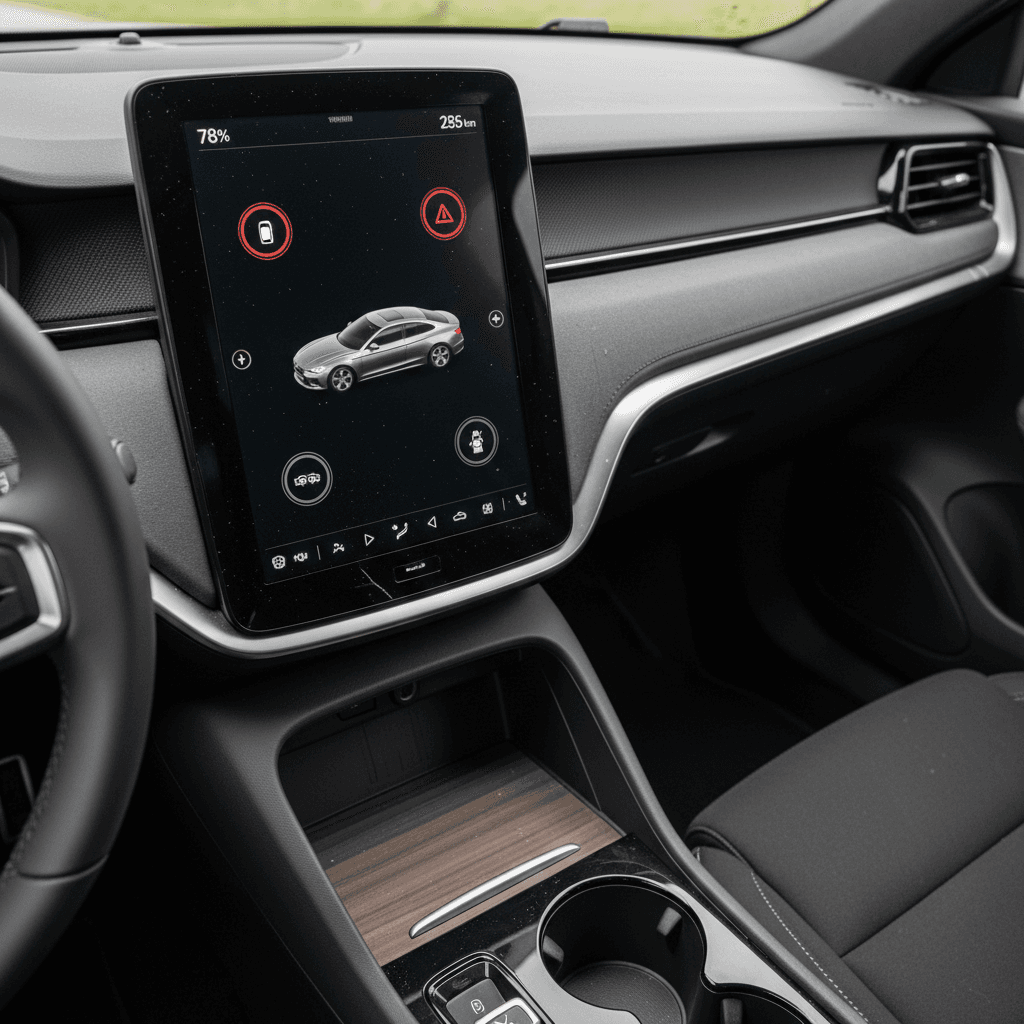
If there’s a weak link in the 2021 Polestar 2 reliability story, it’s the digital side of the car. The Android Automotive infotainment system is powerful and generally intuitive, but it can be temperamental, especially on early software builds.
Typical tech and infotainment issues owners report
Random screen freezes or reboots
The center display may lock up, go black, or reboot mid‑drive. Functionality usually returns within a minute or two, but it’s disconcerting and can interrupt navigation or climate controls.
Glitchy Bluetooth and app connectivity
Dropped phone connections, delayed media playback, or trouble with the Polestar app recognizing the car crop up, often after major software updates.
Persistent warning messages
Alerts related to driver‑assist systems, the propulsion system, or the 12V battery may appear intermittently even when no physical fault is found. Many clear after a reboot or software update.
Telematics (TCAM) hiccups
The telematics module that handles connectivity can misbehave, leading to remote‑locking issues, poor data connection, or failure to wake the car via the app.
Post‑update side effects
A significant percentage of owner complaints start immediately after a new software version is installed, everything from slower boot times to new error codes, often requiring a dealer visit to straighten out.
Test‑drive tip
Running costs and out‑of‑warranty risks
Day‑to‑day, the 2021 Polestar 2 is cheap to feed, electricity and tires aside, there are no oil changes and few traditional wear items. Where costs can spike is in complex electronic repairs once the basic warranty lapses. A failed control module, problematic infotainment unit, or tricky electrical gremlin can translate into four‑figure service invoices, especially if a dealer spends hours chasing an intermittent fault.
Typical ownership costs
- Routine service is relatively light compared with a gas performance sedan.
- Tires and brakes wear faster on dual‑motor performance models driven hard.
- OTA updates handle many fixes, but you may still be making the occasional dealer visit for software or recall work.
Why warranty coverage matters
- Electronics‑heavy cars like the Polestar 2 can be expensive to troubleshoot out of pocket.
- High‑voltage components are well covered for 8 years/100,000 miles, but infotainment and ECUs may not be.
- Certified or extended‑warranty coverage dramatically softens the financial risk of owning an early‑run 2021 car.
Caution with non‑CPO cars
How the 2021 Polestar 2 compares to rivals
2021 Polestar 2 vs key EV rivals on reliability
A high‑level comparison based on public survey data and owner reports.
| Model (2021 MY) | Overall reliability trend | Typical trouble spots | Battery/drivetrain record |
|---|---|---|---|
| Polestar 2 | Below‑average overall; improving with updates | Infotainment, electronics, warning lights | Generally strong so far |
| Tesla Model 3 | Average to slightly below average | Build quality, trim, some electronics | Good pack durability; some drive‑unit noise/issues |
| Hyundai Kona EV / Kia Niro EV | Above‑average overall | Occasional DC fast‑charging quirks, minor electronics | Solid track record, long battery warranty |
| Nissan Leaf (plus) | Above‑average for later cars | Limited DC charging speed, air‑cooled pack heat management | History of faster degradation on hot‑climate, older packs |
| VW ID.4 | Below‑average early on | Software, infotainment lag, occasional 12V issues | Core EV hardware mostly robust |
Ratings are generalized trends, not guarantees for any individual vehicle.
The 2021 Polestar 2 sits squarely in the “early‑adopter premium EV” camp, roughly on par with a Tesla Model 3 or VW ID.4 for reliability, but not as worry‑free as a Hyundai or Kia EV. If you can live with the occasional software quirk, you get a car that feels more expensive than today’s used prices suggest.
Inspection checklist for a used 2021 Polestar 2
Used 2021 Polestar 2 pre‑purchase checklist
1. Verify recall and software status
Use the VIN on Polestar’s and NHTSA’s recall sites to confirm all campaigns are complete. Ask the seller which software version the car is currently running and when it was last updated.
2. Scan for warning lights and messages
On start‑up and during your drive, watch for any persistent yellow or red warnings, particularly related to propulsion, stability control, airbags, or the rear‑view camera. Intermittent messages should still be investigated.
3. Stress‑test infotainment and connectivity
Pair your phone, run navigation, stream music, switch apps, and shut the car down and restart it several times. You’re looking for freezes, slow boots, or repeated crashes.
4. Check battery health and range
Compare the indicated range at a known state‑of‑charge to what you’d expect for a healthy pack. Whenever possible, ask for a third‑party battery report, Recharged includes this with every Polestar 2 we list.
5. Listen for suspension and body noises
Drive over rough pavement and speed bumps with the radio off. Clunks from the front end, creaks from the rear, or a rattly hatch may point to worn bushings or misadjusted trim.
6. Inspect tires and brakes
Uneven tire wear or grooved rotors can hint at alignment or driving‑style issues. Performance Pack cars are especially hard on tires; budget accordingly.
7. Review service history
A well‑documented record of software updates, recall work, and routine maintenance is a strong sign of a cared‑for Polestar 2. Gaps, especially in the first two years, are a red flag.
How Recharged can simplify this
Is a used 2021 Polestar 2 worth it?
Reasons to say yes
- Distinctive design and a genuinely premium cabin that still feels modern in 2026.
- Strong performance and sure‑footed all‑wheel‑drive in most 2021 U.S. cars.
- Battery and drive units with a solid early reliability record and long warranty coverage.
- Used‑market prices that undercut many comparable Teslas and German luxury EVs.
Reasons to think twice
- Documented history of software and infotainment glitches, better now, but not gone.
- Below‑average overall reliability scores from some consumer outlets.
- Potentially high repair costs for complex electronics once basic warranty coverage ends.
- Smaller dealer and service network compared with mainstream brands in many U.S. regions.
If you value character, design, and a polished driving experience, a well‑vetted 2021 Polestar 2 can be a deeply satisfying used EV. The key is to buy the right example: one with recall work complete, current software, clean battery‑health data, and as much remaining warranty coverage as you can get. Partnering with a specialist like Recharged, where every car is backed by a Recharged Score and EV‑savvy support, tilts the odds in your favor and lets you enjoy what this Scandinavian fastback does best: making every commute feel a little bit special.