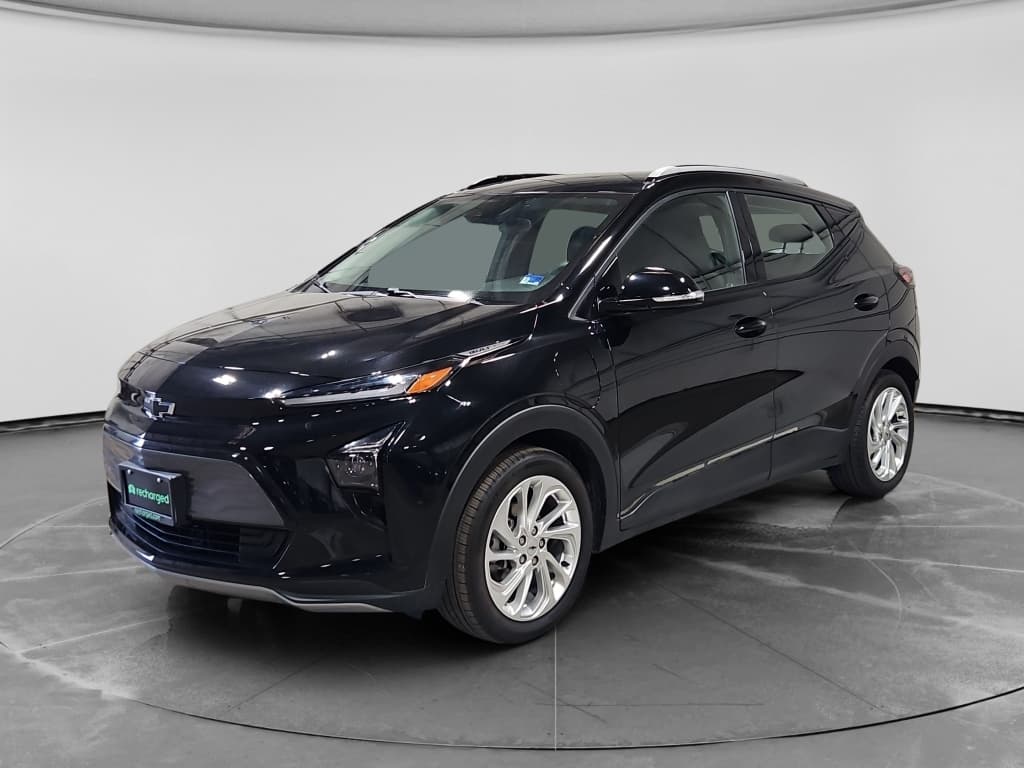
If you’re considering a Chevrolet Bolt EV, or already own one, insurance cost is a big part of your total cost of ownership. The short answer: Bolt EV insurance cost typically lands a bit above the U.S. average, but well below the priciest EVs on the market. With some smart choices, you can usually insure a Bolt for less than many crossovers and luxury gas cars.
Key takeaway
Chevrolet Bolt EV insurance cost in 2026: quick overview
Bolt EV insurance in context
No two drivers get the same quote, but looking across multiple data sources and owner reports, you can think of Bolt EV insurance in three broad bands:
- Budget band (~$1,200/year or less): Typically older drivers with clean records in lower‑cost states, modest coverage limits, and higher deductibles.
- Mainstream band (~$1,400–$1,800/year): Many Bolt EV owners with full coverage, average deductibles, and standard limits land here.
- High‑cost band ($2,000+/year): Younger drivers, dense urban areas, prior claims, very low deductibles, or bundled high‑risk factors.
Your rate can swing a lot
How Chevrolet Bolt EV insurance compares to the average car
To understand whether Chevrolet Bolt EV insurance is “expensive,” you have to compare it against what everyone else is paying. Recent national data puts average full‑coverage car insurance somewhere near the low‑to‑mid $2,000s per year in 2026, depending on the source and methodology. Many drivers, especially in higher‑cost states, see quotes north of $2,500.
Where the Bolt often lands
For a lot of mainstream drivers, the Bolt EV’s insurance cost comes in around or slightly below that national full‑coverage average. That lines up with what you’d expect from a compact hatchback with strong crash‑test performance and modest power.
Insurers also like that Bolts tend to be driven fewer miles than long‑range luxury EVs, which can help keep claim frequency in check.
How it compares to other EVs
Big, heavy, high‑performance EVs, especially luxury crossovers and performance sedans, are some of the most expensive vehicles to insure in the U.S., with average premiums well above $3,500 a year.
By contrast, the Chevrolet Bolt EV usually prices closer to a compact gas hatchback or small crossover. Among EVs, it’s closer to the bottom of the insurance‑cost spectrum, not the top.
EV vs. gas insurance gap is narrowing
Why Chevy Bolt EV insurance can be higher, or lower
Electric vehicles come with a different risk profile than gas cars, and the Chevrolet Bolt EV is no exception. Some of those factors push your premium up, others help bring it down. Understanding these levers is the first step toward paying less.
What pushes Bolt EV insurance up or down?
Several forces pull in opposite directions for Bolt owners.
Higher repair complexity
EVs use expensive components, especially the high‑voltage battery pack, power electronics, and sensors. Even a modest collision can involve specialized labor and parts. That raises the cost per claim compared with a simple gas hatchback.
Strong safety performance
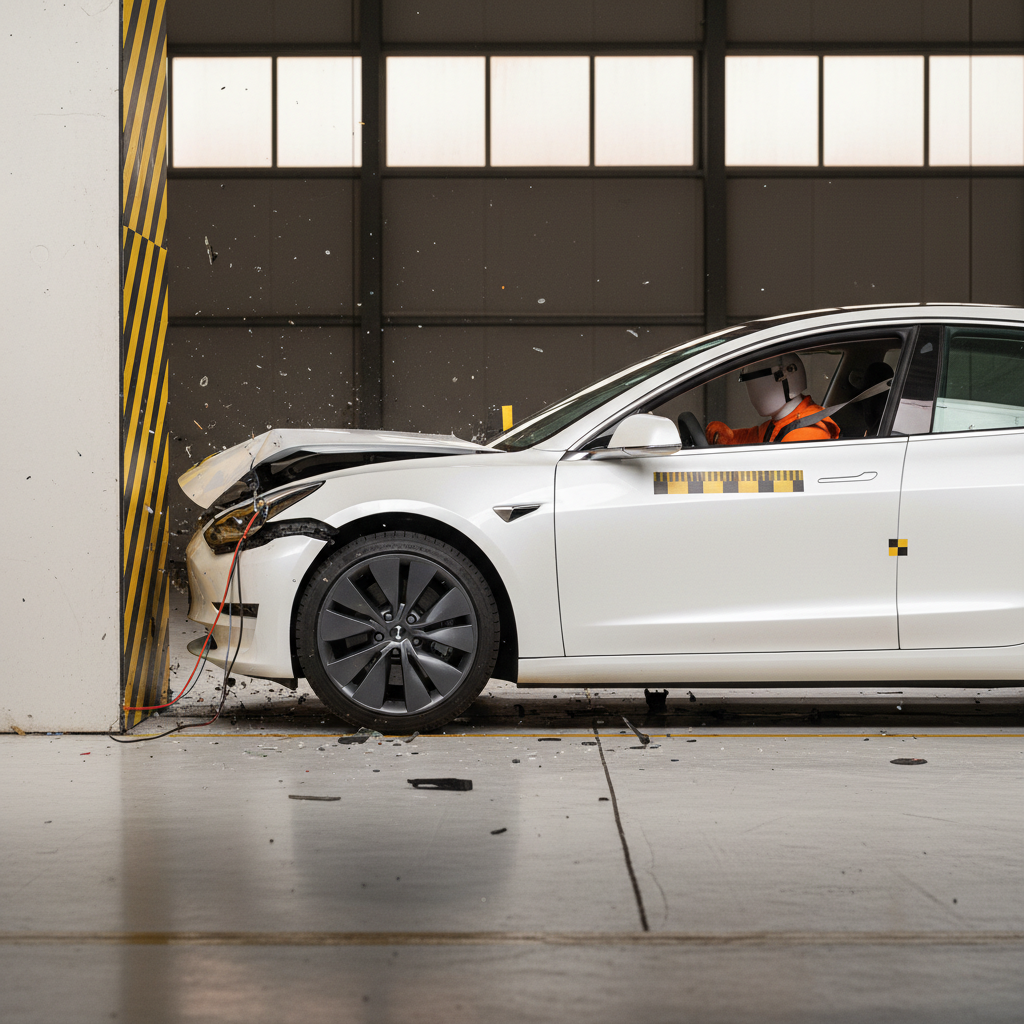
The Bolt EV scores well in crash tests and comes with advanced safety features like automatic emergency braking. These reduce the likelihood and severity of injuries, which insurers like.
Battery and total‑loss risk
If the battery pack is damaged or even suspected of damage, the car is often declared a total loss. That’s one reason EVs can be pricey to insure, especially in markets with limited EV‑savvy repair capacity.
Compact size & modest power
On the plus side, the Bolt is a small, relatively light EV with reasonable power, not a 5,000‑lb performance crossover. That tends to keep average claim severity lower than for big, fast EVs.
Your ZIP code dominates
A Bolt in a quiet Midwestern suburb may be cheap to insure; the same car in a dense coastal city with high theft and litigation rates may cost 2–3x as much. Location is often a bigger driver than the fact that it’s an EV.
Driver profile matters more than drivetrain
Age, driving history, credit‑based insurance score (where allowed), and miles driven per year often matter more than whether the car is electric. A safe 45‑year‑old Bolt driver will usually pay less than a 22‑year‑old in a compact gas car.
About the Bolt battery recall
Cost factors specific to the Chevy Bolt EV
Beyond the usual variables (age, location, coverage), several Bolt‑specific characteristics show up repeatedly in quote data and owner experiences.
Chevrolet Bolt EV traits that affect insurance
How the Bolt’s design and history shape your premium.
| Bolt EV factor | Effect on insurance | What you can do |
|---|---|---|
| Battery recall history | Can increase perceived risk if unresolved; clean recall records help. | Make sure recall work is documented and share that paperwork if an insurer asks. |
| Compact hatchback body style | Generally cheaper to insure than large SUVs or performance sedans. | If you want low insurance, avoid heavily modified or sporty trims. |
| High torque but FWD | Quicker than many gas compacts, but not a track car. | Telematics or driver‑monitoring programs can prove you’re a low‑risk driver. |
| Repair network maturity | In areas with few EV‑qualified shops, insurers may price in higher repair uncertainty. | Ask your insurer which shops they use for EV repairs in your area before binding a policy. |
| Resale value trends | Used Bolt prices have come down, which can modestly lower comprehensive/collision costs. | If your car’s market value has dropped, revisit your coverage and deductibles. |
These are general tendencies, insurers weigh each factor differently.
Used vs. new Chevrolet Bolt EV insurance costs
Recharged focuses on used EVs, and that’s where the Bolt really shines from an insurance‑to‑value perspective. The Bolt’s rapid depreciation over the last few years has made used examples very affordable to buy, but insurers still look at the cost of repairs, not just sticker price.
Why used Bolts can be cheaper to insure
- Lower actual cash value (ACV) means there’s less for the insurer to pay out on a total loss.
- Many used Bolts are now owned by more mature, lower‑risk drivers rather than early‑adopter demographics.
- Post‑recall battery replacements on many cars mean newer packs and lower perceived battery‑fire risk.
Where costs don’t fall as much as you’d expect
- Repair complexity and parts costs are similar regardless of model year.
- Liability coverage (injury and property damage to others) is driven by your risk profile, not the car’s age.
- If you choose low deductibles or high limits, a used Bolt can still carry a premium bill.
How Recharged helps on the used side
Ready to find your next EV?
Browse Vehicles7 ways to lower your Chevrolet Bolt EV insurance cost
You can’t change the fact that the Bolt EV is an electric car with specialized components. You can, however, control almost everything else insurers care about. Here are practical levers you can pull.
Action plan to shrink your Bolt EV premium
1. Shop multiple EV‑friendly insurers
Not every carrier prices EVs, or the Bolt in particular, the same way. Some have more experience with electric vehicles and may offer substantially better rates. Get quotes from at least three companies, ideally including one that explicitly markets EV expertise.
2. Adjust deductibles strategically
Raising your comprehensive and collision deductibles from, say, $500 to $1,000 can noticeably cut premiums, especially on an older Bolt with a lower market value. Just be sure you have enough cash on hand to cover that higher deductible if you need to file a claim.
3. Right‑size coverage for the car’s value
On a high‑mileage, lower‑value Bolt, it may not make sense to carry the same collision coverage you’d want on a nearly new example. Run the numbers: if a year of collision premiums approaches a big fraction of the car’s value, you may be better off dialing back and self‑insuring some risk.
4. Take advantage of EV and safety discounts
Many insurers offer discounts for advanced safety features, low annual mileage, and sometimes even owning an EV. Make sure your quote reflects features like automatic emergency braking and lane‑keeping assist, and provide accurate odometer readings if you drive fewer miles than average.
5. Use telematics or "safe‑driver" programs
Usage‑based insurance that tracks braking, acceleration, time of day, and phone use can materially reduce premiums for careful drivers. Because the Bolt already provides an engaging, smooth driving experience, it’s relatively easy to earn those discounts if you avoid aggressive driving.
6. Bundle policies and clean up tickets
Bundling your Bolt EV with a homeowner’s or renter’s policy can yield double‑digit discounts. At the same time, work on resolving older tickets and avoiding new violations, few factors hammer insurance pricing harder than a recent at‑fault crash or major moving violation.
7. Re‑shop after big life changes (or every renewal)
Moving, changing jobs, significantly increasing or decreasing mileage, or paying off your car loan can all shift your risk profile. Even without life changes, it’s smart to re‑shop your Bolt EV policy every year or two, especially in a market where insurers are still recalibrating EV risk.
Leverage used‑EV pricing transparency
Where insurance fits in your Bolt EV total cost of ownership
Insurance is one line of a much bigger ownership budget. For EVs like the Chevrolet Bolt, electricity and maintenance costs tend to be lower than for gas cars, while insurance and sometimes depreciation can be a bit higher. The key is looking at the whole stack, not just one column.
Big‑picture costs for a Bolt EV
How insurance compares to other major expenses.
Fuel vs. electricity
Compared with a similar gas compact, a Bolt can save you hundreds of dollars a year in energy costs, depending on local electricity and fuel prices. Those savings can easily offset a modestly higher insurance bill.
Maintenance & repairs
No oil changes, fewer moving parts, and regenerative braking typically mean lower scheduled maintenance than a gas car. Big unexpected repairs are rare but can be expensive, that’s what insurance is for.
Insurance share of the pie
For many Bolt EV owners, full‑coverage insurance ends up being roughly on par with, sometimes slightly less than, the annual electricity bill, and noticeably less than depreciation. It’s meaningful, but not the dominant cost.
The thing to remember is that insurers price risk, not technology. Once they understand a vehicle and have a few years of claim data, a sensible EV like the Chevrolet Bolt tends to settle into the middle of the pack on premiums.
Chevrolet Bolt EV insurance: FAQs
Frequently asked questions about Bolt EV insurance
Bottom line: is Chevrolet Bolt EV insurance expensive?
If you strip away the noise and look at the data, Chevrolet Bolt EV insurance cost is rarely a deal‑breaker. It’s usually in the same ballpark as an equivalent gas compact, and often much lower than the premium attached to big, heavy, high‑performance EVs. Where you live, how you drive, and how you structure your coverage matter far more than the badge on the hatch.
If you’re shopping for a used Bolt, treat insurance like any other part of the deal: get quotes early, compare multiple carriers, and make sure the coverage reflects the car’s real‑world value and your actual risk tolerance. When you pair a well‑priced, well‑insured Bolt EV with lower fuel and maintenance costs, you end up with one of the most compelling total‑cost‑of‑ownership stories in the EV market, and that’s exactly the kind of value Recharged was built to surface.