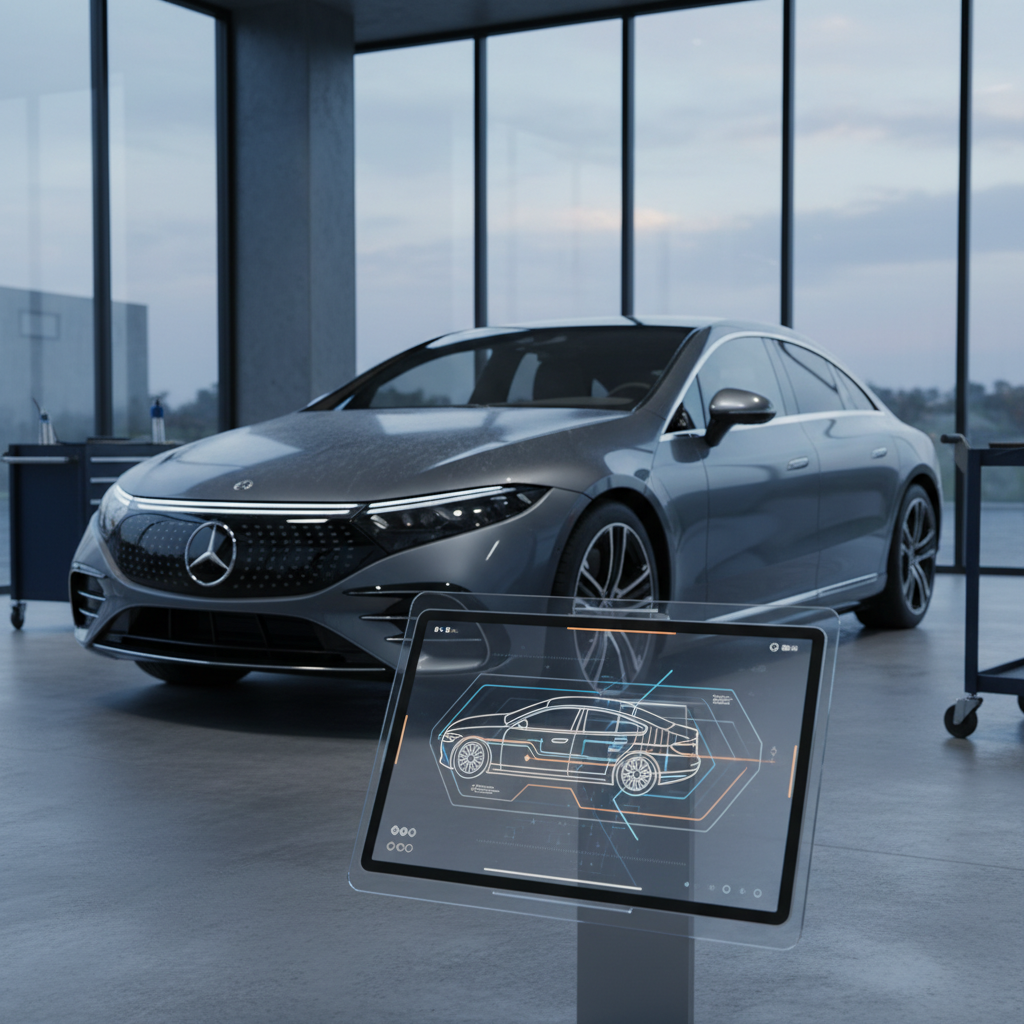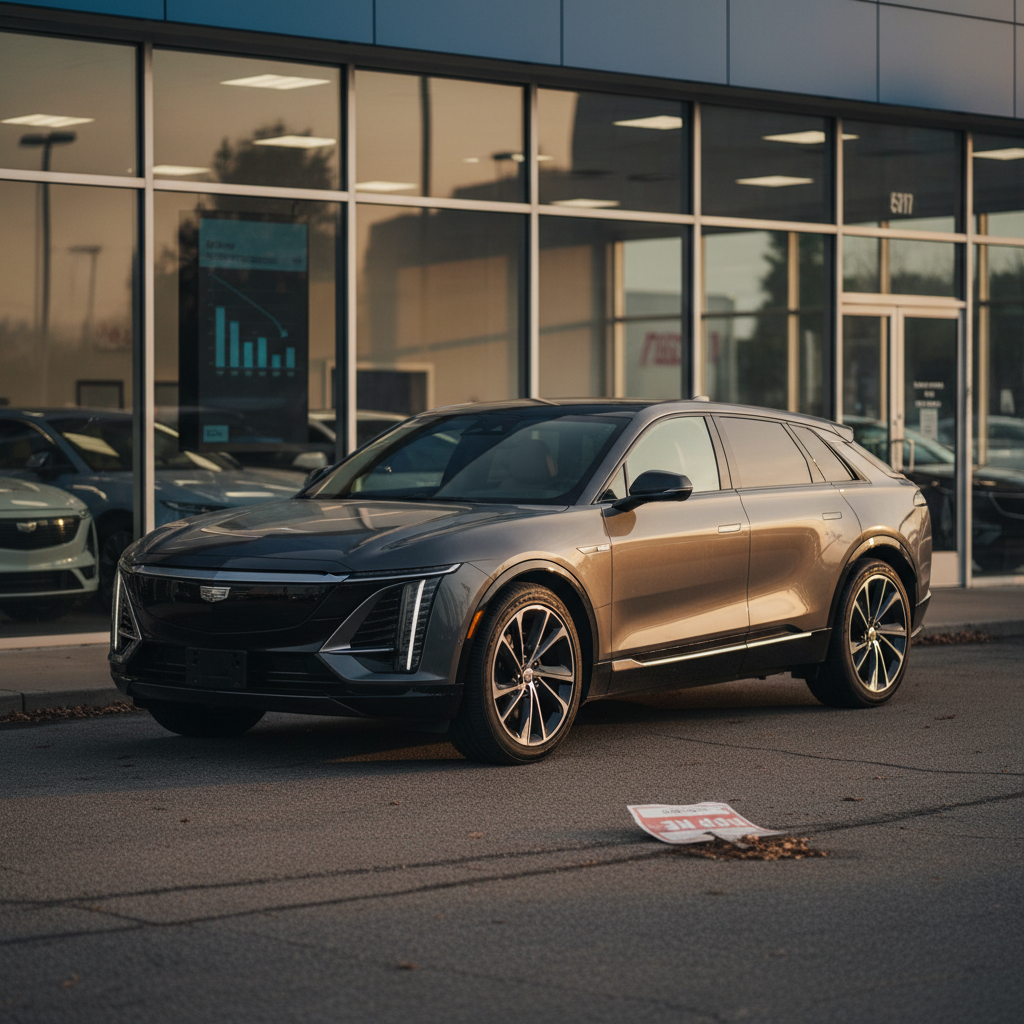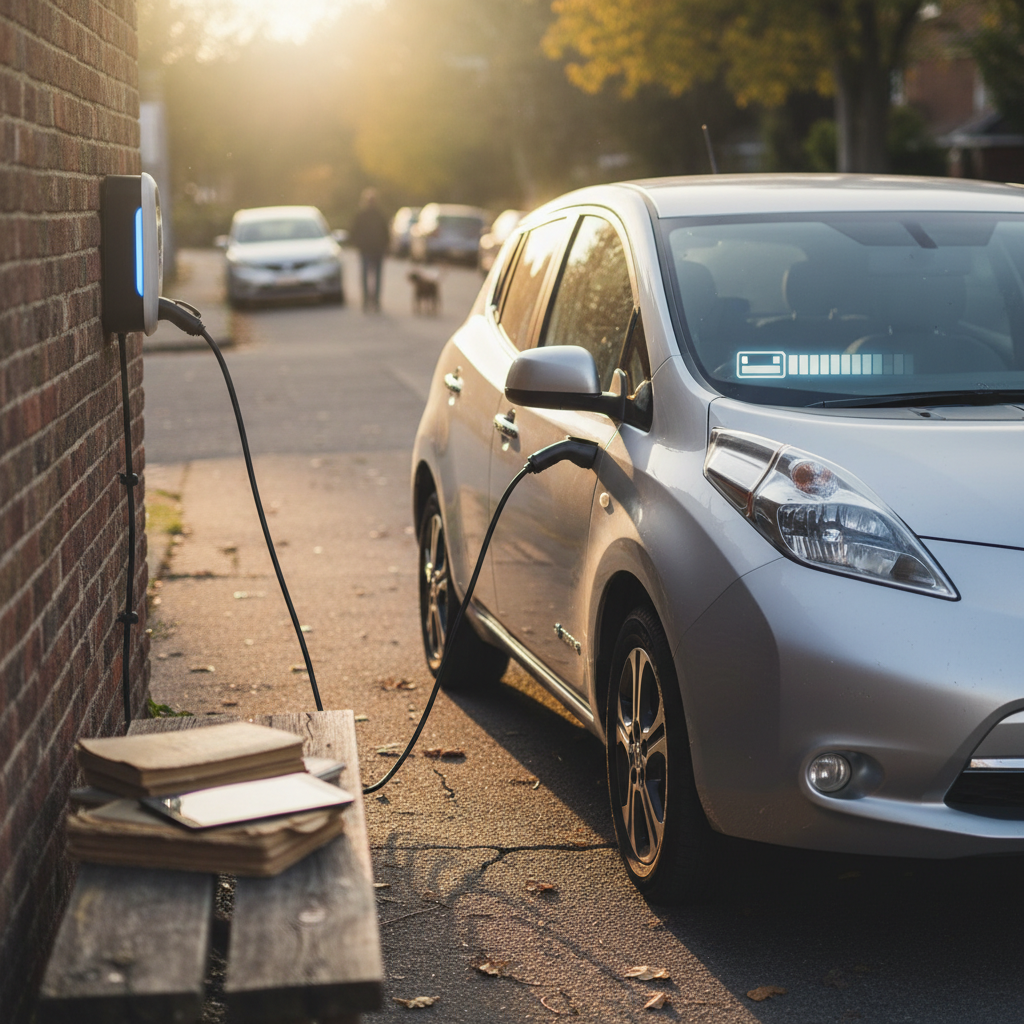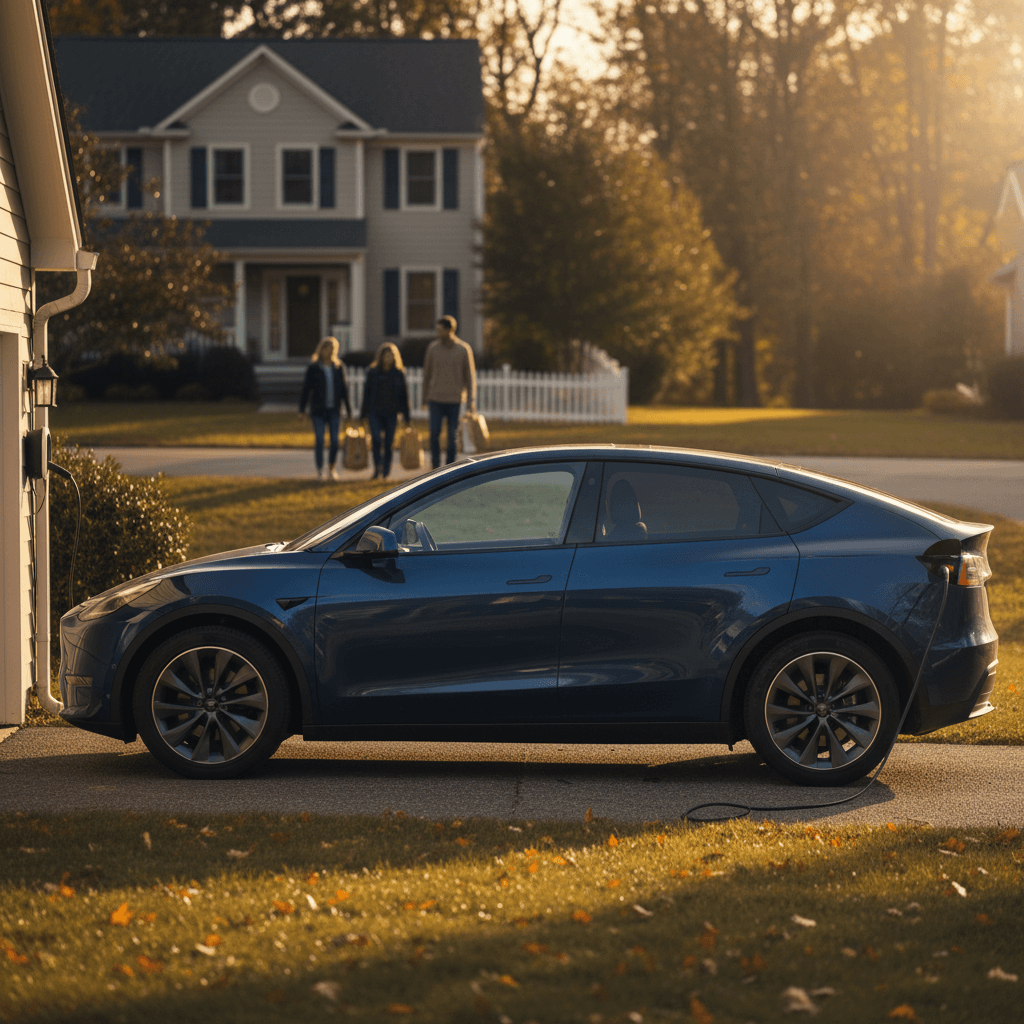
If you live in the suburbs, the **best used electric car for your family** isn’t the one with the flashiest tech, it’s the one that can handle school runs, Costco trips, and weekend visits to grandparents without drama. The good news: by 2025 there’s a deep bench of used EVs and crossovers that do exactly that, often for less than a comparable gas SUV once you factor in running costs.
Who this guide is for
How to Think About “Best” for a Suburban Family
Before we name specific models, it helps to define what “best” actually means for a suburban family. In practice, the winners are **compact and midsize crossovers** that balance range, efficiency, cargo space, safety, and reliability, without blowing up your budget. A 3-row luxury EV might look amazing, but if you’re mostly doing 20–60 mile days with the occasional road trip, a simpler two-row crossover can be the sweet spot.
- Practical real-world range (not just the brochure number)
- Enough cargo space for strollers, sports gear, and bulk groceries
- Safe and easy to live with around kids and car seats
- Reasonable charging speeds for weekend travel
- Solid reliability track record and healthy battery
- Total cost of ownership that beats or at least matches a gas SUV
What Suburban Families Typically Need From an EV
Don’t chase max range by default
Quick Picks: Best Used EVs for Suburban Families
There’s no single **best used electric car for suburban families**, but a handful of models keep surfacing in reliability data, owner surveys, and used-market pricing. Here’s a simplified short list by use case.
Best Used Electric Cars & SUVs for Suburban Families
Sorted by the type of family and driving you do most
Best All-Rounder: Tesla Model Y (Long Range or RWD, 2021+)
Why it works: Huge cargo area, strong range, efficient heat pump in newer builds, and access to Tesla’s dense fast-charging network for road trips.
- EPA range often 280–330+ miles when new; many used still test well above 250 in real use.
- Excellent safety ratings and active safety tech.
- Software and app experience are still best-in-class for many families.
Best for: Families who road-trip often and want one EV to do everything.
Best Value Compact Crossover: Hyundai Kona Electric / Kia Niro EV
Why it works: Compact outside, genuinely useful inside. Strong real-world efficiency and long battery warranties make them standouts on used lots.
- Approx. 239–258 miles rated range depending on year and trim.
- Often significantly cheaper than a used Model Y or Ioniq 5/EV6.
- Easy to park, great for families who already have a bigger second vehicle.
Best for: Suburban households where the EV handles most daily miles.
Best Budget Family EV: Chevrolet Bolt EUV (and Bolt EV)
Why it works: Cheap to buy, cheap to run, surprisingly roomy inside for the footprint. Many early Bolts received new battery packs under recall.
- Real-world range commonly 230–260 miles for refreshed packs.
- EUV adds rear legroom and available Super Cruise driver-assist.
- Great fit if you mostly stay within a metro area and do occasional highway trips.
Best for: Cost-conscious families replacing a sedan or compact SUV.
Best for Fast-Charge Road Trips: Hyundai Ioniq 5 / Kia EV6
Why it works: 800-volt architecture and excellent DC fast-charging performance make these standouts for families that drive long distances.
- Comfortable, airy cabins with good rear legroom.
- Real-world 220–280 mile range depending on battery and drivetrain.
- Charges very quickly on compatible 150–350 kW stations, cutting road-trip time.
Best for: Suburban families who do regular interstate trips.
Best 3-Row Used EV (Budget-Lux Mix): Kia EV9 & Rivian R1S
Why it works: True family haulers with three usable rows and big cargo space. On the used market, they’re still pricey but undercut many gas luxury SUVs on running costs.
- Kia EV9: Strong safety scores, fast charging, family-friendly cabin.
- Rivian R1S: Huge capability, excellent cargo space, very high owner satisfaction.
Best for: Bigger families who’d otherwise be in a Tahoe, Telluride, or minivan.
Best Low-Drama Commuter Family EV: Nissan Ariya & Kia Niro EV
Why it works: Conservative, comfort-biased EVs from brands with solid reliability records. Good pick if you want something that just quietly works.
- Ariya: Comfortable ride, decent range, quiet cabin.
- Niro EV: Efficient, easy to drive, and a known quantity among EV owners.
Best for: Families that prioritize comfort and predictability over wow-factor.
Don’t ignore older ‘orphan’ models
Range and Charging: What Suburban Families Really Need
The range arms race makes for good marketing, but daily life in a U.S. suburb almost never requires 300+ electric miles in one shot. What matters is **real-world usable range** paired with **convenient charging where you live**.
How much range is enough?
- Daily driving: Most suburban families rack up 20–60 miles per day between commutes, school, and errands.
- Comfort zone: A used EV that still delivers 200–240+ miles of real-world range is more than enough for this pattern.
- Road trips: If you regularly do 250–400 mile days, prioritize cars with both higher range and faster DC charging (Ioniq 5/EV6, Model Y, EV9, R1S).
Home charging reality check
- Level 1 (120V): Adds ~3–4 miles of range per hour. Fine as a backup, marginal as your only solution.
- Level 2 (240V): Adds ~20–40 miles per hour. For suburban families, this is the sweet spot, plug in after dinner, wake up full.
- DC fast charging: Crucial for trips, but you shouldn’t rely on it for weekly refueling. It’s pricier and harder on the battery over time.
Plan the car around your charging, not the other way around
Space, Seats and Cargo: Will This Actually Work With Kids?
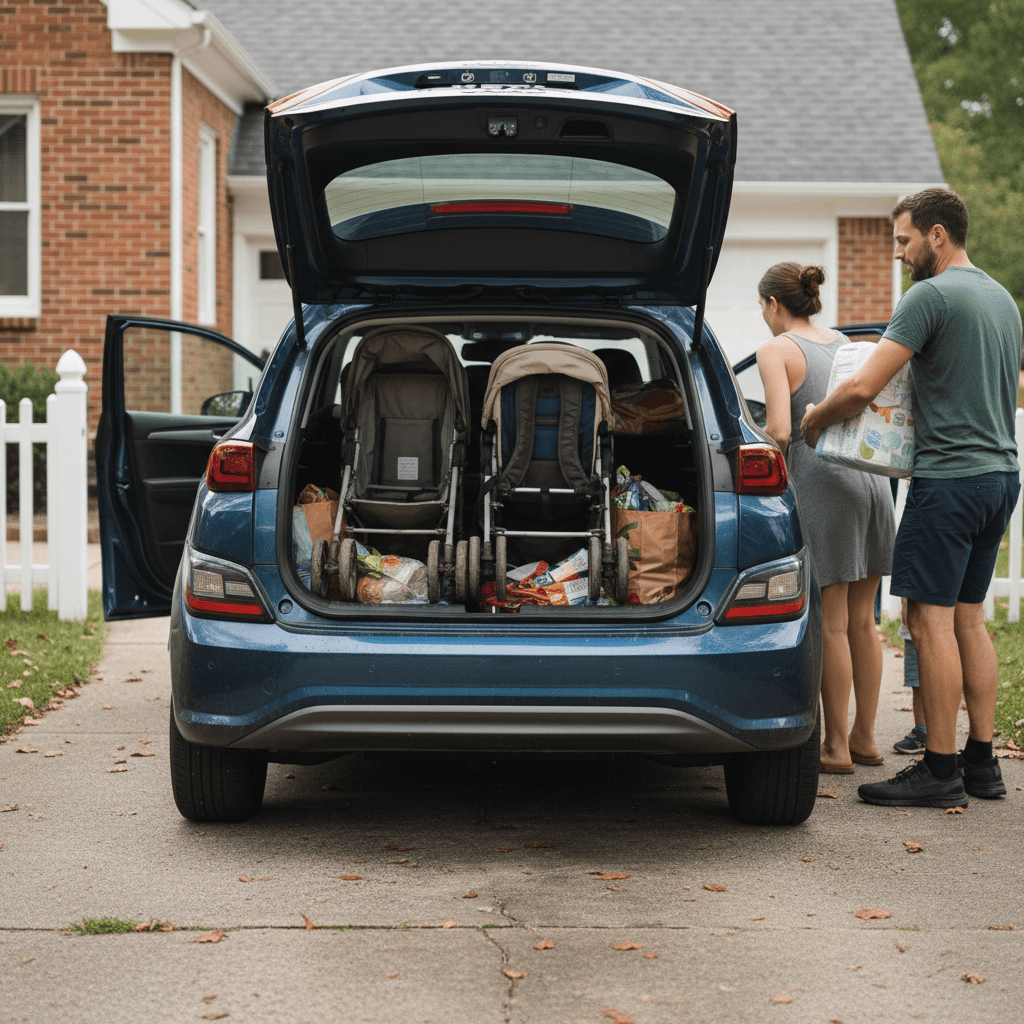
Range is easy to obsess over on paper. **Living with kids and gear is where the wrong EV choice will annoy you daily.** Suburban families need real rear legroom, door openings that make car seats manageable, and a cargo area that doesn’t require Tetris every time you hit Costco.
Family-Friendly Space: Shortlist of Used EVs
How popular used family EVs stack up on space-related questions (simplified, not full spec sheets).
| Model | Row Layout | Back-Seat Space | Cargo Practicality | Family Notes |
|---|---|---|---|---|
| Tesla Model Y | 2 rows | Excellent for two car seats | Huge hatch + underfloor bin, optional frunk | Comfortably handles two kids + gear; 3 across possible with narrow seats. |
| Hyundai Kona Electric | 2 rows | Tight for rear-facing seats behind tall drivers | Decent square cargo area | Best if your kids are out of bulky rear-facing seats or you have a second larger vehicle. |
| Kia Niro EV | 2 rows | Better legroom than Kona | Hatch makes strollers and groceries easy | Great "small family" EV; easier for car seats than many compacts. |
| Chevy Bolt EUV | 2 rows | Surprisingly good knee room | Tall roof; cargo ok but not huge | Excellent for 1–2 kids and city/suburb duty; not ideal as a road-trip pack mule. |
| Hyundai Ioniq 5 | 2 rows | Very generous legroom, sliding rear bench | Wide opening hatch, good floor height | Feels more midsize inside than it looks outside; very family-friendly. |
| Kia EV9 | 3 rows | Adult-friendly 2nd row, usable 3rd | Big boxy cargo area, especially with 3rd row folded | Strong minivan alternative for EV-only families with more than two kids. |
Always test-fit your own car seats and stroller; published numbers never tell the whole story.
Think stroller-first, not spec-sheet-first
Family Fit Checklist for Any Used EV
1. Can two car seats fit without crushing the front seats?
Install your kid’s actual seats behind both front positions. Make sure the driver can sit comfortably and the passenger isn’t hugging the dash.
2. Is the cargo area deep enough for strollers and groceries?
Load your stroller and a couple of reusable grocery bags. Check that the hatch closes easily and you still have some room for backpacks or sports bags.
3. Are the rear doors and roofline car-seat friendly?
Some stylish EVs have low, sloping rooflines or small rear doors that make lifting kids in and out a chore. Practice it a few times; your back will thank you later.
4. Do you have enough charging cable length to reach the port?
On some EVs, the charge port is at the rear corner, on others near the front fender. Check that home charging will be straightforward with your driveway or garage layout.
5. Are there enough USB and power points for your family?
For older kids, rear seat USB-C ports, vents, and pockets can make long drives calmer and reduce fights over devices.
Safety, Reliability and Battery Health
For families, the “fun” part of EV ownership comes second to safety and predictability. The good news is that many mainstream EVs, from Hyundai, Kia, Nissan, GM and others, have racked up solid safety scores and respectable reliability, especially when you look at **battery health** rather than just anecdotal stories.
Three Pillars of Trust for a Used Family EV
Crash safety, track record, and what the battery is actually doing
1. Safety Ratings & Active Safety
Check IIHS and NHTSA ratings for the specific model year you’re considering. Most modern EV crossovers score well, but details matter, mid-cycle refreshes can add or improve safety tech.
Look for standard or available features like automatic emergency braking, blind-spot monitoring, and rear cross-traffic alert, which are particularly useful in busy school parking lots.
2. Real-World Reliability Signals
Consumer surveys, owner forums, and long-term tests increasingly highlight EVs like the Kona Electric, Niro EV, Nissan Ariya, Kia EV6 and Tesla Model Y as relatively low-drama ownership bets.
Watch for recurring problem themes: infotainment glitches, build-quality issues, or fast-charging quirks that might matter for your use case.
3. Battery Health Diagnostics
For used EVs, the real story is how much usable capacity the pack still has versus when it was new. Many 3–5-year-old EVs retain roughly 85–90% of original capacity with normal use.
A professional battery health report, like the Recharged Score, gives you hard data instead of guesswork.
Don’t buy blind on battery health
Total Cost of Ownership for Used Family EVs
Suburban families often focus on the monthly payment, but the right used EV can quietly save thousands over several years, even if it costs a bit more up front than a comparable gas SUV. Fuel and maintenance are the headline savings, while insurance and depreciation are where the story gets more nuanced.
Where EVs usually save you money
- Fuel: Charging at home, especially off-peak, almost always undercuts gasoline on a per-mile basis. For a 10,000–12,000 mile/year suburban family, the difference adds up quickly.
- Maintenance: No oil changes, fewer fluids, and far fewer moving parts. Brakes often last longer, too, thanks to regenerative braking.
- Depreciation tailwind: Buying used means someone else already took the biggest hit. Well-chosen EVs can hold value surprisingly well once they’ve bottomed out.
Where costs can surprise you
- Insurance: Some EVs cost more to insure due to higher repair costs. Shopping quotes across insurers (and trims) is essential.
- Out-of-warranty repairs: Electronics, suspension components, or complex lighting systems can still be pricey to fix, even if the battery is under an 8-year/100,000-mile warranty.
- Public fast-charging: If you lean heavily on DC fast charging instead of home charging, your fuel-cost advantage shrinks, and you add wear on the pack.
Think in terms of five-year cost, not sticker price
How to Choose the Right Used EV for Your Suburban Family
Once you understand your daily driving, space needs, and charging setup, the question isn’t “What’s the best used electric car for suburban families?” in the abstract. It’s “Which of the proven models best fits our commute, kids, budget, and appetite for tech?” Use this step-by-step roadmap to narrow the field.
Step-by-Step Path to Your Best Used Family EV
If You’re Replacing the Main Family Car
List your typical weekly driving: commute miles, school runs, sports practices, weekend errands.
Decide if you truly need three rows, or if a roomy two-row crossover (Model Y, Ioniq 5, Ariya, EV6) is plenty.
Set a firm budget including tax, title, registration, and a home Level 2 charger install if needed.
Prioritize models with 230+ miles usable range, strong safety scores, and proven family-friendly interiors.
Get a battery health report and history on any serious candidate before you sign.
If This Is the Second Car
Be honest about usage: will this mostly handle local miles while a gas or hybrid handles road trips?
Don’t overspend on range you’ll rarely use; consider efficient compacts like Kona Electric, Niro EV, or Bolt EUV.
Optimize for easy parking, low running costs, and simple charging instead of every bell and whistle.
Look for older EVs with solid batteries where depreciation has largely happened already.
Focus on low purchase price + good battery health to maximize bang for your buck.
If You Have 3+ Kids or Carpool Often
Start by measuring current car-seat setup and cargo use in your existing vehicle.
Prioritize three-row EVs or the roomiest two-row options (EV9, R1S, Model Y, Ioniq 5).
Check real-world owner feedback on rear-seat comfort and third-row access.
Plan your charging around peak family seasons, holidays, sports tournaments, road trips.
Consider paying more for models with strong fast-charging performance to keep long days manageable.
Final Pre-Purchase Checklist for a Used Family EV
Confirm your home charging plan
Know exactly where you’ll park, where the charge port is on the car, and whether you need an electrician visit before delivery.
Get a professional battery health report
Ask for a third-party or dealer diagnostic of pack health, not just a guess based on the dash or a generic OBD reading.
Check remaining factory warranties
Many EVs still have battery and electric-drive warranties at 8 years/100,000 miles or more. Make sure you know what carries over.
Review vehicle history and recall status
Confirm any recalls, like battery replacements on early Bolts, have been completed and documented. Avoid cars with unclear histories.
Test every family use case
Simulate a real week: school run, grocery trip, sports gear, highway merge. Make sure nothing about the experience feels marginal or stressful.
How Recharged Helps Used EV Family Buyers
If this all sounds like a lot to juggle, battery health, range, safety scores, kids’ gear, home charging, you’re not wrong. That’s exactly why Recharged exists: to make **used EV ownership simple and transparent** for real families, not just early adopters.
Why Families Shop Used EVs Through Recharged
Less guessing, more confidence, especially around battery health and pricing
Recharged Score battery diagnostics
Every vehicle on Recharged comes with a Recharged Score Report that includes verified battery health. You see how much usable capacity the pack still has, so you can confidently buy a three- or five-year-old EV without wondering if the battery will surprise you.
Fair, transparent pricing
Recharged benchmarks each car against the market so you’re not guessing if a “deal” is real. You can also trade in or get an instant offer on your current car, or consign it if that nets you a better outcome.
EV specialists and nationwide delivery
From financing to explaining home charging, Recharged’s EV-focused team walks you through the process end to end. If you’re not near the Richmond, VA Experience Center, you can still shop fully online and have the car delivered to your driveway.
Ready to find your next EV?
Browse VehiclesThe right used EV can save your family time, money, and hassle, while still handling the messy realities of suburban life. Focus on the fundamentals: realistic range, honest battery health, kid-friendly space, and a total cost of ownership that works for your budget. Whether you land on a Kona Electric, Model Y, Bolt EUV, Ioniq 5, EV9, or something else entirely, pairing smart research with transparent data from a partner like Recharged makes it far easier to end up with an electric family car you actually enjoy living with.