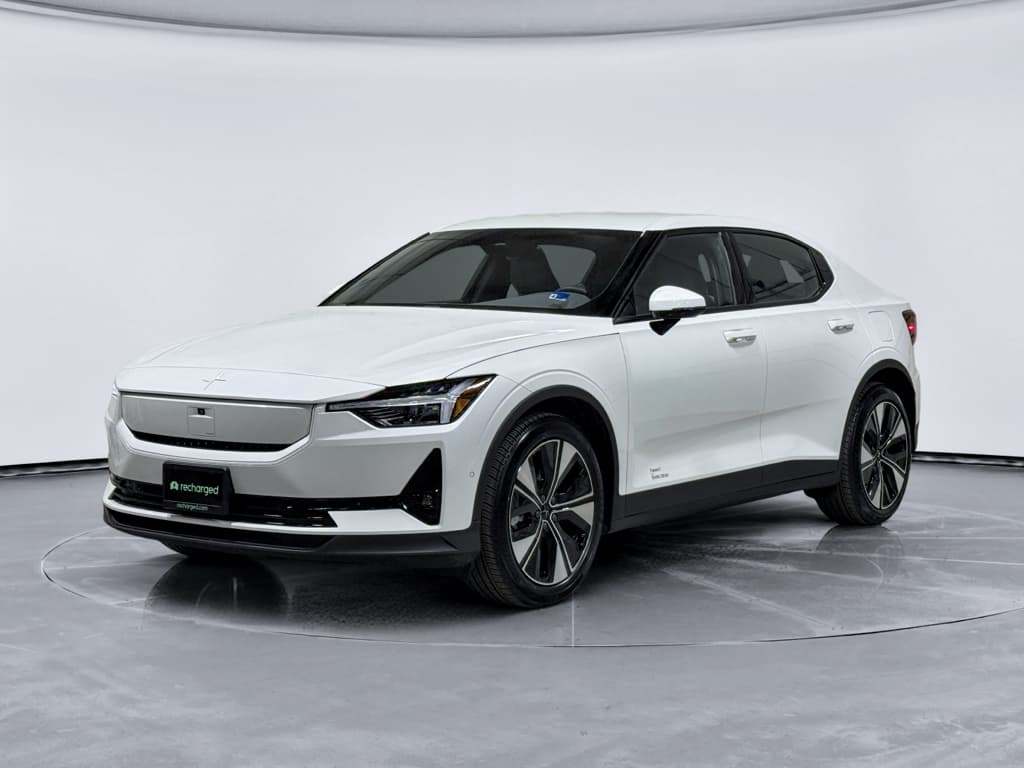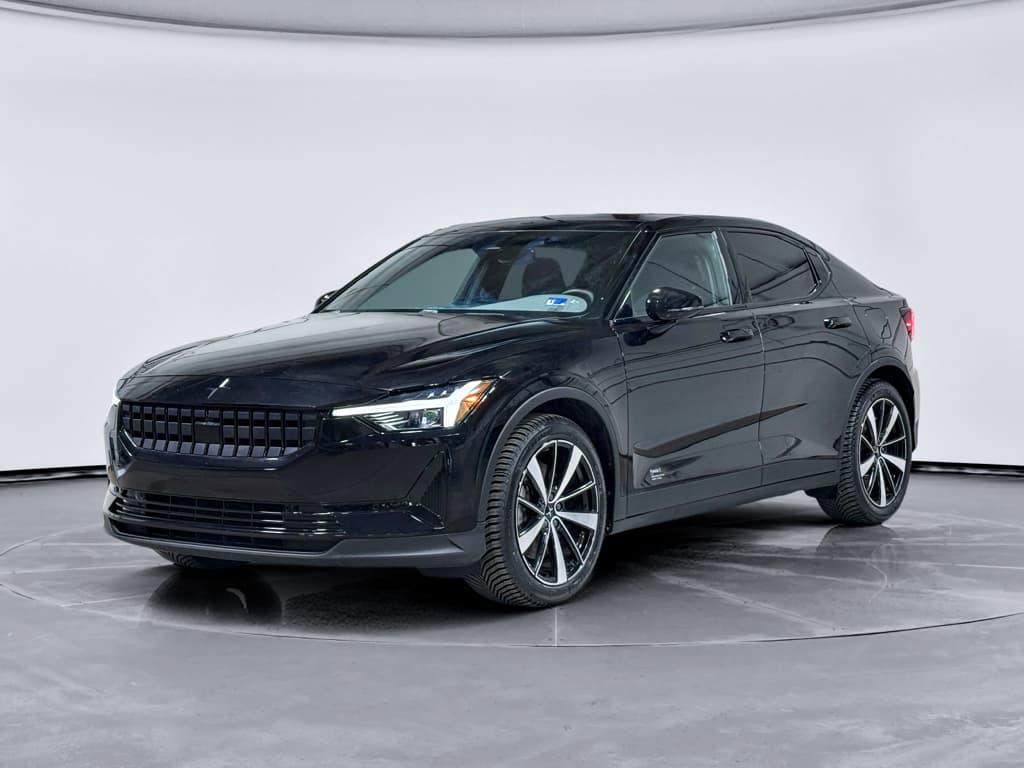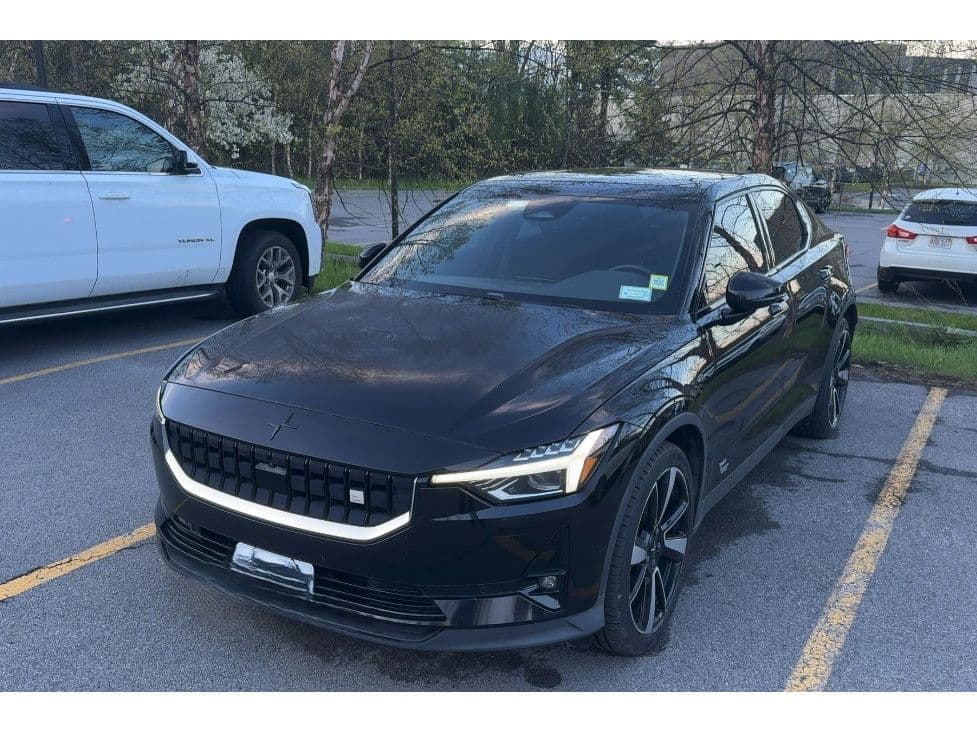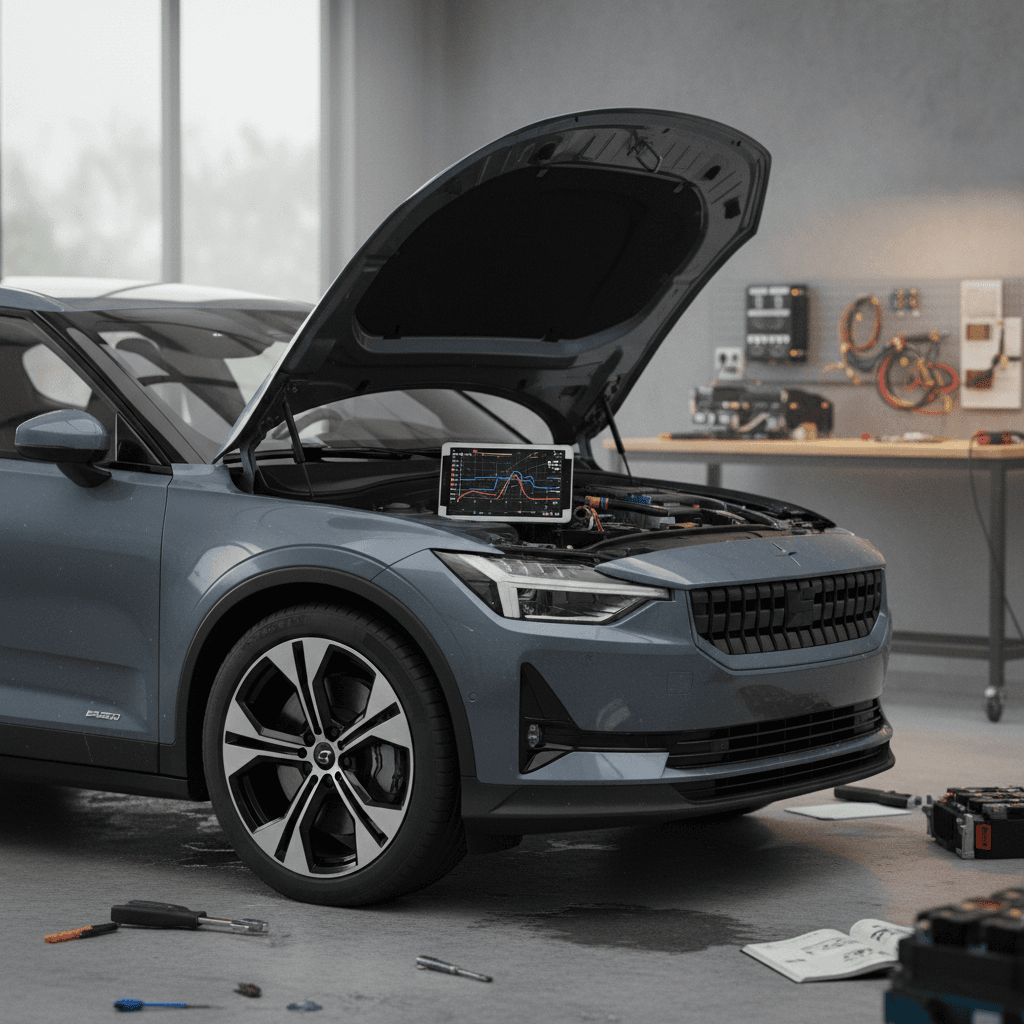
If you own or are considering a used 2021 Polestar 2, it pays to understand its recall history. This model year has been covered by several U.S. safety campaigns, mostly software‑driven, that affect critical systems like the rearview camera and high‑voltage battery. This guide pulls together the most important 2021 Polestar 2 recalls list items in one place and explains, in plain English, what each recall means for everyday driving and used‑EV shopping in 2026.
Why this recall guide matters
2021 Polestar 2 recalls overview
Polestar has positioned the 2 as a tech‑forward EV, and its recall record reflects that: most 2021 campaigns are about electronic control modules and software behavior, not traditional mechanical failures. That’s good news in the sense that repairs are usually quick and often handled via software updates, but it also means you need accurate, up‑to‑date information about what’s been done on any particular car.
2021 Polestar 2 recall landscape at a glance (U.S.)
Quick list of 2021 Polestar 2 recalls (U.S.)
Key U.S. recalls affecting the 2021 Polestar 2
High‑level snapshot of major NHTSA safety campaigns as they relate to 2021 model‑year cars. Always verify exact applicability by VIN before you buy.
| Recall / NHTSA ID | Primary issue | Systems affected | Typical remedy | Impact on 2021 shoppers |
|---|---|---|---|---|
| Rearview camera software – 24V-477 | Backup camera image may fail to display while reversing | Infotainment head unit, camera software | Software update to the infotainment/head‑unit and associated control modules at a Polestar service point | Very likely applicable. Verify completion; unresolved cars may have intermittent or dead camera views in reverse. |
| High-voltage battery / BECM – 21V-110 | Battery Energy Control Module (BECM) microprocessor can reset, causing loss of motive power | High‑voltage system, BECM, powertrain control | Software update or control‑module reflash; in rare cases module replacement | Important early‑production issue. Confirm recall status, especially on 2021s built in 2020–early 2021. |
| Brake software / one‑pedal logic – small 2021–2025 population | Under very specific conditions, brakes may not build enough pressure during extended coasting in one‑pedal mode | Brake control software, integrated brake system | Targeted software update to the brake system ECU on affected VINs | Low VIN count but high priority if applicable. Treat as must‑fix before serious use. |
Recall numbers shown are NHTSA campaign IDs commonly associated with the 2021–2024 Polestar 2 population.
Recall coverage can change
Rearview camera image failure recall (24V-477)
The most widely discussed 2021 Polestar 2 recall is the rearview camera image failure campaign, which ultimately swept in nearly all 2021–2024 cars and even influenced later 2025 builds. For many owners, it started as an intermittent issue: you shift into reverse and the camera view either doesn’t appear, freezes, or disappears mid‑maneuver. For a modern EV that relies heavily on screens rather than glass for rearward visibility, that’s a real safety concern.
- Applies broadly to 2021–2024 Polestar 2s, with some VIN‑specific carve‑outs based on software version.
- Root cause sits in how the infotainment head‑unit and camera system initialize and handle video streams during a reverse event.
- In failure mode, you may see a black screen, a frozen image, or an error message instead of a live rear image.
- In the U.S., the campaign was formalized under an NHTSA safety recall, commonly referenced as 24V‑477 for the core population.
The fix is a software update rather than a physical camera swap in most cases. Dealers load a new version of the infotainment and camera control software that changes how the system boots and monitors the video feed. Some cars also get related updates to the central electronics module to improve diagnostics and fault handling.
How to spot this issue on a test drive
What this camera recall means for daily use
Post‑fix, most owners report normal camera behavior, though, like any software‑defined system, there’s still occasional forum chatter about isolated glitches after updates. The key for you as a buyer or owner is this: a 2021 Polestar 2 with open camera recall work is not a deal‑breaker if you have convenient access to a Polestar service point, but it’s something you want addressed quickly. Driving without a reliable rear camera isn’t just inconvenient; it can raise your crash risk in tight parking or around children and pedestrians.
High‑voltage battery / BECM shutdown recall (21V-110)
Earlier in the Polestar 2’s life, another high‑profile recall targeted the Battery Energy Control Module (BECM), the electronic brain that manages the high‑voltage pack. Under certain conditions, the BECM microprocessor could reset unexpectedly. When that happened, the car might lose motive power while driving, even though the 12‑V systems and screens stayed live.
- Applies primarily to early‑production 2021 Polestar 2s, including cars built late 2019 through early 2021 that were sold as 2021 model year.
- Symptoms before the fix included warning messages, sudden loss of drive, and the need to pull over and restart the vehicle.
- The official remedy has been a software update to the BECM and related powertrain control units; in rare cases, hardware replacement has been used when modules failed outright.
- Because high‑voltage powerloss can be serious, this recall is treated as a priority by both Polestar and regulators.
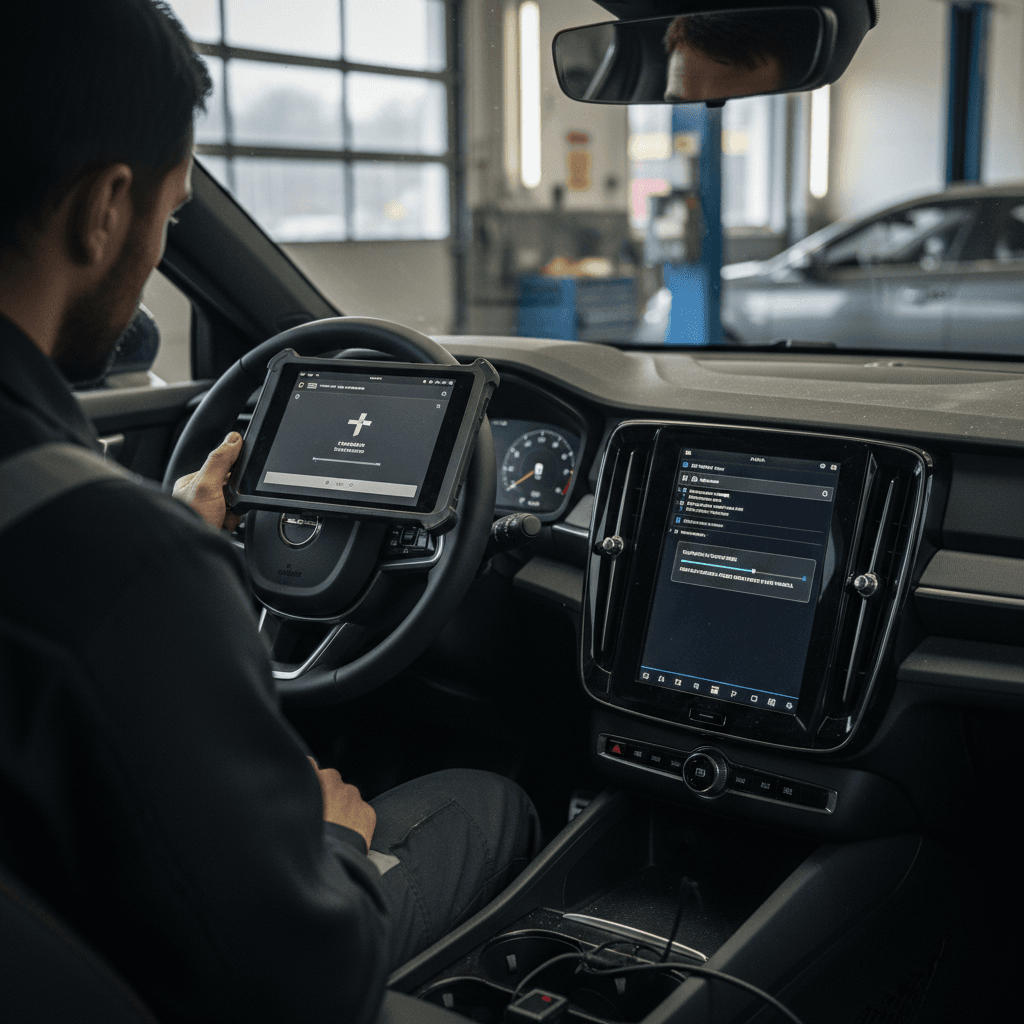
Take BECM recalls seriously
How this affects battery‑health evaluations
The BECM recall itself isn’t about degradation or capacity loss, it’s about control logic and reliability. But any history of high‑voltage interventions is something you want to see documented. At Recharged, our Recharged Score battery diagnostics look past simple recall status to evaluate state of health, charge balance, and error histories. That gives you a clearer picture than a bare "recall completed" note in a service log.
Low‑volume brake software recall (one‑pedal braking)
Another U.S. campaign that touches the 2021 Polestar 2 targets a very small population of cars whose brake software logic can under certain circumstances fail to build hydraulic pressure quickly enough. It’s associated with one‑pedal driving and prolonged downhill coasting without touching the brake pedal. Under that narrow set of conditions, the pedal could feel unusually soft or travel farther before delivering the expected deceleration.
- Covers only a handful of 2021–2025 Polestar 2 VINs, NHTSA documentation points to just a couple of U.S. vehicles in the initial filing, with the possibility of small adjustments over time.
- The behavior appears when the car has been in strong regenerative (one‑pedal) mode, coasting downhill for roughly 90 seconds or more, with no prior use of the friction brakes.
- The remedy is a recalibration of the brake control software so that hydraulic pressure is always available instantly when the driver requests it.
- Despite the tiny VIN count, this is rightly handled as a safety recall; if your 2021 is flagged, the update should be completed before any serious mountain driving or towing.
Don’t confuse this with normal EV brake feel
Other software updates vs. official NHTSA recalls
A lot of 2021 Polestar 2 chatter online blurs the line between over‑the‑air updates and formal NHTSA safety recalls. Polestar has rolled out multiple OTA releases, improving range estimates, fixing infotainment bugs, adding Apple CarPlay, tweaking driver‑assistance behavior, that are not recalls even if they fix annoying issues.
What counts as a recall
- Filed with NHTSA as a safety‑related defect or non‑compliance.
- Shows up when you search the VIN on the NHTSA website.
- Manufacturer is legally required to provide the fix free of charge.
- Usually involves safety‑critical systems: steering, brakes, airbags, cameras, high‑voltage power.
What’s just a software update
- May improve features, reliability, or user experience.
- Can be delivered OTA or at a service visit.
- Not all updates are mandatory; some are purely quality‑of‑life.
- Won’t necessarily appear in NHTSA’s recall search, but should show up in service records.
How Recharged handles this difference
Ready to find your next EV?
Browse VehiclesHow to check if a 2021 Polestar 2 has open recalls
Because campaigns can be amended or expanded, the only authoritative way to know whether a specific 2021 Polestar 2 still has open recalls is to check it by VIN. Fortunately, you have two good tools that work in tandem.
Step‑by‑step: Verify recall status on a 2021 Polestar 2
1. Locate the full 17‑digit VIN
You’ll find it at the base of the windshield on the driver’s side, on the driver‑door jamb label, and in the vehicle’s registration or insurance documents. If you’re shopping online, ask the seller to share it before you visit.
2. Run the VIN on NHTSA’s website
Go to the official NHTSA recall lookup and enter the VIN. The tool will show any <strong>open safety recalls</strong> that have not yet been marked as completed. Print or screenshot the result for your records.
3. Check Polestar’s own recall portal
Polestar maintains a U.S. recall‑information page with a VIN checker. Cross‑checking against NHTSA can surface newly launched campaigns that are still propagating through the system or manufacturer‑specific service actions.
4. Call a Polestar service point
If you see inconsistencies, or you’re looking at a car that’s been sitting, call a Polestar service center with the VIN. Ask them to confirm campaigns like the rear camera (24V‑477), BECM (21V‑110), and any brake‑software actions have been closed out.
5. Ask for printed service history
For a used purchase, request dealer or service invoices showing recall completion dates and any related warranty work. These documents help you separate one‑time fixes from ongoing problem patterns.
6. For Recharged vehicles, review the Score report
If the car is listed on <strong>Recharged</strong>, your easiest path is the Recharged Score Report. It consolidates recall status, software level, and battery‑health diagnostics into a single, easy‑to‑scan report.
Time your test drive around recall work
Recalls and used 2021 Polestar 2 shopping
A common question in 2026 is whether the 2021 Polestar 2’s recall history makes it a year to avoid. The short answer: not necessarily. Recalls are part of the life of any modern EV, and what matters more is how thoroughly a particular car has been brought up to current standards, and what its long‑term reliability record looks like alongside those fixes.
How recalls should influence your 2021 Polestar 2 purchase decision
Think of recalls as one piece of a bigger used‑EV puzzle.
Safety floor, not a red flag
Completed recalls mean the car has been updated to meet today’s safety baseline. A 2021 Polestar 2 that’s fully current on BECM, camera, and brake campaigns can be safer than an untouched early car from a different brand with no formal recalls but plenty of undocumented quirks.
Look beyond recall counts
Online "years to avoid" lists often rank models by raw recall count. That’s crude at best. A single airbag inflator recall isn’t equivalent to a systemic battery‑pack defect, and a software fix pushed out early can prevent bigger problems down the line.
Integrate recall data with battery health
For an EV, the high‑voltage pack dominates ownership economics. At Recharged, we combine recall status with pack diagnostics, charge cycles, usable capacity, imbalance, to decide which 2021 cars make the cut for our marketplace.
Watch for repeat‑issue histories
Owner checklist after a recall repair
Whether you’re the first or third owner, don’t just drop the car off, sign the paperwork, and assume everything is perfect. A good post‑recall routine helps you confirm the fix works as intended and keeps your documentation tight for future resale.
Post‑recall checklist for 2021 Polestar 2 owners
Confirm software and campaign IDs on the invoice
Ask the service advisor to print a copy of the repair order showing the <strong>campaign number</strong> (for example, 24V‑477 or 21V‑110) and the software version loaded. Keep this with your service file.
Test the specific system that was fixed
After a camera recall, test the backup camera in different conditions. After a BECM or brake update, do a short highway run and a downhill section to verify the car feels consistent and predictable.
Monitor for new warning messages
For the next few weeks, pay closer attention to any new warnings, chimes, or messages. A software update can occasionally surface latent issues elsewhere in the system that deserve a follow‑up visit.
Re‑run the VIN in NHTSA’s tool
A few days after the repair, run the VIN again on NHTSA’s site. The recall should show as completed; if it doesn’t, contact the service center to ensure the closure was properly reported.
Ask about related technical service bulletins (TSBs)
Not all fixes are recalls. Sometimes, a TSB improves reliability for known quirks without being safety‑critical. Ask whether your 2021 Polestar 2 received any related TSB updates while it was in for recall work.
File everything for future resale
Whether you keep the car or eventually sell it, or trade it to a platform like <strong>Recharged</strong>, a neat folder with recall and software‑update records can support higher resale value and a quicker sale.
FAQ: 2021 Polestar 2 recalls
Frequently asked questions about 2021 Polestar 2 recalls
Bottom line: Should recalls stop you from buying?
In isolation, the 2021 Polestar 2 recalls list looks busy: camera software, high‑voltage control logic, and a tiny brake‑software campaign all show that the car has evolved a lot since launch. But that doesn’t automatically make the 2021 a year to avoid. What matters is how thoroughly a given car has been updated, how it behaves today, and whether its battery and electronics are healthy.
If you’re shopping used in 2026, treat recalls as a minimum safety bar rather than a scare tactic. Verify each campaign by VIN, insist on completed work before you commit, and pay close attention to software versions and service records. And if you’d rather not play detective, consider sourcing your 2021 Polestar 2 through a platform like Recharged, where every car comes with a Recharged Score Report, verified recall status, and expert EV guidance from first click to delivery.