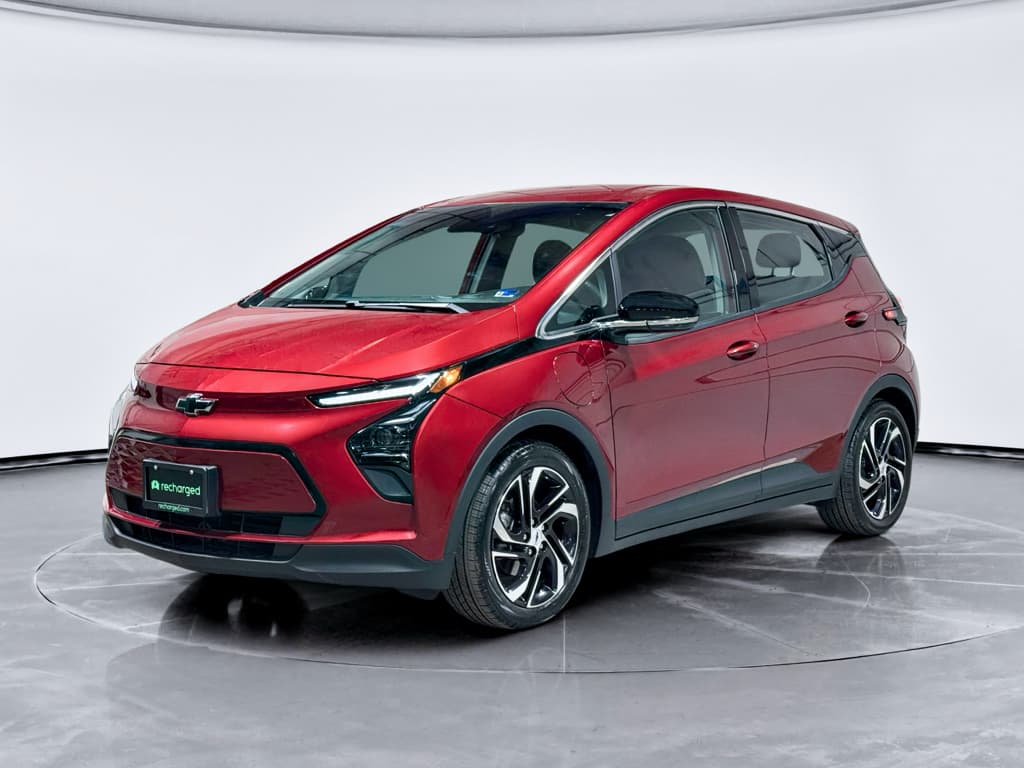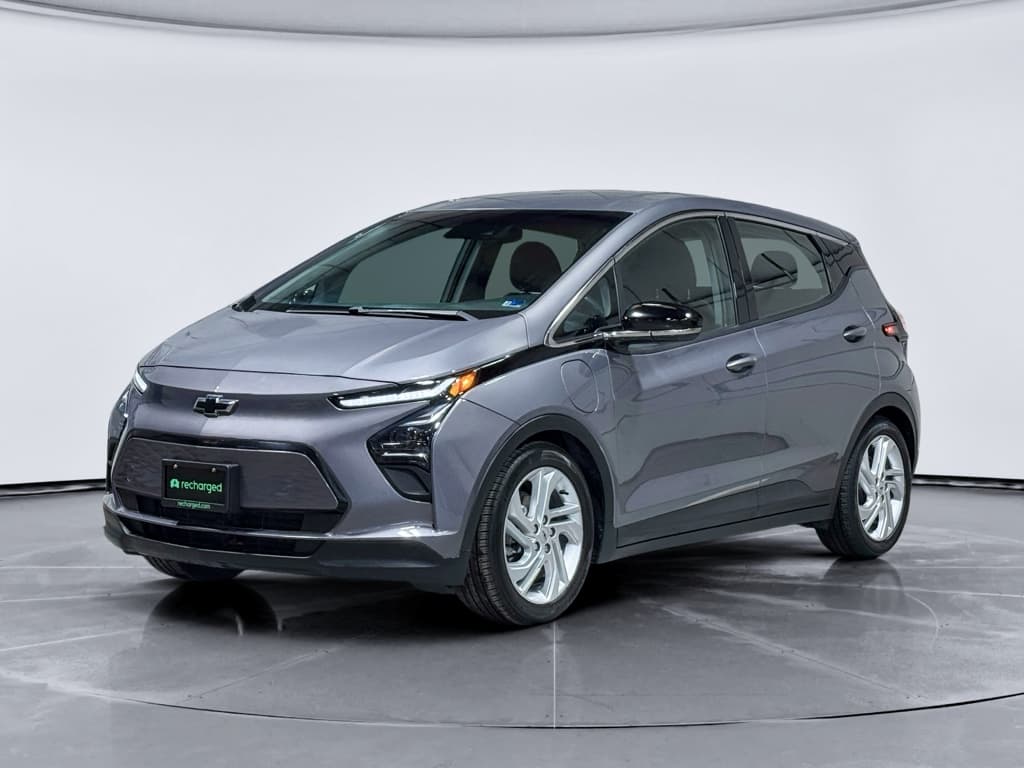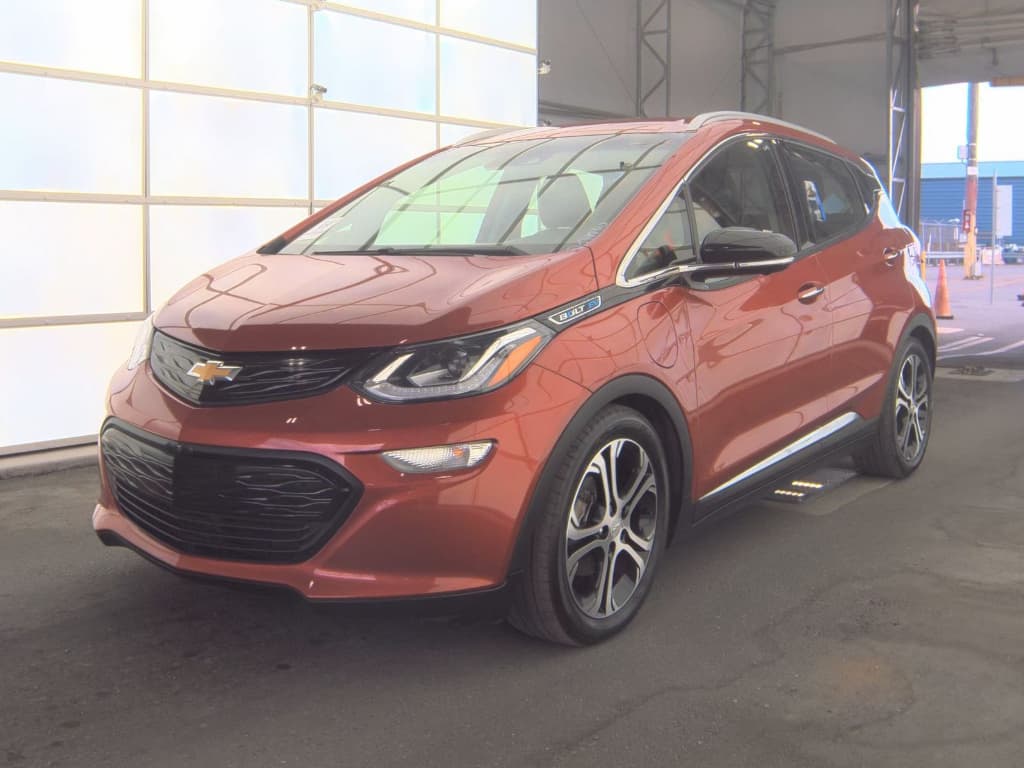
If you’re shopping the used EV market, the question naturally comes up: is a 2020 Chevrolet Bolt EV a good buy in 2026? The short answer is that it can be one of the best value electric cars on the road, if you understand its battery recall history, check the right things, and pay the right price.
Key facts about the 2020 Bolt EV
Quick take: Is the 2020 Chevrolet Bolt EV a good buy?
Why the 2020 Bolt EV is appealing
- Excellent range for the money: about 259 EPA miles, often over 200 miles in real‑world highway use.
- Strong value on the used market: many 2020 cars now priced in the mid‑teens, well below comparable‑range EVs.
- Compact outside, roomy inside: easy to park, hatchback practicality, and good visibility.
- Often new or newer battery: many 2020 Bolts have had packs replaced under GM’s battery recall, effectively giving you a fresher high‑voltage battery.
Why you should be cautious
- Complex battery recall history: you must verify recall status and whether the pack was replaced or just re‑programmed.
- Fast‑charging isn’t the quickest: DC fast charging rates are modest compared with newer EVs, fine for occasional trips, not ideal for frequent road‑warriors.
- Interior feels dated: solid and functional but not as modern as newer EVs or crossovers.
- Ride and noise: more like an economy hatchback than a premium EV; some road noise and a firm ride on rough pavement.
Bottom line
Ready to find your next EV?
Browse VehiclesWhat changed for the 2020 Bolt EV versus earlier years
The 2020 model year is a turning point for the Bolt EV. It’s still the same basic front‑wheel‑drive five‑door hatchback introduced for 2017, but there are two changes that matter to a used buyer.
- Bigger battery: For 2020, Chevy increased usable battery capacity to about 66 kWh, up from roughly 60 kWh in 2017–2019. That pushed EPA range from 238 miles to about 259 miles without changing the physical size of the pack.
- Minor feature and trim updates: Small changes to upholstery, paint colors, and available options, but no wholesale interior redesign, the big cosmetic update came later with the 2022 refresh.
Why 2020 is often the sweet spot
Used 2020 Bolt EV pricing, depreciation, and value
Used‑EV prices move quickly, but by late 2025 and early 2026, market data show the 2020 Bolt EV settling into a clear value band. It’s no longer the shiny new thing, but that’s exactly what makes it interesting for budget‑minded EV shoppers.
2020 Bolt EV by the numbers (late 2025–early 2026, U.S.)
Why depreciation works in your favor
At Recharged, we regularly see 2019–2020 Bolt EVs slot into that “sweet spot” of price versus remaining life. If you find a clean 2020 with a solid battery report and no accident history around the mid‑teens, you’re generally looking at strong value. Extremely cheap examples, especially below $10,000, often come with stories: salvage titles, heavy mileage, or unresolved recall and battery issues.
Real-world range, charging, and daily living
On paper, the 2020 Bolt EV’s 259‑mile EPA estimate is impressive. In the real world, most owners see a comfortable 200–230 miles of mixed driving on a full charge, depending on climate, speed, and terrain. Even if you factor in some degradation over time, that’s still more than enough for the average American commute.
What to expect living with a 2020 Bolt EV
Strong everyday performance, modest road‑trip capability
Daily commuting
For most drivers doing 30–60 miles a day, the 2020 Bolt EV is a non‑event, you’ll rarely see the battery below 50% if you charge at home.
Think of it like a smartphone: plug in most nights, wake up full.
Home charging
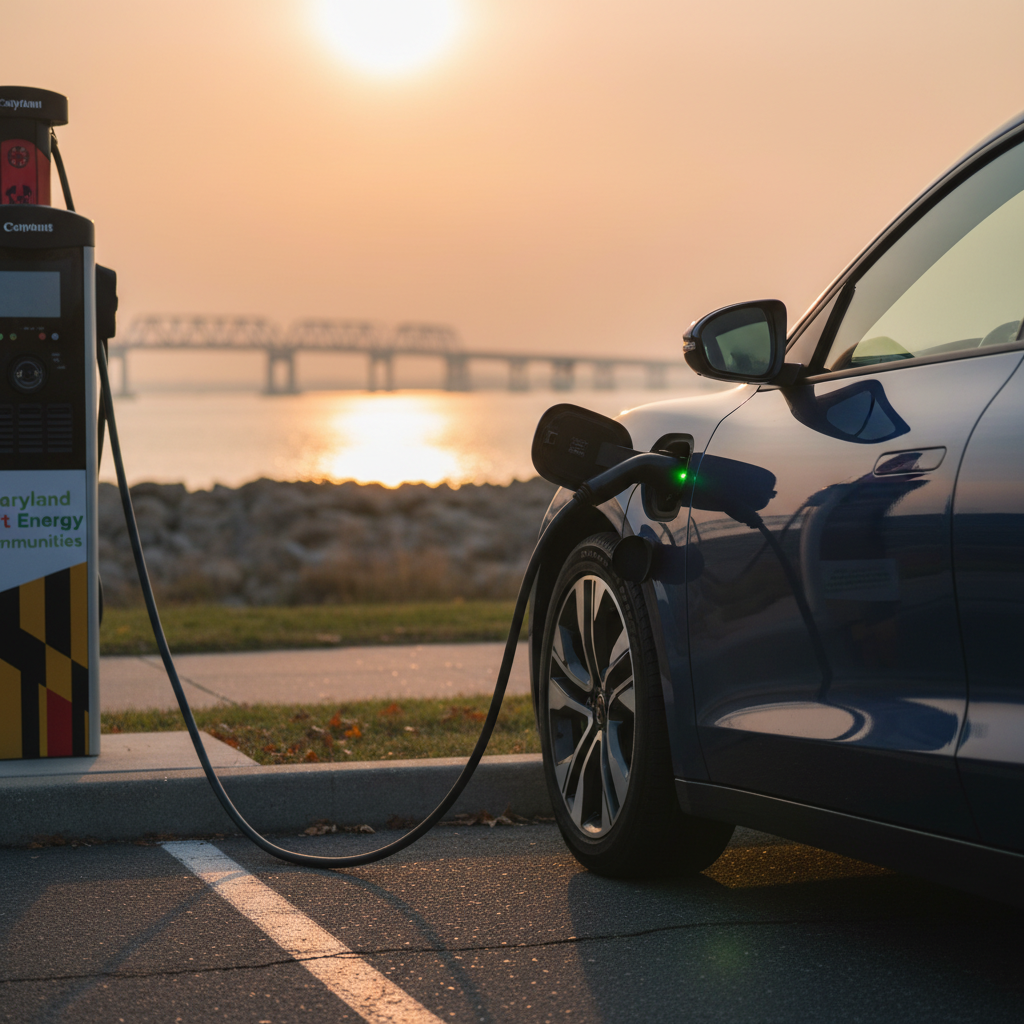
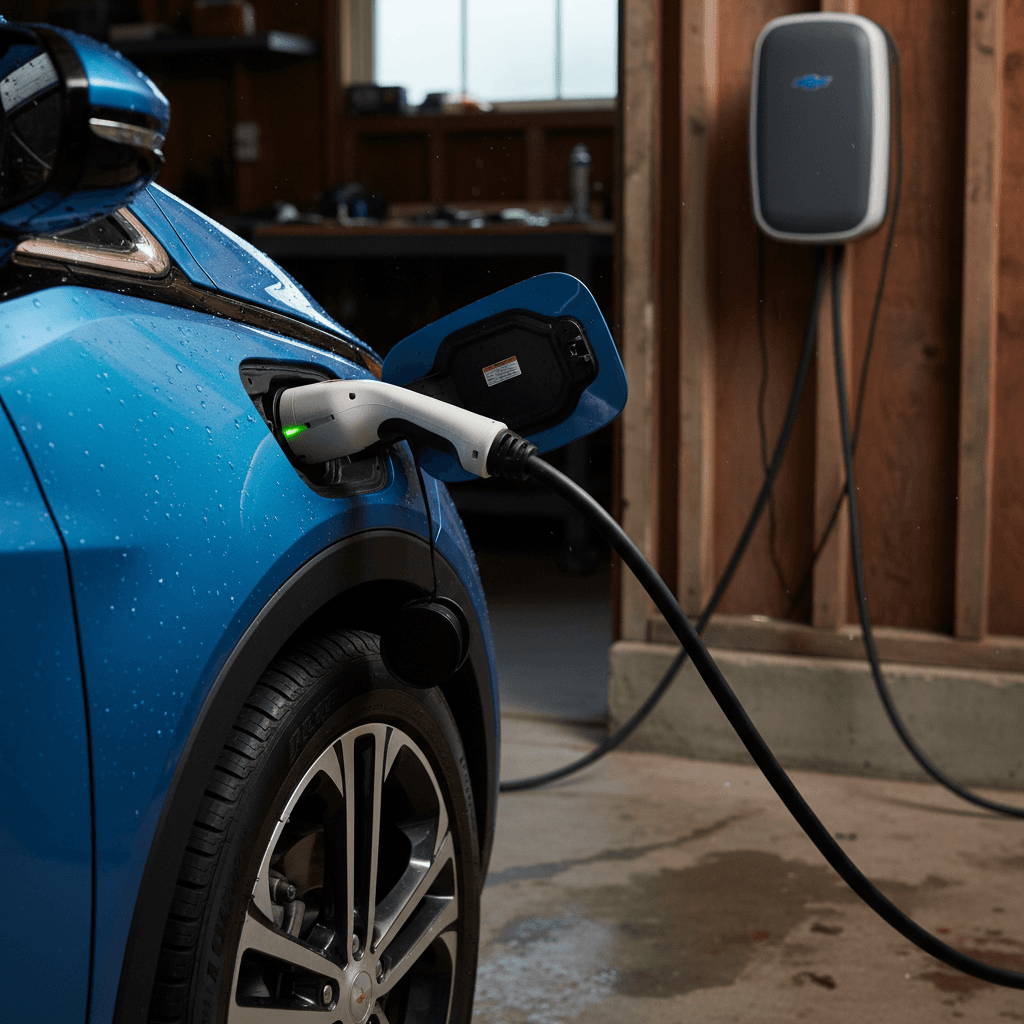
The Bolt supports Level 2 (240V) charging up to about 7.2 kW. With a 40‑amp home charger, you can add roughly 25–30 miles of range per hour.
If you’re in a house or garage, a home Level 2 unit is the ideal pairing.
Fast charging
On DC fast chargers, the 2020 Bolt EV peaks around 50 kW. That’s adequate for occasional road trips but noticeably slower than many newer EVs that charge at 100–150 kW or more.
Plan your long‑distance stops with realistic expectations.
Range and climate
Battery recall, replacements, and remaining warranty
You can’t answer whether the 2020 Chevrolet Bolt EV is a good buy without tackling its high‑voltage battery recall. GM recalled every model‑year Bolt EV, including 2020s, to address a rare but serious battery‑fire risk. Some cars received a full battery replacement, while others initially got software that limited the state of charge before packs were ultimately replaced.
What the recall means for you
- Many 2020 Bolts now have new packs: A replaced pack often has 0 miles of use when installed, effectively resetting battery age.
- Some cars are still in limbo: A few may have only interim software updates or be awaiting parts at dealers.
- Paperwork matters: You want documentation showing recall work completed and whether the pack itself was replaced.
Remaining battery warranty
- Chevy’s original battery warranty is typically 8 years/100,000 miles (U.S.) from the in‑service date.
- On a 2020 Bolt EV first sold in 2020, coverage generally runs into 2028, though high mileage can end it earlier.
- If the pack was replaced, ask when; that replacement may carry its own warranty terms from the installation date.
How Recharged handles Bolt battery history
Battery and recall checks before you buy
1. Run the VIN through GM’s recall site
Enter the VIN on GM’s official recall lookup to confirm whether all Bolt battery‑related recalls have been completed. If they haven’t, get a written commitment that they will be done at no cost.
2. Ask specifically about pack replacement
Don’t accept a vague “the recall was done.” Ask: <strong>Did this car receive a full battery pack replacement, or just software updates?</strong> Ask to see service invoices that show part numbers.
3. Request a recent battery health report
Tools like GM’s diagnostics or third‑party scans can show usable capacity and cell balance. At Recharged, this data feeds directly into our Recharged Score so you can compare cars objectively.
4. Confirm charge limits are normal
Early recall steps sometimes limited charging to 80%. Make sure the current software allows normal 100% charging, unless you consciously choose to cap it for longevity.
5. Clarify remaining warranty coverage
Have the seller or dealer print a warranty status report. Note the original in‑service date and current mileage so you know how much high‑voltage coverage is left.
Reliability track record and known issues
Apart from the headline‑grabbing battery recall, the 2020 Bolt EV has generally proven to be a mechanically simple and durable car. There’s no traditional transmission, no oil changes, and relatively few moving parts compared with a gasoline vehicle. Still, there are patterns used‑EV shoppers should know.
Common 2020 Bolt EV issues to watch for
Most are manageable if you know what to look for
Battery‑related warnings or derating
Even after recall work, some owners have reported battery error messages or reduced power modes that required additional module replacements or diagnostics.
On a test drive, watch for warning lights, propulsion messages, or sudden loss of power and walk away from any car with unresolved faults.
DC fast‑charge quirks
Some Bolts taper charging speed earlier than expected, especially if software is still using conservative limits after recall campaigns.
A quick fast‑charge session during your inspection can reveal whether the car behaves as expected.
Cosmetic wear and trim rattles
Remember that the Bolt started life as a relatively affordable compact hatch. Expect some interior plastics to squeak and exterior trim to show age sooner than in a luxury EV.
Tires, suspension, and alignment
Instant EV torque is hard on front tires, and potholes can knock the Bolt’s alignment out of spec.
Uneven tire wear, steering pull, or clunks over bumps warrant a closer look or pre‑purchase inspection.
Red flags, walk away from these
How the 2020 Bolt EV compares with other used EVs
If you’re cross‑shopping, it helps to see where the 2020 Bolt EV lands versus other affordable used EVs. The big story is that it offers more range per dollar than most direct rivals, with the caveat of its recall history and modest fast‑charging speeds.
2020 Bolt EV vs other popular used EV options (late 2025–early 2026)
Approximate U.S. market conditions; actual prices vary by region, mileage, and condition.
| Model / years | Typical used price | EPA range | Key pros | Key cons |
|---|---|---|---|---|
| Chevrolet Bolt EV (2019–2021) | $13k–$17k | 238–259 mi | Great range per dollar, hatchback practicality, often fresh battery after recall. | Battery‑recall stigma, modest DC fast‑charge speed, economy‑car ride and noise. |
| Nissan Leaf (2018–2020, 40 kWh) | $9k–$13k | 150 mi | Lower prices, abundant supply, simple to drive. | Much shorter range; early cars more prone to degradation in hot climates. |
| Hyundai Kona Electric (2019–2021) | $17k–$23k | 258 mi | Similar range to Bolt, efficient, more crossover‑like feel. | Used prices often higher; availability may be limited in some regions. |
| Kia Niro EV (2019–2021) | $18k–$24k | 239 mi | Versatile crossover body style, comfortable ride. | Generally costs more than a comparable‑year Bolt EV for similar range. |
The Bolt EV typically leads on range for the money among compact used EVs, especially in the 2019–2021 model years.
Where the 2020 Bolt EV shines
Pre-purchase checklist for a 2020 Bolt EV
A smart used‑EV purchase is all about details. Here’s a step‑by‑step checklist you can bring to any 2020 Bolt EV you’re considering, whether it’s on a big marketplace, at a local dealer, or listed on Recharged.
Hands‑on checklist for evaluating a 2020 Bolt EV
1. Confirm recall and battery status
Use the VIN to check GM’s recall site, then review service records. Look for clear notation of a <strong>battery pack replacement</strong> and dates/mileage of the work.
2. Review the title and history report
Run a vehicle‑history report to spot prior accidents, flood damage, or lemon‑buyback branding. A clean title with consistent mileage entries is highly preferred.
3. Inspect tires, brakes, and suspension
Check for uneven tire wear, excessive rust on brake hardware, and clunks over bumps. EVs use regenerative braking, so pads often last a long time, but physical inspection still matters.
4. Test Level 2 and, if possible, DC fast charging
Plug into a Level 2 charger to ensure normal charging. If you can, do a short DC fast‑charge session to confirm the car accepts a proper rate and doesn’t cut off unexpectedly.
5. Check interior electronics and driver aids
Verify the infotainment system, backup camera, Bluetooth, and steering‑wheel controls. If equipped, test features like lane‑keep assist and forward‑collision warning.
6. Take a thorough test drive
Drive at city and highway speeds. Listen for wind and road noise, feel for steering pull, and note how the car accelerates. The Bolt should feel quick and easy to place in traffic.
7. Request a battery health evaluation
Ask the seller for recent battery‑health metrics. On Recharged, this is summarized for you in the <strong>Recharged Score</strong>, so you can compare one 2020 Bolt against another at a glance.
When a 2020 Chevrolet Bolt EV is a smart buy, and when to walk away
Great reasons to buy a 2020 Bolt EV
- You want a commuter or second car with low running costs and strong range.
- You can install or already have access to Level 2 charging at home or work.
- You value efficiency and practicality over luxury finishes.
- The specific car you’re considering has documented recall completion and healthy battery metrics.
- The price reflects mileage, condition, and battery status, often in the mid‑teens for a clean example.
Situations where you should hesitate
- You plan to take frequent long road trips and need very fast DC charging. In that case, a newer EV with 100+ kW charging may suit you better.
- The car has a salvage or lemon‑buyback title, or a history of repeated battery pack replacements with unresolved warnings.
- You live in an apartment with no reliable charging access and limited public infrastructure in your area.
- The seller can’t produce documentation for recall work or battery replacement.
How Recharged can simplify the decision
So, is the 2020 Chevrolet Bolt EV a good buy? For many drivers, the answer is yes, sometimes emphatically so. It offers genuinely useful range, low operating costs, and deeply discounted used pricing because someone else already absorbed the early‑EV depreciation and recall headaches. If you focus on cars with clear battery‑recall documentation, strong health reports, and fair pricing, a 2020 Bolt EV can be one of the smartest EV purchases you make this decade.