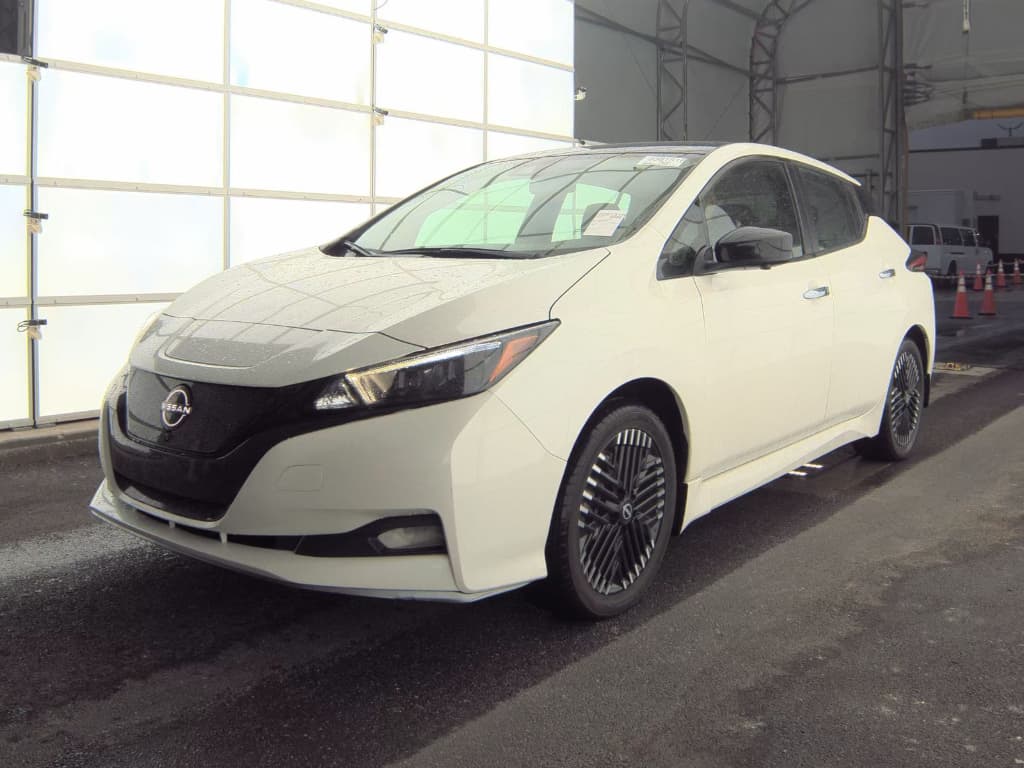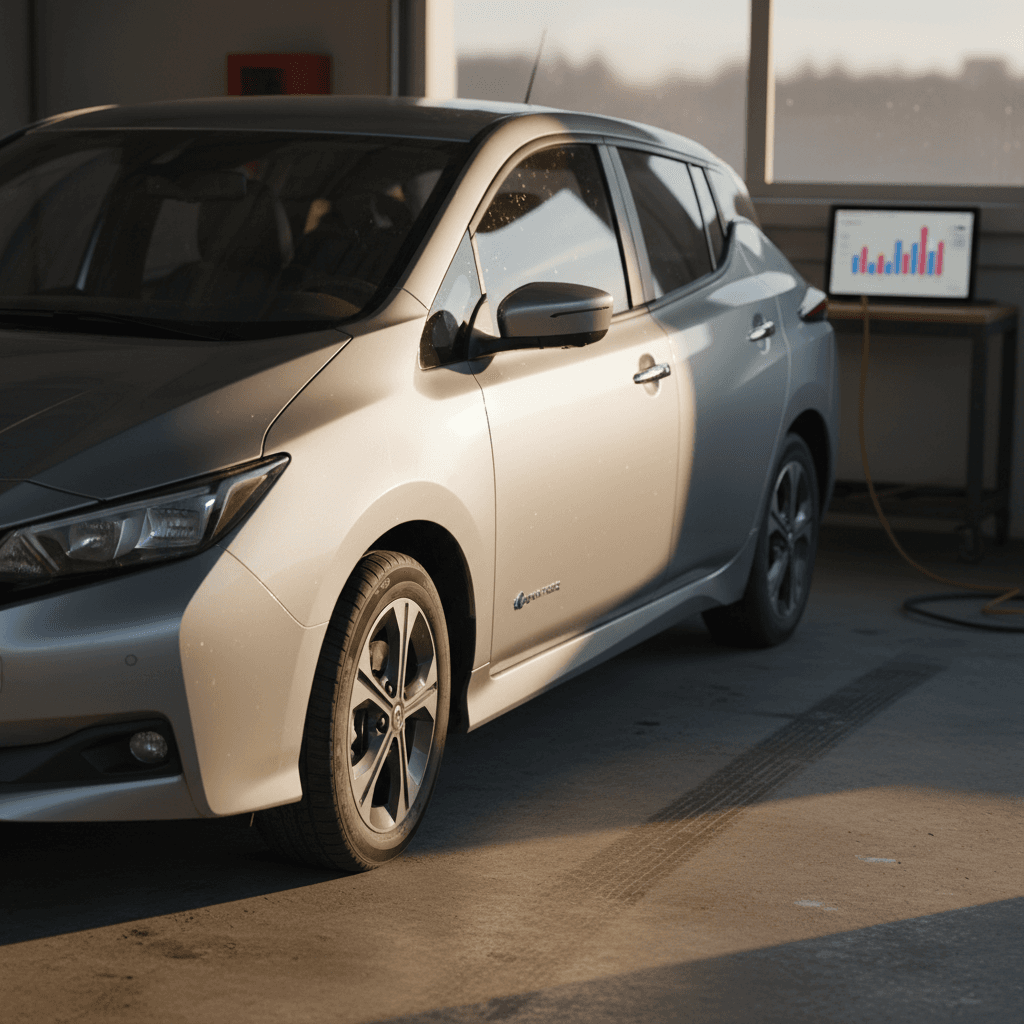
If you’re looking at a used EV, the 2021 Nissan Leaf’s reliability is probably high on your list of questions. It’s one of the most affordable used electric cars on the market in 2026, but long‑term battery health, recalls, and charging limitations can make or break whether it fits your life.
Quick reliability snapshot
2021 Nissan Leaf reliability at a glance
2021 Leaf reliability by the numbers
From a traditional reliability standpoint, things like electric drivetrain, electronics, and build quality, the 2021 Leaf performs well. Owners report relatively few breakdowns or stranded‑on‑the‑road events. Where things get more nuanced is with battery life and charging‑related recalls, which directly affect how useful the car is, even if it doesn’t technically “break.”
How the 2021 Leaf has aged by 2026
What the Leaf gets right
- Simple powertrain: No turbo, no multi‑speed transmission, and a relatively conservative motor tune mean fewer moving parts to fail.
- Solid city commuter: For short to moderate commutes, even a mildly degraded pack still delivers workable range.
- Low routine maintenance: No oil changes and relatively light brake wear thanks to regenerative braking.
Where aging shows up
- Battery degradation: Especially on the smaller 40 kWh pack or cars fast‑charged heavily.
- Thermal management limitations: The Leaf still lacks active liquid cooling, which can accelerate wear under hot‑climate or high‑speed use.
- Charging ecosystem: CHAdeMO fast‑charging has become a dead‑end standard in North America, limiting road‑trip practicality.
Key context for 2026 shoppers
Battery health: the real reliability story
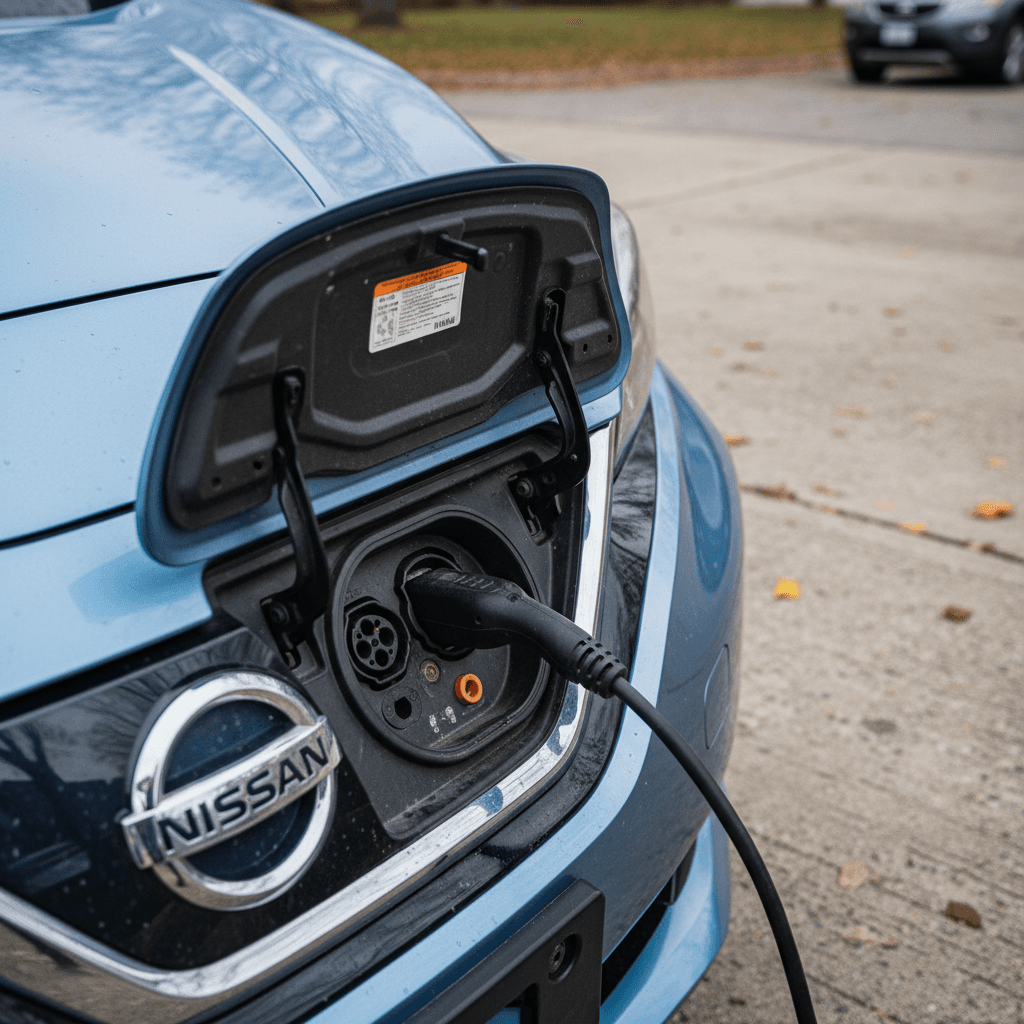
Ask any Leaf owner: battery condition is the single most important factor in how “reliable” the car feels day to day. A Leaf that always starts but has lost 30–40% of its range may be mechanically reliable but functionally no longer meets your needs.
40 kWh vs. 62 kWh (Leaf Plus) packs
- Most 2021 Leafs came with either a 40 kWh pack (shorter‑range models) or a 62 kWh pack in the Leaf Plus trims.
- The larger 62 kWh pack not only starts with more range, it also tends to feel less “worn” because you’re usually not cycling it as deeply for the same daily commute.
- Both packs still rely on air cooling rather than liquid thermal management, which is fine for gentle commuting but less ideal for repeated DC fast charging or sustained highway use in hot climates.
Real‑world degradation patterns
- Light‑use cars (mild climates, mostly Level 2 charging, shorter commutes) commonly show modest degradation, perhaps one lost capacity “bar,” with day‑to‑day use largely unchanged.
- Hard‑use cars (hotter climates, frequent DC fast charging, lots of highway miles) can show more noticeable range loss, especially on the 40 kWh pack.
- A smaller but vocal group reports early battery failures or module issues around 60–80k miles, particularly on later “Gen 2” packs. In those cases the pack is often replaced under the 8‑year/100,000‑mile warranty, but downtime and uncertainty are real pain points.
Quick way to sanity‑check degradation
Thermal management and fast‑charging stress
- Heat is the enemy: Regularly parking outside in hot sun, or fast‑charging on back‑to‑back road‑trip legs in summer, tends to accelerate degradation.
- “Rapid‑gate” behavior: The car may dramatically slow DC charging speeds on a second or third fast‑charge in a day, protecting the pack but making road‑tripping frustrating.
Known issues and recalls for the 2021 Leaf
When you’re evaluating reliability, you can’t ignore recalls, especially for anything related to propulsion or charging. As of early 2026, the 2021 Leaf has a few important campaigns on the books that prospective buyers should know about.
Major recalls affecting the 2021 Nissan Leaf
Always run the VIN on the official NHTSA site or with a Nissan dealer to confirm open recalls before you buy.
| Issue | Model years affected | What happens | Impact on daily use |
|---|---|---|---|
| DC fast‑charging battery overheat risk | 2021–2022 Leafs with Level 3 (CHAdeMO) port | Under certain conditions the lithium‑ion pack can overheat during DC fast charging, creating a fire risk. Owners have been advised not to use Level 3 chargers until a software remedy is applied. | Severely limits road‑trip practicality until the fix is installed. For some owners, the “temporary” DC‑fast‑charging restriction has dragged on. |
| Unintended acceleration / propulsion control | Certain 2018–2023 Leafs (including some 2021s) | Under specific fault conditions the car may not behave as intended when the accelerator is pressed or released, prompting a safety recall for control‑software updates. | Typically resolved once dealer software update is applied; most owners never experience the fault in normal driving. |
| Misc. software / infotainment updates | Various | Updates for telematics, driver‑assist functions, and range/charging displays. | Generally minor; good to have but not core to mechanical reliability. |
Recall campaigns evolve over time; confirm status for any specific car you’re considering.
Don’t ignore DC fast‑charging recalls
Owner reviews and real‑world experience
High‑level reliability scores only tell part of the story. To understand 2021 Nissan Leaf reliability, it’s worth listening to how owners actually live with these cars five years in.
What 2021 Leaf owners are saying
Themes that show up over and over in owner reviews and forums
Generally satisfied owners
Range anxiety as packs age
Service & warranty friction
“The Leaf itself has been solid. No breakdowns, just tires and cabin filters. But when my battery started acting up around 70k miles, getting Nissan to approve a replacement was a month‑long saga.”
How to interpret anecdotal horror stories
Running costs, maintenance and warranty coverage
One reason the 2021 Leaf remains popular on the used market is its low day‑to‑day cost of ownership. Even if you factor in some battery risk, many owners come out ahead compared with a similarly‑priced gasoline compact.
- Maintenance: No oil changes, timing belts, or exhaust systems. Routine maintenance is mainly cabin filters, brake fluid, coolant service for the inverter, tires, and the 12‑volt battery.
- Brakes: Regenerative braking means pads and rotors often last much longer than on gas cars, especially in city driving.
- Electricity vs. gas: A Leaf driven 10,000–12,000 miles per year can save hundreds of dollars annually in fuel, depending on your local electricity and gasoline prices.
- Insurance: Typically similar to other compact hatchbacks, though rates vary by region and driver profile.
- Battery and EV system warranty: The original 8‑year/100,000‑mile EV system and capacity coverage is still active on many 2021 Leafs as of 2026, which can blunt the financial impact of a failing pack, but not the inconvenience.
Why warranty status matters so much
Is a used 2021 Nissan Leaf a good buy?
The honest answer is: it depends what you need from an EV. The 2021 Leaf can be a fantastic value if you’re realistic about its strengths and limitations.
Great choice if…
- You want an affordable second car for commuting, errands, or school runs.
- Your typical round‑trip mileage is well under the car’s degraded real‑world range, even in winter.
- You can charge at home or work and rarely need DC fast charging.
- You’re buying a car with verified strong battery health and significant warranty remaining.
Think twice if…
- You need a primary road‑trip vehicle and rely on fast charging along the way.
- You live in a very hot region and park outside all day, which is harder on an air‑cooled pack.
- Most affordable cars you’re seeing already show heavy degradation (low capacity bars).
- You’re comparing it to newer, liquid‑cooled EVs in a similar price range that support the NACS or CCS fast‑charge standards.
How the Leaf compares to other used EVs
Checklist: what to check on a used 2021 Leaf
Pre‑purchase reliability checklist for a 2021 Leaf
1. Verify remaining battery warranty
Ask for the in‑service date and odometer reading. The EV battery is covered for 8 years/100,000 miles from first sale. A 2021 Leaf first sold in late 2020 will age out earlier than one sold in mid‑2022.
2. Inspect battery capacity bars
Turn the car on and look at the vertical capacity bars to the right of the state‑of‑charge gauge. Ideally you still see 11–12 bars. Anything at 9 bars or lower deserves a professional battery health test.
3. Review DC fast‑charging history
If the car has a quick‑charge port, ask how often it was DC fast‑charged and in what conditions. Heavy fast‑charging in hot weather is harder on the pack. Also confirm whether current recalls restrict Level 3 charging.
4. Run a detailed battery health scan
Use a professional diagnostic tool (or buy from a seller that already has a report) to check state‑of‑health, weak cells, and error codes. This is where a <strong>Recharged Score</strong> report is especially valuable.
5. Check for open recalls and completed repairs
Use the VIN to pull up open recalls on NHTSA’s website or through a Nissan dealer. Confirm that any safety or battery‑related campaigns have been completed, and ask for paperwork.
6. Road‑test for range and behavior
On a longer test drive that includes hills or highway speeds, watch for sudden percentage drops, reduced power warnings, or odd EV‑system messages. A car that behaves strangely under load may be on the path to a warranty claim.
7. Evaluate charging equipment and ports
Check the charge ports and covers for damage or corrosion. Make sure the included charging cable works on a standard household or Level 2 outlet before you finalize the purchase.
8. Consider your daily range margin
Look at your real daily driving and build in a buffer. If you routinely need 80 miles in bad weather, don’t buy a Leaf that can only reliably deliver 90 miles at its current health, you’ll feel “range stress” constantly.
How Recharged evaluates 2021 Leafs
Because battery health and recall status matter so much more on a Leaf than, say, a conventional compact car, Recharged bakes that complexity into every used 2021 Leaf we list.
What you get with a Recharged 2021 Leaf
Transparency around the very things that typically worry used‑Leaf shoppers
Verified battery diagnostics
Recall and software status
Specialist EV guidance
Ready to find your next EV?
Browse VehiclesYou can browse used Leafs and other EVs fully online, get financing, an instant offer or consignment option for your trade‑in, and arrange nationwide delivery. If you’d rather touch and drive before committing, you can also visit our Experience Center in Richmond, VA.
2021 Nissan Leaf reliability FAQ
Frequently asked questions about 2021 Leaf reliability
If you treat the 2021 Nissan Leaf’s battery and charging system as the core of its reliability story, instead of focusing only on traditional mechanical concerns, it becomes a much more predictable used‑EV purchase. For the right driver, it can still be one of the best values in the market. The key is going in with eyes open, armed with real battery data, and ideally working with a seller that’s already done the homework for you.