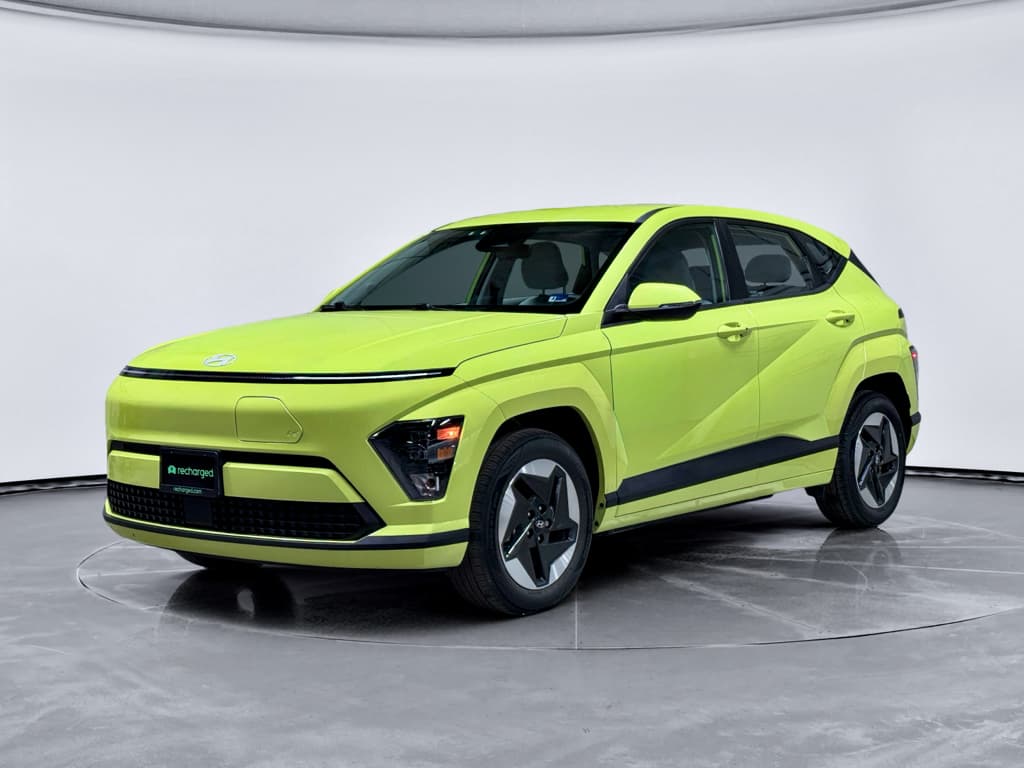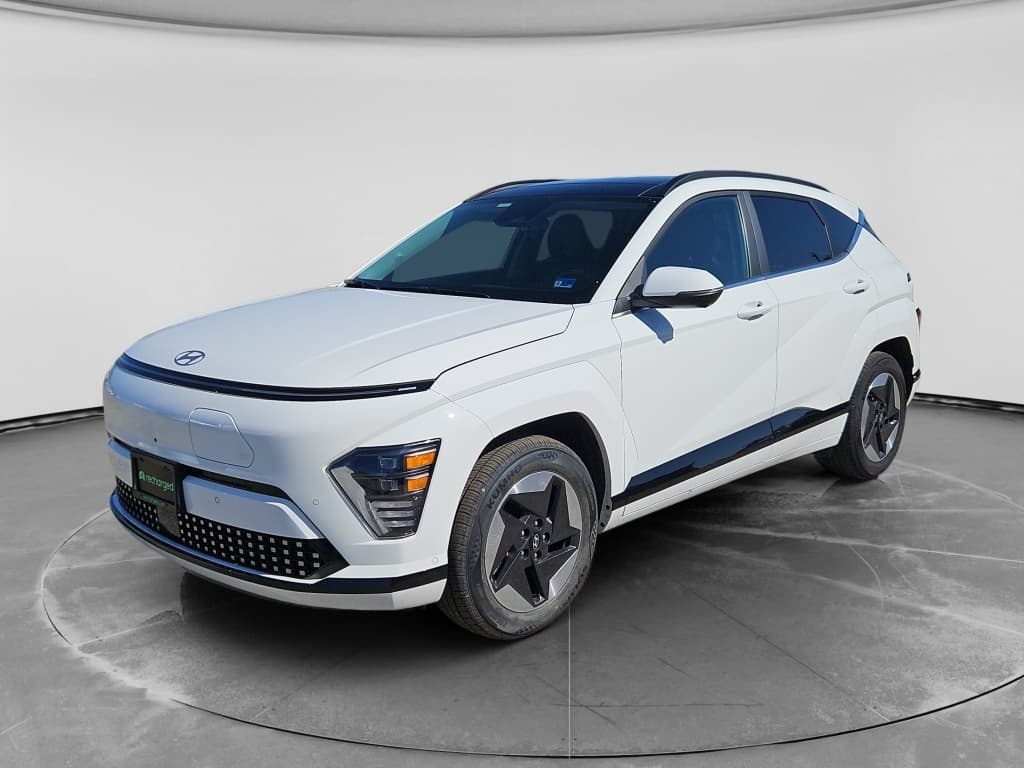
If you’re looking at a **2021 Hyundai Kona Electric**, you’re probably trying to answer one big question: *Is it actually reliable, especially now that it’s a few years old?* The short answer is that the 2021 Kona Electric is generally a solid, efficient small EV with strong battery protection from Hyundai, but there are a few specific issues and recalls you’ll want to understand before you buy one used.
Quick reliability snapshot
Overview: How reliable is the 2021 Kona Electric?
From a reliability standpoint, think of the 2021 Kona Electric as a **mature early‑generation EV**. By 2021 Hyundai had already had a few years to refine the Kona Electric (which launched globally in 2018), and many of the “infant problems” that show up on first‑year models had been addressed through running production changes and software updates.
2021 Kona Electric reliability at a glance
Strengths, weaknesses, and what they mean for a used buyer
Where the Kona Electric shines
- Powertrain durability: Single‑speed reduction gear and electric motor have far fewer failure points than a gas engine.
- Battery warranty coverage: Hyundai’s long high‑voltage warranty gives extra peace of mind for used buyers.
- Simple maintenance: No oil changes, timing belts, or complex AWD systems on U.S. models.
- City‑friendly package: Easy to park, yet with decent cargo space, making it a practical daily driver.
Where to be cautious
- Battery recall history: Earlier model years had high‑profile battery fire recalls; 2021s are less affected but still worth checking.
- Infotainment bugs: Occasional screen freezes or CarPlay issues reported by owners.
- Tire and brake wear: Instant torque plus a relatively heavy EV can mean faster wear if driven hard.
- Limited dealer EV experience: Some Hyundai dealers are still learning EV diagnostics and repairs.
2021 Kona Electric ownership snapshot
Battery life and range over time
For any used EV, **battery health** is the single most important factor in long‑term reliability, and the 2021 Hyundai Kona Electric is no exception. When new, its 64 kWh pack delivered an EPA‑rated range around 258 miles. In the real world, many owners see between 220 and 260 miles per full charge depending on weather, tire choice, and driving style.
Normal vs. concerning battery degradation
What usually helps Kona Electric battery life
- Lithium‑ion chemistry tuned more for longevity than extreme fast‑charge speeds.
- Liquid cooling that manages pack temperature in hot and cold weather.
- Conservative software buffers that keep you from using 100% of the pack’s true capacity.
- Hyundai’s long battery warranty, which encourages careful pack design and monitoring.
What can shorten range over time
- Frequent DC fast charging to 100% instead of stopping around 80–90%.
- Leaving the car fully charged for days, especially in hot climates.
- Consistently driving at high speeds or with heavy loads.
- Poor tire pressure maintenance, which can hurt efficiency and effective range.
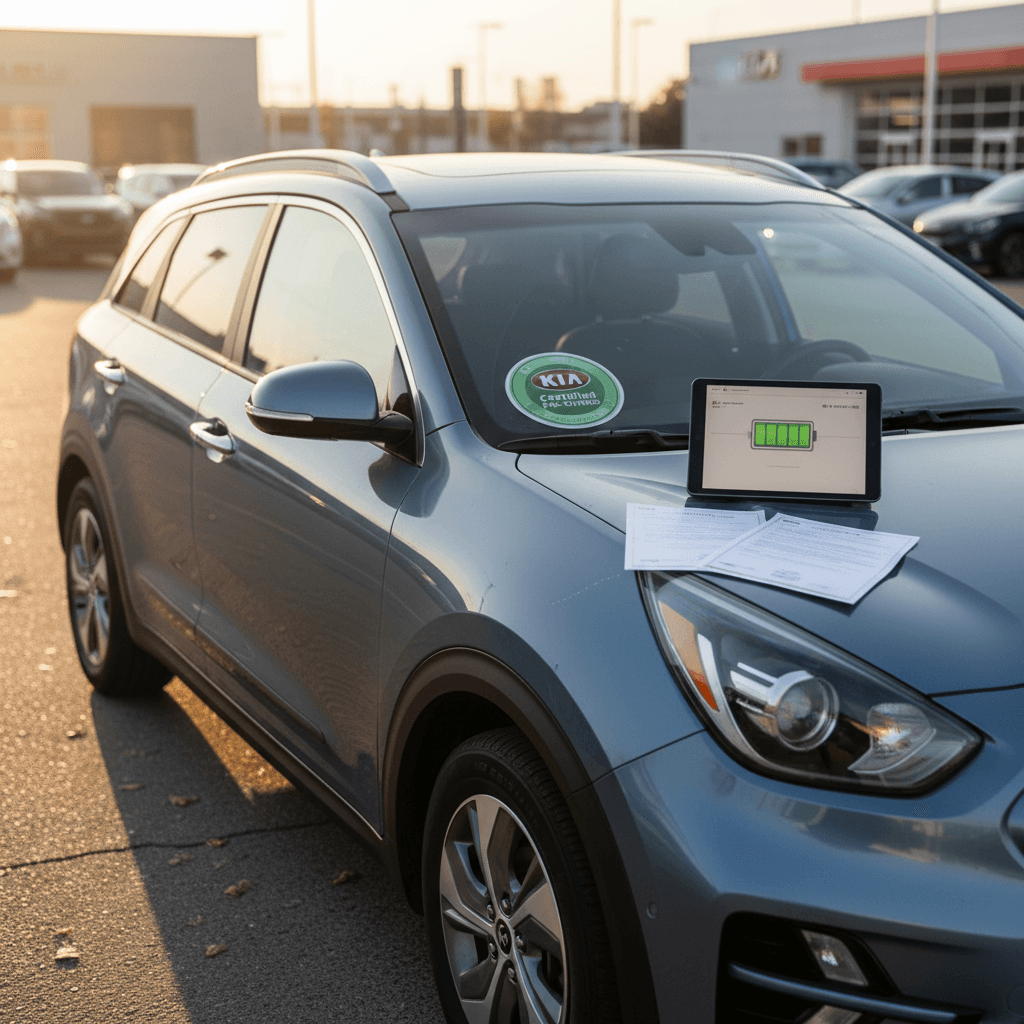
How Recharged measures battery health
Common issues 2021 Kona Electric owners report
No used vehicle is problem‑free, and the 2021 Hyundai Kona Electric has its share of quirks. The key is separating **annoyances** from **true reliability risks**, and knowing which problems are common enough that you should check for them on any used example you’re considering.
Typical 2021 Kona Electric issues and how serious they are
Use this table as a checklist when you test‑drive or inspect a used Kona Electric.
| Issue | Symptoms | How serious? | What to do when buying used |
|---|---|---|---|
| Infotainment glitches | Frozen screen, slow response, CarPlay/Android Auto disconnects | Annoying, usually not dangerous | Check every function on the test drive; ask if software updates have been done. |
| Charge‑port door or latch issues | Door not closing cleanly, difficulty when plugging in | Minor, but inconvenient | Inspect charge door, hinge, and rubber seals for damage or misalignment. |
| Tire wear | Uneven wear, noise, or vibration at speed | Moderate, affects safety and cost | Look for even tread depth on all four tires; budget for replacements if near the end of life. |
| Brake noise or surface rust | Grinding or squealing after sitting, light rust on rotors | Usually minor on an EV | Confirm that noise goes away after a few stops; regular use keeps EV brakes cleaner. |
| 12‑volt battery weakness | Random warning lights, intermittent starting/boot‑up issues | Low–moderate; can strand you | Ask if the 12‑volt battery has been replaced; test voltage or have it checked. |
| DC fast‑charging complaints | Slower‑than‑expected charging speeds, charge session interruptions | Depends; could be station‑related | Test at a reliable DC fast charger if possible and compare to expected curves. |
Not every car will have these problems, but they’re the ones most frequently discussed by owners and EV shops.
Watch for unresolved warning lights
Recalls, software updates, and earlier fire issues
Hyundai’s early Kona Electric models were involved in high‑profile **battery fire recalls** tied to certain cells supplied by LG Energy Solution. Many packs were inspected or replaced, and software updates changed how the battery management system monitors for faults. By the 2021 model year, some of the worst issues had been addressed at the factory level, but it’s still important to verify recall status on any individual car.
How to check a 2021 Kona Electric for open recalls
1. Get the full VIN
Ask the seller or dealer for the complete 17‑character VIN. You’ll need this to look up official recall and service campaign history.
2. Use official recall lookup tools
In the U.S., you can enter the VIN on the NHTSA recall site or Hyundai’s own owner portal to see any **open** recalls or campaigns.
3. Ask specifically about battery recalls
Confirm whether **battery‑related recalls or service campaigns** were completed, and request paperwork showing what was done and when.
4. Check for software update records
Many EV issues are addressed via software. Ask for documentation of infotainment and powertrain control module updates, if available.
5. Confirm repair location
Major battery work should be done at a Hyundai dealer certified for EV service. That matters for warranty coverage and future support.
Don’t skip the battery recall history
Running costs, maintenance, and warranty coverage
One of the main reasons shoppers gravitate to the 2021 Hyundai Kona Electric is its **low running cost** compared to a gas‑powered subcompact crossover. There’s no engine oil, no spark plugs, no multi‑gear transmission, and fewer fluids to worry about. Instead, you’re mainly managing tires, brakes, cabin air filters, and occasional inspections.
Typical 2021 Kona Electric ownership costs
Typical 2021 Hyundai Kona Electric warranty coverage (U.S.)
Always verify exact coverage for your vehicle, but this is what most 2021 Kona Electric buyers will see from new.
| Coverage type | Typical length | What it covers | Why it matters for reliability |
|---|---|---|---|
| Basic bumper‑to‑bumper | 5 yrs / 60,000 mi (from original in‑service date) | Most non‑wear items excluding a few components | On a lightly used 2021, some of this coverage may still remain. |
| Powertrain | 10 yrs / 100,000 mi (often first owner only) | Motor, reduction gear, and related components | Still useful for original owners, but may not transfer to all second owners, verify terms. |
| High‑voltage battery | Often 10 yrs / 100,000 mi (U.S.); terms vary by state | Traction battery pack and related components | Critical protection against expensive battery failures. |
| Corrosion (perforation) | 7 yrs / unlimited miles (typical) | Rust‑through on body panels | Less of a concern on newer vehicles, but nice to have long‑term. |
For a used Kona Electric, you’re mostly relying on the remaining high‑voltage battery warranty and possibly some of the basic coverage if the car is low‑mileage.
Verify warranty transfer rules
How the 2021 Kona Electric compares to other used EVs
If you’re cross‑shopping, you’re probably also looking at cars like the **Chevrolet Bolt EV**, **Nissan Leaf Plus**, and possibly a used **Tesla Model 3 Standard Range**. In that crowd, the 2021 Kona Electric stands out for its blend of range, warranty coverage, and compact‑SUV practicality.
Kona Electric vs. common used EV alternatives
Reliability and ownership‑experience highlights
Kona Electric (2021)
- Pros: Strong warranty, solid range, SUV‑like seating position, generally good reliability.
- Cons: Smaller inside than it looks, earlier fire‑recall history makes paperwork checks important.
Chevrolet Bolt EV (2020–2021)
- Pros: Competitive range, fun to drive, often good used prices.
- Cons: High‑profile battery fire recalls; check that pack replacement/repairs and software updates are complete.
Nissan Leaf Plus & others
- Pros: Often more affordable; simple, proven design.
- Cons: Air‑cooled batteries can degrade faster, especially in hot climates; shorter real‑world range.
Where the Kona Electric makes a strong case
What to check when buying a used 2021 Hyundai Kona Electric
When you evaluate any used EV, you’re really assessing two things: **how the previous owner treated the car** and **how the car has aged mechanically and electronically**. Here’s a focused checklist tailored to the 2021 Kona Electric.
Pre‑purchase checklist for a 2021 Kona Electric
1. Run a full battery health assessment
Ask for a recent <strong>battery health report</strong>. If you’re buying through Recharged, that’s included in the Recharged Score. If you’re buying privately, consider an independent EV inspection that can pull deeper battery data than the dash alone.
2. Confirm recall and software update history
Use the VIN to check for open recalls and ask for documentation on completed work, especially anything related to the high‑voltage battery or battery management system.
3. Inspect the charging hardware
Examine the charge port, door, seals, and included charging cables. On the test drive, try both Level 2 AC charging and, if possible, a DC fast‑charge session to confirm normal operation.
4. Test all infotainment and driver‑assist features
Pair your phone, use navigation, switch between menus, and test systems like adaptive cruise and lane‑keeping where equipped. Glitches here are usually fixable but can be frustrating.
5. Look underneath for corrosion or damage
Because the battery pack is mounted low, you’ll want to check for underbody damage, missing aero panels, or signs the car bottomed out or was improperly lifted.
6. Review service history and usage pattern
Service records that show tire rotations, cabin filter changes, and any EV‑specific work are all pluses. Ask how often the owner DC fast‑charged and what their typical daily mileage was.
Leverage EV‑specific inspections
Who the 2021 Kona Electric is a good fit for
Reliability isn’t just about how often a vehicle breaks. It’s also about how well it fits your life so you aren’t constantly pushing its limits. The 2021 Hyundai Kona Electric works best for drivers whose daily patterns match its strengths.
Is the 2021 Kona Electric right for your life?
Best‑fit drivers
Daily commute in the 20–70 mile range, with reliable access to home or workplace charging.
Prefer a small, maneuverable vehicle with a slightly elevated seating position.
Live in a region with decent public charging coverage for the occasional longer trip.
Value low running costs and are willing to plan around range for rare long drives.
Drivers who may want something else
Regularly drive 200+ miles in a day without guaranteed charging stops.
Tow or haul heavy loads, Kona Electric isn’t designed for towing duty.
Need a roomier back seat or cargo area for a large family.
Live in an area where Hyundai EV service support is very limited.
FAQs: 2021 Hyundai Kona Electric reliability
Frequently asked questions about 2021 Kona Electric reliability
Bottom line: Should you buy a 2021 Kona Electric?
If you’re shopping for a used EV that balances **range, running costs, and everyday reliability**, the 2021 Hyundai Kona Electric deserves to be on your short list. It isn’t perfect, no vehicle is, but with its solid track record, long battery warranty, and relatively simple mechanical layout, it can be a dependable partner as long as you buy with your eyes open.
Focus on **battery health, recall history, and charging behavior**, and you’ll avoid most of the big pitfalls that can plague any used EV. Buying through a platform like Recharged can simplify this process: every vehicle includes a Recharged Score battery health report, transparent pricing, and EV‑savvy support to help you weigh a 2021 Kona Electric against other options.
Do that homework up front, and the 2021 Kona Electric can deliver exactly what you’re probably looking for: a quiet, efficient, low‑drama daily driver that saves you money at the plug and mostly stays out of the shop.