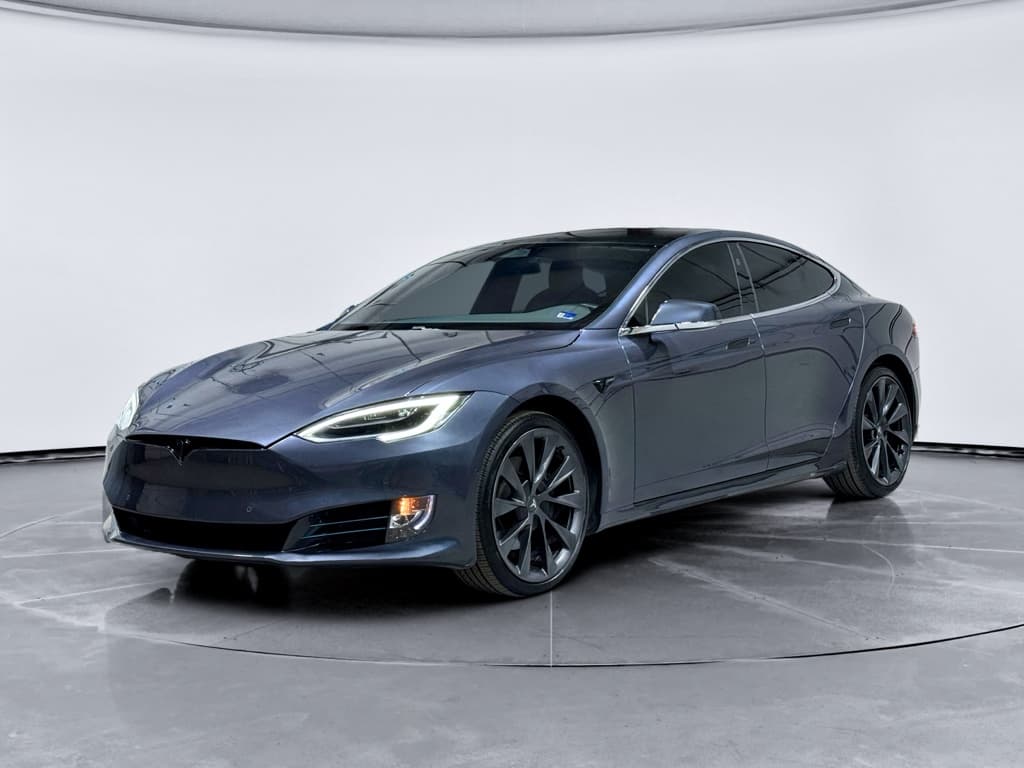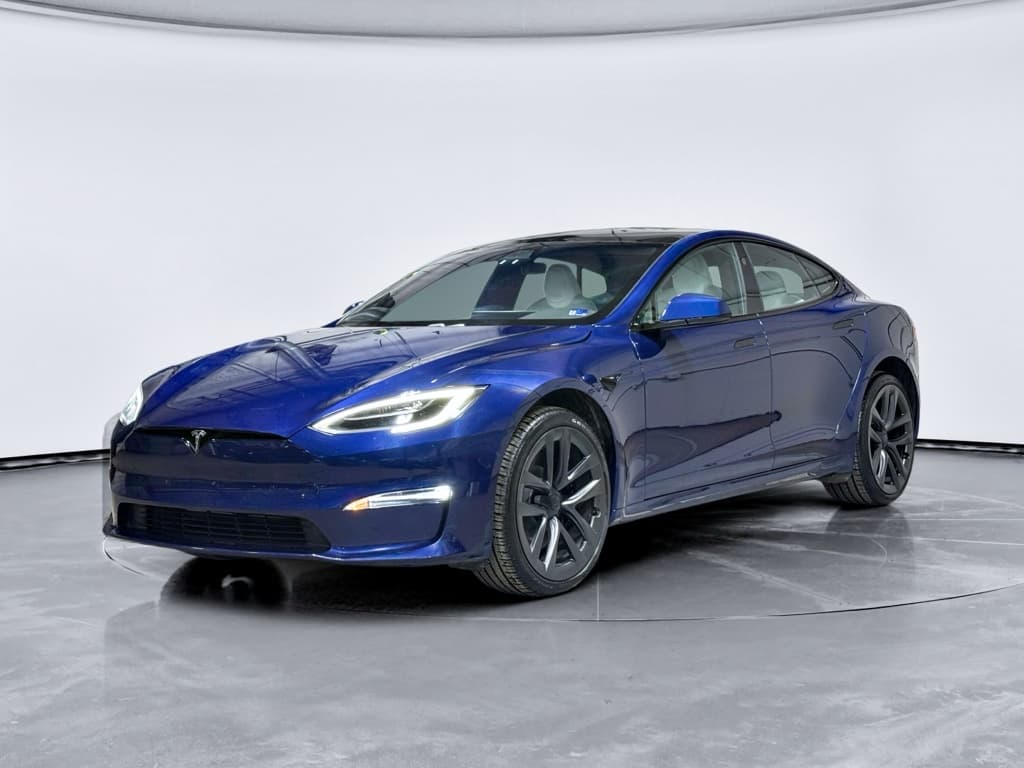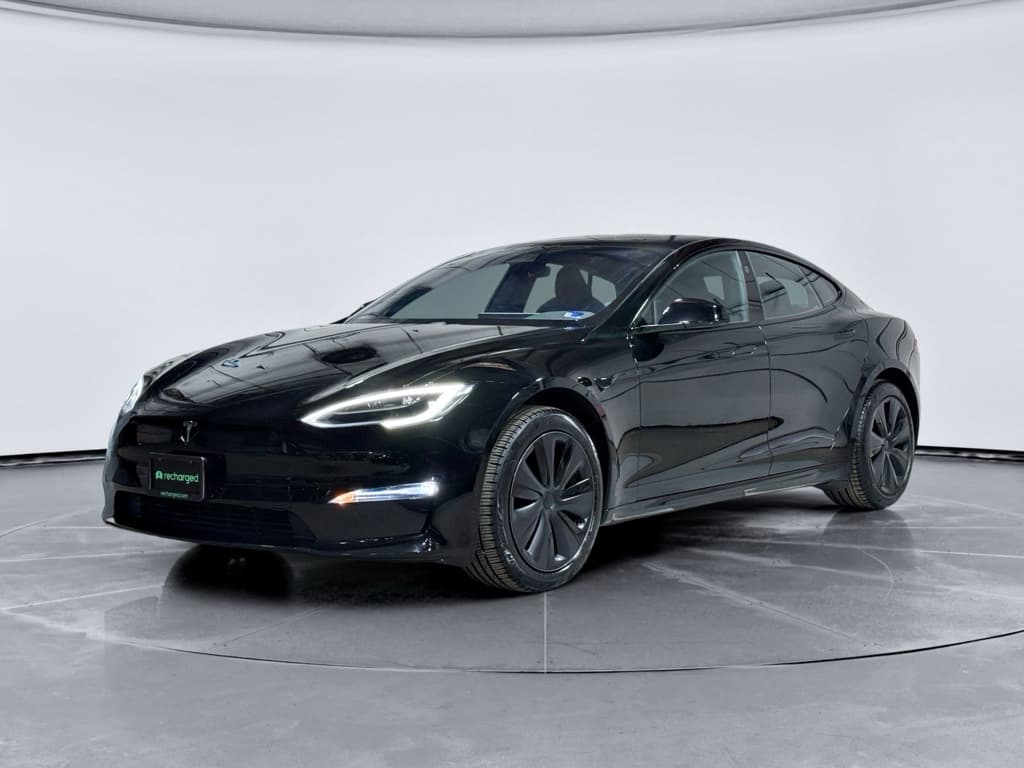
If you’ve looked at Tesla Model S listings in 2026, you’ve probably noticed something jarring: cars that were $90,000–$110,000 new just a couple of years ago are now advertised in the $40,000s and $50,000s. The Tesla Model S depreciation rate in 2026 is among the steepest of any luxury vehicle, electric or gas, which is brutal if you bought new, but a massive opportunity if you’re shopping used.
Context matters
Why Tesla Model S depreciation looks so extreme in 2026
On paper, the Model S has become a depreciation outlier. Multiple 2024–2026 analyses of used values show the Model S near the top of the list for value loss over five years, with typical 5‑year depreciation projected around the low‑ to mid‑60% range off original MSRP, worse than many gas luxury sedans in the same price bracket. At the same time, 10‑year studies of early Model S builds have found value losses approaching 90% after a decade, as six‑figure P85s and P90Ds drift toward mass‑market used‑car prices.
Those big percentage numbers make for splashy headlines, but they hide two crucial realities: first, Tesla pushed aggressive price cuts on new Model S and Model X between 2023 and 2024, which instantly knocked the legs out from under used values. Second, luxury EVs in general depreciate harder than mainstream models because demand for $80,000–$120,000 used sedans is thin, and tech ages quickly at the top of the market.
Tesla Model S depreciation snapshots for 2026
Tesla Model S depreciation rate in 2026 at a glance
- Brand‑level studies now place Tesla, and especially the Model S, among the fastest‑depreciating vehicles in the U.S. market on a 5‑year basis.
- Data aggregators and insurance/valuation firms show Model S 5‑year depreciation typically in the 60–65% range by 2026, depending on trim, mileage, and options.
- Year‑over‑year analysis from March 2024 to March 2025 found the Model S lost more dollar value than any other model in the study, as new‑car price cuts rippled through the used market.
- EV‑focused resale analyses consistently highlight two extremes: mass‑market Teslas (Model 3/Y) holding value relatively well, while flagship S and X take the biggest hits when new‑car pricing and incentives move.
Don’t confuse % loss with real‑world value
1, 3, 5‑year depreciation: how fast does a Model S lose value?
Because Tesla changes pricing and trims frequently, no two Model S depreciation curves are identical. But based on 2024–2026 data from valuation tools, market studies, and live listings, you can sketch a realistic range for current‑generation cars:
Typical Tesla Model S depreciation by age in 2026
Approximate loss from original MSRP for a recent‑generation Long Range or Plaid, assuming normal mileage and condition.
| Age in 2026 | Model years (approx.) | Typical value loss vs original MSRP | Real‑world example pricing |
|---|---|---|---|
| 1 year old | 2025–2026 | ≈25–30% | $90k new → $63k–$68k used |
| 3 years old | 2023 | ≈45–55% | $95k new → $43k–$52k used |
| 5 years old | 2021 | ≈60–65% | $95k new → low‑ to mid‑$30k range |
| 8–10 years old | 2015–2017 | ≈80–89% | $100k+ new → teens to low‑$20k range, depending on battery and Autopilot |
These are market‑based ranges, not guarantees, individual cars can sit above or below these bands.
Importantly, that 1‑year 25–30% hit is much steeper than the era when Teslas were supply‑constrained and transaction prices sat over MSRP. In today’s market, the Model S behaves more like a traditional luxury flagship: big sticker, heavy first‑year fall, then a slower slide.
Watch the model‑year breakpoints
What drove the 2023–2025 Tesla Model S price crash?
To understand the 2026 depreciation picture, you have to rewind to what happened between early 2023 and late 2025. Several forces hit Model S values at the same time, and most of them were driven by Tesla itself rather than the cars suddenly getting worse.
Why Model S values fell so fast
Four overlapping shocks reshaped the depreciation curve
Aggressive new‑car price cuts
In 2023–2024 Tesla repeatedly slashed Model S and X prices, in some cases dropping new‑car stickers by tens of thousands of dollars in a matter of months.
That instantly repriced nearly‑new used cars. A buyer staring at a heavily discounted new Plaid is not going to pay more for a 6‑month‑old used example.
High interest rates & payment shock
Soaring interest rates made expensive luxury EV payments painful. As monthly costs climbed, demand for six‑figure sedans softened and sellers had to cut asking prices to move inventory.
That doesn’t show up in spec sheets, but it’s very real in depreciation curves.
Shift to crossovers & Model Y
Just as with gas cars, American buyers are favoring crossovers over large sedans. Tesla’s own Model Y soaked up a huge share of demand that might have gone to the Model S in an earlier era.
Lower demand + more alternatives = weaker resale for the sedan.
Fast‑moving tech & autonomy promises
Tesla’s rapid changes to infotainment, driver assistance, and powertrains make older high‑end specs feel dated faster than traditional luxury cars.
Owners who bought based on FSD hype or bleeding‑edge performance found the car’s "specialness" aged quickly, which the used market prices in.
Price cuts punish existing owners
Battery health vs depreciation on older Model S
Underneath the price volatility, you still have a simple truth: the battery pack is the single most important asset in a used Model S. Long‑term studies of early Teslas show that, on average, packs retain the majority of their capacity over 8–10 years, but averages hide outliers. Cars with lots of DC fast charging, abusive owners, or early hardware quirks can show far more degradation, and that drags resale down.
How degradation affects value
- Range is the headline metric. A 2016 Model S 90D that still offers 230–240 miles on a full charge is a very different asset than one down near 180 miles.
- Buyers use range as a proxy for hassle. If you can’t comfortably do your commute or typical trip on one charge, you’ll discount that car heavily.
- Pack replacements are expensive. Even as prices fall, the prospect of a $12k–$20k repair hangs over high‑mileage cars, and the market bakes that risk into pricing.
What we see in the data
- Independent studies of early BEVs found that a minority of first‑generation Model S packs experienced serious issues within the first decade, but the majority maintained usable range.
- Cars with documented, healthy battery behavior command a premium versus similar‑age cars with sketchy charging histories or missing logs.
- Conversely, extreme outliers with heavy degradation can push 10‑year depreciation close to that 85–90% mark seen in headline studies.
Where Recharged fits in
Ready to find your next EV?
Browse Vehicles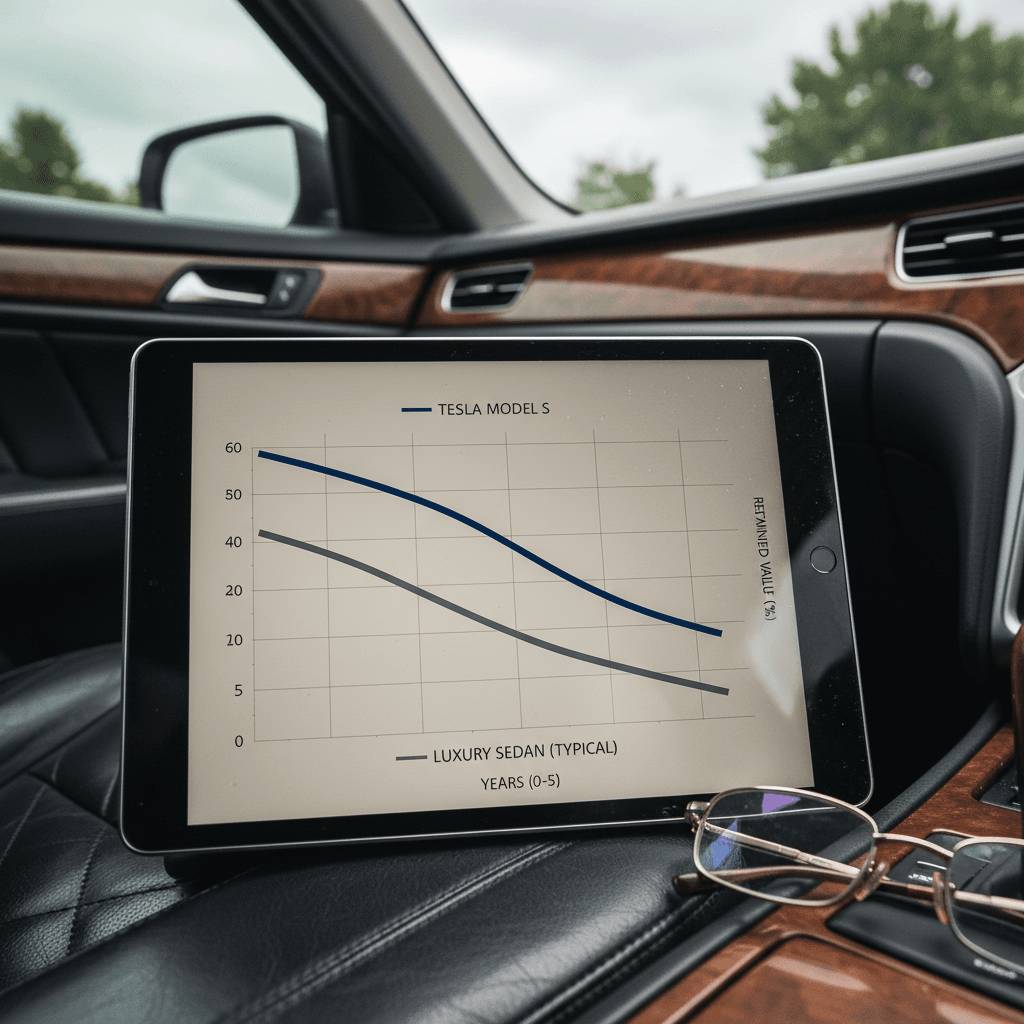
Is the Tesla Model S a bad buy in 2026?
It depends whether you’re talking about buying new or used. From a strictly financial perspective, a new Model S in 2026 is a high‑risk bet. You’re exposed to further Tesla price changes, ongoing luxury‑segment softness, and the simple fact that six‑figure sedans tend to hemorrhage value in their first few years, EV or not.
But if you’re shopping used, it’s a different story. By 3–5 years old, a Model S has already taken the majority of its hit. A clean 2021–2023 car in the $35,000–$55,000 range delivers performance, range, and tech that would have been unthinkable at that price a few years ago. The market’s pain is your discount, provided you buy intelligently and verify the car’s condition.
New vs used Model S in 2026
How the value equation changes depending on when you buy
Buying new in 2026
- Expect 25–30% depreciation in the first year in many scenarios.
- Further price cuts or new trims could hit you again on paper value.
- You get the latest hardware and warranty coverage, but pay for it in rapid early‑year depreciation.
Buying 3–5 years old
- The car has usually absorbed 45–65% of its lifetime dollar loss already.
- Pricing is closer to long‑term equilibrium; swings are smaller.
- You still enjoy strong performance and range at a deep discount, if the car’s battery and history check out.
How to shop smart for a used Model S in 2026
With depreciation doing so much of the work for you, the goal in 2026 isn’t to "beat the market", it’s to avoid the handful of landmines that can turn a screaming deal into an expensive mistake. Here’s a practical playbook.
Used Tesla Model S 2026 shopping checklist
1. Target the right model years
For most buyers, 2021+ cars hit the sweet spot of the refreshed interior, better efficiency, and maturing hardware. Earlier cars can be fine, but they’re more sensitive to battery history and feature gaps.
2. Prioritize battery and charging data
Ask for a <strong>data‑backed battery health report</strong>, not just a photo of the dash. At Recharged, that’s built into the Recharged Score, including charging patterns and estimated remaining capacity.
3. Look beyond Autopilot hype
Full Self‑Driving and Autopilot branding have changed often. Focus on what actually works today and what you’ll use, not on speculative future capabilities that the market has already stopped paying extra for.
4. Check warranty coverage
Tesla’s battery and drive unit warranties vary by year and configuration. Confirm how much coverage remains, especially on high‑mileage cars where a few years of warranty can meaningfully support value.
5. Compare to cross‑shopped cars
Cross‑shop against performance EVs and luxury gas sedans in the same price band. Sometimes a lightly‑used Model 3 Performance or a non‑Tesla luxury EV gives you more of what you actually need for the money.
6. Use a transparent marketplace
Buying through a platform that specializes in EVs means better condition reporting, realistic pricing, and experts who actually understand issues like pack health, not just leather seat wear.
Leverage financing to your advantage
Selling or trading in a Model S: strategies to reduce the hit
If you already own a Model S, the depreciation story looks different. You can’t undo Tesla’s price cuts or change macro interest rates, but you can control how and when you exit the car. The goal is to maximize what’s left of the car’s equity and avoid leaving easy money on the table.
Tactical moves for current owners
- Time your sale around software and hardware changes. Big announcements (new batteries, major refreshes) can temporarily soften used prices; selling just before a widely expected update can help.
- Document everything. A thick folder (or digital record) of service history, tire replacements, and charging behavior makes your car easier to price at the top of its condition band.
- Address obvious wear items. Fresh tires, resolved warning lights, and a clean interior can easily swing offers by thousands of dollars in this price bracket.
Where to sell or trade
- Instant‑offer buyers are convenient but often conservative on EVs they don’t fully understand.
- EV‑specialist marketplaces (like Recharged) can reach buyers who actively seek a Model S and understand its quirks.
- You can also explore consignment options, where a specialist handles marketing and sale while you benefit from retail pricing instead of wholesale.
Turn depreciation into your next EV
Tesla Model S vs other luxury EVs and gas sedans
It’s easy to look at the Model S depreciation numbers and conclude that the car is uniquely bad at holding value. The reality is more nuanced. Luxury cars, especially big sedans, are almost always at the bottom of residual‑value rankings. EVs add layers of tech risk and battery uncertainty that make cautious buyers demand steeper discounts. The Model S simply sits at the intersection of those forces.
How Model S depreciation compares in 2026
High‑level comparison of 5‑year value loss among flagship luxury models, based on 2024–2026 market studies and residual forecasts.
| Vehicle | Segment | Typical 5‑year value loss (MSRP‑based) | Notes |
|---|---|---|---|
| Tesla Model S | Electric luxury sedan | ≈63–65% | Aggressive price cuts, tech aging, and shifting demand drive steep 5‑year drops. |
| Tesla Model X | Electric luxury SUV | ≈60–65% | Similar dynamics to Model S, but slightly more lift from SUV body style. |
| Other luxury EV sedans (EQS, i7, etc.) | Electric luxury sedan | ≈55–65% | Heavily discounted new‑car pricing and niche demand hurt residuals. |
| Gas flagship sedans (7 Series, S‑Class, A8, etc.) | Gas luxury sedan | ≈55–70% | Historically high depreciation as fleets and first owners move on. |
| Mass‑market EVs (Model 3/Y, Kona, Bolt, etc.) | Mainstream EV | ≈45–60% | Lower starting MSRP and broader demand support better resale than flagship EVs. |
All figures are approximate; specific trims and incentives can shift the picture for individual cars.
The catch with brand‑wide EV depreciation stats
FAQ: Tesla Model S depreciation in 2026
Common questions about Model S depreciation
Bottom line: should you lean into or avoid Model S depreciation?
By April 2026, the Tesla Model S depreciation rate tells a story that’s painful for first owners but unusually attractive for informed used‑car shoppers. Five‑year value losses in the 60‑plus‑percent range and 10‑year studies showing up to 89% depreciation make the Model S look like a disaster on paper. In reality, that volatility has simply pulled a once‑aspirational flagship within reach of a much wider group of used‑EV buyers.
If you’re considering a new Model S today, go in with open eyes: this is a car you buy for what it is, not because you expect it to hold value. If you’re shopping used, the smart play is to let someone else take the brutal first hit, then use data, especially battery‑health diagnostics, to cherry‑pick the best examples. That’s exactly the problem Recharged was built to solve: surfacing fair‑priced, well‑understood used EVs with verified pack health so you can turn an ugly depreciation chart into a great ownership experience.