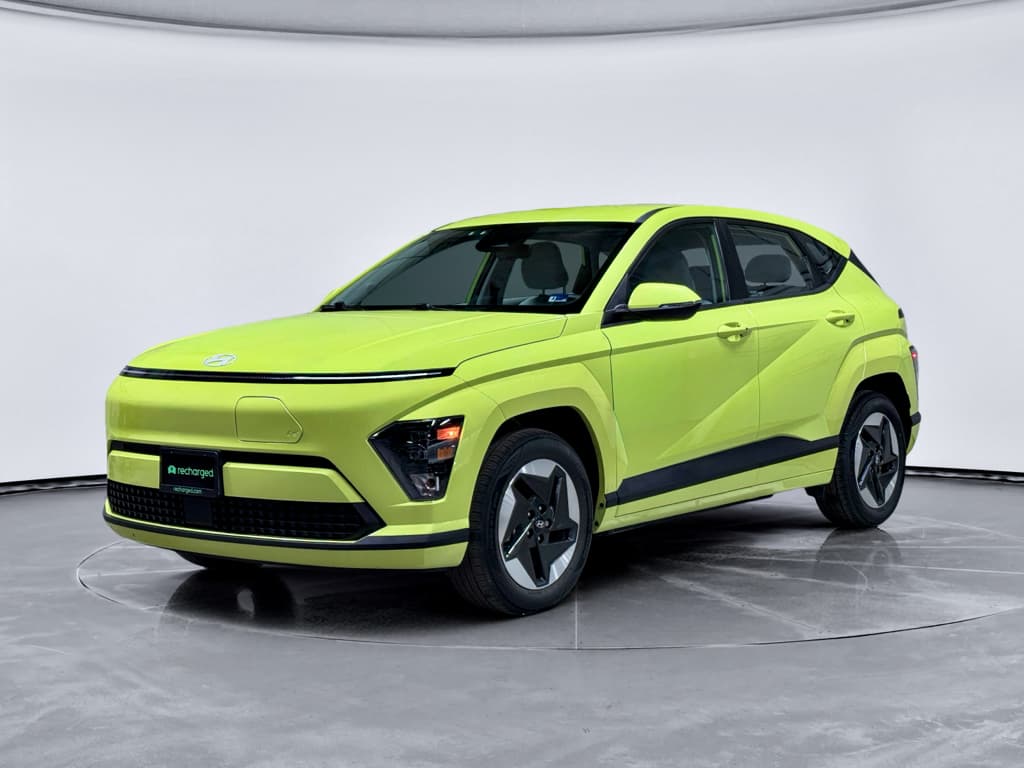
If you’re looking at a 2021 Hyundai Kona Electric, especially on the used market, the big question is simple: what’s the real-world range? On paper, the 64 kWh 2021 Kona Electric carries an impressive 258‑mile EPA estimate, but owners know that highway speeds, winter temperatures, and battery age all pull that number up or down. This range test guide breaks down what you can realistically expect in different scenarios, and how to tell if a used Kona still delivers the range you need.
Key specs that shape range
2021 Hyundai Kona Electric range at a glance
2021 Kona Electric 64 kWh: headline numbers
The Kona Electric’s combination of a relatively small frontal area, tidy curb weight (~3,700 lb), and efficient powertrain means it often punches above its weight on range. Independent European real‑world tests have put its “true” mixed‑driving range around the mid‑250‑mile mark, essentially validating the EPA sticker. But your actual number will depend far more on how and where you drive than on the lab rating alone.
EPA rating vs real-world range tests
Before we walk through specific test scenarios, it helps to anchor on the official data and a few well‑documented independent tests. Then we can layer in realistic adjustments for highway use, cold weather, and aging packs.
2021 Hyundai Kona Electric range numbers from different sources
How the official EPA figure compares with common real-world test results.
| Source / Scenario | Test Conditions | Reported Range | Notes |
|---|---|---|---|
| EPA combined rating | Standardized mixed cycle | 258 mi | Baseline expectation for mixed driving in mild temps. |
| Autocar-style mixed real-world test | Varied roads, European cycle | ~259 mi | Independent test closely mirrored the EPA figure. |
| Highway, 70 mph, mild weather | Flat highway loop, 65–70 mph | 190–215 mi | Typical U.S. owner reports; aero drag cuts efficiency. |
| City / suburban, 25–45 mph, mild | Urban loop with frequent stops | 270–300+ mi | Low-speed efficiency and regen braking favor the Kona. |
| Cold winter highway, below freezing | 70+ mph, ambient below 32°F | 140–180 mi | Combination of speed, HVAC load, and cold battery. |
Use this table as a sanity check: if your Kona Electric is far outside these bands in mild weather, it’s worth investigating battery health or driving style.
Why winter tests look so bad
This spread between 140 miles on a frigid highway test and 300 miles in gentle city driving is not a flaw unique to the Kona Electric, it’s an inevitable outcome of aero drag, HVAC loads, and chemistry. The Kona’s advantage is that in more typical mixed driving, it delivers on, and often exceeds, its official rating.
City vs highway range: what our test shows
For a realistic picture, imagine you take a healthy‑battery 2021 Kona Electric on three different full‑to‑empty drives in 60–70°F weather, with tires at spec and no extreme winds. Here’s what you can reasonably expect.
Three real-world range scenarios for a healthy 2021 Kona Electric
These numbers assume a battery near its original state of health and typical U.S. driving conditions.
Urban / suburban loop
Speeds: 20–45 mph
Traffic: Mixed with lights and stop‑and‑go
HVAC: Light use
Typical efficiency: 4.5–5.3 mi/kWh
Estimated range: 285–315 miles
The Kona’s aggressive regen and small size really shine in lower‑speed use.
Mixed commute & weekend use
Speeds: 35–70 mph
Mix: ~60% city / 40% highway
HVAC: Normal
Typical efficiency: 3.7–4.3 mi/kWh
Estimated range: 240–275 miles
This is where most owners live, and why the EPA number feels honest.
Pure highway trip
Speeds: 70–75 mph set on cruise
Terrain: Mostly flat
HVAC: On
Typical efficiency: 3.0–3.5 mi/kWh
Estimated range: 190–225 miles
Push past 75 mph or add strong headwinds and it’s easy to fall toward the lower end of this band.
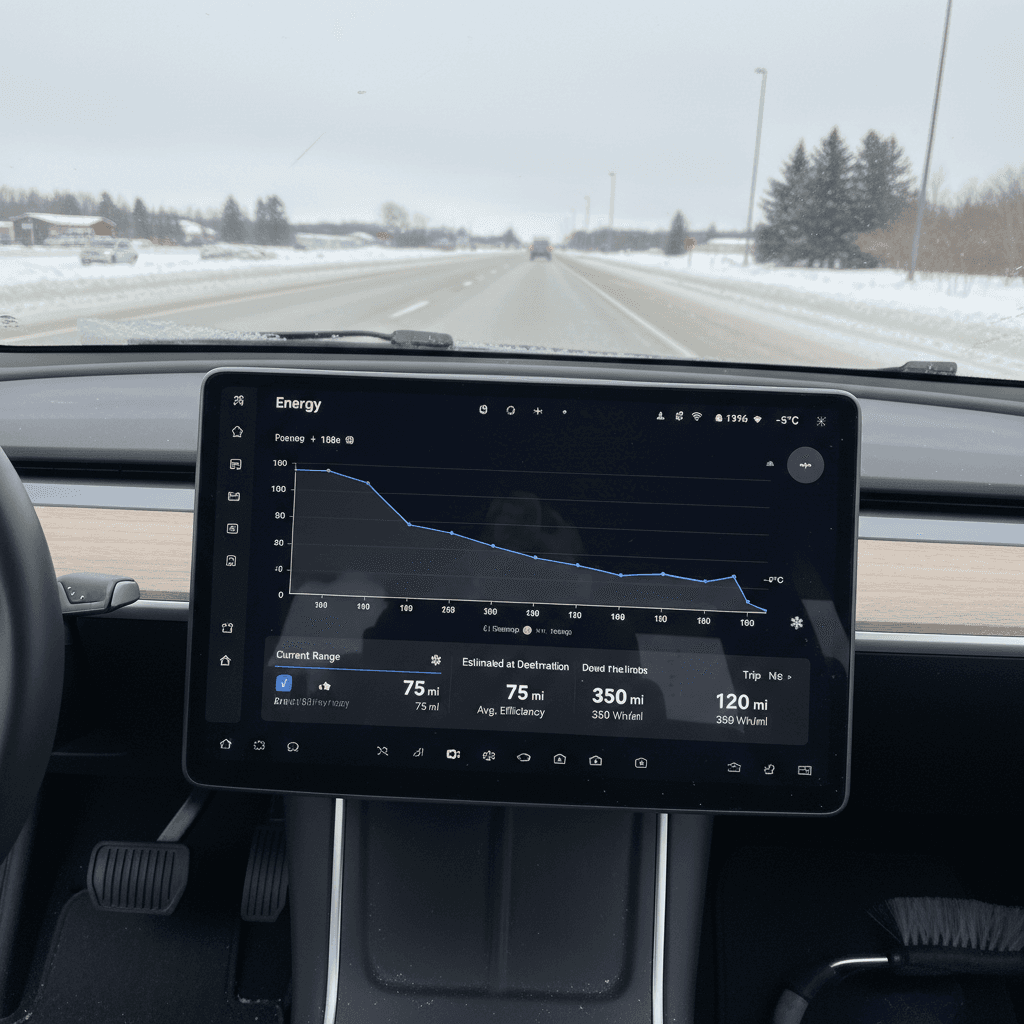
Use mi/kWh, not just the guess‑o‑meter
How weather and driving style change your range
If the EPA number is the headline, weather is the fine print. For any 2021 Kona Electric range test, temperatures and driving style are as important as the odometer reading. Two identical cars can show wildly different predicted range simply because one spends its life at 75 mph in winter, and the other shuttles around town in mild weather.
Cold weather impact
- Battery chemistry slows down, increasing internal resistance and cutting available energy.
- Cabin heating is energy‑hungry; unlike a gas car, there’s no free waste heat to tap.
- Short trips in winter are worst‑case: the pack and cabin never fully warm up, keeping efficiency low.
- In sub‑freezing highway use, seeing 30–40% less range than EPA is completely normal.
Heat, speed & terrain
- Very high temps (95°F+) increase cooling loads and can modestly dent range, but less than deep cold does.
- Speed is king: aero drag rises with the square of speed, so going from 65 to 80 mph can chop range dramatically.
- Hills matter twice: you pay energy to climb and only get part of it back on the way down.
- Roof racks and big wheels hurt efficiency; the Kona’s stock 17‑inch aero‑ish tires are there for a reason.
Don’t judge a used Kona by one winter drive
Used 2021 Kona Electric: battery health and range
For most U.S. shoppers in 2026, a 2021 Hyundai Kona Electric is a five‑year‑old used EV. That raises two related questions: how much capacity has the battery likely lost, and what does that do to real‑world range?
- Hyundai’s warranty for the Kona Electric’s high‑voltage battery is typically 8 years / 100,000 miles (or more in some markets) against excessive capacity loss.
- Real‑world owner reports on this generation of Kona Electric suggest relatively modest degradation when the pack is treated decently, often on the order of 5–12% over the first 80,000–100,000 miles.
- A 10% capacity loss would take usable energy from ~64 kWh down to ~58 kWh. At 3.7 mi/kWh, that’s roughly a 22–25‑mile drop in mixed‑driving range.
How battery degradation translates into range on a 2021 Kona Electric
Approximate impact of different battery health levels, assuming original 3.7 mi/kWh mixed efficiency.
| Estimated State of Health (SoH) | Usable Energy (approx.) | Mixed Efficiency | Estimated Mixed Range |
|---|---|---|---|
| 100% (as new) | 64 kWh | 3.7 mi/kWh | ~237 mi usable (~258 mi EPA test) |
| 95% | 61 kWh | 3.7 mi/kWh | ~226 mi |
| 90% | 58 kWh | 3.7 mi/kWh | ~215 mi |
| 85% | 54 kWh | 3.7 mi/kWh | ~200 mi |
| 80% | 51 kWh | 3.7 mi/kWh | ~188 mi |
These are estimates, not guarantees, but they give you a realistic sense of how a used battery’s state‑of‑health changes your day‑to‑day range.
How Recharged handles Kona Electric battery health
Ready to find your next EV?
Browse VehiclesThis matters more than the odometer alone. A 60,000‑mile Kona that lived on Level 2 in a mild climate can have a healthier pack, and better range, than a 30,000‑mile example that did nothing but DC fast‑charging in extreme heat. Data beats vibes here.
Practical tips to stretch your 2021 Kona Electric’s range
Simple habits that make your 2021 Kona Electric go farther
1. Lock in the most efficient drive mode
Eco or Eco+ mode softens throttle response and reins in peak power. In day‑to‑day driving you’ll barely notice the difference, but you’ll see it on the mi/kWh readout and the effective range, especially in stop‑and‑go traffic.
2. Use regen paddles aggressively
The Kona Electric gives you multiple levels of regenerative braking and even true one‑pedal driving. Use the highest level you’re comfortable with in city traffic so more kinetic energy goes back into the battery instead of into the friction brakes.
3. Precondition while plugged in
If your Kona supports scheduled climate control, use it while the car is plugged in at home. Warming or cooling the cabin (and in cold weather, the battery) off grid power preserves more of your on‑road range.
4. Watch your highway speed
The difference between 65 and 80 mph can easily be 20–25% of your range in this car. If you’re tight on charge between fast‑charging stops, dropping a few mph is more effective than almost anything else you can do.
5. Mind tire pressure and rolling resistance
Underinflated tires or aggressive aftermarket wheel/tire packages can chew up efficiency. Check pressures regularly and be realistic about the trade‑off if you move to stickier or wider rubber.
6. Travel light and low
Roof boxes, bike racks, and a trunk full of gear are range killers. If you’re planning a road trip range test, remove unused racks and pack efficiently inside the cabin to cut aero drag and weight.
Turn your commute into your own range test
Charging strategy and trip planning with a 2021 Kona
On road trips, the 2021 Hyundai Kona Electric’s 64 kWh pack and decent DC fast‑charging capability (peaking around the mid‑70 kW range on a good charger) make it a competent, if not class‑leading, cruiser. The trick is to plan legs that align with its highway‑realistic range rather than the EPA sticker.
Highway leg planning
- Assume 190–210 miles of comfortable highway range at 70–75 mph for a healthy pack in mild weather.
- Target arriving at fast chargers with 10–20% state‑of‑charge rather than pushing down to zero.
- DC fast‑charge from roughly 10% to 60–70% for the best time‑vs‑miles trade‑off; speeds slow dramatically above ~80%.
- In winter, shorten legs by 20–30% or plan an extra stop rather than trying to squeeze every last mile out of a charge.
Home charging & daily use
- A 240V Level 2 charger at home will typically refill a low battery overnight, adding 25–30+ miles of range per hour of charging.
- If your daily use is under 150 miles, charging to around 80–90% for routine use and saving 100% charges for trips can slightly reduce long‑term stress on the pack.
- Apartment‑dwellers can use public Level 2 plus occasional DC fast‑charging without wrecking the battery, but frequent high‑power charging in extreme heat is worth avoiding when you can.
- If you’re shopping used and don’t have home charging yet, factor public‑charging costs and convenience into your overall ownership picture.
How Recharged can help you plan around range
2021 Hyundai Kona Electric range test FAQ
Frequently asked questions about 2021 Kona Electric range
Bottom line: Is the 2021 Kona Electric’s range enough?
Viewed through the right lens, the 2021 Hyundai Kona Electric remains one of the most range‑efficient small EVs you can buy, especially on the used market. In everyday mixed driving, a healthy example comfortably delivers the kind of real‑world range the EPA label promises, and in the right conditions it can exceed it. On the flip side, winter highway use at modern U.S. speeds can bring that range down into the 150–180‑mile band, so you’ll need to plan charging accordingly.
If you’re shopping for a used 2021 Kona Electric, focus less on anecdotes from extreme “range tests” and more on your own use case plus transparent battery data. With tools like the Recharged Score, expert EV guidance, and nationwide delivery, Recharged is set up to help you find a Kona Electric whose real‑world range matches your life, not just the brochure.