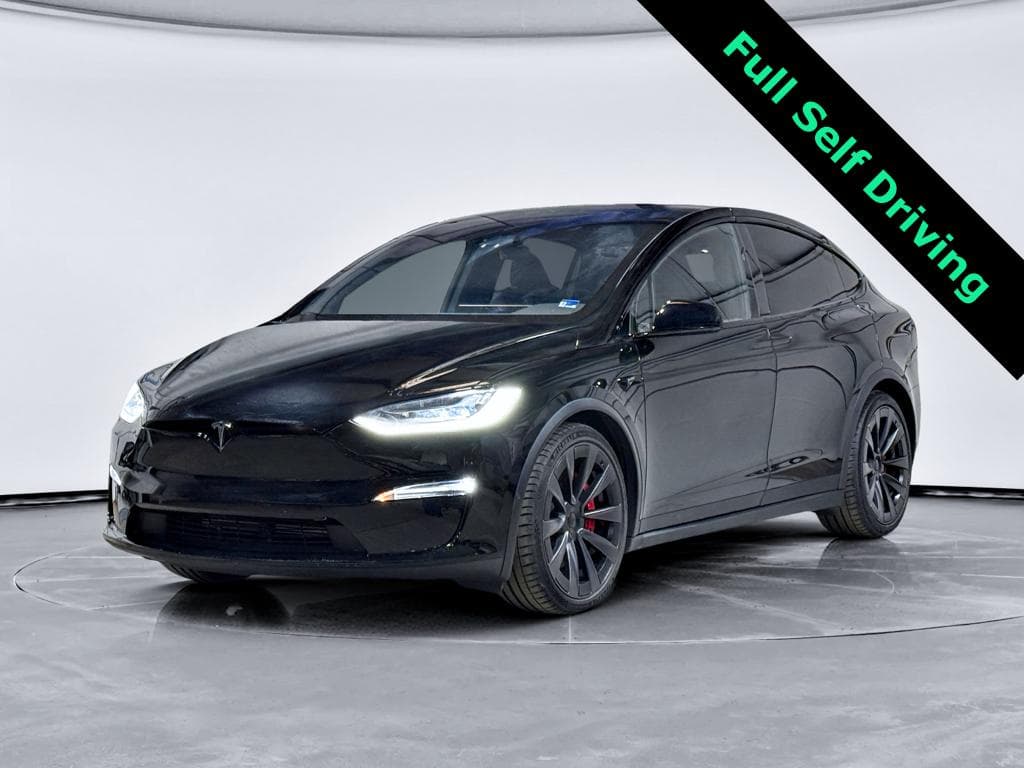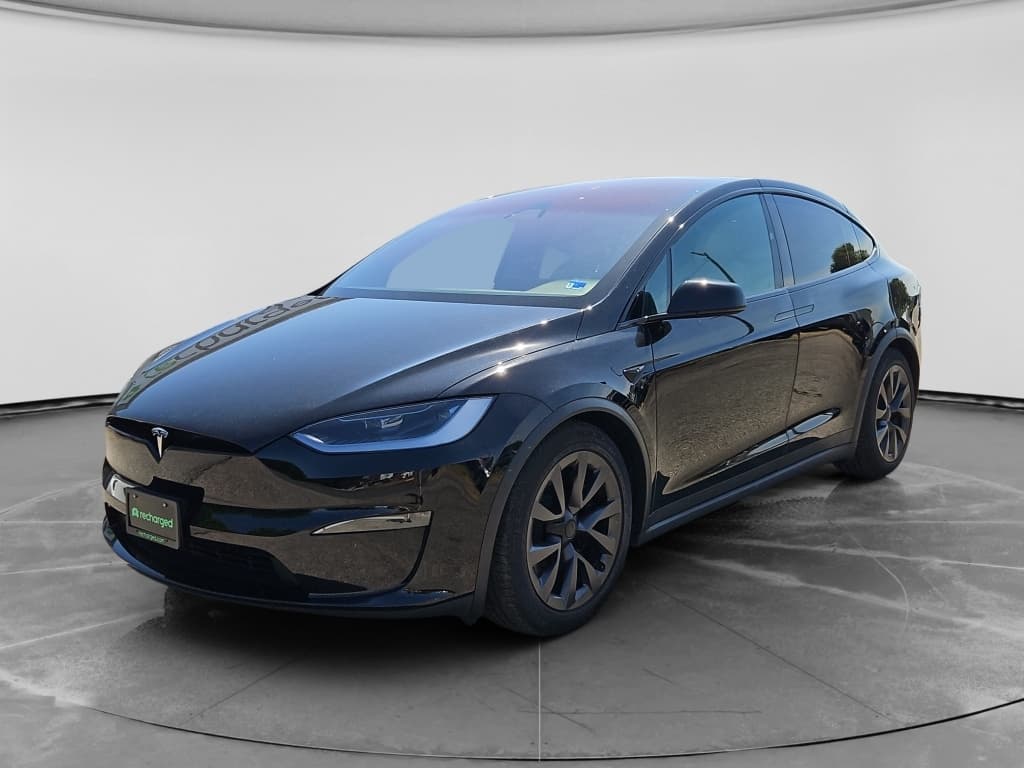
If you’re looking at a used luxury EV SUV, a 2020 Tesla Model X is probably on your shortlist. It’s quick, efficient, and uniquely practical, with those dramatic Falcon Wing doors. But 2020 Tesla Model X reliability is more complicated than its specs sheet suggests, and understanding the tradeoffs is critical before you write a big check.
Quick take
2020 Model X reliability at a glance
Key reliability signals for the 2020 Model X
How reliable is the 2020 Tesla Model X?
The short answer: mechanically solid, but overall below average compared with other 2020 luxury SUVs. Third‑party data and owner reports agree on a pattern: the battery and drive unit are holding up well, but the Model X is let down by build quality and complicated hardware.
Consumer Reports flags the 2020 Model X as "much less reliable than other cars" from the same year, driven by issues in areas like body hardware, in‑car electronics, and build quality rather than catastrophic drivetrain failures. At the same time, sources like J.D. Power rate Tesla’s **quality and reliability** in the lower half of the industry, largely due to cosmetic and fit‑and‑finish issues rather than core mechanical problems.
This split personality is important if you’re shopping used. The 2020 X’s electric platform means no oil changes, timing belts, or multi‑gear transmissions to fail, but you’re trading those away for a very complex body and software stack that can generate smaller, but still annoying and sometimes pricey, issues over time.
Think in two buckets
Common 2020 Model X problems
The 2020 Model X benefited from several years of running changes after the earliest, trouble‑prone Xs, but it still inherits some of the platform’s known weak spots. Here are the big ones to watch for, especially on a used example.
Most reported 2020 Model X trouble spots
Where owners and surveys say problems show up
Falcon Wing door issues
Falcon Wing doors remain the signature reliability wildcard on the Model X. Issues include:
- False obstacle detections that stop the door partway.
- Slow or inconsistent opening/closing.
- Sensor calibration problems and occasional latch faults.
Later‑year Xs are better than early builds, but owners, 2020 included, still report door misbehavior and repeat service visits.
Air suspension & ride hardware
The standard air suspension gives the Model X its cushy ride and height adjustability, but it adds complexity:
- Compressor or air spring leaks causing sagging or error messages.
- Front suspension clunks or vibration, especially over rough roads.
- Occasional control arm or bushing wear earlier than expected for a luxury SUV.
Electronics & build quality
Electronics are another hot spot for complaints:
- Infotainment quirks or screen reboots (especially if MCU hasn’t been updated).
- Door handles, power windows, and seat motors with intermittent issues.
- Wind noise, squeaks, rattles, and trim alignment problems.
Most are fixable but can mean frequent service visits.
Don’t ignore the recall list
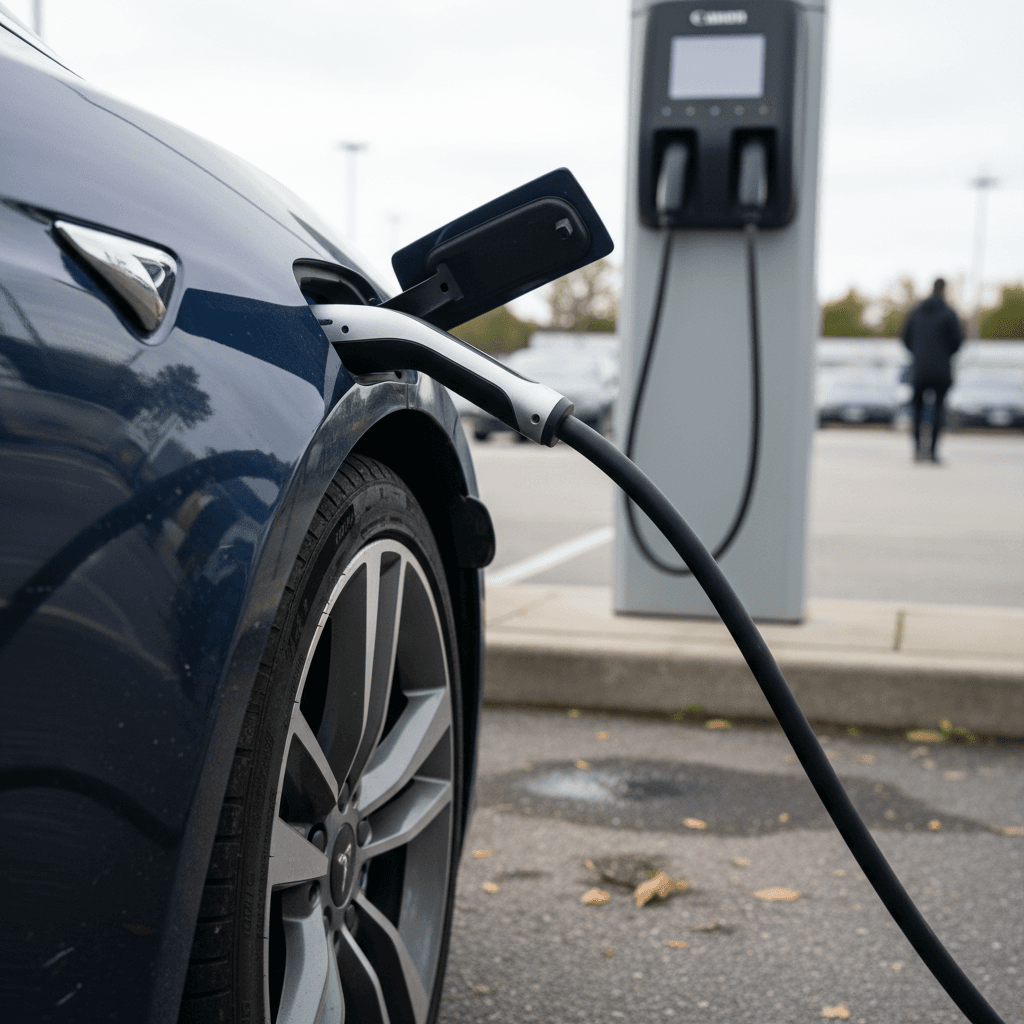
Battery and drivetrain longevity
If there’s one area where the 2020 Model X generally delivers, it’s the core EV hardware. High‑voltage battery pack failures and drive unit replacements on 2020s are rare compared with the issues you see on the cosmetic and body‑hardware side.
- The 2020 Model X’s battery and drive unit are covered by Tesla’s 8‑year / 150,000‑mile warranty, with a guarantee of at least 70% battery capacity retention over that period.
- Real‑world owner data suggests moderate, gradual range loss rather than sudden large drops for 2020‑era packs, especially when charging habits are reasonable and Supercharger use is mixed with slower AC charging.
- The absence of a traditional automatic transmission eliminates one of the most expensive failure points found in gas luxury SUVs.
Range vs. reliability
Strong reliability: EV components
- High‑voltage battery: Generally low failure rate on 2020 packs.
- Drive unit: Electric motors have far fewer moving parts than ICE powertrains.
- Regenerative braking: Less wear on friction brakes compared with gas SUVs.
Weaker reliability: Body & trim
- Complex doors and seals that need adjustment over time.
- Interior squeaks/rattles in colder climates.
- Paint and panel alignment that may not match German luxury benchmarks.
Software, recalls, and over‑the‑air fixes
One of the most confusing parts of evaluating 2020 Tesla Model X reliability is the recall picture. By 2026, the 2020 X has been pulled into many NHTSA recalls, seat belt warning chimes, Autosteer behavior, pedestrian warning sounds, brake warning font size, Full Self‑Driving Beta behavior, and more.
The good news is that many of these are fixed with over‑the‑air (OTA) software updates, which owners receive automatically, often without visiting a service center. That’s different from most legacy SUVs, where recalls almost always mean a physical part replacement and a trip to the dealer.
The bad news is that it can make the Model X feel like a rolling software beta program. Features change, quirks appear and disappear, and some owners report frustrating cycles of new bugs introduced with new updates.
How to sanity‑check recall status
Maintenance costs and ownership experience
On paper, the 2020 Model X should be cheaper to maintain than a comparable gas‑powered BMW X5 or Mercedes GLS. There’s no engine oil, no exhaust, no multi‑speed gearbox, and fewer wear items overall. But the real‑world picture is nuanced.
2020 Model X ownership: where you save and where you pay
Comparing EV advantages to Tesla‑specific quirks
Lower routine maintenance
- No oil or spark plug changes.
- Longer brake pad life thanks to regen.
- Fewer fluids and filters overall.
Third‑party estimates put 10‑year maintenance costs for a Model X well below gas luxury peers, largely because of these fundamentals.
High repair variability
- Out‑of‑warranty Falcon Wing door fixes or air suspension repairs can run into four figures.
- Cosmetic repairs (paint, trim, seals) are typical for luxury SUVs but can stack up if ignored.
- Service center capacity and turnaround vary by region.
Initial quality vs. long‑term reliability
What to check on a used 2020 Model X
Because the 2020 X’s biggest weak spots are physical hardware and electronics, your pre‑purchase inspection should go well beyond a quick test drive. Here’s a focused checklist tailored to this model year.
Used 2020 Model X reliability checklist
1. Operate every door, every way
Test both Falcon Wing doors from all controls (interior buttons, key/app, center screen). Look for false obstruction warnings, incomplete opening/closing, odd noises, and panel misalignment. Do the same for the front doors and rear hatch.
2. Inspect suspension and listen on rough roads
On a test drive, use a route with bumps and expansion joints. Listen for clunks, rattles, or vibration around 30–50 mph, and check for suspension height errors or uneven stance when parked.
3. Check infotainment and electronics
Confirm the center screen is responsive, Bluetooth and navigation work, cameras display properly, and there are no persistent error messages. Ask if the MCU has been upgraded on earlier‑build vehicles, as newer hardware is more reliable.
4. Review software version and Autopilot behavior
Make sure the car is running a current software build, then briefly test Autopilot on a well‑marked road. You’re not trying to test self‑driving claims, just confirm basic lane‑keeping and that there are no warning lights.
5. Examine bodywork, seals, and interior trim
Look closely at panel gaps around the Falcon Wing doors, check for water stains on headliner or carpets (signs of seal leaks), and drive at highway speed to listen for excessive wind noise.
6. Validate battery health and charging
Check the indicated full‑charge range vs. original EPA rating and ask for any battery health reports. If possible, plug into AC and DC fast charging to verify charging works without errors or unusual noise from the pack or cooling system.
Walk‑away conditions
How Recharged evaluates used Teslas
Because used Teslas combine durable EV hardware with complex body and software systems, you want more than a basic visual walk‑around. Every Tesla that comes through Recharged goes through a structured intake process designed specifically for electric vehicles.
Battery health diagnostics
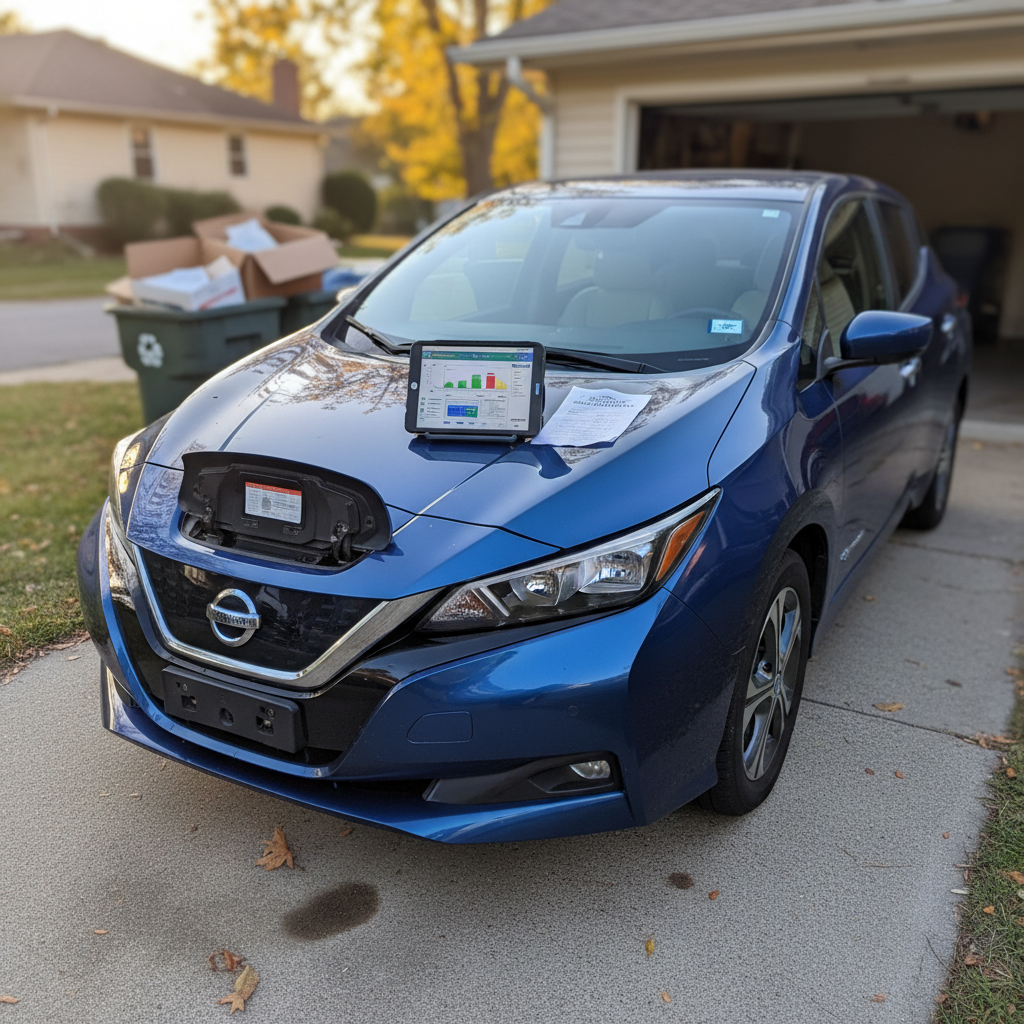
We run a Recharged Score battery health test that looks beyond simple range readouts. Using pack data and controlled testing, we estimate remaining capacity and flag abnormal degradation or cell imbalance so you know how much real‑world range to expect.
Hardware & software inspection
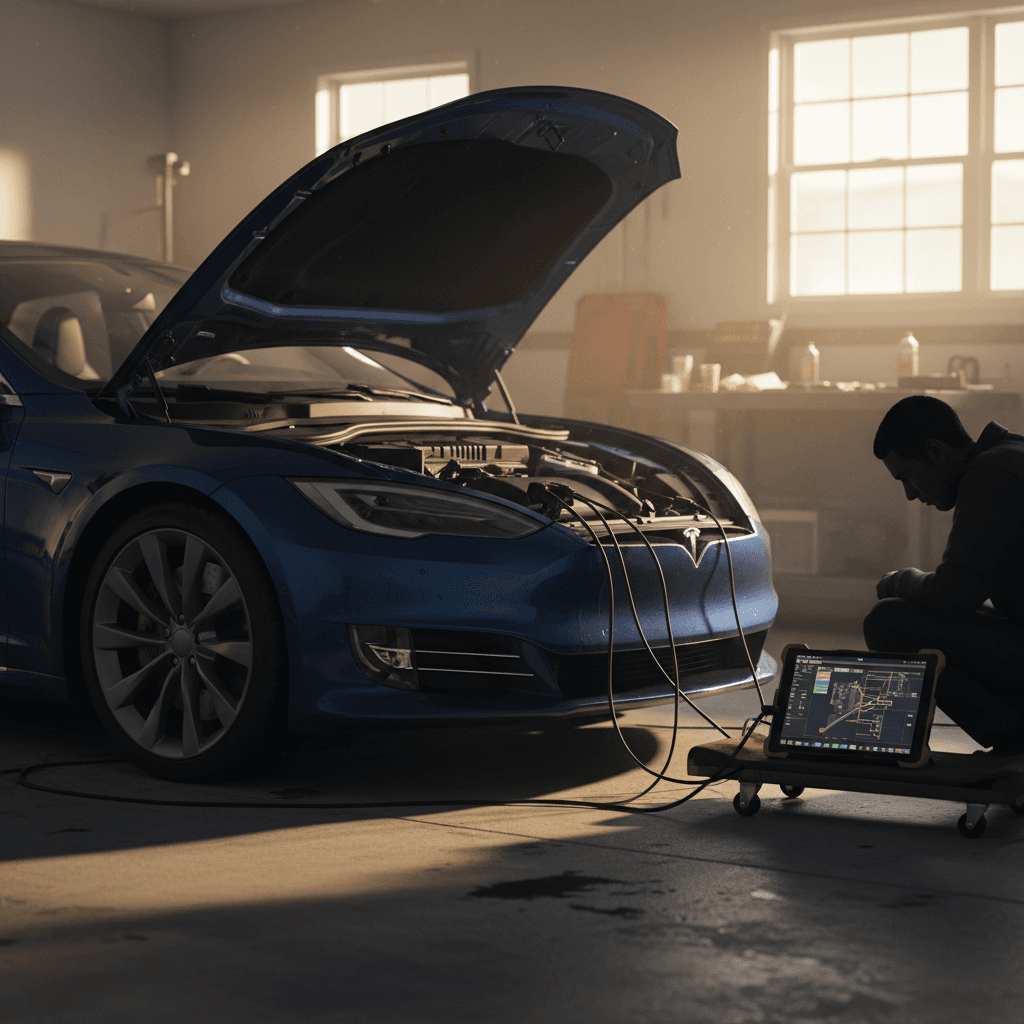
Our EV specialists verify charging performance, check for high‑voltage errors, and confirm that OTA updates and recalls are addressed. On a Model X, we pay special attention to Falcon Wing doors, air suspension, and in‑car electronics.
Transparent pricing & support
Every Recharged vehicle includes a detailed condition report, fair‑market pricing, and access to financing, trade‑in, and nationwide delivery. If you’re selling, we can provide an instant offer or consignment, so you’re not navigating Tesla’s quirks alone.
Is a 2020 Model X a good used buy?
Whether a 2020 Tesla Model X is a smart purchase comes down to your risk tolerance and expectations. If you want **bulletproof, set‑and‑forget reliability** in a family SUV, a simpler EV or even a hybrid from a more conservative brand may fit you better. The X is inherently more complex, and that complexity shows up in reliability data.
But if you value the Model X’s unique strengths, instant torque, huge glass, tight‑space access with Falcon Wing doors, and seamless Supercharger access, and you’re willing to be proactive about minor issues, a well‑vetted 2020 can be a compelling used EV. The key is to buy the right example, with clean history, strong battery health, and proof that early‑life bugs have been sorted.
Who the 2020 Model X fits best
If that sounds like you, the 2020 Tesla Model X can be a memorable, future‑proof family hauler rather than a rolling science experiment. Just don’t skip the homework, especially on doors, suspension, electronics, and battery health, and consider leveraging a third‑party EV specialist like Recharged to make sure the specific SUV you’re looking at is closer to the "Tesla dream" than the service‑center horror stories you’ve read online.