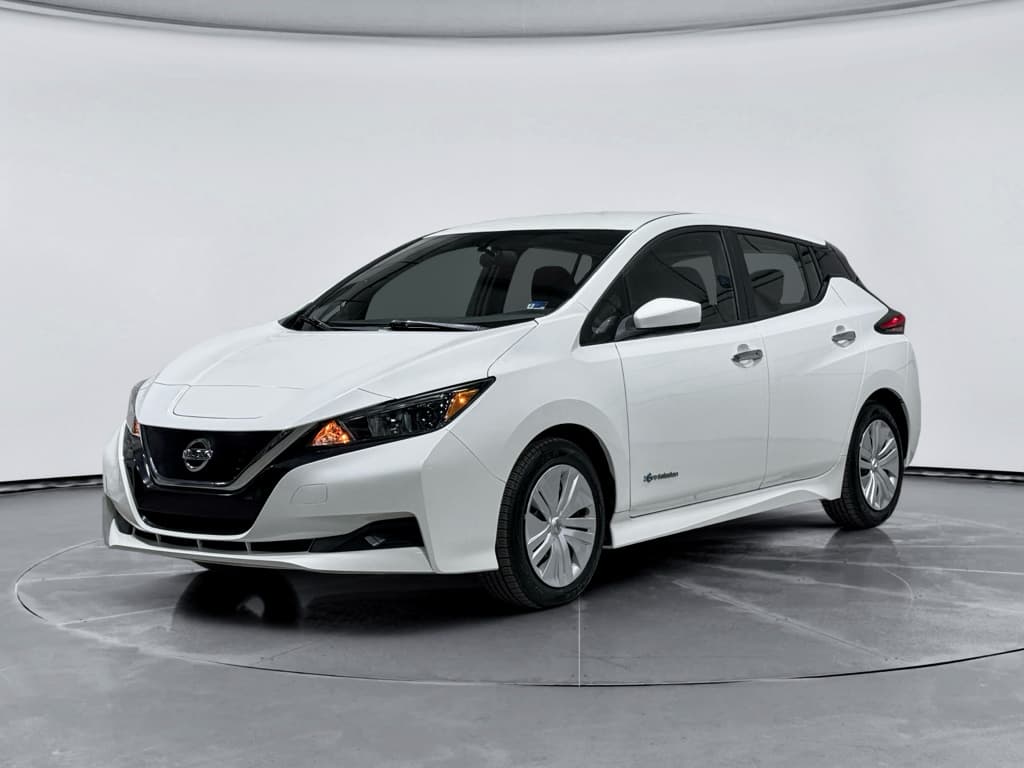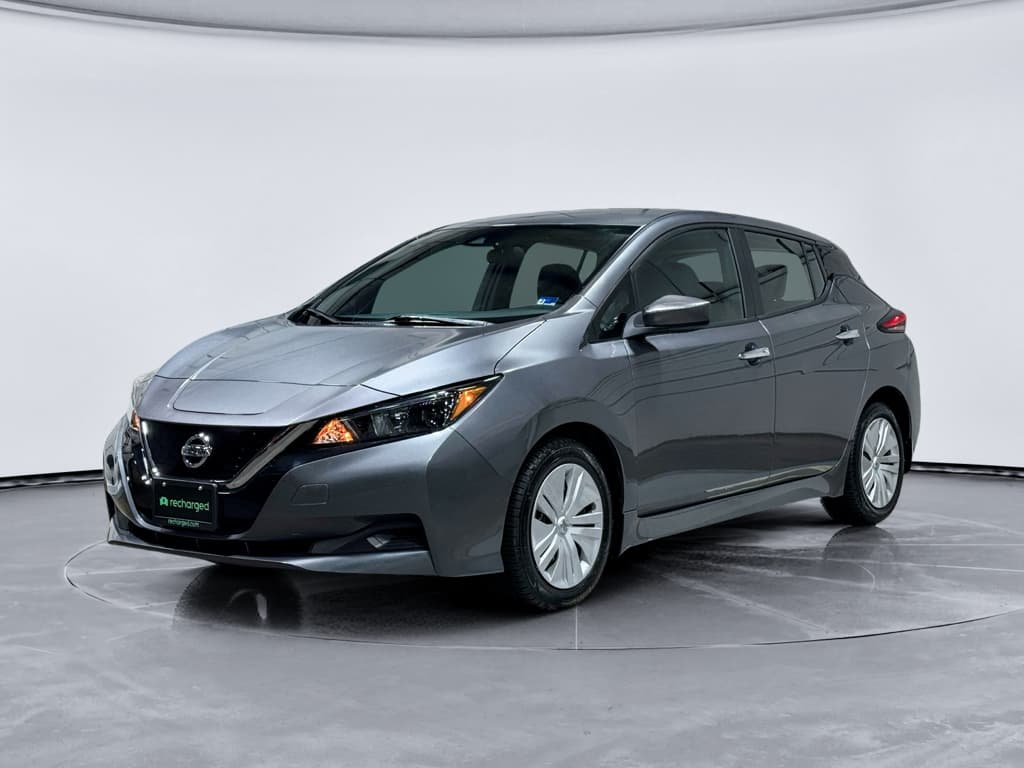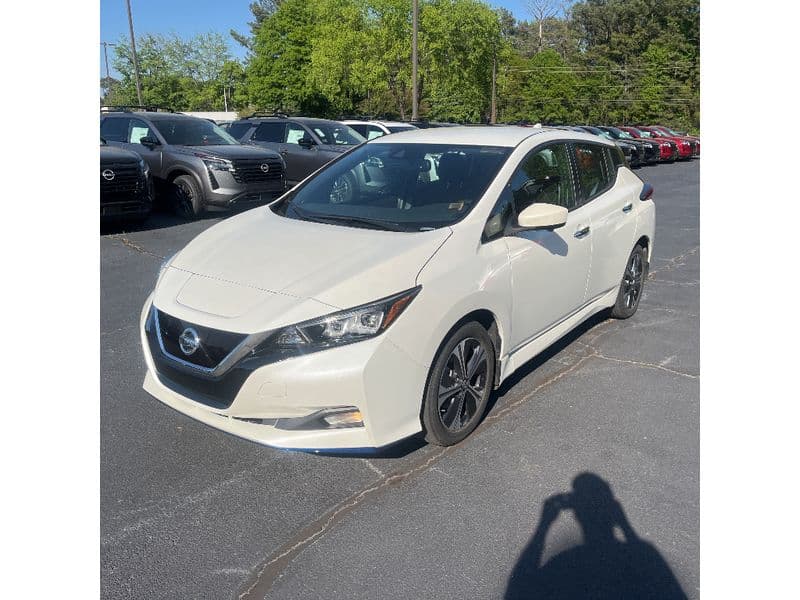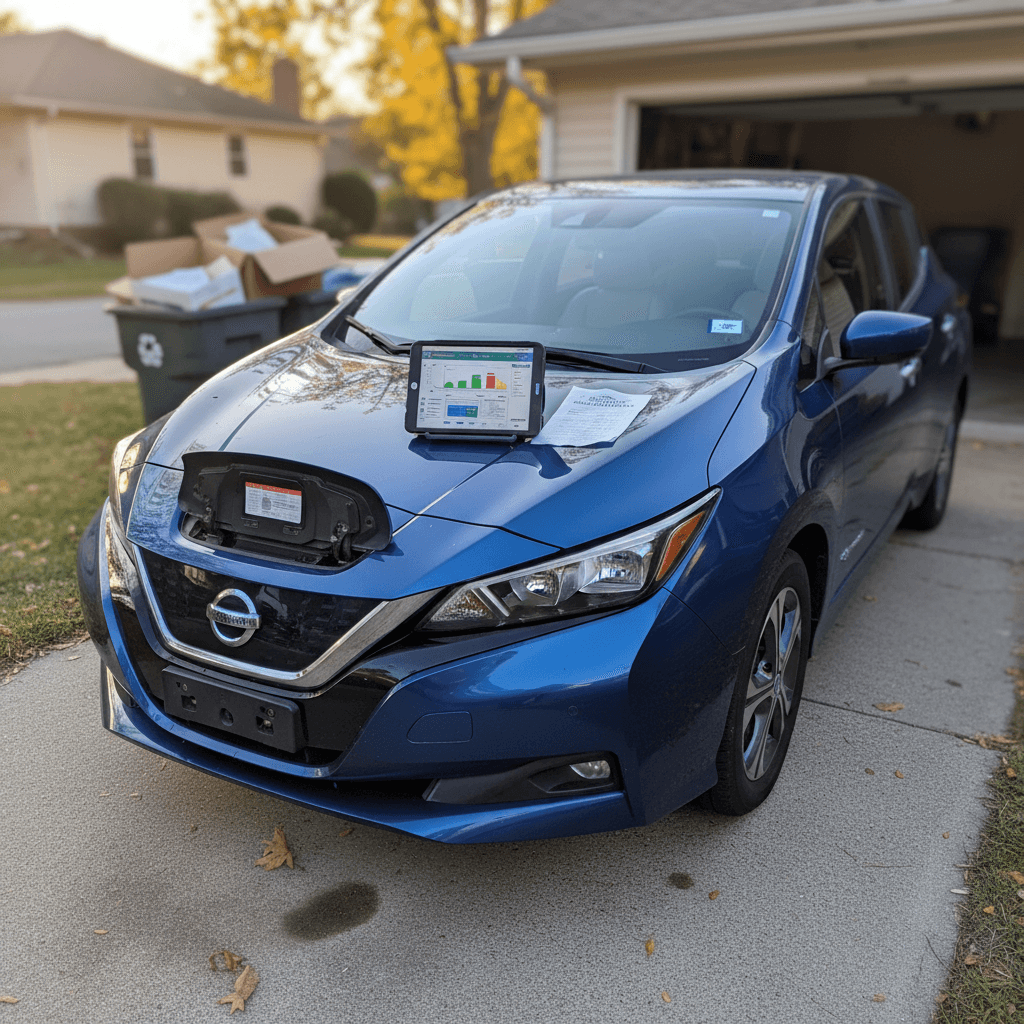
If you’re shopping used EVs on a budget, you’ve almost certainly asked yourself: is a 2021 Nissan Leaf a good buy in 2025? The short answer: it can be a fantastic value for the right driver, but only if you understand its range limits, battery health, and awkward fast‑charging port before you sign anything.
Key takeaways in 30 seconds
Quick answer: Is 2021 Nissan Leaf a good buy?
Where the 2021 Leaf shines, and where it doesn’t
A realistic snapshot before we dive into the details
Why it CAN be a good buy
- Low prices thanks to heavy EV depreciation and lost tax credits.
- Simple, proven drivetrain with no engine, transmission, or oil to service.
- Comfortable commuter with a quiet ride and easy hatchback practicality.
- Standard safety tech like automatic emergency braking and blind‑spot monitoring on most trims.
Why it’s NOT for everyone
- Shorter range than newer EVs, 149 miles (40 kWh) or 215–226 miles (62 kWh) when new.
- CHAdeMO fast‑charge port, which is being phased out in North America.
- No active liquid battery cooling, so heat and fast‑charging can accelerate degradation.
- Depreciation hit continues, especially if battery health is poor.
So, is the 2021 Nissan Leaf a good buy? If you’re a mostly‑city or suburban driver with home charging and realistic expectations, yes. If you dream of spur‑of‑the‑moment cross‑country road trips and want the latest charging standard, you’ll be happier in something else.
2021 Nissan Leaf trims, batteries, and real-world range
Before you judge whether a 2021 Leaf fits your life, you need to know which Leaf you’re looking at. Nissan sold two basic versions in 2021: the standard Leaf with a 40 kWh battery, and the Leaf Plus with a 62 kWh pack. Range and performance are dramatically different.
2021 Nissan Leaf trims and EPA range when new
Use this to match the trim on a used listing to its original rated range. Real‑world numbers will be lower in 2025, but it’s a useful starting point.
| Trim (2021) | Battery | Horsepower | EPA Range (mi) | Best Use Case |
|---|---|---|---|---|
| S | 40 kWh | 147 hp | 149 | Short urban/commuter use, second car |
| SV | 40 kWh | 147 hp | 149 | Daily commuting with modest mileage |
| S Plus | 62 kWh | 214 hp | 226 | Longer commutes, light highway trips |
| SV Plus | 62 kWh | 214 hp | 215 | More features, still good range |
| SL Plus | 62 kWh | 214 hp | 215 | Top trim, road‑trip capable within CHAdeMO limits |
EPA‑estimated ranges are from the original model year; expect some loss from battery degradation and weather.
Trim decoding tip
- 40 kWh models (S, SV): Think of these as 90–120‑mile real‑world cars by 2025, depending on climate, driving style, and battery health.
- 62 kWh “Plus” models: Originally rated 215–226 miles, many owners now report 180–200 miles of mixed driving after a few years, sometimes less in cold weather.
- High speeds, cold temps, and lots of highway miles can easily knock 20–30% off those headline numbers on a given day.
How the 2021 Leaf’s battery holds up over time
Battery health is the whole ballgame with a used Leaf. Unlike many newer EVs, the Leaf’s pack doesn’t use active liquid cooling. That keeps costs down but makes it more sensitive to heat and repeated DC fast‑charging over its life.
What affects 2021 Leaf battery health most?
Three things matter more than the odometer alone
Climate
Fast‑charging history
Age & storage habits
Don’t rely on dash bars alone
Nissan’s battery warranty on the 2021 Leaf covers capacity loss down to 9 bars (about 70% of original capacity) within 8 years/100,000 miles from the original in‑service date. In 2025, many 2021 cars are about halfway through that window. That’s good news, but only if you know where that car sits today.
Reality check: Used Leaf battery expectations
Where Recharged helps
Charging the 2021 Leaf: CHAdeMO vs modern standards
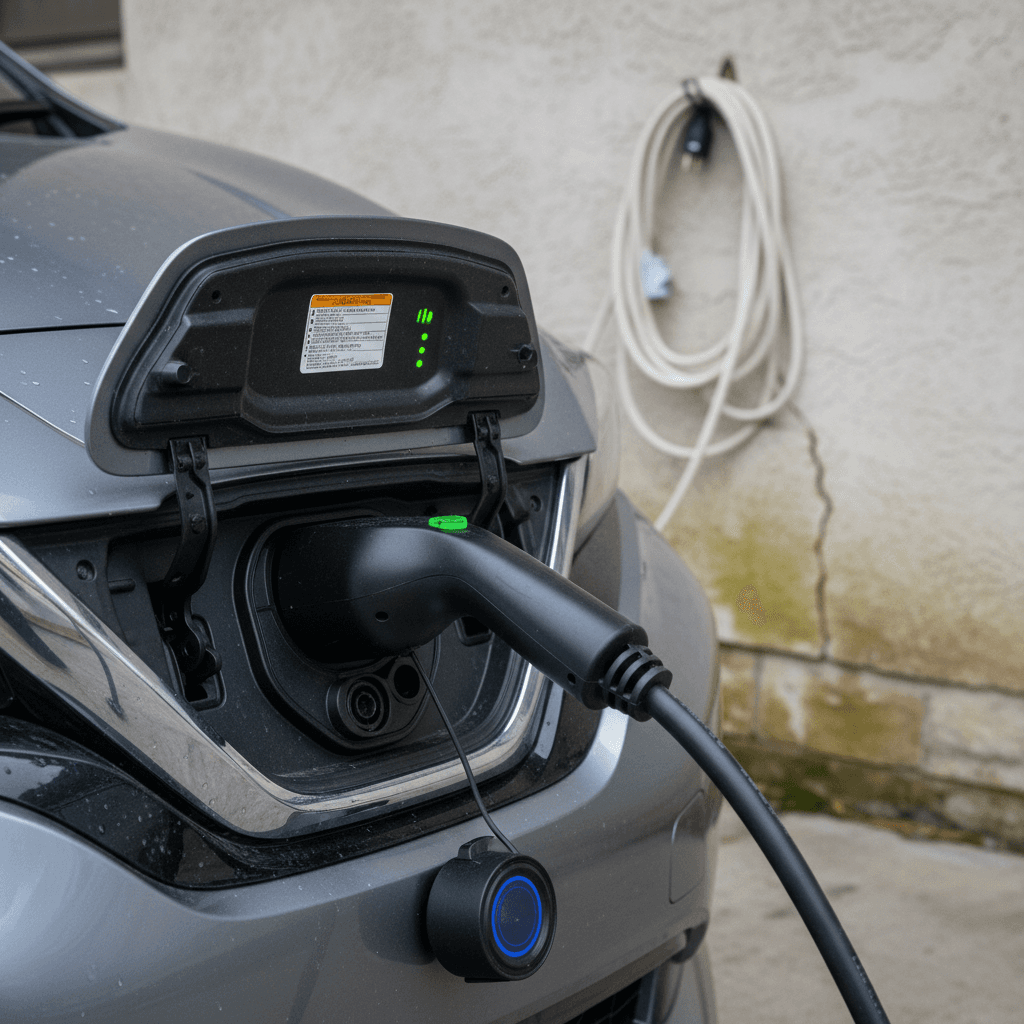
Here’s the elephant in the room: while almost every newer North American EV uses CCS or is moving to NACS (Tesla’s connector), the 2021 Leaf uses CHAdeMO for DC fast‑charging. That mattered a lot less in 2018 than it does in 2025.
Home and Level 2 charging
- All 2021 Leafs have a J1772 port for Level 1 (120V) and Level 2 (240V) AC charging.
- On a 240V Level 2 charger, a 40 kWh Leaf can go from empty to full in roughly 7–8 hours; a 62 kWh Plus in about 11 hours.
- For typical commuting, you’ll plug in at night and wake up with a full battery, no different from other EVs.
DC fast‑charging reality in 2025
- The Leaf uses CHAdeMO, while most new stations are CCS or NACS only.
- Some networks are removing or not replacing CHAdeMO stalls as they age.
- On long trips, you’ll need to be far more deliberate about planning stops that still offer CHAdeMO, especially outside major metro areas.
Critical if you road trip
Pricing, depreciation, and total cost of ownership
One big reason you’re even asking whether the 2021 Leaf is a good buy: they’ve gotten cheap. Early EV tax credits, heavy incentives, and rapid tech improvement mean Leafs have depreciated harder than many gas cars.
Typical 2021 Nissan Leaf pricing bands in 2025 (U.S.)
Approximate retail asking prices you’re likely to see at dealers and online marketplaces. Local markets and mileage can swing these numbers.
| Trim & condition | Typical mileage | Ballpark asking price | Notes |
|---|---|---|---|
| 40 kWh S/SV, higher miles | 50k–80k+ | $10,000–$13,000 | Most affordable; check battery health carefully. |
| 40 kWh S/SV, low miles | Under 40k | $13,000–$15,500 | Good commuter value if battery is strong. |
| 62 kWh Plus, higher miles | 60k–90k | $14,000–$17,000 | Range is still decent; road‑trip potential limited by CHAdeMO. |
| 62 kWh Plus, low miles | Under 45k | $17,000–$20,000+ | Best all‑rounders; shop carefully against newer EVs and remaining tax‑credit models. |
These ranges assume clean titles and average mileage. Exceptional battery health, rare options, or CPO status can push prices higher.
Why cheap doesn’t always mean “good deal”
- Insurance and maintenance are usually lower than a comparable gas hatchback, no timing belts, transmission rebuilds, or oil changes.
- Electricity vs gas can save you thousands over a few years if you charge at home on a decent rate plan.
- Resale value will keep sliding as newer long‑range, CCS/NACS‑equipped EVs flood the used market. Buy a 2021 Leaf because it’s the right car for you now, not because you expect to resell it at a profit later.
Who the 2021 Nissan Leaf is perfect for
Best and worst‑fit drivers for a 2021 Leaf
Match your real life to the Leaf’s strengths and weaknesses
Great fit
- Urban and suburban commuters with round‑trip drives under 70–80 miles.
- Households with two cars where the Leaf handles commuting and errands and another car covers long‑distance duty.
- Drivers with home Level 2 charging who rarely need public infrastructure.
- Noise‑ and comfort‑sensitive commuters who enjoy a quiet, smooth electric drive more than razor‑sharp handling.
Probably not a fit
- Frequent interstate road‑trippers who depend on DC fast‑charging.
- Drivers in very cold or very hot climates who need full EPA range year‑round.
- Apartment dwellers without consistent access to overnight charging.
- Anyone expecting their next car to last them 10+ years and still feel “current” on tech and charging standards.
Red flags to check before you buy
With any used 2021 Leaf, the devil is in the details. Two cars that look identical in photos can offer wildly different ownership experiences depending on how they’ve been driven and charged.
Top red flags on a 2021 Nissan Leaf
1. Fewer than 11 capacity bars
If the battery gauge shows 10 or fewer of the small bars on the right, capacity loss is already significant. That doesn’t automatically kill the deal, but the price should reflect the reduced range and looming warranty considerations.
2. No documentation on battery health
A seller who can’t provide a recent battery report or app screenshot of State of Health is asking you to buy blind. On Recharged, every Leaf includes a verified <strong>Recharged Score</strong> and detailed battery data so you know what you’re getting.
3. Car lived its life in extreme heat
Arizona, Nevada, parts of Texas and the Southeast can be hard on passively cooled packs. A desert‑based Leaf deserves extra scrutiny on battery SOH and price.
4. Heavy DC fast‑charging history
Lots of fast‑charge use early in life can accelerate degradation. If a previous owner used CHAdeMO for daily fueling instead of Level 2 at home, walk the price down or walk away.
5. Unexplained range swings or warning lights
Stories about the gauge dropping suddenly, strange power‑limit warnings, or repeated EV system warnings may point to deeper battery or high‑voltage issues. Those are not cheap guesses to make on your own.
6. Suspiciously cheap price
If a 2021 Leaf is thousands below market, assume there’s a reason: salvage title, weak pack, missing airbag deployment record, or unresolved recalls. Verify, don’t hope.
Use your test drive well
How Recharged evaluates a 2021 Leaf
Shopping Leafs privately means you’re often relying on seller claims and a handful of dash photos. At Recharged, every 2021 Leaf goes through a standardized EV‑specific inspection designed around battery health, fair pricing, and transparent history.
Inside a Recharged 2021 Leaf evaluation
What happens before a Leaf ever reaches the storefront
Battery diagnostics
History & pricing analysis
Convenience services
Ready to find your next EV?
Browse VehiclesIf you’re comparing a 2021 Leaf to other used EVs, that data matters. A Leaf with a healthy 62 kWh pack and fair price can be a terrific buy. The same car with a tired pack and a shiny detail job is a headache waiting to happen.
Step-by-step 2021 Leaf buying checklist
Whether you’re shopping on Recharged or elsewhere, follow this simple roadmap to decide if a specific 2021 Leaf is truly a good buy for you.
Two paths to a smart 2021 Leaf purchase
Path A: You have home charging and short trips
Confirm your daily round‑trip mileage and add a winter weather buffer, aim for a car whose real range is at least <strong>2× your typical commute</strong>.
Prioritize <strong>40 kWh S or SV</strong> trims if budget is tight; they’re fine for shorter commutes.
Get a verified <strong>battery health report</strong> (or buy a car with a Recharged Score). Avoid anything trending toward the 9‑bar warranty threshold.
Plan to install or use existing <strong>Level 2 home charging</strong> so you rarely rely on public stations.
Negotiate based on battery health, not just mileage and cosmetics. A strong pack is worth paying up for.
Path B: You occasionally road trip
Focus on <strong>62 kWh Leaf Plus</strong> trims (S Plus, SV Plus, SL Plus) for better highway range.
Map your usual routes and verify <strong>CHAdeMO coverage</strong> at the stops you’d actually use.
Compare total cost and charging convenience to other used EVs with CCS/NACS, don’t assume the Leaf is always the best value here.
Put extra weight on battery health and DC fast‑charging behavior during your test drive.
If the CHAdeMO limitations or route planning feel like a hassle now, believe yourself, that won’t get better with time.
Universal 2021 Leaf pre‑purchase checklist
Confirm trim and battery size
Is it a 40 kWh or 62 kWh car? Don’t guess. Match the trim badge (S, SV, S Plus, etc.) to its original battery and range, and verify in the listing details.
Get real battery health data
Ask for a recent battery health report or buy from a source like Recharged that provides a <strong>Recharged Score</strong> and detailed pack diagnostics.
Review charging options
Do you have a reliable place to charge at home or work? Are there CHAdeMO fast chargers on the routes that matter to you, or will you live mostly on Level 2?
Check warranty status
Look up the original in‑service date so you know how much of the 8‑year/100,000‑mile battery warranty is left. A few months can make a big difference.
Inspect history and underbody
Review the vehicle history report for major accidents or floods and have the underbody inspected for rust, especially in snow‑belt states.
Test drive like you own it
Drive your normal mix of roads, watch how quickly the state of charge drops, and listen for clunks or whines from the drivetrain. Anything that worries you now will drive you nuts later.
Frequently asked questions about the 2021 Nissan Leaf
2021 Nissan Leaf: common shopper questions
Bottom line: Should you buy a 2021 Nissan Leaf?
The 2021 Nissan Leaf is no longer the bleeding edge of EV tech, and it was never a cross‑country cruiser. But that’s not what makes it interesting in 2025. What makes it interesting is this: for the price of a tired compact gas car, you can get a quiet, simple, nearly maintenance‑free electric hatchback that’s perfect for thousands of real‑world commutes, if you choose carefully.
If your life is mostly school runs, office runs, grocery runs, and you can plug in at home, a well‑priced 2021 Leaf with a healthy battery is absolutely a good buy. If you crave long‑range freedom, universal fast‑charging, and the latest standard, it’s better to walk past those tempting low prices and into something newer.
Either way, don’t let uncertainty about battery health or pricing be the thing that keeps you up at night. With tools like the Recharged Score battery report, transparent market‑based pricing, and EV‑savvy support from the first click to delivery, you can decide whether a 2021 Leaf is the right EV for you, eyes wide open and wallet protected.