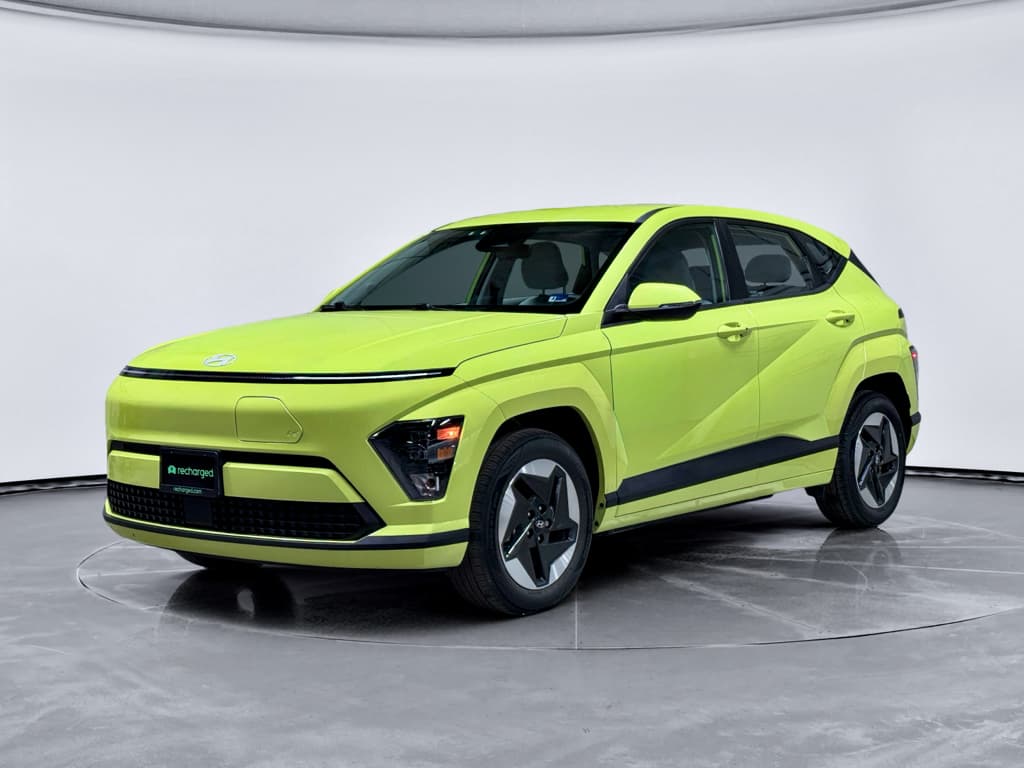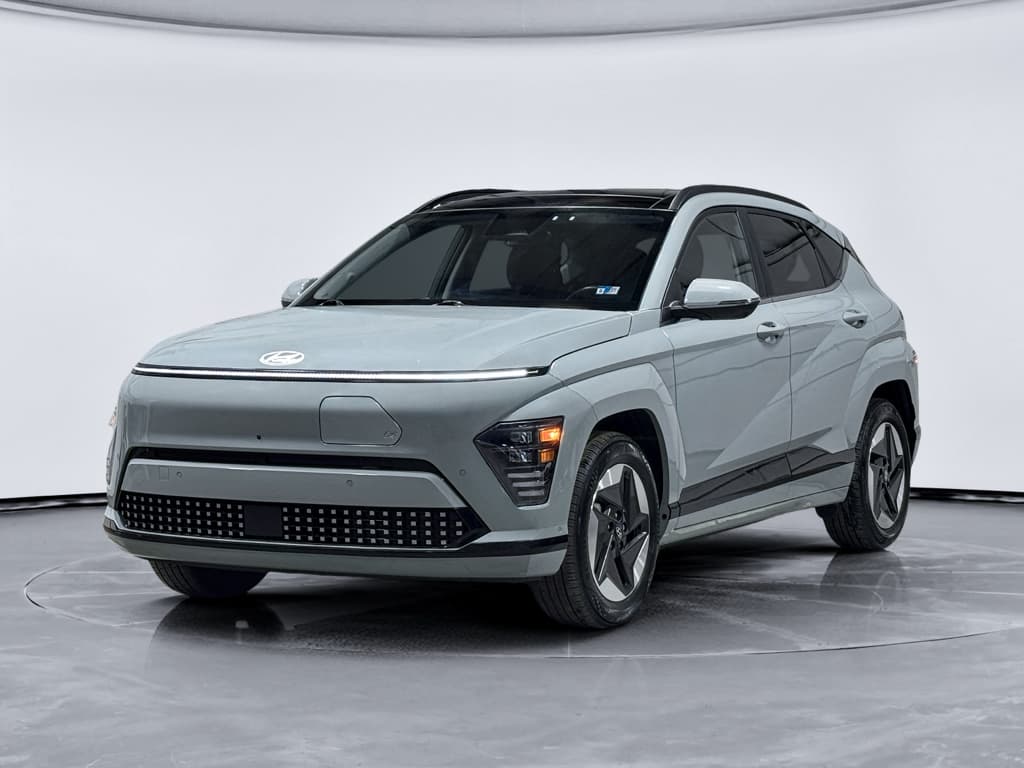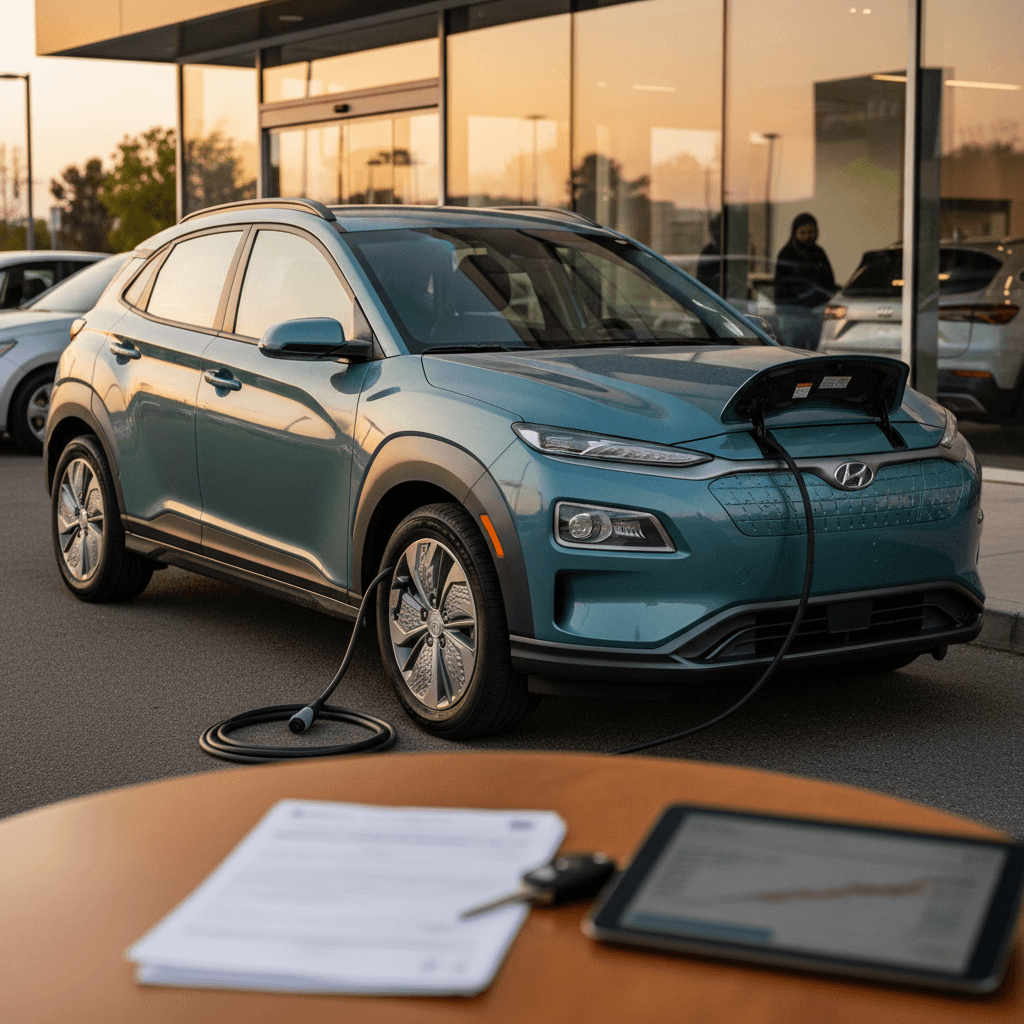
If you’re shopping for a practical, reasonably priced used EV with real highway range, the 2020 Hyundai Kona Electric belongs on your short list. On paper it offers around 258 miles of EPA-rated range, punchy performance, and a long battery warranty. On the used market in 2026, it’s also deeply depreciated, often less than half of its original sticker, making it one of the most attainable long‑range EVs you can buy.
Model years covered
Overview: Is the 2020 Kona Electric a Good Used EV?
Why the 2020 Kona Electric is a hidden‑gem used EV
- Excellent real‑world range for a small crossover, often 230–260 miles in mixed driving when the battery is healthy.
- Strong efficiency, meaning lower electricity costs than many larger EVs.
- Compact footprint that’s easy to park but still offers hatchback practicality.
- Long battery warranty (10 years/100,000 miles on the high‑voltage battery for original owners; coverage can transfer, depending on state and paperwork).
- Massive depreciation, so you can access long‑range EV performance for used‑Toyota‑Corolla money.
Main reasons to be cautious
- Battery fire recall history on early Kona EVs means you must verify recall completion and whether a full pack replacement was done.
- DC fast‑charging is good, not great by 2026 standards, fine for occasional road trips, slower than the newest EVs.
- Rear seat and cargo space are on the small side for a family SUV.
- Hyundai dealer EV expertise is inconsistent, so complex repairs can be slow in some areas.
Quick verdict
Key Specs: Range, Battery, and Charging
2020 Hyundai Kona Electric Key Numbers
Every U.S.‑market 2020 Kona Electric uses the larger 64 kWh battery and a single front electric motor rated around 201 horsepower and 291 lb‑ft of torque. In real‑world use, most owners see between 3.5 and 4.5 miles per kWh, which puts mixed‑driving range squarely in the high‑200s on temperate days if the battery is healthy.
- Onboard AC charger: 7.2 kW (Level 2), roughly 9–10 hours for 0–100% on a 40‑amp home circuit
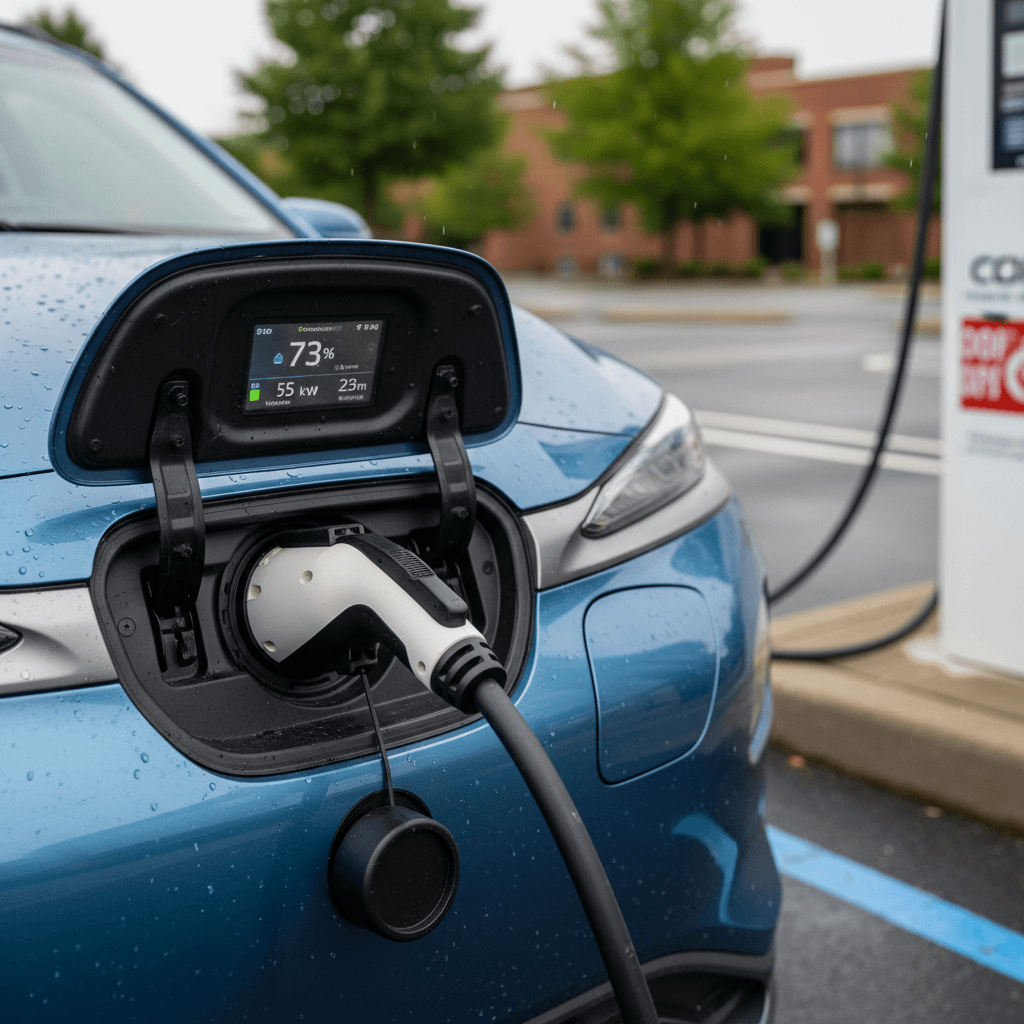
- DC fast‑charge peak: typically 70–80 kW on a 100 kW charger, with a taper above ~60–70% state of charge
- Charging ports: CCS for DC fast charging, J1772 for Level 1/2 charging
- Drive layout: Front‑wheel drive only; there is no AWD Kona Electric in 2020
Home charging sweet spot
Driving Experience and Comfort
On‑Road Personality of the 2020 Kona Electric
Small‑SUV practicality with surprisingly quick responses
Punchy acceleration
City‑friendly size
Firm but controlled ride
Inside, the 2020 Kona Electric feels more like a well‑equipped subcompact than a full‑size SUV. Front‑seat space is generous, with a high seating position and straightforward controls. The rear seat is acceptable for kids or shorter adults, but taller passengers may find knee room and headroom tight on long trips. Cargo space is practical for groceries, strollers, or luggage for two, but families who routinely haul lots of gear may find it limiting.
Infotainment and features
Battery Life, Recall History, and Warranty
When you’re evaluating a used 2020 Hyundai Kona Electric, the single biggest story is the battery. Not because these cars tend to wear out packs quickly, in fact, many owners report very modest degradation, but because of Hyundai’s global high‑voltage battery recall on early Kona EVs. Some 2019–2020 cars received brand‑new packs under warranty, while others had software updates or monitoring applied.
Battery recall is non‑negotiable
2020 Kona Electric Battery & Warranty Snapshot
What most U.S. shoppers can expect, always verify specific coverage with documentation.
| Item | Typical Coverage | What It Means for You |
|---|---|---|
| High‑voltage battery warranty | 10 years / 100,000 miles (from original in‑service date) | Defects in materials/workmanship are covered; normal degradation is usually not. |
| Powertrain warranty | 10 years / 100,000 miles (original owner in many states) | Motor, reduction gear, and related components are covered for long‑term peace of mind. |
| Basic bumper‑to‑bumper warranty | 5 years / 60,000 miles | Most electronics, interior, and body hardware were covered when new; many used 2020s will now be out of basic coverage. |
| Battery recall repair | Varies: pack replacement or software update | A car with a documented new pack is a major plus in the used market. |
Battery warranty can vary by region and original sale terms; always confirm with paperwork.
Real‑world battery longevity
Reliability and Common Issues on 2020 Kona EVs
Reliability is a mixed story. Mechanically, the Kona Electric’s simple single‑motor drivetrain has relatively few moving parts and has proven robust for many owners. However, the battery recall, scattered 12‑volt battery issues, and some dealer‑support challenges have hurt its reputation in certain surveys. What you experience with a specific car will depend heavily on how it was serviced and by whom.
Known 2020 Kona Electric Trouble Spots
Most are manageable if you know where to look
High‑voltage battery recall history
12‑volt battery failures
Infotainment and CarPlay quirks
Dealer EV expertise
How Recharged helps de‑risk reliability
Used Pricing, Depreciation, and Value
When it was new, a 2020 Hyundai Kona Electric typically stickered in the mid‑$30,000s to low‑$40,000s depending on trim and options, before incentives. Five to six years later, depreciation has been steep. Many 2020 cars on the U.S. used market in 2026 transact in the mid‑teens to low‑$20,000s, with higher‑mile examples sometimes dipping closer to $14,000 from dealers.
2020 Kona Electric Value Snapshot (2026)
How incentives affect used prices
How the 2020 Kona Electric Compares to Rivals
2020 Kona Electric vs. Popular Used EV Alternatives
Approximate comparisons for shoppers cross‑shopping used long‑range EVs in 2026.
| Model | Typical Used Price (2026) | EPA Range (approx.) | DC Fast Charge Strengths | Key Pros | Key Cons |
|---|---|---|---|---|---|
| 2020 Hyundai Kona Electric | ≈$14k–$22k | ≈258 mi | Peaks around 70–80 kW; ~45–55 min 10–80% | Excellent efficiency and range for the money; compact and easy to live with | Rear seat/cargo small; recall history requires homework |
| 2019–2020 Chevy Bolt EV | Lower teens to low $20k | ≈238 mi | Up to ~55 kW on most units | Good range; often cheaper than Kona; simple packaging | Tighter rear seat; DC charging slower; some pack recall history of its own |
| 2019–2020 Nissan Leaf Plus | Low teens to high teens | ≈215–226 mi | CHAdeMO fast charging; network shrinking | Comfortable ride; hatchback practicality | Range and charging tech feel older; CHAdeMO is being phased out |
| 2020 Kia Niro EV | High teens to mid‑$20k | ≈239 mi | Similar 70–80 kW peak to Kona | Roomier cabin, more conventional crossover look | Typically costs more than Kona for similar equipment |
Specs and pricing can vary widely by market and vehicle condition; always compare real cars, not just spec sheets.
Where the Kona Electric shines
Checklist: What to Check Before You Buy
Used 2020 Kona Electric Pre‑Purchase Checklist
1. Verify recall and service history
Ask the seller for a full Hyundai service printout and run the VIN on Hyundai’s recall site. Confirm whether the high‑voltage battery was replaced, and that all software updates and safety recalls are completed.
2. Confirm battery warranty status
Look at the original in‑service date and mileage. Determine how much of the 10‑year/100,000‑mile battery warranty (if applicable in your region) remains and whether it transfers to you.
3. Evaluate real‑world range
On a reasonably warm day, take a long test drive. Reset a trip meter and observe energy use (mi/kWh) and the projected range. You don’t need lab‑grade data, but you do want to avoid cars that show unusually low range for their state of charge.
4. Inspect charging behavior
If possible, plug into both a Level 2 charger and a DC fast charger. Confirm that the car accepts charge without error messages and that DC charging ramps up as expected once the session starts.
5. Check 12‑volt battery and accessories
Ask if the 12‑volt battery has been replaced; a newer AGM unit is a plus. Test all accessories, HVAC, heated seats, cameras, audio, and driver‑assistance systems, for proper operation.
6. Look for collision or flood damage
As with any used car, review a vehicle history report and have an independent inspection done. Pay attention to uneven panel gaps, mismatched paint, corrosion, or warning lights related to the high‑voltage system.
7. Consider who you’re buying from
A private‑party bargain can be tempting, but an EV‑focused retailer like <strong>Recharged</strong> can provide battery health diagnostics, transparent pricing, financing options, and nationwide delivery, critical safeguards when you’re new to EVs.
Red flags to walk away from
Who the 2020 Kona Electric Fits Best
Great fit for
- Commuters with daily drives under 80–100 miles who want to charge at home and rarely think about range.
- Urban and suburban households that value easy parking and low running costs more than maximum cargo space.
- First‑time EV buyers who want long range without paying new‑EV money.
- Multi‑car families looking to add an efficient electric runabout as a second vehicle.
May not be ideal for
- Drivers who road‑trip constantly and care deeply about the fastest possible DC charging, newer 800‑volt EVs will serve you better.
- Families needing maximal rear‑seat and cargo room; consider a larger crossover or wagon‑style EV.
- Shoppers without access to reliable Level 2 charging at home or work, public infrastructure can bridge the gap, but convenience will suffer.
FAQ: Used 2020 Hyundai Kona Electric
Frequently Asked Questions About the 2020 Kona Electric (Used)
Bottom Line: Should You Buy a Used 2020 Kona Electric?
As a used‑EV proposition, the 2020 Hyundai Kona Electric is far more compelling in 2026 than its modest exterior might suggest. You’re getting long‑range capability, low running costs, and a proven drivetrain for the price of many basic gas compacts. The trade‑offs are a smaller interior, only‑adequate DC fast‑charging speed by modern standards, and the need to do your homework on recall and battery history.
If you can find a clean, well‑documented example, ideally with a replacement high‑voltage pack, a solid service record, and a thorough battery‑health report, the 2020 Kona Electric remains one of the most rational used‑EV buys on the market. And if you’d rather not navigate that process alone, buying through Recharged gives you access to verified Recharged Score battery diagnostics, fair‑market pricing, financing, trade‑in options, and nationwide delivery, so you can enjoy the strengths of this little electric crossover without inheriting someone else’s problems.