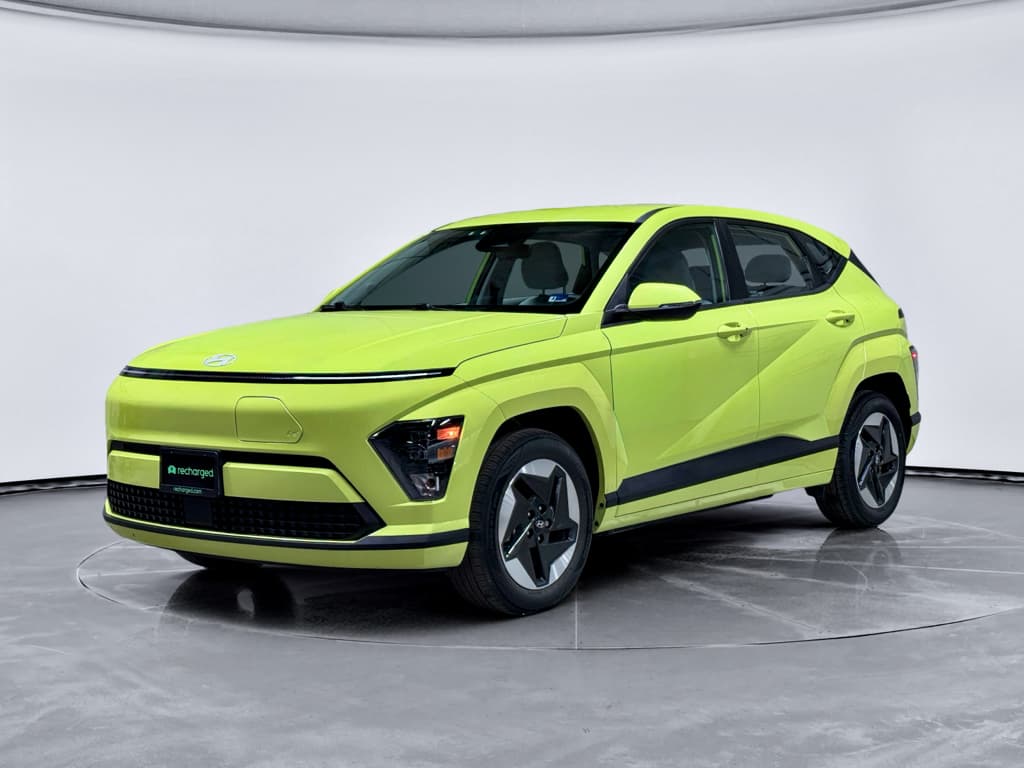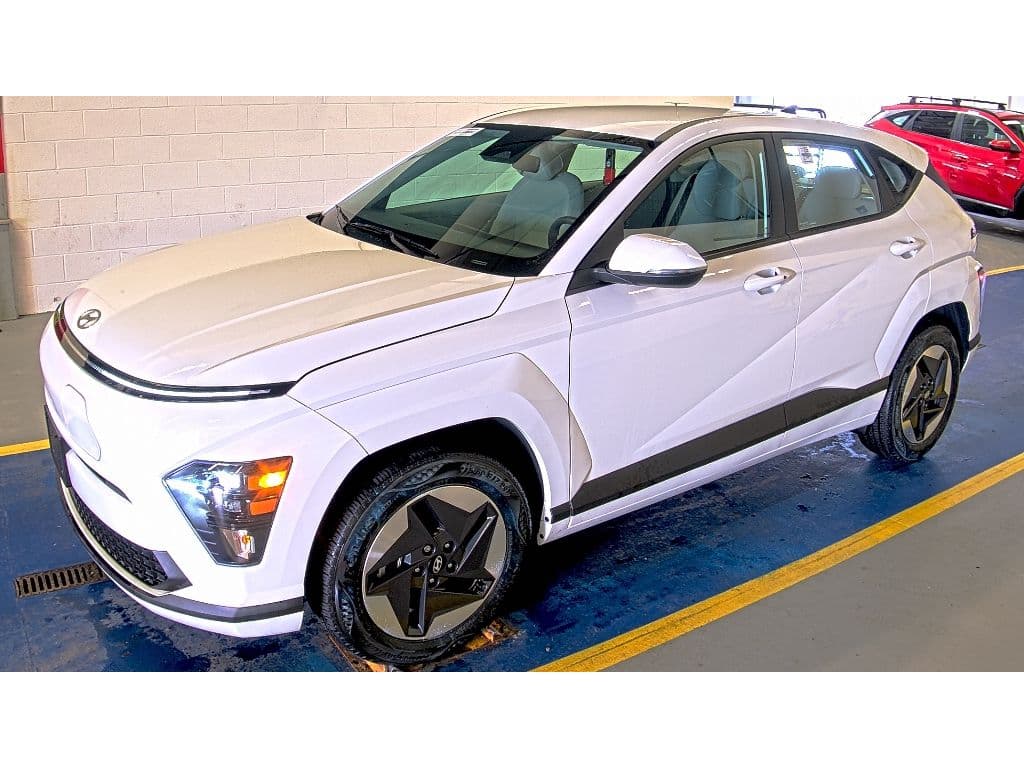
If you’re shopping for a used EV, the 2020 Hyundai Kona Electric is probably on your short list. It’s efficient, quick, and practical, but its reliability story is complicated by a high-profile battery fire recall. This guide walks you through what actually went wrong, how most cars were fixed, and what that means for you if you’re considering a 2020 Kona Electric today.
Key Takeaway on Reliability
Overview: How Reliable Is the 2020 Kona Electric?
Strip away the battery drama, and the 2020 Kona Electric is a well-sorted compact crossover. The permanent-magnet motor, single-speed reduction gear, and basic chassis have generally proven robust. Owners praise its strong range, low running costs, and **quiet, smooth** operation. But you can’t talk about 2020 Hyundai Kona Electric reliability without dealing head-on with the early battery-pack defect that triggered recalls and stop-sales.
2020 Kona Electric Reliability at a Glance*
Why This Year Needs Extra Scrutiny
Battery Recall & Fire Risk: What Actually Happened
In 2019 and 2020, a series of high-profile Kona Electric battery fires were reported worldwide, often after the vehicle had been fully charged and parked. Investigations by Korean regulators and Hyundai traced the issue to a manufacturing defect in certain LG Chem battery cells used in 2019–2020 Kona Electric packs. A folded anode tab could create an internal short circuit, which in rare cases led to thermal runaway and fire.
- Affected vehicles: 2019–2020 Kona Electric and some 2020 Ioniq Electric models with specific LG Chem battery cells
- Initial response: software update to the battery management system (BMS) to limit state of charge and monitor for anomalies
- Final remedy: global recall campaign to inspect and, where necessary, replace the high-voltage battery pack with updated hardware
In North America, Hyundai initiated a safety recall (often listed as Recall 200 or similar in NHTSA records) for 2019–2020 Kona Electric and 2020 Ioniq Electric vehicles. Many early cars first received BMS software updates; later, Hyundai and regulators concluded that full battery replacement was required for affected packs, not just software tweaks.
If the Battery Recall Isn’t Done, Walk Away
2019–2021 Kona Electric Battery Recall Timeline (Simplified)
A high-level look at how the Kona Electric battery issue unfolded for 2019–2020 models.
| Period | What Happened | Impact on 2020 Kona Electric Buyers |
|---|---|---|
| 2019–2020 | Multiple Kona Electric fires reported globally, often after DC fast charging or full charge. | Raised early questions about LG Chem battery reliability in these models. |
| Oct 2020 | Hyundai announces global recall of roughly 77,000 Kona Electrics to address fire risk. | Dealers begin stop-sale on many 2019–2020 Kona EVs until a remedy is defined. |
| Late 2020–Early 2021 | Interim fix: battery management software updates and charge level limits. | Owners asked to limit state of charge and park outside as a precaution. |
| Feb 2021 onward | Hyundai and regulators call for full battery replacement on affected vehicles using specific cells. | Properly remedied cars receive a new, updated battery pack under warranty, improving long-term confidence. |
Exact dates vary by market and VIN; always confirm with a Hyundai dealer by VIN.
Battery Replacement & Long-Term Health Prospects
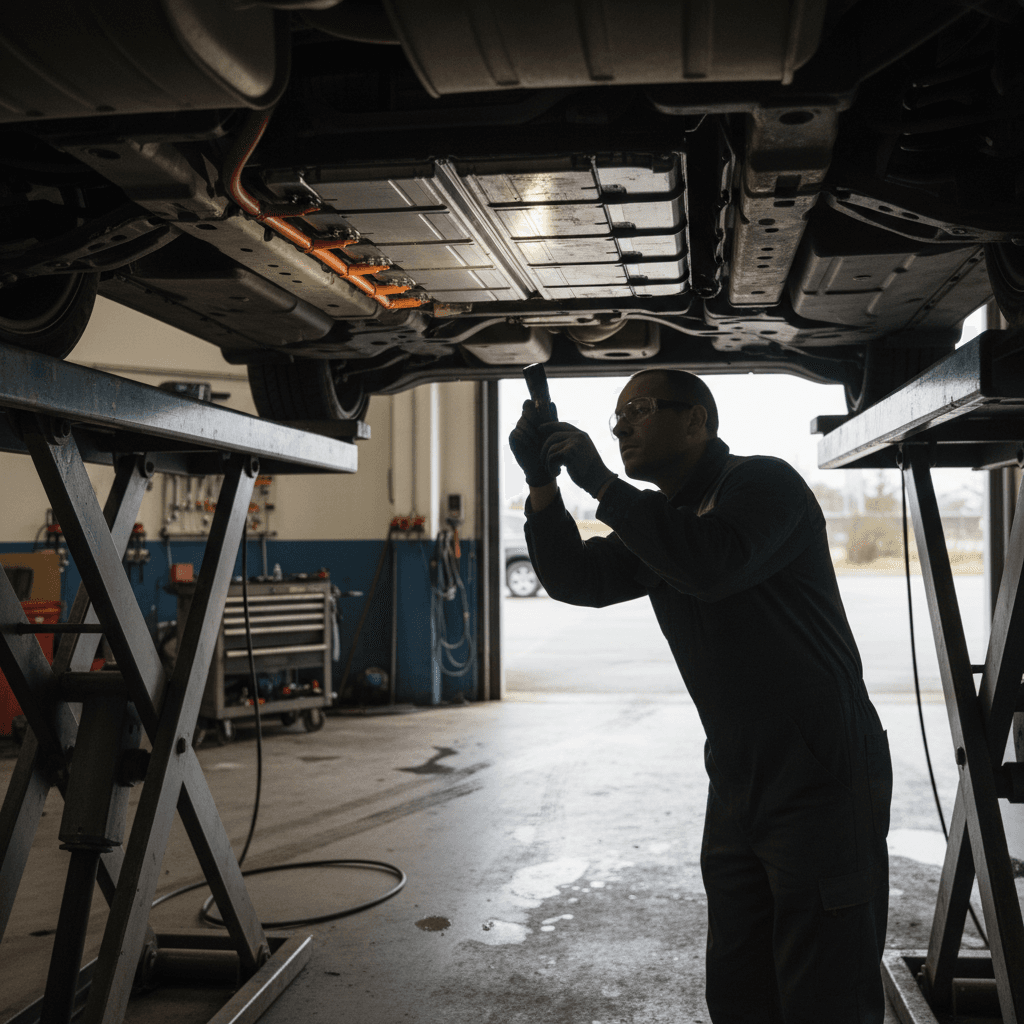
Here’s the twist: the Kona Electric’s biggest reliability black eye can turn into a long-term positive for used buyers, if the car has had its pack replaced. A 2020 Kona Electric that received a new battery under the recall effectively starts a fresh clock on one of the most expensive components in the vehicle.
Scenario 1: Battery Replaced
You’re getting an updated pack designed to eliminate the original manufacturing defect. In many cases, this replacement is covered fully under warranty, and the car continues to carry its original high-voltage battery warranty coverage (often 8 years/100,000 miles in the U.S., starting from the original in-service date).
Real-world owners with replacement packs report normal degradation for a 64 kWh battery, usually single-digit percentage loss after several years, depending on climate and charging habits.
Scenario 2: Battery Not Replaced
This is the red-flag scenario. Even if the BMS software was updated, regulators determined that certain cells still carried an elevated fire risk. You’ll also have a harder time reselling the car, as savvy buyers and dealers now know to check recall status.
In short, no confirmed battery replacement and completed recall? Keep shopping.
How to Confirm Battery Replacement
Other Common 2020 Kona Electric Issues
Once you’ve cleared the big hurdle, battery recall completion, the 2020 Kona Electric’s remaining reliability picture looks a lot like the regular Kona, minus the gasoline hardware. That’s mostly good news, but there are a few things to watch for.
Known Trouble Spots on 2020 Kona Electric
Most are manageable if you know what to look for before you buy.
A/C Compressor Failures
Some 2020 Konas (gas and EV) have experienced early A/C compressor failures, sometimes under 20,000 miles. In an EV, losing A/C can also affect battery cooling and cabin comfort.
Make sure the A/C blows cold quickly and ask if the compressor has ever been replaced under warranty.
12V Electrical Glitches
Owners have reported occasional low-voltage (12V) battery drain and warning lights after software updates or long periods of sitting. These issues are usually addressed with software patches or a fresh 12V battery.
On a test drive, watch for random warning messages, infotainment reboots, or difficulty starting the car.
Minor Fit, Finish & NVH
A few Kona owners mention wind noise, rattles from the cargo area, or squeaks from interior trim over rough pavement. These aren’t safety issues but can be annoying on a quiet EV.
On your drive, pay attention at highway speeds and over rough roads.
The Upside of an EV Drivetrain
Warranty Coverage on a 2020 Kona Electric Today
Most 2020 Hyundai Kona Electrics were sold with a strong factory warranty. Exact coverage can vary slightly by region and original sale terms, but in the U.S. you’ll typically see:
- 5-year/60,000-mile basic (bumper-to-bumper) warranty from the original in-service date
- 10-year/100,000-mile powertrain warranty for the original owner (shorter for subsequent owners in some states)
- High-voltage battery warranty of around 8 years/100,000 miles against excessive capacity loss or defects
- Separate corrosion and roadside-assistance coverage windows
Because we’re now in 2026, most 2020 Kona Electrics are out of basic warranty but still within their high-voltage battery coverage and, in many cases, powertrain coverage depending on ownership history. If the battery was replaced under recall, that work is covered by its own parts and labor warranty, which can give you extra peace of mind.
Always Verify Warranty Status by VIN
Used 2020 Kona Electric Buying Checklist
If you’re looking at a 2020 Kona Electric on a dealer lot or from a private seller, use this checklist to separate the keepers from the question marks.
Pre-Purchase Checklist for 2020 Hyundai Kona Electric
1. Confirm Battery Recall Completion
Ask for service records that show the recall campaign code and whether the <strong>high-voltage battery pack was replaced</strong>. Then call a Hyundai service department with the VIN to cross-check. No clear documentation? Treat that as a deal-breaker.
2. Request a Battery Health Report
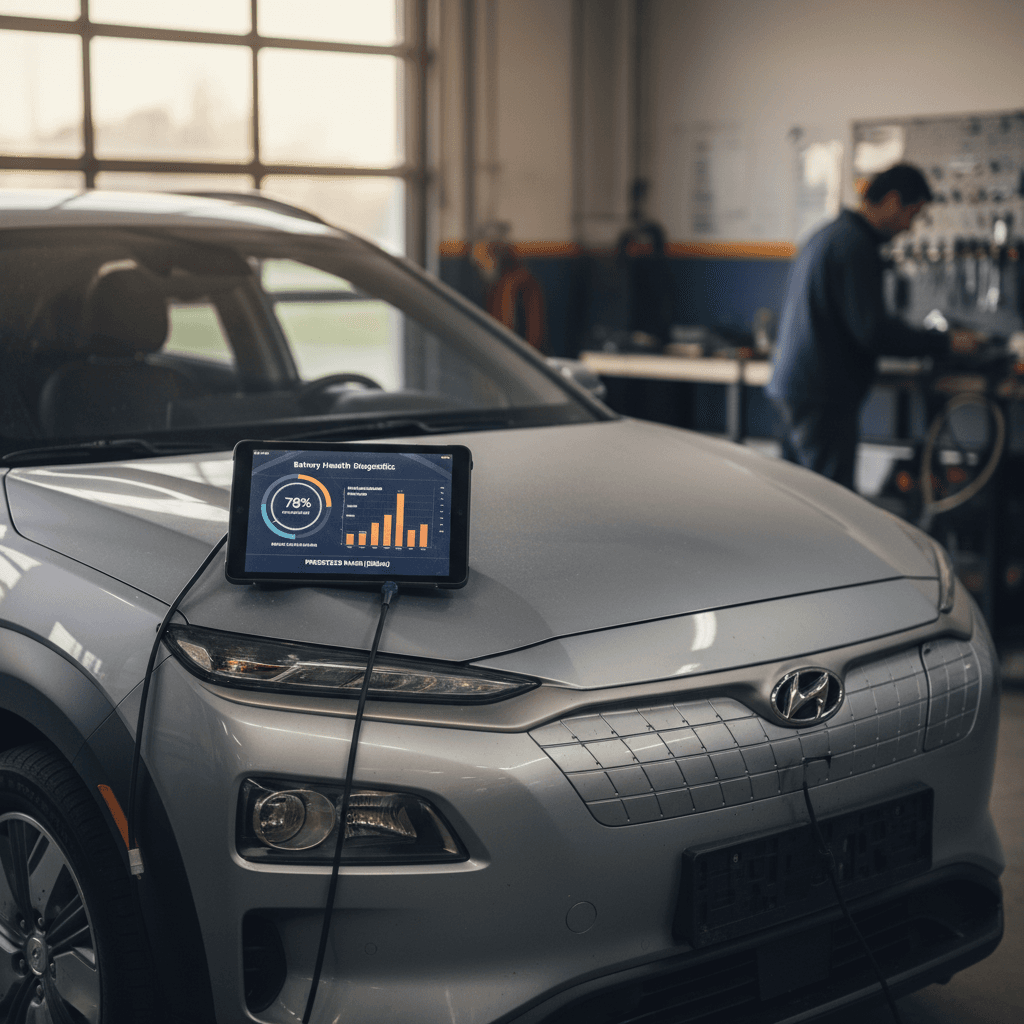
You want more than just “it seems fine.” A proper <strong>state-of-health (SOH)</strong> report shows remaining capacity as a percentage of original. At Recharged, every Kona Electric gets a detailed Recharged Score battery report so you can see real, tested capacity, not guesses.
3. Inspect for DC Fast-Charging Abuse
Moderate fast charging is fine, but a steady diet of high-power DC fast charging in extreme heat can accelerate degradation. Look for patterns in the service history and ask how the previous owner charged, mostly at home Level 2 is ideal.
4. Test A/C and Climate Controls Thoroughly
Run the A/C on MAX and AUTO. Does it cool quickly? Any unusual noises from the engine bay? Intermittent or weak performance might hint at A/C compressor issues that can be costly out of warranty.
5. Check for Warning Lights & Software Updates
On startup, all warning lights should illuminate briefly, then go out. Ask if the car is current on <strong>software campaigns</strong>, including for the BMS, instrument cluster, and driver-assistance systems.
6. Drive at Highway Speeds
Take it to 65–70 mph. Listen for wind noise, rattles, or vibrations. Test adaptive cruise (if equipped) and lane-keeping to be sure driver-assistance features work properly.
7. Review Charging Equipment
Confirm that the OEM portable EVSE and, if applicable, any upgraded Level 2 home charger are included. Inspect the charge port for damage, corrosion, or signs of overheating.
Leverage Third-Party Inspections
How the 2020 Kona Electric Compares to Other Used EVs
When you line up the 2020 Hyundai Kona Electric next to other compact used EVs, think Chevy Bolt EV, Nissan Leaf, or early Tesla Model 3, it lands in an interesting spot. Its official EPA range of around 258 miles put it near the top of the class when new, and it still holds up well if the battery is healthy.
Vs. Chevy Bolt EV (2019–2020)
- Pros: Similar recall-and-replacement battery story, comparable range, roomy interior.
- Cons: Bolt’s cabin is more spacious; Kona offers available active cooling and a more crossover-like driving position.
Vs. Nissan Leaf (62 kWh)
- Pros: Kona’s liquid-cooled pack tends to manage heat better than Leaf’s air-cooled battery.
- Cons: Leaf may be cheaper on the used market, but long-term battery health often favors Kona if the pack is the updated version.
Vs. Early Tesla Model 3 SR+
- Pros: Kona Electric offers hatchback practicality, a more traditional interface, and often lower purchase prices.
- Cons: Tesla’s Supercharger access and software ecosystem are hard to beat for road-trippers.
Reliability vs. Value Sweet Spot
How Recharged Evaluates 2020 Kona Electrics
Buying any used EV is really about battery confidence. That’s why Recharged doesn’t stop at a quick scan and a visual once-over. Every Kona Electric we list goes through a structured process designed specifically for EVs.
What You Get With a Recharged 2020 Kona Electric
Transparent battery data, fair pricing, and EV-specialist support from click to delivery.
Recharged Score Battery Health Report
We run diagnostic tests to measure remaining capacity, charging behavior, and pack balance, then convert that into an easy-to-read Recharged Score. You see exactly how this Kona’s battery stacks up against others of the same year and mileage.
Fair Market Pricing
Because we know the true battery health, we can price each 2020 Kona Electric fairly, rewarding cars with strong packs and adjusting for any history that might impact long-term reliability or resale.
EV-Focused Inspection
Our technicians check common Kona trouble spots, from A/C performance and driver-assistance operation to charging hardware and recalls. We verify that recall work is complete and that there are no open safety campaigns.
Financing, Trade-In & Delivery
Recharged offers financing options, online trade-in or instant offer, and nationwide delivery. You can complete the entire purchase digitally or visit our Experience Center in Richmond, VA if you’d rather talk through options in person.
Ready to find your next EV?
Browse Vehicles2020 Hyundai Kona Electric Reliability FAQ
Common Questions About 2020 Kona Electric Reliability
Bottom Line: Should You Buy a 2020 Kona Electric?
The 2020 Hyundai Kona Electric has two stories. On paper, it’s exactly what many EV shoppers want: compact, efficient, and surprisingly fun, with enough range to make everyday driving easy. In headlines, it’s the car that got tangled up in a major battery recall and fire-risk scare. If you do your homework, confirming recall completion, verifying a healthy replacement pack, and checking common trouble spots, a 2020 Kona Electric can be a smart, high-value used EV with years of useful life ahead.
If you’d rather not play detective on your own, consider browsing 2020 Kona Electrics and other used EVs through Recharged. Every car includes a Recharged Score battery health report, fair market pricing, EV-specialist support, and the option for financing, trade-in, and nationwide delivery. That way, when you plug in at night, you’re not just charging a car, you’re charging a decision you can feel good about.