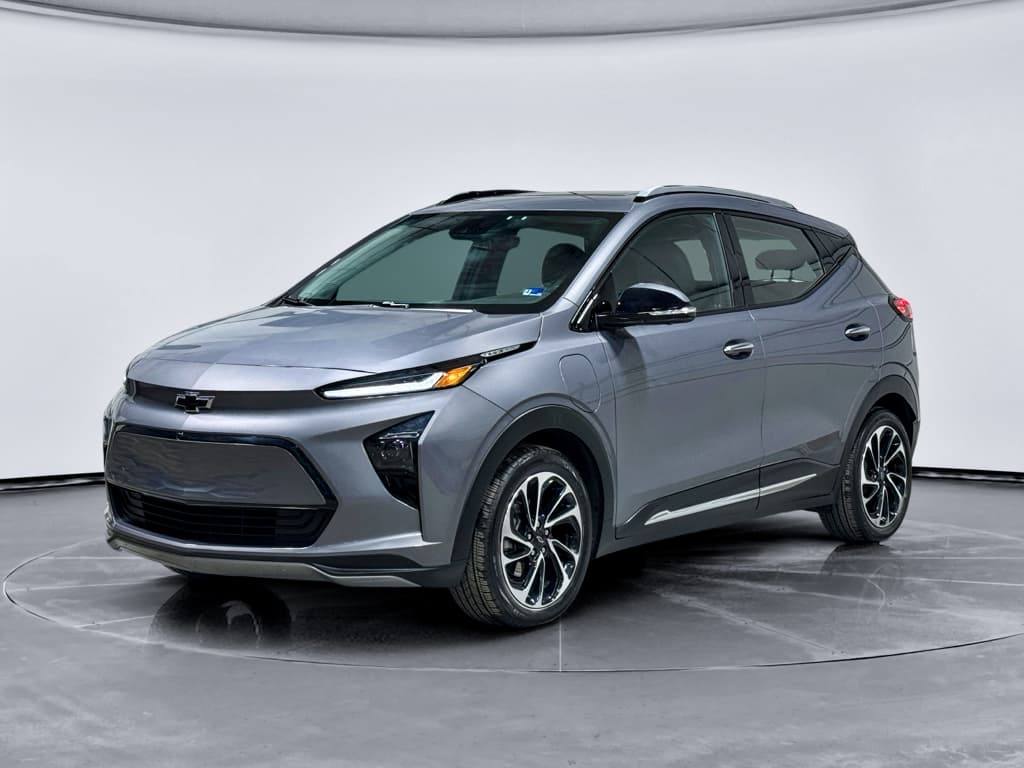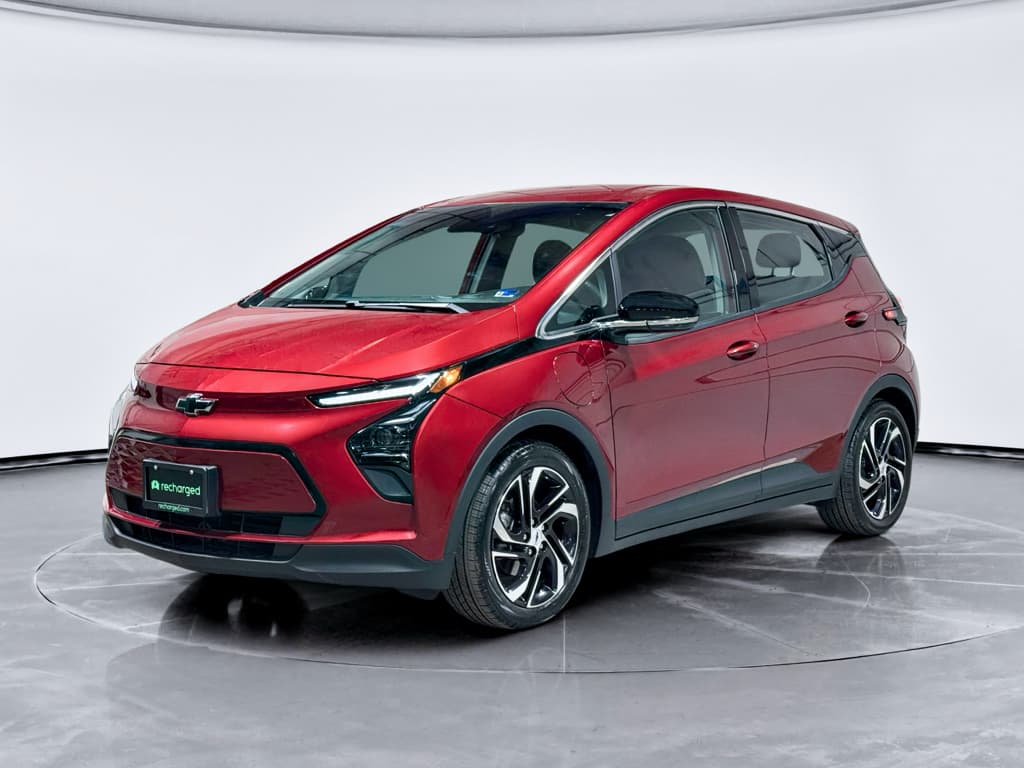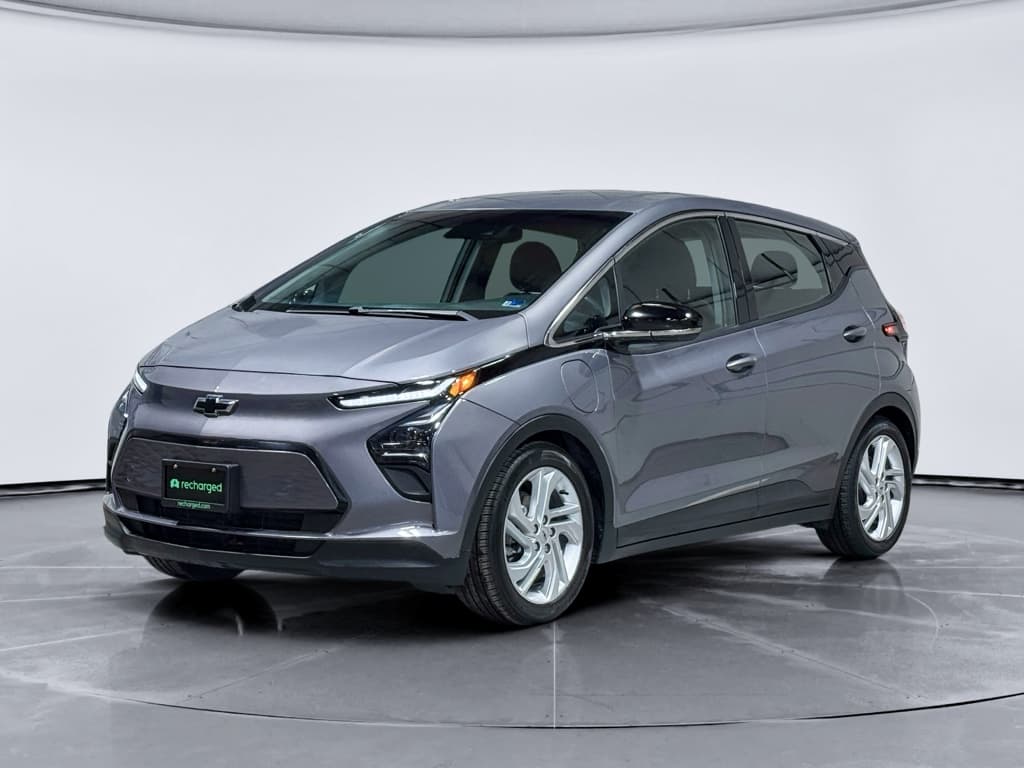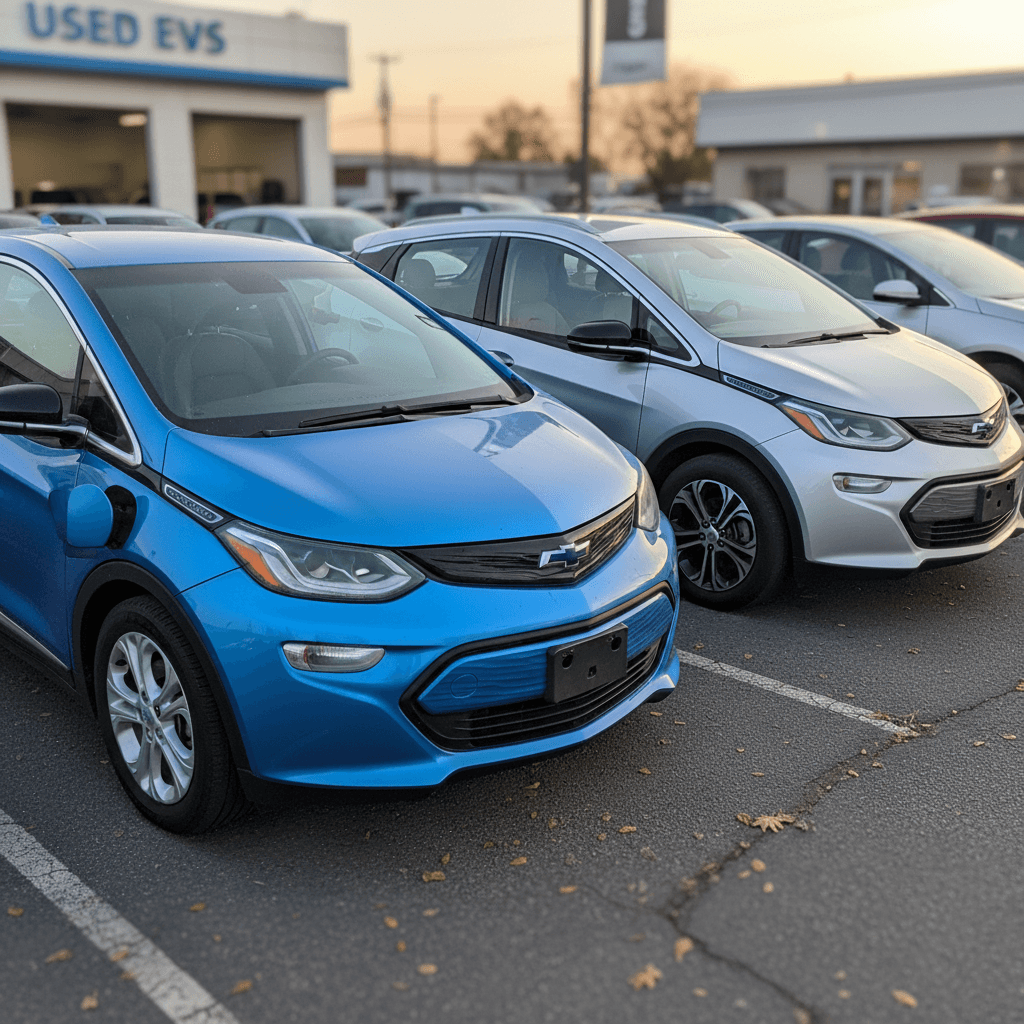
If you’re hunting for the best used Chevrolet Bolt EV to buy in 2026, you’re in a sweet spot. The Bolt EV (and its slightly bigger sibling, the Bolt EUV) has been discontinued, prices have softened, and most cars are now past the worst of the battery recall turbulence. But model years, trims, and recall status matter a lot, and that’s where many buyers get nervous.
Quick take
Why the Chevy Bolt is a smart used buy in 2026
Chevy Bolt used-market highlights for 2026
The Bolt earned its reputation as the affordable long‑range EV. It’s compact on the outside, roomy enough inside for most families, and delivers real‑world range that rivals newer, more expensive models. On the used market in 2026, that combination of practicality and depreciation makes it one of the most budget‑friendly EVs you can buy.
Think total cost, not just price
Bolt EV vs. Bolt EUV: which should you target?
Chevrolet Bolt EV (hatchback)
- Size & feel: Shorter and lighter; feels more like a traditional compact hatchback.
- Range: 259 miles EPA for 2020–2023 models, slightly higher than many EUVs.
- Efficiency: A bit better than EUV thanks to lower weight and smaller frontal area.
- Best for: City drivers, parallel parkers, and commuters prioritizing efficiency over rear‑seat space.
Chevrolet Bolt EUV (stretched crossover‑ish)
- Size & feel: About 6 inches longer with more rear legroom and a slightly more SUV‑like stance.
- Features: Offered options like Super Cruise, rear heated seats, and roof rails unavailable on many EV trims.
- Range: EPA rated at about 247 miles, still plenty for most use cases.
- Best for: Taller adults in back, child seats, and those who prefer a crossover look.
Which does an expert shopper pick?
Best used Chevy Bolt years to buy in 2026
Because of the Bolt’s high‑profile battery recall, the “best year” isn’t just about styling updates or options, it’s also about which battery is in the car and how much warranty remains. Here’s a practical, buyer‑focused ranking for 2026.
Used Chevy Bolt EV / EUV model‑year snapshot (for 2026 shoppers)
General hierarchy of Bolt EV and Bolt EUV model years if you’re buying used in 2026. Exact pricing and value depend on mileage, options, and recall status.
| Rank (2026) | Model years | Why it’s appealing | Key cautions |
|---|---|---|---|
| 1 | 2023 Bolt EV & EUV | Newest pre‑discontinuation cars, updated styling, latest infotainment and safety features, long remaining warranties. | Tend to command the highest prices; verify recall software and any subsequent campaigns have been completed. |
| 2 | 2022 Bolt EV & EUV | Most of the 2023 goodness at slightly lower prices; many were bought as commuters and have moderate mileage. | Check build date and recall bulletins; some cars had multiple software campaigns related to fire‑detection updates. |
| 3 | 2020–2021 Bolt EV | Strong range, updated interior versus early years, and post‑refresh styling starting in 2022; many have had recall work done. | Confirm whether the pack was fully replaced or just monitored; ask to see dealer service history. |
| 4 | 2019 Bolt EV | Often strong value with extended recall remedies; some received brand‑new packs with a fresh 8‑year battery warranty clock. | Battery provenance varies within the year, paperwork is critical; early‑build packs differed from later ones. |
| 5 | 2017–2018 Bolt EV | Oldest cars but often cheapest. A 2017–2018 with a documented new battery pack can be a budget gem. | These are now 8–9 years old. Without a documented replacement pack and clear battery warranty dates, skip or price very aggressively. |
Treat this as a starting point. A well‑documented earlier Bolt with a fresh battery can outrank a later car with poor history.
Model year isn’t everything
Chevy Bolt battery recall: what it means for used buyers
General Motors eventually recalled every Chevy Bolt EV and EUV from 2017–2022 for potential battery‑fire risk. Depending on the car, the remedy may have been diagnostic software, battery module replacement, or a complete pack swap. As a used‑car shopper, you need to know three things about any Bolt you’re considering: what recall work was done, when it was done, and how that affects the remaining battery warranty.
Three recall questions to ask about any used Bolt
1. Has the main recall been completed?
Ask the seller for GM recall paperwork or a dealer printout. A clean Carfax is not enough; you want documentation tied to the VIN that shows the recall is closed.
2. Was the pack replaced or just monitored?
A full battery pack replacement often resets the 8‑year/100,000‑mile battery warranty clock from the installation date. Monitoring‑only campaigns don’t.
3. When was the work completed?
Recent battery work with dealer documentation is a big plus. It can mean more years of warranty coverage ahead of you as the second (or third) owner.
Do not skip recall verification
Trim levels and options to look for
Chevy kept the Bolt lineup simple, but there are still meaningful differences between trims and option packages. In 2026, you’re not ordering from a menu, you’re choosing from what the used market gives you, so it helps to know which features are worth paying for.
High‑value features on used Bolt EVs and EUVs
DC fast‑charging capability
Some early Bolts were sold without DC fast charging. If you ever plan road trips or frequent highway travel, prioritize a car with the CCS (fast‑charge) port enabled and verified in the window sticker or build sheet.
Advanced driver‑assist features
Later Bolts offer features like lane‑keep assist, automatic emergency braking, and adaptive cruise. They make daily driving less tiring and improve resale. On EUVs, Super Cruise is nice but not essential given its limited coverage compared with larger GM models.
Heated seats and steering wheel
In colder climates, heated elements are more than a luxury, they reduce your reliance on the energy‑hungry cabin heater and help preserve winter range.
Surround‑view or parking aids
The Bolt’s short nose and tall glass make it easy to park, but rear cross‑traffic alert and better camera systems on some trims can be reassuring in tight city environments.
Roof rails on EUV
If you’re an outdoors type, factory roof rails on the EUV open up easy options for bike racks and cargo carriers without aftermarket guesswork.
Proven infotainment & connectivity
Most 2020–2023 Bolts include Apple CarPlay and Android Auto. Still, verify that all infotainment functions, cameras, and Bluetooth systems operate smoothly on a test drive.
Trim vs. battery health
Typical used prices and value in 2026
Exact pricing will vary by region, mileage, and recall history, but by mid‑2026 most Bolts have taken their steepest depreciation hit. Many sit in that sweet spot where you’re paying economy‑car money for near‑luxury EV smoothness.
Approximate Chevy Bolt used‑price bands in 2026 (U.S.)
These are directional ranges based on national used‑EV data and market observations, not quotes. Local supply, incentives, and condition can push prices higher or lower.
| Model years | Typical mileage range | Ballpark asking prices | Who this suits best |
|---|---|---|---|
| 2023 Bolt EV/EUV | 10k–35k miles | Upper teens to low‑mid $20,000s | Buyers wanting the newest tech and longest remaining warranty at a discount from new. |
| 2022 Bolt EV/EUV | 20k–50k miles | Mid‑teens to low‑20,000s | Value hunters who still want the refreshed interior and safety tech. |
| 2020–2021 Bolt EV | 30k–70k miles | Low‑ to mid‑teens | Commuters focused on cost per mile more than having the very latest styling. |
| 2017–2019 Bolt EV (with new pack) | 40k–90k miles | Often just under or around low‑teens | Budget shoppers who prioritize a fresh battery and can live with an older interior and features. |
Always compare against local listings and adjust for options, mileage, and verified battery work.
Compare to other used EVs
Inspection checklist for a used Bolt EV or EUV
Once you’ve narrowed down model years and trims, spend your energy on condition. Here’s a focused checklist you can use when inspecting and test‑driving a used Bolt in 2026.
Pre‑purchase inspection steps specific to the Chevy Bolt
1. Pull a fresh recall and service history
Ask the seller for a <strong>recent dealer printout</strong> showing completed recalls and warranty work. Confirm the battery‑recall campaigns are marked as closed and note any battery or module replacements.
2. Confirm battery warranty dates
Look at the in‑service date and any documentation from a battery replacement. In many cases the pack itself carries <strong>8 years/100,000 miles</strong> of coverage from installation, vital for earlier model years.
3. Check usable range in real conditions
On a test drive, note the displayed state of charge and estimated remaining miles. A healthy, fully charged Bolt should still project range in the ballpark of its EPA number under mild conditions, not dramatically less.
4. Listen and feel for drive‑unit issues
The Bolt should deliver <strong>smooth, quiet acceleration</strong>. Whining, grinding, or shuddering under load may point to drive‑unit or gearbox concerns that aren’t cheap out of warranty.
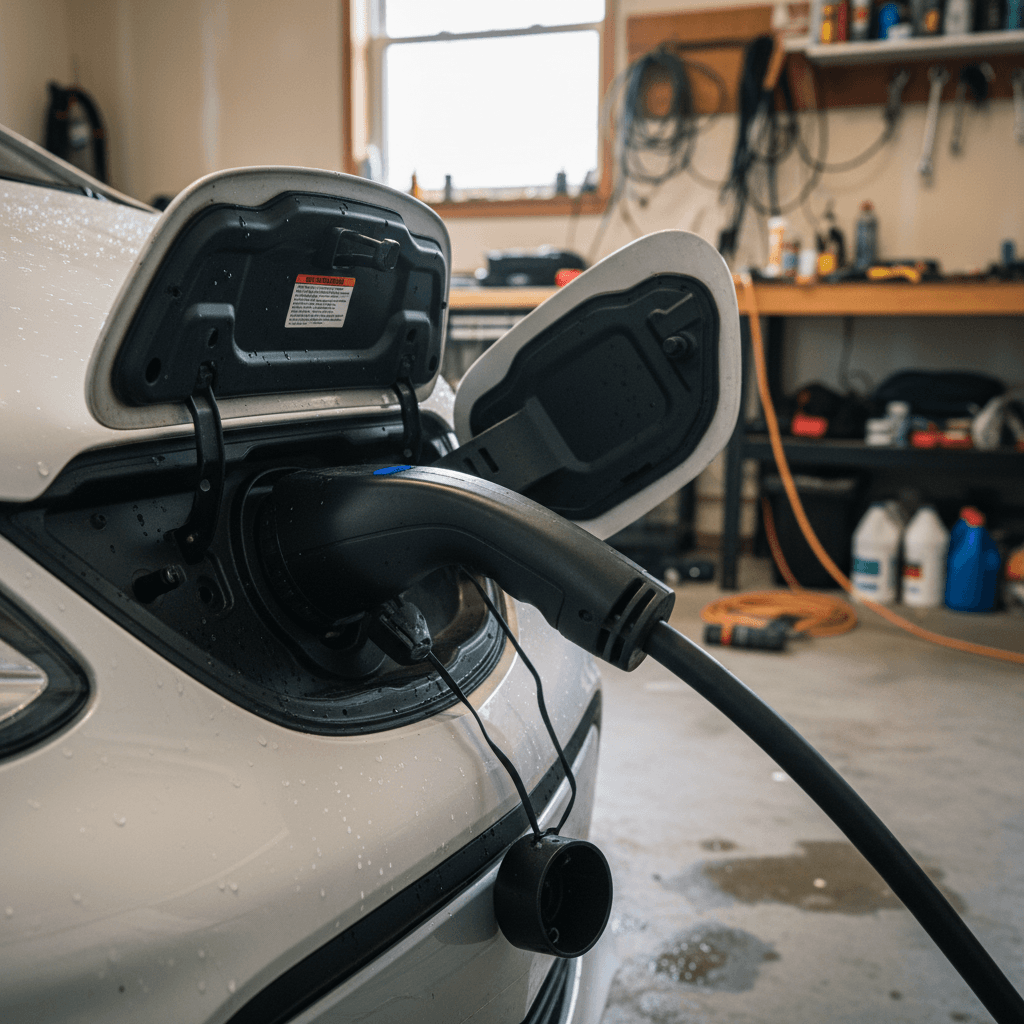
5. Inspect the charge port and cables
Open the charge door, look for corrosion or damage, and, if possible, plug into a Level 2 charger. Confirm the car starts charging reliably and that charging equipment (if included) is in good condition.
6. Scan for water intrusion and interior wear
Check under floor mats and in the cargo area for moisture. Excess wear on a relatively low‑mile car can signal hard use, rideshare duty, or weak prior care.
DIY battery checks have limits
How buying from Recharged helps with Bolt EV unknowns
The Chevy Bolt is a terrific car, but it’s also a car where the wrong example can saddle you with battery anxiety or unexpected downtime. That’s exactly the kind of risk Recharged is built to reduce.
What Recharged adds to a used Bolt purchase
More than just a listing, an EV‑specific buying experience
Verified battery health
Every Bolt EV and EUV on Recharged comes with a Recharged Score Report that includes battery health diagnostics, not just a generic “runs and drives” note.
Recall & service transparency
We verify recall completion and pull service data where available, so you know what’s been done, when, and under what warranty terms.
Fair pricing & financing
Recharged benchmarks your car against the real used‑EV market, offers competitive financing, and can handle trade‑ins or instant offers on your current vehicle.
Nationwide delivery
Found the right Bolt halfway across the country? Recharged offers nationwide delivery and a fully digital buying experience, plus an Experience Center in Richmond, VA if you prefer to visit.
EV‑specialist guidance
Our team focuses on EVs all day, every day. If you’re unsure whether a 2019 with a new pack beats a 2022 with more miles, we’ll walk you through the trade‑offs.
Confidence for first‑time EV buyers
From charging basics to home‑charger planning, Recharged helps you understand what living with a Bolt will actually feel like before you sign.
Ready to find your next EV?
Browse VehiclesFAQ: best used Chevrolet Bolt EV to buy in 2026
Frequently asked questions about buying a used Chevy Bolt in 2026
Bottom line: which used Bolt is best for you?
If your goal is the best used Chevrolet Bolt EV to buy in 2026, you’re really answering two questions: which combination of model year, body style, and features matches your life, and which individual car has the clearest, cleanest battery story. For many shoppers, that points to a 2022–2023 Bolt EV or EUV with complete recall documentation and moderate mileage. Budget‑minded buyers can find outstanding value in earlier years, especially 2017–2019 cars with brand‑new recall packs, so long as the paperwork supports the promise.
Take the time to verify recall history, battery work, and warranty dates, and don’t be swayed by cosmetic extras if the fundamentals don’t add up. And if you’d rather have experts do that homework for you, exploring Chevy Bolts on Recharged gives you transparent battery‑health reporting, fair pricing, financing options, and EV‑savvy support from first click to delivery. That’s how you turn a good used‑EV idea into a confident, long‑term purchase.