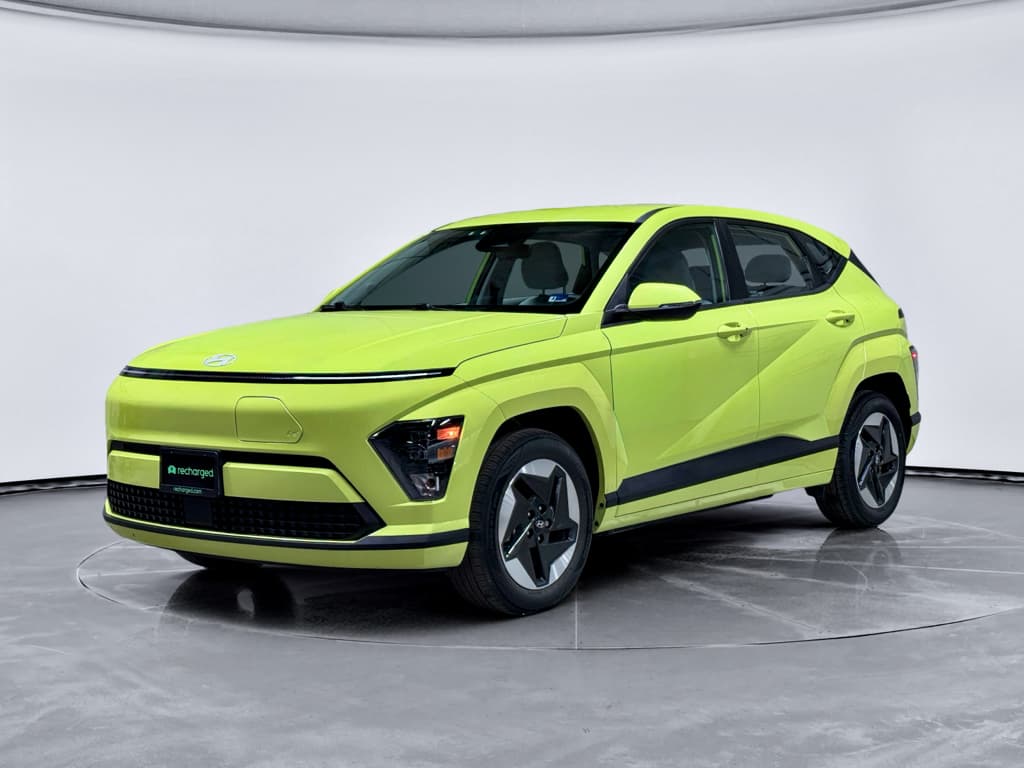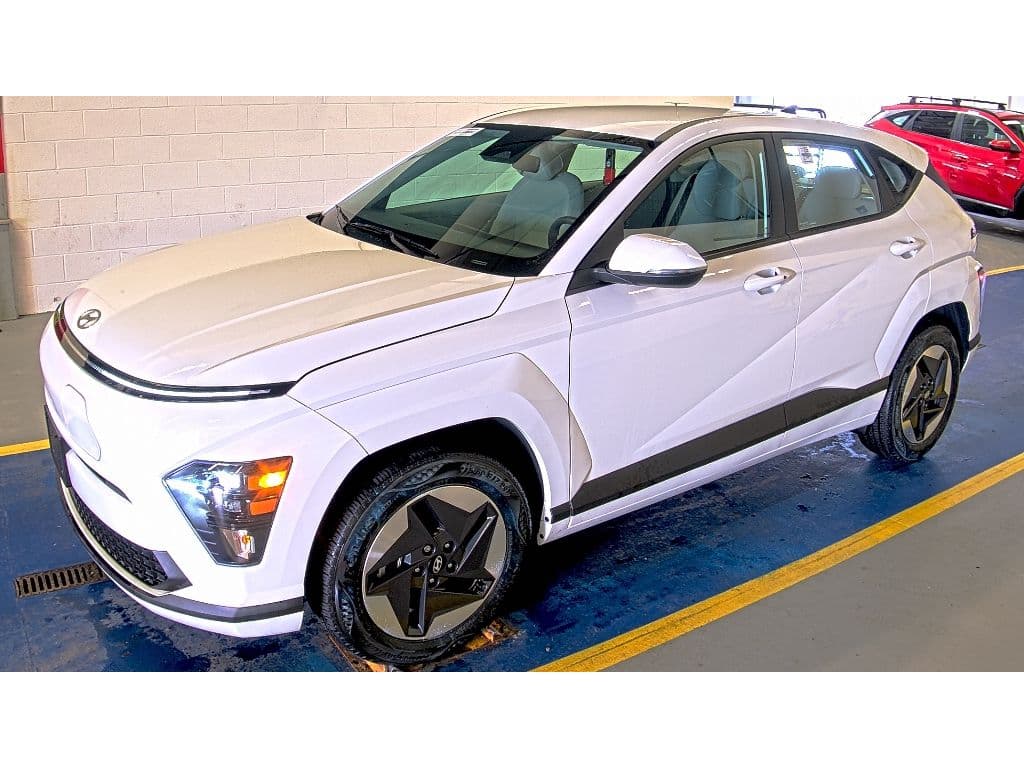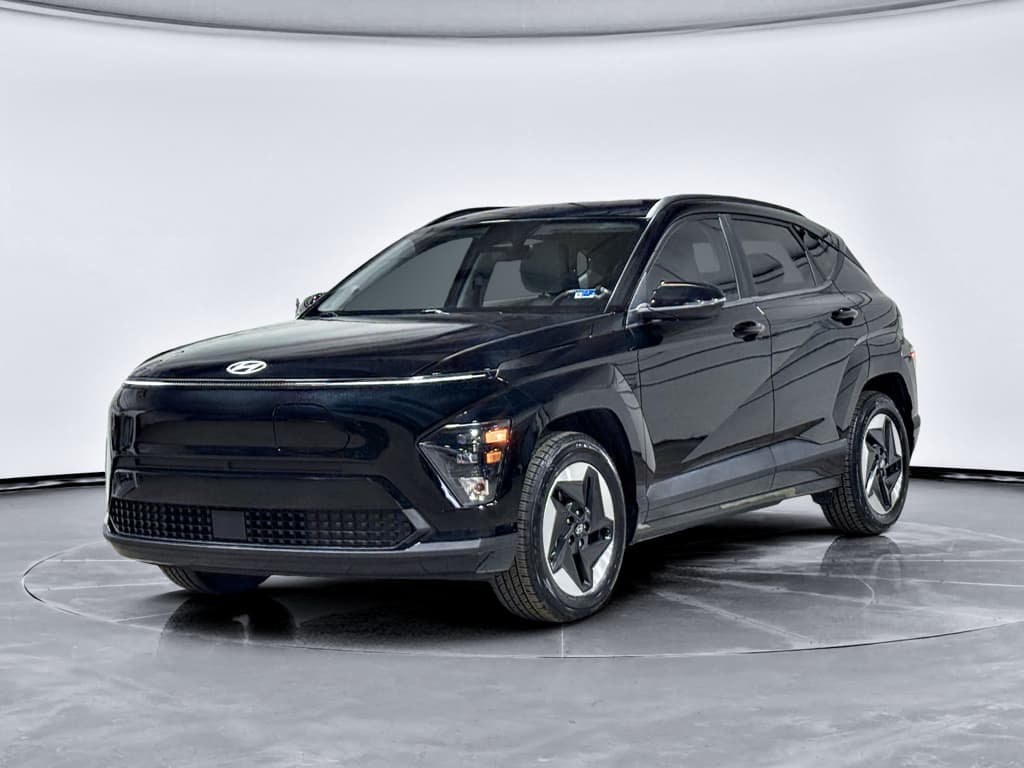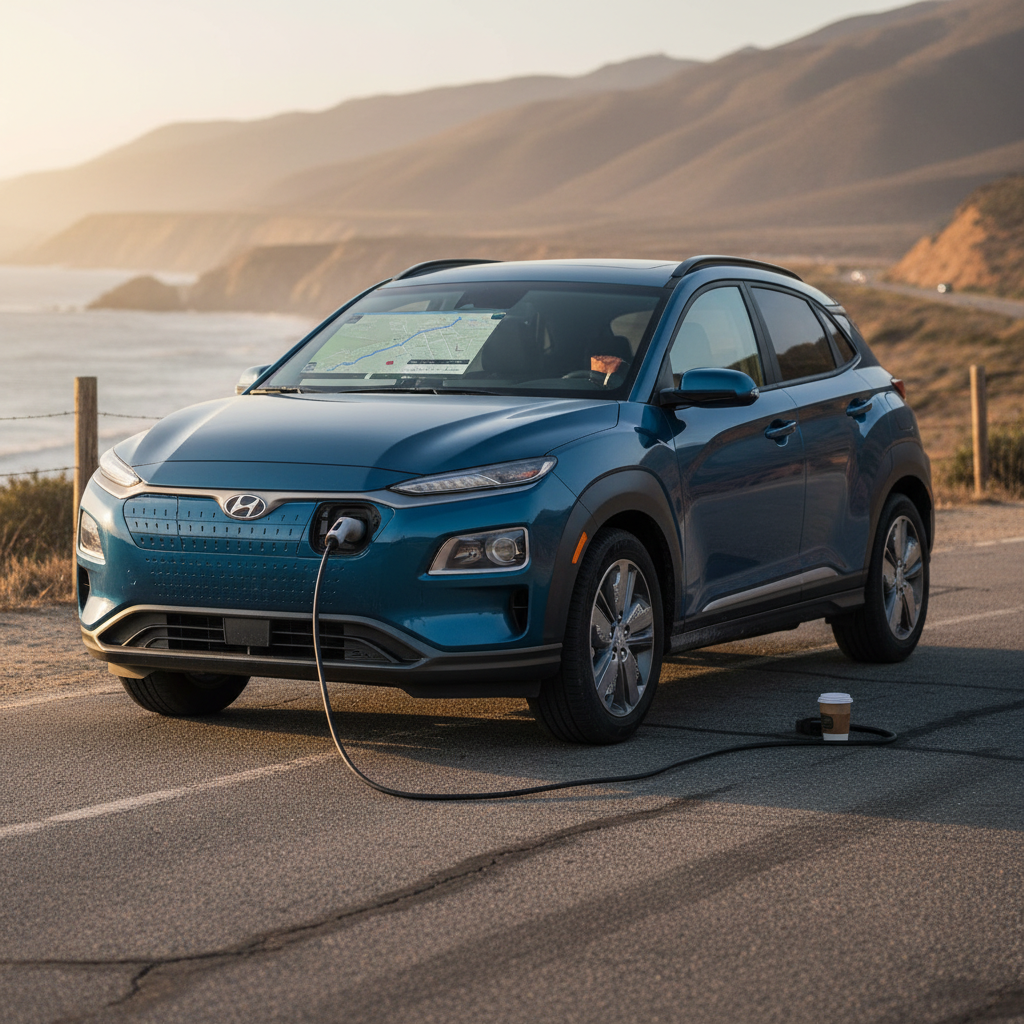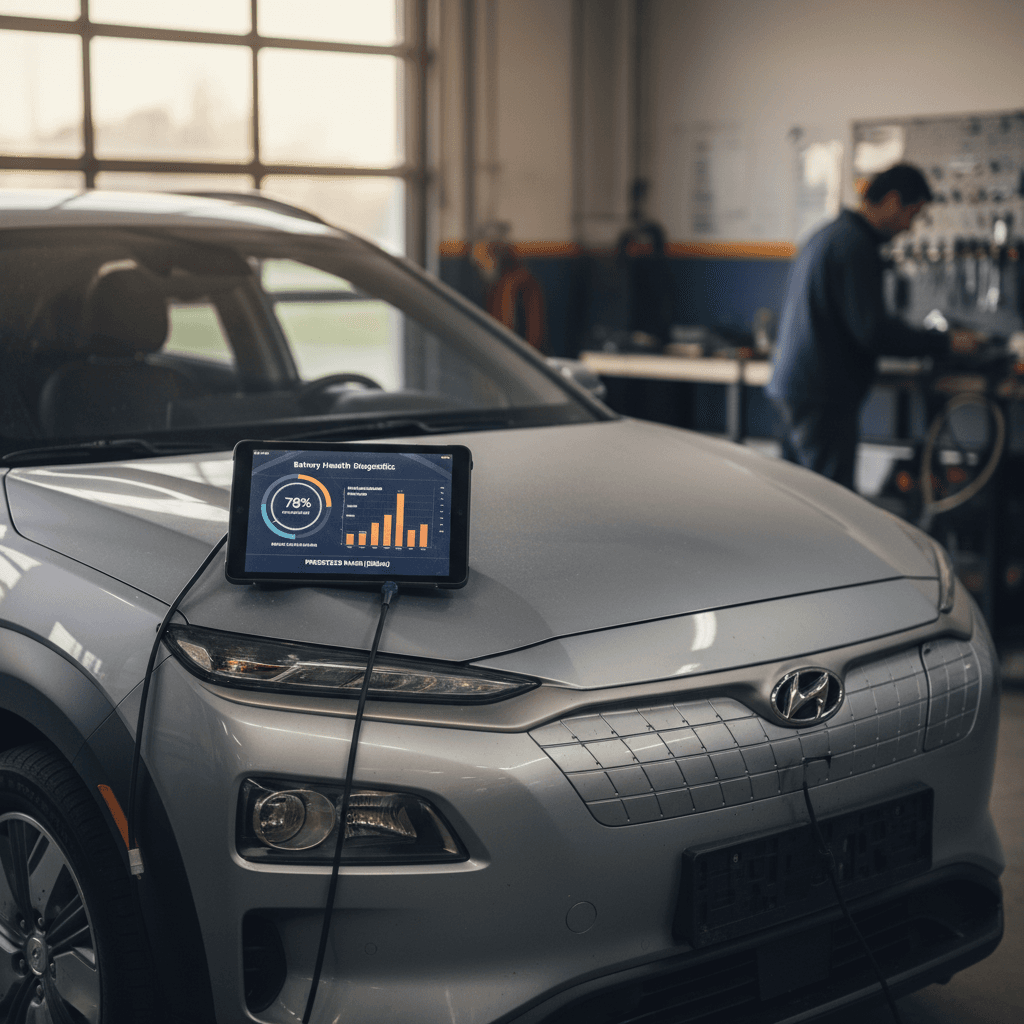
If you’re looking at a used 2020 Hyundai Kona Electric, you’ve probably heard about battery recalls, range loss and the occasional electrical gremlin. The good news: many cars are trouble‑free and inexpensive to run. The bad news: there are a few well‑documented 2020 Kona Electric problems you should understand before you buy, or before you decide whether to keep the one you already own.
Quick take
Overview: How Reliable Is the 2020 Kona Electric?
Strengths
- Efficient powertrain with solid range for its size.
- Simple drivetrain (no transmission, timing belt, spark plugs, etc.).
- Long battery warranty from Hyundai, typically 10 years/100,000 miles on the high‑voltage pack for the first owner, and strong coverage for subsequent owners depending on region.
- Many recall fixes are performed free at dealerships.
Weak spots
- Early‑build 2019–2020 cars were part of a battery recall due to fire risk.
- Reports of air‑conditioning compressor failures on 2020–2021 Konas.
- Some owners see 12V battery failures after just a few years.
- Occasional software glitches (warning lights, infotainment reboots, driver‑assist warnings).
Why this matters for used buyers
High-Voltage Battery Recall & Fire Risk
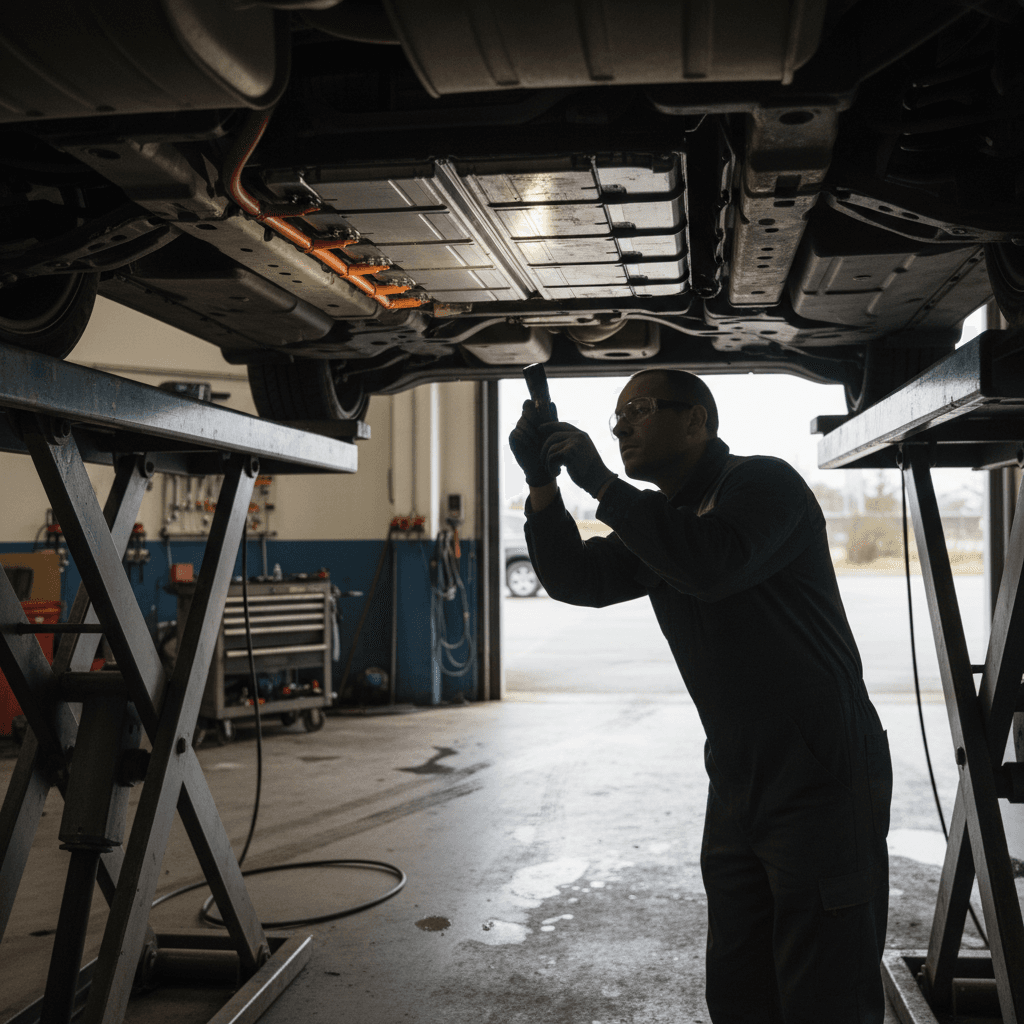
The most serious issue tied to 2019–2020 Kona Electric models is the high‑voltage battery fire risk. Hyundai and regulators found that battery cells from a specific supplier and factory could have internal defects, increasing the chance of a short circuit and thermal runaway in rare cases. In the U.S., Hyundai launched a safety recall for certain 2019–2020 Kona Electric vehicles to address this.
- Affected vehicles received updated battery‑management system (BMS) software, and many ultimately qualified for a full battery pack replacement at no cost.
- Owners were instructed to park outside and limit state of charge until repairs were complete.
- Only certain VIN ranges were affected, some 2020 cars were outside the recall scope.
How to check battery recall status
If the battery pack has already been replaced under the recall, that’s actually a selling point for a used 2020 Kona Electric. You’re getting a newer pack, often with fresh warranty coverage, installed by the dealer. If the recall is open or the seller can’t document the repair, treat that as a negotiation lever and a safety concern you’ll want resolved quickly after purchase.
Battery Degradation & Real-World Range Loss
The 2020 Kona Electric left the factory with an EPA‑rated range around 258 miles. In the real world, owners report a wide spread based on climate, driving style, and charging habits. Most well‑cared‑for cars show modest degradation, roughly in line with other mainstream EVs of this era, but a few have seen more pronounced range loss, especially if fast‑charged heavily in hot climates.
Key factors that affect 2020 Kona Electric range
Not all range loss is permanent battery degradation
Climate
Very hot or very cold weather forces the battery and HVAC system to work harder, cutting range and, over time, affecting degradation.
Fast charging
Frequent DC fast charging at high states of charge can add stress. Occasional road‑trip use is fine; living on a fast charger isn’t ideal.
Driving style
High speeds and aggressive acceleration eat into range. Gentle, mixed driving usually keeps the Kona’s efficiency impressive.
Battery warranty still matters
When you’re evaluating a used Kona Electric, don’t just rely on the dashboard guess‑o‑meter. A proper battery health report, like the Recharged Score we run on every vehicle, looks at pack condition, usable capacity, and charging history so you can see whether the range fits your real‑world needs.
12V Battery Failures and Stranded Vehicles
One of the more annoying 2020 Hyundai Kona Electric problems isn’t about the big battery at all, it’s about the small 12‑volt battery. Owners have reported sudden 12V failures after just a few years, leading to cars that won’t unlock, won’t start, or appear completely “dead” even though the high‑voltage pack is fine.
- The factory 12V battery on early Konas is often described as undersized for the load EVs put on accessories and control modules.
- Leaving the hatch or doors open for extended periods can drain the 12V system faster than some owners expect.
- Low 12V voltage can trigger false warning lights or glitches in safety systems and infotainment.
Signs your 12V battery is weak
The fix here is straightforward: test the 12V battery with a load tester and replace it if it’s marginal. Many owners simply upgrade to a higher‑quality battery once the original shows its age. The cost is modest compared with a high‑voltage pack, but it’s something to plan for on a six‑year‑old EV.
HVAC and Air Conditioning Problems
Air‑conditioning complaints show up frequently in owner forums and reliability roundups for 2020–2021 Konas, gas and electric alike. The most common story: the AC suddenly stops blowing cold, often due to compressor issues or refrigerant leaks, sometimes with surprisingly low mileage.
Why 2020 Kona AC issues matter on a used EV
How to test the AC on a test drive
If the AC system has already been repaired or the compressor replaced under warranty, that’s a plus, as long as the work was done by a qualified shop and is documented. If it blows weakly, smells odd, or doesn’t cool properly, consider walking away or assume you’ll be the one paying for an AC overhaul.
Electronics, Software Glitches & Warning Lights
Like most modern EVs, the 2020 Kona Electric relies on software for almost everything. That means some owners have run into infotainment reboots, warning lights, and driver‑assist hiccups that can be unnerving even when they don’t reflect a mechanical problem.
Common electronics and software complaints
Most are fixable, if you know what to look for
Forward collision warnings
Some owners report false forward‑collision alerts or messages like “check forward collision sensor,” sometimes tied to low 12V voltage or sensor calibration needs.
Infotainment glitches
Occasional black screens, random reboots, or Bluetooth dropouts. Many of these are improved with software updates.
Random warning lights
ABS, traction control, or EV‑system lights can illuminate due to bad wheel‑speed sensors, dirty connectors, or software quirks.
Software updates help
On a test drive, don’t ignore warning messages just because the car “seems fine.” Have any stored fault codes read and investigated. Some are cheap sensor fixes; others can be early clues to more expensive electrical problems.
Brakes, Tires and Other Wear Items
Hyundai’s small EV still wears tires, pads and suspension components like any other car. In fact, the instant torque and weight of the battery can chew through tires faster than you might expect, especially on front‑drive models like the Kona Electric.
Common wear items on a 2020 Kona Electric
These aren’t design flaws, but they do affect running costs on a six‑year‑old EV.
| Component | What to look for | Why it matters |
|---|---|---|
| Tires | Uneven wear, low tread, mismatched brands | EVs are hard on tires; replacements aren’t cheap. |
| Brakes | Rusty rotors, pulsing pedal, worn pads | Regenerative braking can cause rotors to rust if the car sits a lot. |
| Suspension | Clunks over bumps, wandering at highway speeds | Worn bushings or shocks affect safety and comfort. |
| Cabin air filter | Musty smells, weak airflow | A dirty filter makes HVAC work harder and feel weaker. |
Use this as a quick reference during a pre‑purchase inspection.
Use EV‑savvy service shops
Is the 2020 Kona Electric a Good Used Buy?
When you put the issues in context, the answer is often yes, with the right homework. The 2020 Kona Electric delivers strong efficiency, a practical hatchback body and surprisingly fun acceleration. The major downside is its early‑generation battery history and a few problem‑areas that you need to check carefully on the used market.
Why it can be a smart buy
- Competitive real‑world range for a compact EV.
- Plenty of examples with newer replacement packs from the recall campaign.
- Simpler maintenance than gas SUVs, no oil, spark plugs or exhaust to worry about.
- Often priced lower than newer long‑range EVs with similar usability.
When to be cautious
- Open high‑voltage battery recalls with no documentation.
- Weak or failed HVAC and AC systems that haven’t been repaired.
- Repeated warning lights or electrical issues the seller can’t explain.
- No service history, no fast‑charge logs, and vague answers about how the car was used.
Bottom line
What to Check Before You Buy a Used 2020 Kona Electric
2020 Kona Electric pre‑purchase checklist
1. Confirm recall and warranty status
Run the VIN through Hyundai’s recall tool and ask a dealer to print the warranty and campaign history. Make sure any <strong>high‑voltage battery recall</strong> work is documented, including pack replacement if it was done.
2. Get a battery health report
Ask for an independent battery‑health assessment, not just the guess‑o‑meter estimate. At Recharged, every Kona Electric gets a <strong>Recharged Score</strong> with verified pack health so you know how much usable capacity is left.
3. Test the HVAC and AC thoroughly
Check heat and AC on the same drive. Watch for weak cooling, odd noises, fogging windows or bad smells that could hint at AC or filter issues.
4. Inspect and test the 12V battery
Look for corrosion around the terminals, check the in‑car voltage reading if available, and consider a load test. A marginal 12V battery is cheap to replace but can cause head‑scratching electrical symptoms.
5. Scan for codes and software updates
Have a dealer or EV‑savvy shop scan for stored diagnostic trouble codes and confirm all <strong>software updates and service campaigns</strong> have been done.
6. Evaluate tires, brakes and ride quality
Take the car on city streets and highways. Listen for clunks, feel for vibrations and inspect tires for even tread wear. These clues reveal how the car was driven and maintained.
How Recharged Helps With Used Kona Electrics
Shopping used EVs can feel like guesswork, especially with a model that’s had a major battery recall. Recharged was built to make the process clearer and less stressful. If you’re considering a 2020 Hyundai Kona Electric, here’s how we help you buy with confidence.
Why shop for a used Kona Electric with Recharged?
We focus on battery health, transparency and EV‑specific support.
Recharged Score battery diagnostics
Every vehicle on Recharged gets a Recharged Score Report that measures real battery health, charging behavior and range expectations, far more insight than a traditional inspection.
Transparent history & fair pricing
We combine market data and condition reports to show fair market pricing, so you can compare a 2020 Kona Electric against other EVs without guesswork.
Financing, trade‑in and selling options
Whether you’re trading out of a gas SUV or another EV, Recharged can buy your current vehicle, help you trade in, or consign it while you upgrade to a Kona Electric.
Nationwide delivery & EV‑savvy support
Browse entirely online, get expert EV guidance from our specialists, and have your Kona Electric delivered to your door. You can also visit our Experience Center in Richmond, VA.
Ready to find your next EV?
Browse Vehicles2020 Hyundai Kona Electric Problems FAQ
Frequently asked questions about 2020 Kona Electric problems
The 2020 Hyundai Kona Electric isn’t perfect, but it’s far from a horror story. Understand the battery recall, scrutinize AC and electrical health, and insist on real data instead of guesses, and you can end up with a nimble, efficient EV that fits your daily life. If you’d rather not go it alone, Recharged can help you find, evaluate and finance a used Kona Electric, with verified battery health and transparent pricing from the outset.