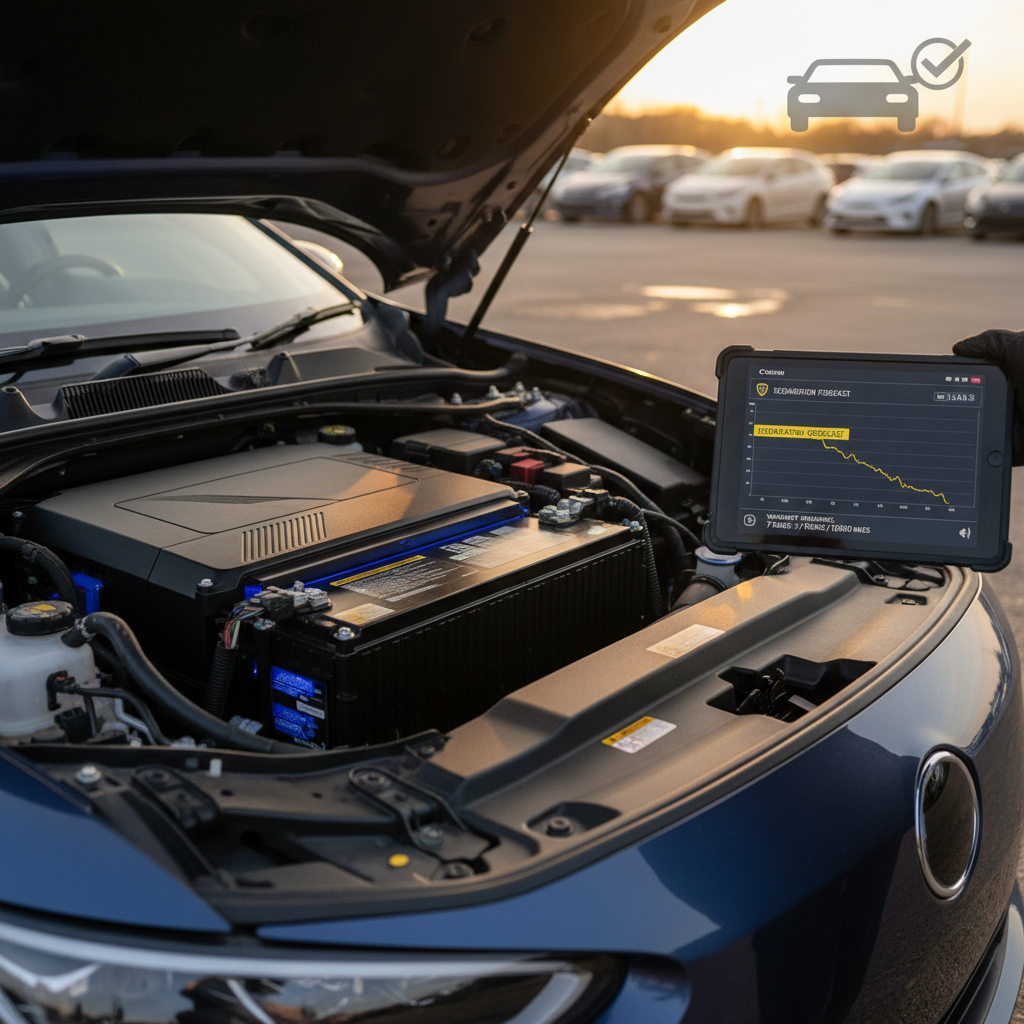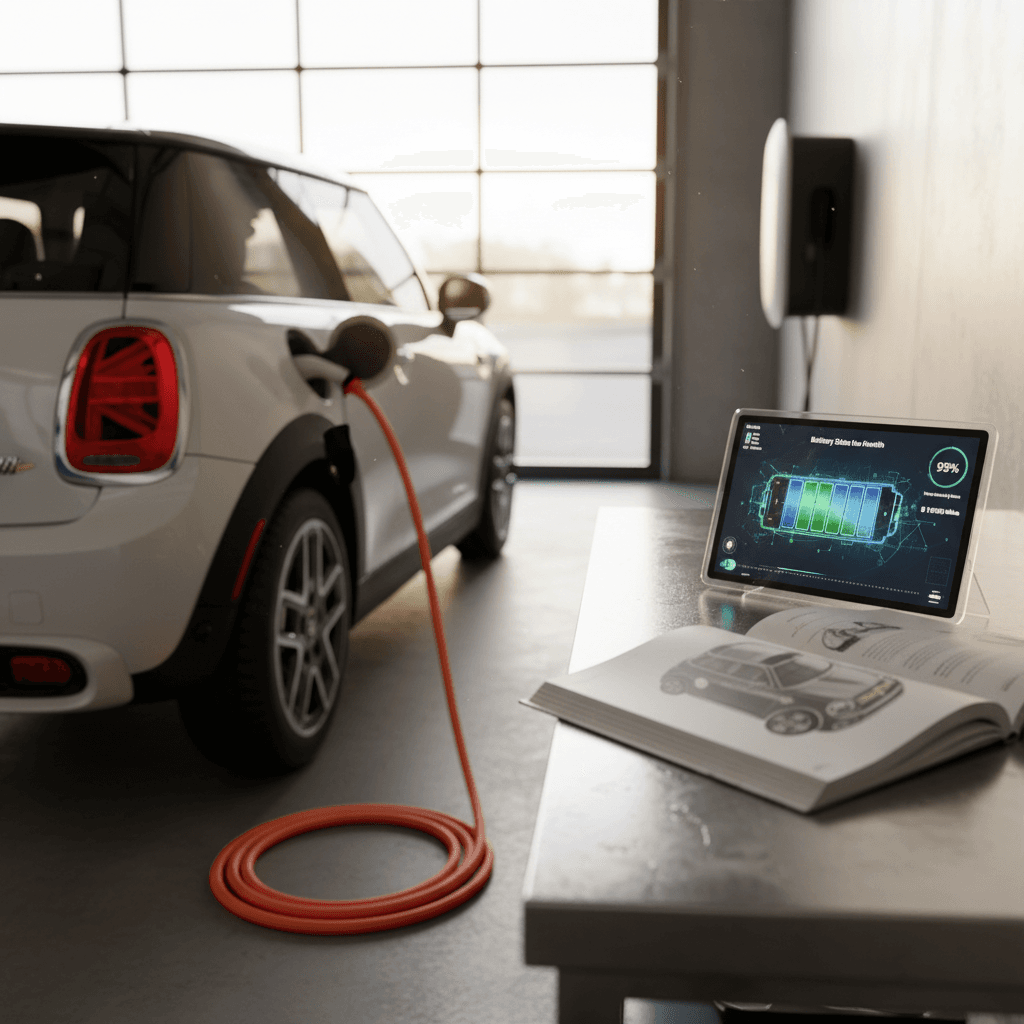
If you drive a Mini Cooper Electric (Cooper SE) or you’re shopping for one used, the first big question is always the same: how long will the battery last, and what happens if it doesn’t? The good news is that Mini backs the high‑voltage battery with an 8‑year warranty, but the fine print around miles, capacity, and used ownership matters a lot when you’re making a long‑term decision.
Quick answer
Mini Cooper Electric battery warranty: the basics
Mini Electric battery warranty at a glance
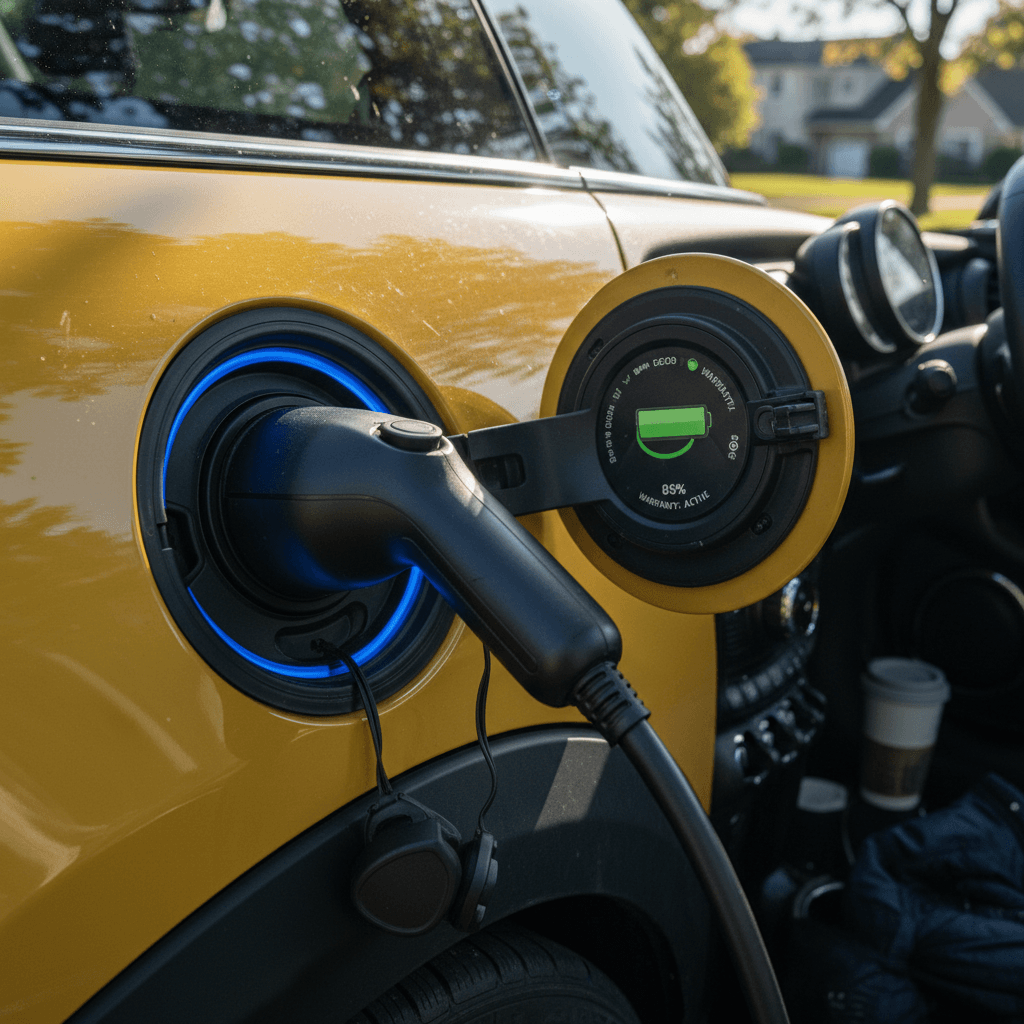
Mini USA (a division of BMW of North America) warrants the high‑voltage lithium‑ion battery assembly in the Mini Cooper Electric against defects in materials or workmanship for 8 years or 100,000 miles, whichever comes first. That same 8‑year timeframe also includes coverage for excessive capacity loss, which Mini defines as the net battery capacity dropping below about 70% of its original value when the car was new.
This warranty applies to the fully electric Mini Cooper SE sold in the U.S. (2020–present). Plug‑in hybrid Minis (PHEVs) use a similar 8‑year framework but often with an 80,000‑mile limit instead of 100,000 miles. If you’re not sure which you have, check your window sticker or the Service and Warranty Information booklet in the glovebox.
Where to see your exact terms
What the 8‑year Mini Electric battery warranty actually covers
What’s covered vs. what’s not
Think in terms of defects and excessive capacity loss, not cosmetic issues or normal wear.
Covered: defects in the battery pack
Mini’s high‑voltage battery warranty covers defects in materials or workmanship in the battery pack and its internal components. That typically includes:
- Internal cell or module failures
- Defective battery management electronics
- Manufacturing issues that cause shorts or non‑user‑induced failures
- Repairs related to a recall on the battery system
Not covered: outside damage or misuse
The warranty won’t cover damage caused by things like:
- Collision or road‑hazard damage to the pack
- Flooding, submersion, or fire not caused by a factory defect
- Unauthorized modifications or tampering
- Improper lifting or towing that damages the battery housing
The cleanest way to think about it: if the battery or its control electronics fail on their own within the 8‑year / 100,000‑mile window, you’re usually in warranty territory. If something from the outside world hits the car, floodwater, a parking‑lot pole, a DIY high‑voltage experiment, then you’re into insurance or out‑of‑pocket costs instead of warranty.
If you buy or lease your Mini Cooper Electric new, this battery warranty starts on the car’s original in‑service date. For a used Mini, it doesn’t reset, the remaining years and miles are what you get. The battery warranty is separate from, and usually longer than, the basic new‑car warranty that covers the rest of the vehicle.
Battery capacity guarantee and normal degradation
Mini is refreshingly specific about capacity loss. Because lithium‑ion batteries slowly lose usable capacity over time, the company doesn’t promise that your Mini will feel brand new forever. Instead, it promises that if an authorized Mini dealer performs a capacity test during the warranty period and finds the pack’s net capacity is below about 70% of the original value, that’s considered excessive degradation. At that point, Mini will repair or replace components as needed to bring it back within spec.
- Normal loss: a gradual reduction in range over many years, say, 5–15% over the first 100,000 miles, is usually considered normal wear.
- Excessive loss: a sudden or severe drop where the battery can only hold much less than 70% of its original usable energy, as confirmed by Mini’s official test routine.
- Owner perception vs. test results: the range estimate on your dash can swing a lot based on driving style, climate, and recent trips. That number alone is not how the dealer decides warranty coverage.
Don’t rely only on the guess‑o‑meter
State-specific rules: California and CARB states
In the U.S., states that follow California Air Resources Board (CARB) rules, California, New York, New Jersey, Colorado, and several others, often require longer emissions and battery coverage for qualifying EVs. For many fully electric vehicles, that means 10‑year / 150,000‑mile coverage on certain emissions‑related components, including the high‑voltage battery.
Exact terms can vary by model year and registration state, but if your Mini Cooper Electric was originally sold and titled in a CARB state, you may have longer battery coverage than the standard 8‑year / 100,000‑mile warranty. Again, the definitive answer will be in your state‑specific warranty booklet or from a Mini dealer that looks up your VIN.
Simple VIN check
New vs. used Mini Cooper Electric: how coverage works
Buying new
- Battery warranty: Starts the day the car is first put into service (sold or leased).
- Term: Typically 8 years / 100,000 miles, possibly longer in some CARB states.
- Other warranties: 4‑year / 50,000‑mile new‑vehicle limited warranty plus Mini’s complimentary scheduled maintenance period.
- Upside: You have the full battery warranty lifespan ahead of you, and you know the car’s history from day one.
Buying used
- Battery warranty: Fully transferable. It follows the car, not the first owner.
- Remaining term: Whatever is left of the original 8‑year / 100,000‑mile (or CARB) window.
- CPO vs. private sale: A Certified Pre‑Owned Mini may add other coverage, but the high‑voltage battery still lives under the original EV battery warranty clock.
- Upside: You can buy a 3‑ or 4‑year‑old Mini Electric with years of battery coverage still in place, at a much lower price than new.
How Recharged uses this for buyers
Ready to find your next EV?
Browse VehiclesHow the battery warranty compares to other Mini coverage
Mini Cooper Electric warranty coverage comparison
Battery coverage sits on top of the standard new‑car warranty and maintenance plans.
| Coverage type | What it covers | Typical term (U.S.) |
|---|---|---|
| New‑vehicle limited warranty | Most components bumper‑to‑bumper (excluding tires) | 4 years / 50,000 miles |
| Powertrain warranty | Engine/motor, transmission, drivetrain | 4 years / 50,000 miles |
| Scheduled maintenance | Factory‑specified services like inspections and fluid changes | Around 3 years / 36,000 miles |
| High‑voltage battery (Mini Electric) | Battery pack, internal components, excessive capacity loss | 8 years / 100,000 miles (longer in some CARB states) |
Always verify exact terms for your model year and state in the official warranty booklet.
On an electric Mini, the battery warranty is your longest and most valuable coverage. If the pack had to be replaced out of warranty, you’d be looking at a five‑figure repair bill. That’s why understanding the start date, mileage limit, and capacity guarantee matters even more than it might on a gas Mini.
Real-world Mini Electric battery life and owner reports
So far, real‑world experience backs up Mini’s confidence. Owners of 2020–2023 Mini Cooper SE models regularly report very little noticeable degradation through tens of thousands of miles. Many long‑term BMW i3s, built on the same EV technology family, have comfortably crossed 100,000 miles with only modest range loss, which bodes well for the Mini.
- Drivers with 50,000–70,000 miles often report 90–95% of original usable range, depending on climate and charging habits.
- High‑mileage SEs around 80,000–100,000 miles are still in warranty and typically showing manageable degradation rather than catastrophic loss.
- The Mini’s liquid‑cooled pack and conservative usable capacity window help keep degradation slow and predictable in normal use.
Climate still matters
Warranty gotchas: what isn’t covered
Read this before you assume it’s free
- Accident or impact damage to the pack or underbody is usually an insurance claim, not a warranty repair.
- Water intrusion from flooding or submersion is typically excluded unless tied directly to a manufacturing defect.
- Unauthorized modifications to the high‑voltage system, non‑approved repairs, or tampering with software can void coverage.
- Accessory loads (like trying to tap 12V or high‑voltage power for aftermarket hardware) can get messy from a warranty standpoint if something goes wrong.
- Normal range loss that still tests above Mini’s ~70% capacity threshold is not considered a warrantable failure.
If your Mini’s range suddenly feels shorter, it’s still worth booking a diagnostic appointment. You may have a failing cell, an out‑of‑date software version, or a charging issue that’s being logged in the battery management system. The key is to let Mini document it while you’re still inside the warranty window.
Tips to protect your Mini Electric battery and its warranty
Smart battery habits that pay off
1. Avoid living at 0% or 100%
Regularly running the pack all the way down or parking at 100% for days isn’t ideal. Day to day, try to live in the <strong>20–80% charge window</strong> unless you’re preparing for a longer trip.
2. Use DC fast charging thoughtfully
Your Mini Cooper Electric supports DC fast charging, but using it constantly can warm the pack and slightly accelerate aging. For most drivers, <strong>home Level 2 charging</strong> overnight is gentler and cheaper.
3. Keep software up to date
Software updates can refine how the car manages the pack and reports capacity. Have your Mini checked for campaigns or updates when you’re in for service.
4. Document issues early
If you notice major or sudden range loss, odd charging behavior, or warning lights, get it looked at while you’re still well within the 8‑year / 100,000‑mile window. Warranty claims are easier when the issue isn’t borderline.
5. Protect the underbody
Be kind to your Mini over speed bumps, rutted driveways, and deep snow. The battery lives in the floor pan; hard hits there can be both expensive and non‑warranty.
6. Keep records handy
Service visits, capacity checks, and any diagnostic reports are worth saving. They tell the story of how your battery has aged and help if you ever need to make a warranty claim, or sell the car.
Buying a used Mini Cooper Electric? Battery checklist
A used Mini Cooper Electric can be a bargain precisely because the battery warranty is still in force. But you want more than just a date on a page, you want to know how this specific car’s pack has lived. Here’s how to do that without needing your own lab.
Four smart battery checks for a used Mini Electric
Especially important if you’re cross‑shopping multiple cars.
1. Verify in‑service date
Ask for the original in‑service date (first registration). Subtract that from today to see how many of the 8 years are already gone. A 2021 Mini may have 4–5 years of battery coverage left.
2. Check the odometer
Mileage matters just as much. A low‑miles 2020 SE might still be under 50,000 miles with plenty of cushion before the 100,000‑mile cap.
3. Drive it and note behavior
On a test drive, watch for erratic state‑of‑charge readings, sudden drops in range, or any EV‑system warning lights. Smooth behavior is a good sign.
4. Get battery health data
Ideally, see a recent battery health report or dealer capacity test. On Recharged, our Recharged Score includes third‑party battery diagnostics so you don’t have to guess.
Use data, not just a gut feeling
FAQ: Mini Cooper Electric battery warranty
Mini Electric battery warranty: common questions
Key takeaways for Mini Electric owners and shoppers
The Mini Cooper Electric’s 8‑year high‑voltage battery warranty is one of its strongest ownership perks. It doesn’t just cover outright defects; it also stands behind the pack if it loses capacity faster than Mini considers normal. Combine that with the brand’s track record on BMW i3‑based EVs and you’re looking at a small city car whose battery should comfortably outlast the warranty in everyday use.
If you’re shopping used, the key is to pair the warranty details with real battery health data. That’s exactly what Recharged was built for: verified battery diagnostics, transparent pricing, and EV‑specialist guidance on financing, trade‑ins, and nationwide delivery. Whether you end up in a Mini Cooper Electric or another EV entirely, going in with a clear understanding of the battery warranty, and the actual health of the pack in front of you, turns a leap of faith into an informed decision.