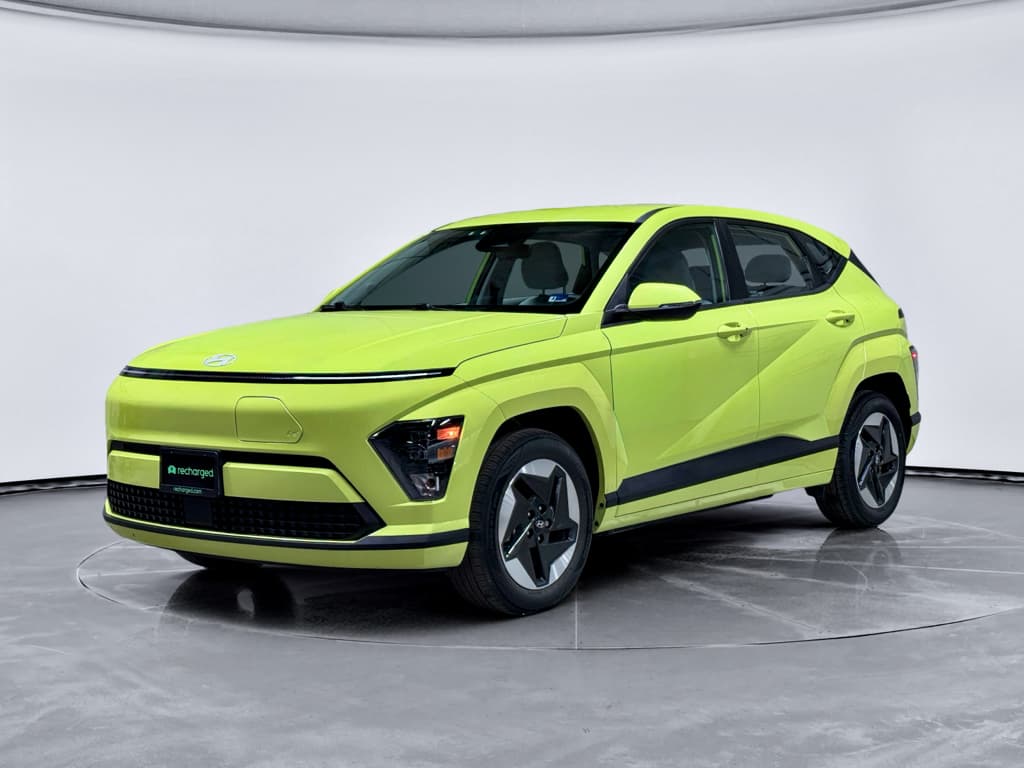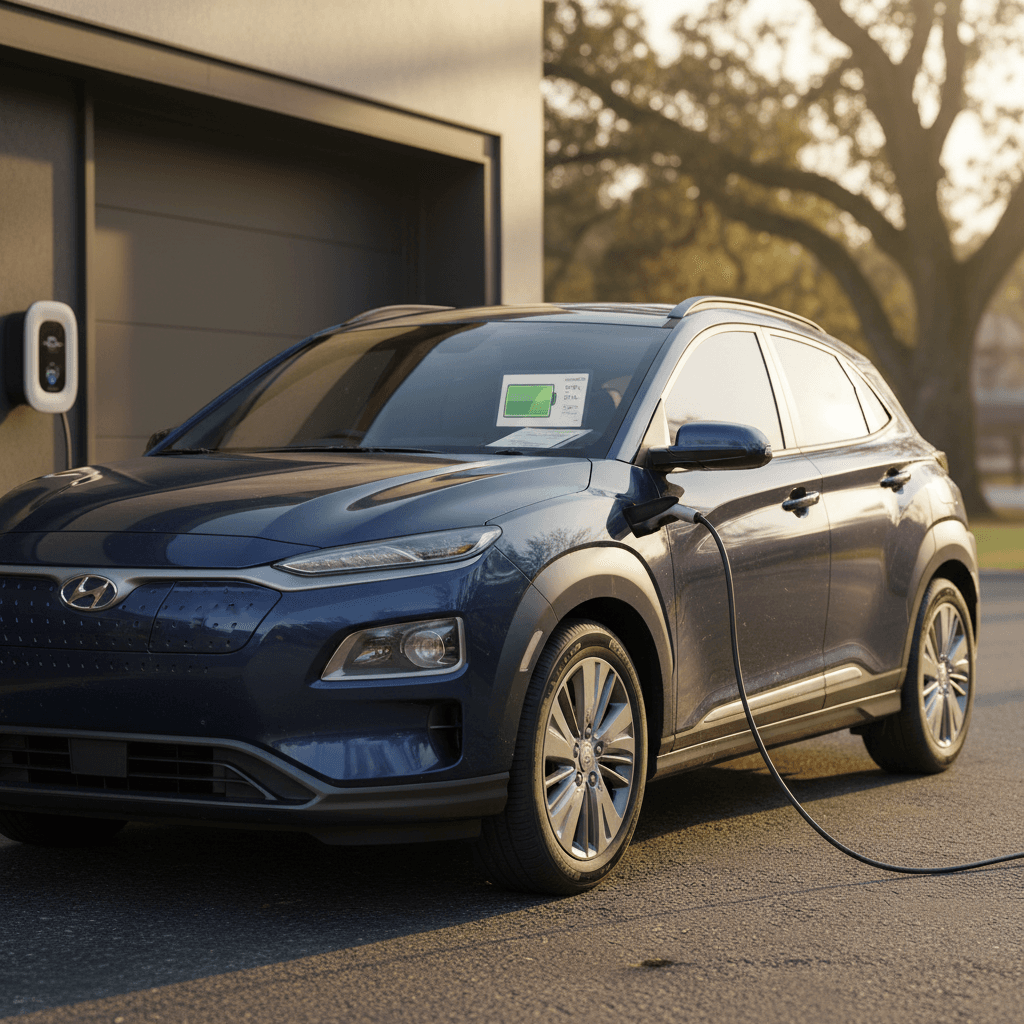
If you’re shopping for a practical, long-range used EV, the 2020 Hyundai Kona Electric deserves a spot near the top of your list. It combines about 258 miles of EPA-rated range, hatchback versatility, and strong warranty coverage, yet today you can often find one for the price of a basic gas compact SUV. This buying guide walks you through trims, range, recalls, battery health, pricing, and exactly what to check before you commit.
Quick take
Why the 2020 Kona Electric is a smart used EV
- EPA-rated range around 258 miles from a 64 kWh battery, excellent for a compact crossover of this age.
- Zippy performance with a single front motor rated around 201 hp and instant EV torque.
- Compact exterior size but useful interior space: roughly 19 cubic feet of cargo room behind the rear seats and about 45 cubic feet with them folded.
- Hyundai’s strong original warranties, including long battery and powertrain coverage for the first owner, and still-meaningful coverage for many second owners depending on state and in-service date.
- 2020 is late enough to benefit from running improvements over the earliest Kona Electrics, but early enough that used prices are approachable compared with newer long‑range EVs.
Good target shopper
Key specs: battery, range and performance
2020 Hyundai Kona Electric: core specifications
Headline specs that matter when you’re comparing a 2020 Kona Electric to other used EVs.
| Item | 2020 Kona Electric (U.S. spec) |
|---|---|
| Battery capacity (usable) | ~64 kWh lithium‑ion |
| EPA range | Up to about 258 miles |
| Drive layout | Single motor, front‑wheel drive |
| Power | Approx. 201 hp, 291 lb‑ft torque |
| 0–60 mph | Mid‑6 to low‑7 second range (independent tests) |
| DC fast charging | Up to roughly 70–75 kW peak on CCS |
| Onboard AC charger | 7.2 kW (Level 2, 240V) |
| Cargo volume | ~19 cu ft (seats up), ~45 cu ft (seats folded) |
Specs may differ slightly by market; figures here reflect typical U.S. models.
How that range feels in real life
Trim levels explained: SEL vs Limited vs Ultimate
In the U.S., the 2020 Kona Electric was offered in three trims: SEL, Limited, and Ultimate. All share the same battery, motor, and range, the differences are comfort, convenience, and safety features. Here’s how to tell them apart and decide what’s worth paying for.
2020 Kona Electric trims at a glance
Major feature differences that matter most in a used‑EV search.
| Feature | SEL | Limited | Ultimate |
|---|---|---|---|
| Seat material | Cloth, heated fronts | Leather, heated fronts | Leather, heated & ventilated fronts (in many markets) |
| Headlights | Halogen projectors | LED | Premium LED + extra tech |
| Infotainment screen | 7" touchscreen | 7" touchscreen | 10.25" touchscreen with navigation |
| Audio system | Standard 6‑speaker | Standard or upgraded (market‑dependent) | Infinity premium audio |
| Wireless phone charging | No | Yes | Yes |
| Head‑up display | No | No | Yes |
| Safety tech | Hyundai SmartSense basics (FCW, LKA, etc.) | Same as SEL | Adds more advanced aids in some markets |
| Wheels | 17" alloy | 17" alloy with additional trim features | 17" alloy with top‑spec appearance details |
Exact equipment can vary with packages and region, but this captures the core differences.
Which 2020 Kona Electric trim should you buy?
All three trims share the same range and core drivetrain, so it’s about comfort, safety, and price.
SEL: Value play
The SEL is often the most affordable used 2020 Kona Electric. You still get the long‑range battery, full safety suite, and heated front seats, just with cloth upholstery and a smaller screen.
Pick SEL if price matters most and you don’t mind simpler lighting and infotainment.
Limited: Sweet spot
The Limited trim adds leather seats, LED headlights, and convenient touches like a wireless phone charger. Those LED headlights also tend to earn better safety ratings than the SEL’s halogens.
For many buyers, Limited is the best balance of equipment and cost.
Ultimate: Fully loaded
The Ultimate piles on the toys: a larger 10.25" screen, available head‑up display, and premium audio. If you road‑trip a lot or value tech, it’s worth a look.
However, don’t overpay for an Ultimate if a well‑priced Limited with a healthier battery is available.
Recalls and battery replacement history
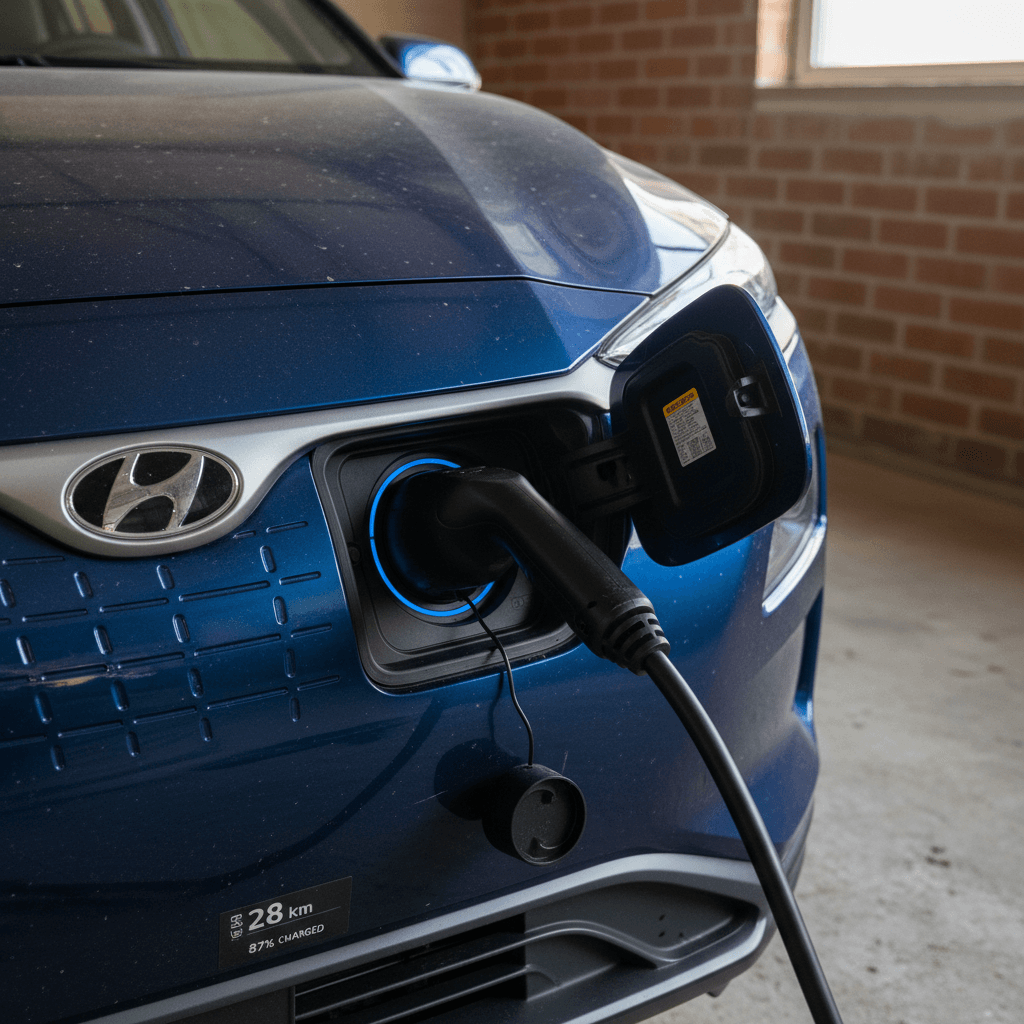
You can’t talk about a 2020 Kona Electric buying guide without addressing the model’s high‑profile battery recall. Early Kona Electrics, including many 2019–2020 cars, were recalled for potential battery‑pack fire risk. Some packs were replaced entirely; others received software updates and inspections. This history is not a deal‑breaker, but it’s something you must understand and verify.
Non‑negotiable step: recall verification
- Expect to see at least one major battery‑related recall or service campaign in the vehicle history, typically from late 2020 onward.
- Some cars had their entire high‑voltage battery replaced under warranty; others passed inspections and only had software updates.
- A Kona with a documented recent battery replacement can be very attractive, it’s like getting a new “engine” in an older car.
- If the car shows open recalls that haven’t been completed, insist that the seller have Hyundai perform the work before you finalize the deal.
What about warranty on a replacement pack?
Battery health: what really matters on a 2020 Kona
Most owners report very low degradation on the Kona Electric’s 64 kWh pack when it’s been charged and stored sensibly. The bigger worry on a 2020 is not normal wear, but making sure you don’t buy a car with an undiagnosed battery problem, or one whose apparent range is reduced by old software or prior limitations.
Four smart ways to assess Kona Electric battery health
Don’t rely only on the dash range estimate from a single test drive.
1. Look at range vs. charge level
On a full or near‑full charge, compare the indicated range to what you’d expect from about 258 miles EPA. A healthy pack at 100% in mild weather should usually show somewhere near 230–260 miles depending on driving history.
If it shows dramatically less with no obvious explanation (extreme cold, recent high‑speed driving), ask questions.
2. Check charging behavior
On a Level 2 charger, the car should accept around 7 kW when the battery isn’t near full. On DC fast charging, early tapering or unusually low peak power can signal either normal battery‑temperature limits or a problem. If possible, observe a short fast‑charge session.
3. Get a professional battery report
A shop or marketplace that specializes in EVs can pull more detailed data than you’ll see on the dashboard. Recharged’s Score Report, for example, includes verified battery health and charging history, so you’re not guessing about the most expensive component on the car.
4. Review recall and warranty documents
Read through any paperwork related to prior battery work, especially full pack replacements. Confirm dates, mileage, and whether there were any subsequent concerns or diagnostic trouble codes.
Don’t obsess over 1–2%
Pricing and value: what should you pay?
Used values swing widely based on mileage, location, trim, and especially battery history. But you can still use ballpark ranges to sense‑check an asking price for a 2020 Kona Electric in the U.S.
Typical 2020 Kona Electric price bands (U.S.)
Why the big price spread?
When a higher price makes sense
- Documented recent high‑voltage battery replacement by Hyundai.
- Lower mileage (under ~40,000 miles) and clean service records.
- Limited or Ultimate trim with desirable features like LED headlights and larger infotainment.
- Car is being sold through a specialist used‑EV retailer with a detailed battery report and reconditioning, such as a Recharged vehicle with a Recharged Score.
When to negotiate hard, or walk
- No proof of recall completion or vague battery history.
- Open recalls or warning lights present during your inspection.
- Noticeably reduced range that the seller can’t explain.
- Price similar to newer, warrantied EV options once you factor in taxes and fees.
Real-world range and charging experience
On paper, a 2020 Kona Electric offers up to about 258 miles of EPA range. In practice, how far you go between charges depends on temperature, speed, terrain, and how heavily you use climate control. Understanding these variables will keep you from being surprised on day one.
What to expect from a 2020 Kona Electric day to day
Range and charging behavior in the real world.
Commuting & errands
For mixed city/suburban driving at moderate speeds, many owners see well over 200 miles per charge, even with highway stretches. It’s easy to commute all week on a couple of charges.
Highway road trips
At 70–75 mph, expect efficiency to drop. Planning around 170–210 miles between DC fast‑charge stops is more realistic, especially in cold or very hot weather.
Charging habits
At home on a 240V Level 2 charger, you can typically add 25–30 miles of range per hour. A full charge from fairly low can take around 9 hours overnight.
Cold‑weather buyers, take note
Inspection checklist before you buy a 2020 Kona Electric
A careful inspection is the difference between landing a great long‑term EV and inheriting someone else’s headaches. Use this checklist as a structured walk‑through when you’re evaluating any 2020 Kona Electric.
2020 Kona Electric pre‑purchase checklist
1. Pull the vehicle history and recall status
Run a vehicle history report, confirm the title is clean, and check the VIN on Hyundai’s recall site. You want to see completed battery‑related recalls and no open safety campaigns.
2. Verify battery and high‑voltage work
Ask for service records, especially if the pack was replaced. Confirm dates, mileage, and that there are no recurring high‑voltage error codes. If there’s no paper trail, treat the seller’s claims cautiously.
3. Inspect for crash damage and corrosion
Look underneath for bent underbody panels or compromised battery‑pack shielding. Uneven panel gaps, overspray, or poorly repaired plastic trays can hint at prior impact damage.
4. Test all charging modes
If possible, plug into both Level 2 and a DC fast charger. Confirm the car starts charging promptly, charges near expected power levels, and doesn’t throw warning messages or suddenly cut off.
5. Check tires, brakes, and suspension
EVs are heavy; worn tires or tired suspension components can show up earlier than on a similar gas car. Uneven tire wear can hint at alignment or suspension issues.
6. Evaluate interior tech and comfort features
Test the infotainment system, cameras, Bluetooth, heated seats, and (on Ultimate) the head‑up display and navigation. Replacing screens and modules can get expensive.
7. Confirm remaining warranty
Warranty coverage depends on the original in‑service date, mileage, and second‑owner rules in your state. Ask a Hyundai dealer or trusted EV specialist to check coverage by VIN.
How Recharged simplifies this process
Ready to find your next EV?
Browse VehiclesWhen a 2020 Kona Electric is (and isn’t) right for you
Great fit if…
- You want long range at a modest price and don’t need a big SUV.
- Your daily driving is mostly commuting, errands, and occasional road trips within a well‑covered charging corridor.
- You’re comfortable buying used but want a modern safety and tech package.
- You’re willing to verify recall and battery history rather than buying blind.
Consider other options if…
- You regularly carry three adults in back or lots of cargo, larger EV crossovers may be more comfortable.
- You live in an area with limited CCS fast‑charging and don’t have reliable home charging.
- You’re uncomfortable with any recall history, even when resolved and documented.
- Local pricing for 2020 Konas is close to newer EVs with more warranty coverage, making the value equation less compelling.
Handled thoughtfully, a 2020 Hyundai Kona Electric can be a terrific long‑range used EV that doesn’t break the bank. Start with recall verification, battery health, and a realistic view of your range and space needs. From there, focus on finding the cleanest, best‑documented example you can. Whether you buy through a private seller, a traditional dealer, or a specialist like Recharged, the homework you do upfront will pay dividends in thousands of quiet, efficient miles down the road.