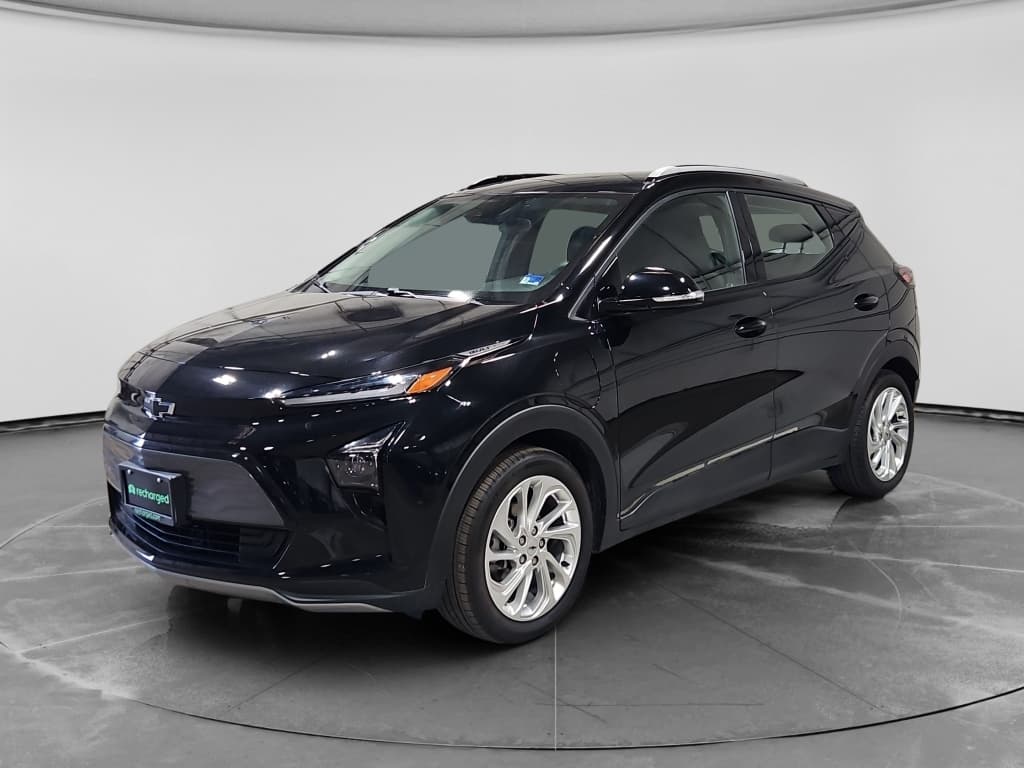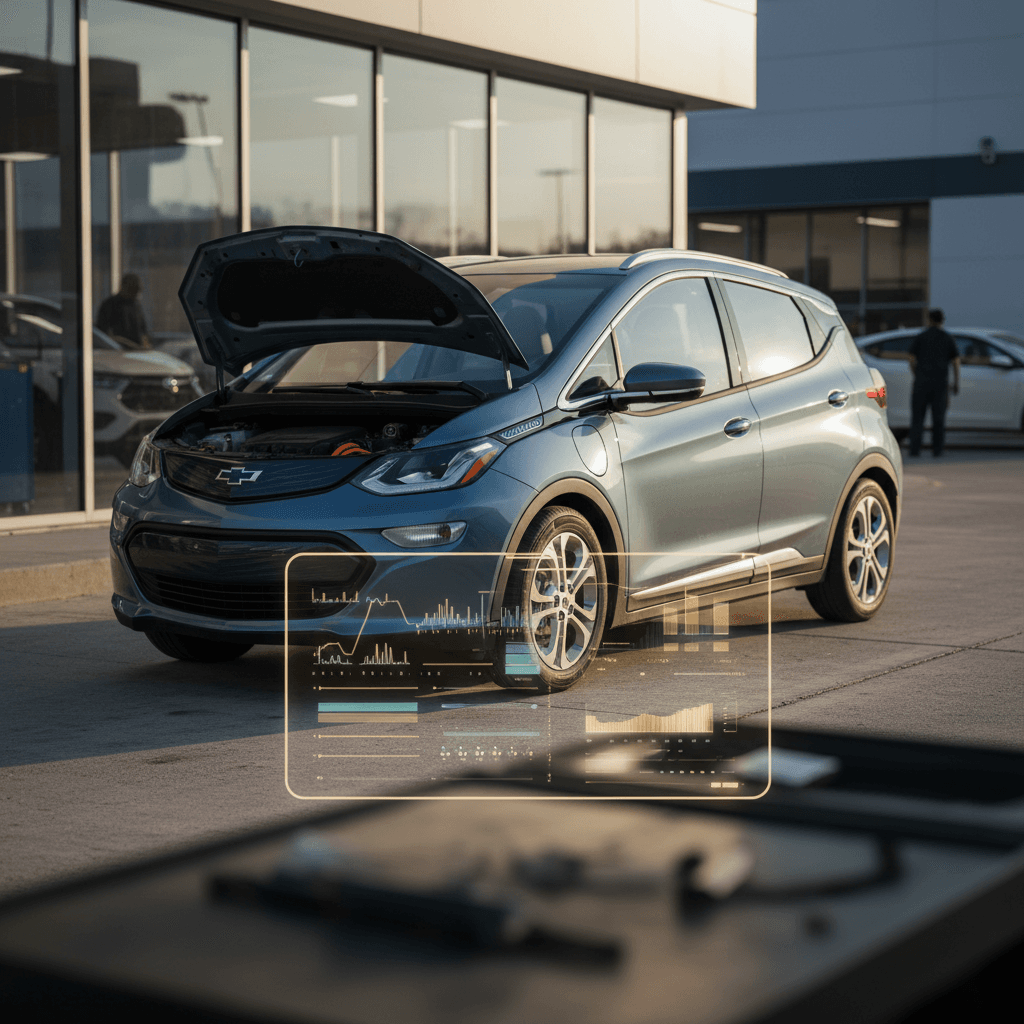
If you’re eyeing a used 2020 Chevrolet Bolt EV, you’ve probably heard two completely different stories. On one side: glowing owner reviews and dirt‑cheap prices. On the other: headlines about battery fires and recalls. The goal here is to cut through the noise and give you a clear, modern view of the 2020 Chevrolet Bolt EV reliability rating, what the data says, how the battery recall changed the picture, and what actually matters if you’re buying one today.
Quick verdict
Overview: How reliable is the 2020 Chevrolet Bolt EV?
2020 Chevy Bolt EV at a glance
So where does that leave the 2020 Bolt? In broad strokes, you’re looking at an EV that is mechanically simple and generally durable, no engine, no transmission, very few moving parts, but one that also lived through a high‑profile battery safety saga. The reliability story is twin‑tracked: everyday usability, which owners mostly praise, and battery‑recall history, which you absolutely must verify on any used example.
Official reliability ratings: J.D. Power, Consumer Reports & more
When shoppers talk about a "reliability rating," they’re usually thinking of the big three: J.D. Power, Consumer Reports, and owner‑review aggregates like Kelley Blue Book or Cars.com. Those sources don’t always agree, but together they paint a reasonably coherent picture of the 2020 Bolt EV.
2020 Chevrolet Bolt EV reliability ratings by source
How major ratings outlets and owners themselves score the 2020 Bolt EV.
| Source | Metric | Score / Verdict | What it really means |
|---|---|---|---|
| J.D. Power | Quality & Reliability | 76 / 100 – Average | More issues than the best small cars, fewer than the worst; major defects are not rampant but not absent. |
| J.D. Power | Overall Score | 79 / 100 | The Bolt’s driving experience and resale help offset average reliability. |
| Consumer Reports | Overall Reliability | Below Average to Poor | Battery problems and recall‑related complaints push the reliability chart down. |
| Kelley Blue Book | Owner Reliability Rating | 4.6 / 5 stars | Real‑world owners tend to be happy with reliability, especially after recall remedies. |
| Cars.com | Owner Reviews | High 4s / 5 | Most complaints center on seats and range anxiety, not breakdowns. |
Scores are approximate but reflect the current direction of each source as of 2025–2026.
How to read “average”
For the 2020 Bolt EV, the split is stark: formal reliability charts weigh the battery recall heavily, while many owners report uneventful, low‑drama ownership once their car received the recall fix. That’s why any meaningful look at reliability has to go straight through the recall story.
The battery recall that reshaped the 2020 Bolt EV’s reliability story
In 2021, General Motors expanded its high‑voltage battery recall to include all 2017–2022 Bolt EV and EUV models, including the entire 2020 model‑year run. The issue traced back to manufacturing defects in LG battery cells that, in rare combinations, could cause a thermal event (fire). GM’s answer was blunt but effective: replace many packs outright and roll out software designed to detect abnormal cell behavior early.
- Every 2020 Chevrolet Bolt EV is covered by the high‑voltage battery recall campaign.
- Many 2017–2019 cars received full pack replacements; 2020–2022 cars often received advanced diagnostic software and, in some cases, new packs as well.
- Owners also lived through temporary restrictions, like charging limits and parking guidance, while GM and regulators sorted out the fix.
Non‑negotiable for used buyers
The upside of this painful episode is that many 2020 Bolts now carry essentially “young” replacement packs with fresh warranties, and even original‑pack cars have undergone enhanced monitoring. That doesn’t erase the history, but it does change the real‑world reliability outlook compared with those anxious early‑recall years.
Most common 2020 Bolt EV problems (and how serious they are)
Typical 2020 Bolt EV trouble spots
From big‑ticket worries to mild annoyances.
High‑voltage battery issues
The headline problem area. A small subset of cars experienced pack failures or recall‑related limitations (reduced charge limits, warning messages, or slow‑charging behavior). In many cases, the fix was a full battery replacement under warranty.
Door latch / rear door recalls
Separate from the battery issue, some 2020 Bolts were recalled for rear doors that could potentially open while driving. It’s a one‑and‑done dealer fix and not a chronic reliability concern once addressed.
Infotainment & minor electronics
Like most modern cars, the Bolt can suffer from screen freezes, Bluetooth glitches, and radio resets. These are annoying but rarely leave the car undriveable.
Range drop in cold weather
Not a defect per se, but cold‑weather owners often interpret the Bolt’s winter range loss as a reliability problem. It’s normal physics: the pack and cabin heater both take their cut.
Seat comfort & interior wear
Many owners complain more about the thin front seats than any mechanical failure. Premature wear on interior plastics is also common but cosmetic.
On‑board charger & charging port issues
Occasional reports of charge sessions stopping early or wall units “not communicating” with the car. Often this traces to home wiring, EVSE, or software, but a small number of cars have needed hardware replaced under warranty.
What’s largely *not* a problem
Owner experience: What 2020 Bolt EV drivers report day to day
Look past the recall headlines and you find thousands of owners quietly piling on miles with very little drama. On Kelley Blue Book, about 82% of 2020 Bolt EV reviewers give the car 5 out of 5 stars overall, and reliability is one of the most commonly praised attributes. That aligns with forum anecdotes: plenty of 2020 Bolts cresting 50,000–60,000 miles with nothing beyond software updates and tire rotations.
What owners like
- Low running costs: Little scheduled maintenance, cheap electricity, and no gas stops.
- Simple, robust drivetrain: One motor, one reduction gear, and a pack that, post‑recall, tends to just work.
- Urban practicality: Small footprint, huge cabin, easy to park.
- Punchy performance: Instant torque that makes city driving feel effortless.
What owners complain about
- Anxiety during the recall era: Charging limits, scary headlines, long waits for replacement packs.
- Seat comfort: Thinly padded front seats, especially on longer drives.
- Interior “econobox” feel: Plastics and sound insulation that remind you this started life as a budget car.
- Dealer experience: Some Chevy dealers are still learning EV service, which can drag out repairs.
The upshot from owners
Safety vs. reliability: Two different questions
The Bolt’s battery recall was about safety risk, not day‑to‑day reliability. Regulators and GM were concerned about a very small chance of a fire, not a high chance your car would leave you stranded. It’s important to keep those distinct in your mind when you evaluate a used 2020 Bolt EV.
- Crash safety: The Bolt EV earned strong crash‑test scores from the IIHS in its early model years, and that rating carries through 2020.
- Operational reliability: Once repaired, most Bolts start, drive, and charge exactly as advertised with very few roadside failures reported.
- Residual stigma: Headlines stick around longer than data. Values are still depressed in part because shoppers remember the fire stories, not the fixes.
If you’re still worried about fires
Checklist for buying a used 2020 Bolt EV
2020 Chevy Bolt EV reliability checklist
1. Confirm battery recall completion
Ask for service records showing the high‑voltage battery recall has been performed. Verify the VIN on Chevrolet’s recall site or through NHTSA, and confirm whether the car received a full pack replacement or only software monitoring.
2. Check battery warranty status
GM’s EV component warranty is typically 8 years/100,000 miles from the original in‑service date. On a 2020 Bolt, that means some battery coverage may remain into the late 2020s. Confirm in‑service date and mileage so you know exactly how much runway is left.
3. Review charging behavior
During a test drive or inspection, fast‑charge and Level 2 charge if possible. Look for warning messages, abnormally slow speeds, or sessions that terminate early. These can hint at pack imbalance, onboard charger issues, or problematic home wiring.
4. Scan for software updates and stored codes
Have a shop or EV‑savvy seller scan for diagnostic trouble codes, especially related to the battery management system and charging. A clean bill of health here is as important as a normal test drive.
5. Inspect tires, brakes and suspension
EVs are heavy and torque‑y; they can be harder on tires and suspension bushings. Uneven tire wear or noisy suspension can hint at alignment issues or pothole damage rather than design flaws, but they still cost money to set right.
6. Evaluate interior condition and comfort
Because the Bolt’s cabin materials are modest to begin with, hard‑used interiors can feel tired quickly. Check seat bolsters, steering‑wheel wear, and rattles on rough roads. None of this is “reliability” in a strict sense, but it affects your daily experience.
7. Ask about charging habits
Prior owners who routinely fast‑charged to 100% and ran the battery very low may have accelerated pack aging. You can’t reconstruct every mile of its life, but it’s worth asking how the car was used: commuter, road‑tripper, or occasional runabout.
8. Get an independent EV‑focused inspection
A generic used‑car check won’t necessarily catch EV‑specific issues. A platform like <strong>Recharged</strong> or an EV‑savvy shop can evaluate battery health, charging hardware, and software status in far more detail than a typical dealer walk‑around.
Battery health, replacements & the Recharged Score
With the 2020 Bolt EV, battery condition is 80% of the reliability conversation. Unlike an engine that slowly wears out, high‑voltage batteries tend to be either basically fine or obviously not. That’s where objective testing helps separate the quietly solid cars from the ones you should leave on the lot.
What a healthy 2020 Bolt battery looks like
- Real‑world range that’s reasonably close to the original 259‑mile EPA figure, adjusted for your climate and driving.
- Consistent charging speeds on both Level 2 and DC fast charge, without sudden throttling or unexplained stops.
- No history of repeated pack replacements, BMS faults, or "reduced propulsion" warnings.
How Recharged evaluates Bolt batteries
Every Bolt EV listed on Recharged comes with a Recharged Score Report that includes:
- Diagnostic testing of battery health and usable capacity, not just a dash‑display guess.
- Verification of recall completion and any battery replacement campaigns.
- Charging‑behavior checks to spot potential issues early.
- Transparent notes on pack history so you know what you’re buying.
That’s the difference between hoping a cheap EV is fine and knowing where it stands.
Why a replacement pack can be a good thing
Is the 2020 Chevrolet Bolt EV a good used buy in 2026?
If you strip away the recall drama and look at the fundamentals, the 2020 Bolt EV is an oddly compelling thing: a compact hatch with big‑car space, 250‑plus miles of range, and the running costs of a golf cart. Reliability is not pristine, Consumer Reports will probably never forgive the recall, but for a used‑car shopper, that controversy has already been priced in.
2020 Bolt EV reliability: pros and cons for used buyers
Where it shines, where you should be cautious.
Reasons to feel confident
- Simple EV hardware with few moving parts and very low routine maintenance needs.
- Strong owner‑reported reliability day to day, especially on post‑recall cars.
- Potentially newer batteries on cars that received pack replacements, often with extended warranty coverage.
- Excellent value: depressed resale values mean you get a lot of EV for the money.
Reasons to be cautious
- Battery recall history complicates the story; documentation is essential.
- Average formal reliability scores vs. best‑in‑class rivals.
- Chevy dealer variability, some stores are great with EVs, others are still learning.
- Interior and comfort compromises that might grate if you’re coming from a more premium car.
For the right buyer, a value‑driven commuter, a household that wants a second EV, or someone ready to trade gas receipts for electrons, a well‑vetted 2020 Bolt EV can be a smart, dependable choice. The key is not to treat every 2020 Bolt as equal. Focus on battery history, recall documentation, and objective health data. Platforms like Recharged exist precisely to make that invisible reliability story visible, so you can shop the Bolt’s bargain pricing without gambling on its past.