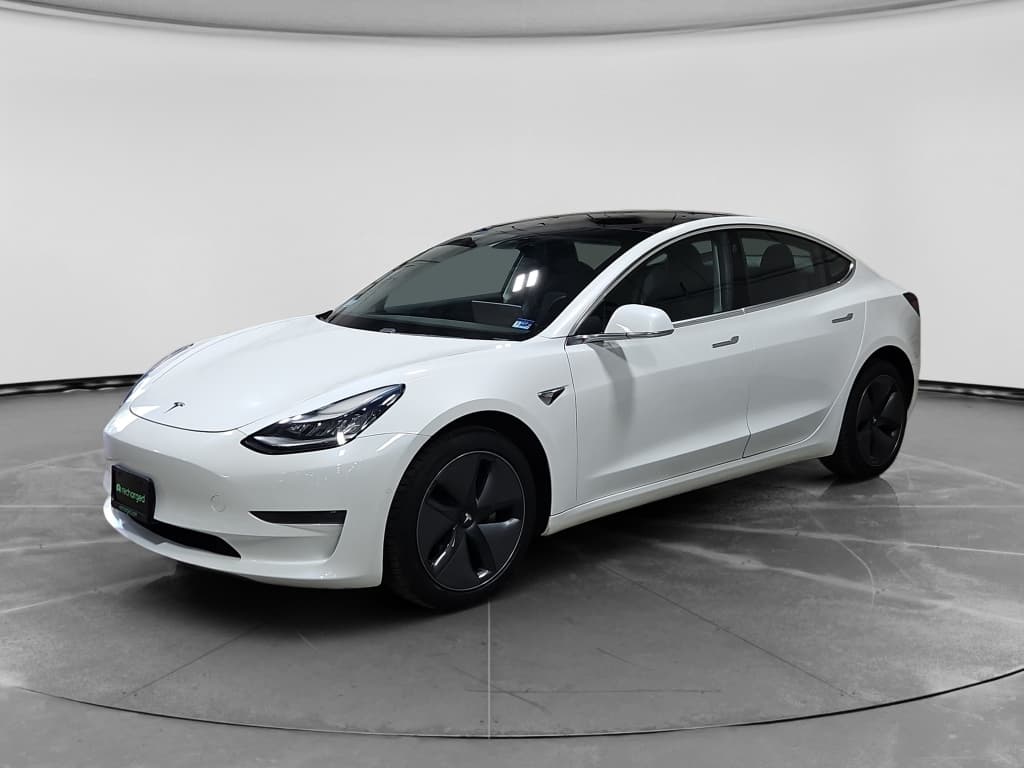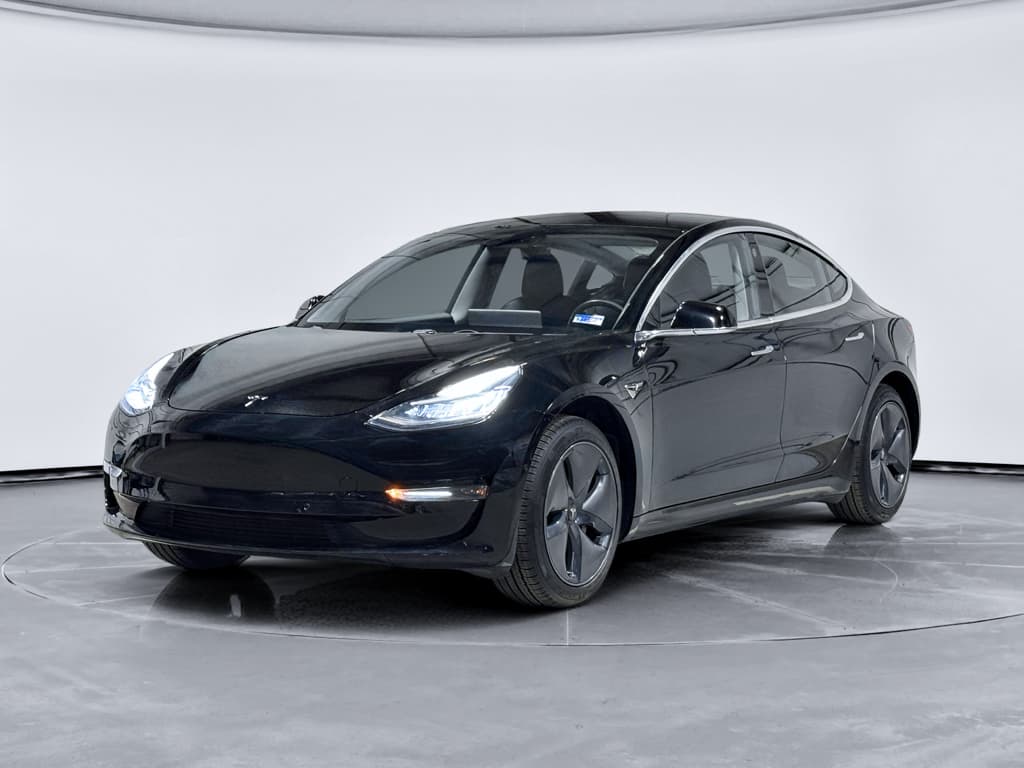
Search for “2019 Tesla Model 3 range test” and you’ll find everything from ecstatic owners beating EPA numbers to winter commuters wondering where half their battery went. If you’re considering a 2019 Model 3 today, especially a used one, the real question isn’t the lab-tested range, it’s what you’ll actually see on the road in 2026.
What this guide covers
2019 Model 3 range at a glance
2019 Tesla Model 3 range snapshot
In 2019, the Tesla Model 3 rewrote expectations for EV range. The Long Range versions carried EPA ratings around 310 miles, while the smaller Standard Range variants still cleared 200 miles comfortably. Fast-forward to today and most owners are seeing slightly lower numbers from age, plus the usual real-world penalties from speed, weather, and HVAC use.
Quick rule of thumb
2019 Tesla Model 3 batteries and EPA range ratings
The confusing part about any 2019 Tesla Model 3 range test is that “Model 3” isn’t one car. It’s several battery and motor combinations, each with a different EPA rating. Knowing which one you’re testing, or buying, matters more than the badge on the trunk.
2019 Tesla Model 3 EPA range ratings (approximate, U.S.)
Key 2019 Model 3 configurations and their original EPA combined range ratings.
| Trim (2019 US) | Battery (usable kWh) | Drive | EPA range (mi) | EPA efficiency (kWh/100 mi) |
|---|---|---|---|---|
| Standard Range (later SR+) | ~50–54 kWh | RWD | 220–240 | ~26 |
| Standard Range Plus (SR+) | ~54 kWh | RWD | 240 | ~26 |
| Mid Range | ~62 kWh | RWD | ~264 | 27 |
| Long Range RWD | ~75 kWh | RWD | 310 | ~26–27 |
| Long Range Dual Motor AWD | ~75 kWh | AWD | 310 | ~26–27 |
| Performance AWD | ~75 kWh | AWD | 310 (slightly lower in practice) | ~28–30 |
Exact figures can vary slightly by wheel size and software; think of these as ballpark EPA numbers.
How to tell which battery you have
How real-world range tests differ from EPA
The EPA test cycle is a kind of polite fiction: a standardized lab procedure that helps compare cars on paper, but doesn’t look much like your daily life. In real-world testing, you swap the lab rollers for wind, elevation changes, traffic, and your right foot’s personality. Unsurprisingly, a 2019 Model 3’s actual range almost always comes in lower than its EPA score.
- Speed: The EPA highway cycle tops out around 60 mph. Many independent range tests run at a steady 70–75 mph, where aerodynamic drag brutally punishes efficiency.
- Temperature: EPA tests happen at room temperature. Real-world tests include cold-soaked batteries, cabin heating, defrost, and summer A/C.
- Elevation & wind: Long highway loops add hills and crosswinds that either help or hurt you compared with a flat dyno drum.
- Driving style: Hard accelerations and high average speeds increase consumption; smooth one‑pedal driving does the opposite.
- Accessories: Roof racks, winter tires, big wheels, and cargo all chip away at range.
Don’t chase the brochure number
Highway range test: what you can expect at 70 mph
Most "range anxiety" happens on the interstate, not in town. The honest way to read a 2019 Tesla Model 3 highway range test is to look at steady‑speed results around 70 mph, then adjust for temperature and elevation. Independent testers and owner logs tend to converge on a few realistic numbers.
Approximate 70 mph highway ranges in mild weather
Assumes battery in good health, temps around 60–70°F, no crazy headwinds, on relatively flat terrain.
Standard Range / SR+
Realistic 70 mph range:
- Summer: ~170–190 miles
- Cool weather: ~150–170 miles
Owners commonly report never quite touching the original 220–240 mile EPA figure on the highway unless they slow down.
Mid Range
Realistic 70 mph range:
- Summer: ~200–220 miles
- Cool weather: ~180–200 miles
The 62 kWh pack adds a helpful cushion over SR+, especially for commuters with 150+ mile days.
Long Range (RWD & AWD)
Realistic 70 mph range:
- Summer: ~240–270 miles
- Cool weather: ~220–250 miles
Tests from outlets like Consumer Reports have even beaten the 310‑mile EPA on gentle routes, but high‑speed interstate driving usually trims that back.
Simple highway planning math
City and mixed driving range
If you mostly drive in town or in mixed suburban traffic, you’ll usually see better range than on the highway. The Model 3’s strong regenerative braking claws back a surprising amount of energy, and speeds are lower so aerodynamic drag is less of a villain.
Purely urban driving
In stop‑and‑go traffic below 45 mph, a 2019 Model 3 can flirt with or even exceed its EPA rating:
- SR / SR+: 190–220 real miles per charge
- Mid Range: 220–250 real miles
- Long Range: 280+ miles is achievable with gentle driving
Short hops where the car sits and cools between trips will hurt efficiency more than long, continuous drives.
Typical suburban mix
For many owners, half suburbia, half highway at 60–70 mph, expect numbers somewhere between city and highway:
- SR / SR+: 170–200 miles
- Mid Range: 200–230 miles
- Long Range: 240–280 miles
Climate control habits make a big difference here. Preconditioning while plugged in keeps more energy for driving.
Winter range tests and cold-weather losses
Search owner forums for “winter range 2019 Model 3” and you’ll find a consistent theme: cold is cruel. Below freezing, the battery chemistry slows, the pack devours energy to warm itself, and you’re running heat, defrost, and seat heaters. It’s the EV equivalent of driving with a parachute out the back.
How much range do 2019 Model 3s lose in winter?
Ballpark expectations for 20–30°F (-6 to -1°C) highway driving with cabin heat on.
Standard Range / SR+
- Highway at 70 mph: ~120–150 miles
- Mixed driving: ~140–170 miles
- Typical loss vs. EPA: 30–40%
Mid Range
- Highway at 70 mph: ~150–180 miles
- Mixed driving: ~170–200 miles
- Typical loss vs. EPA: 25–35%
Long Range (RWD & AWD)
- Highway at 70 mph: ~190–230 miles
- Mixed driving: ~220–260 miles
- Typical loss vs. EPA: 20–30%
Beware back‑to‑back cold starts
Battery degradation on 2019 Model 3: what we’re seeing now
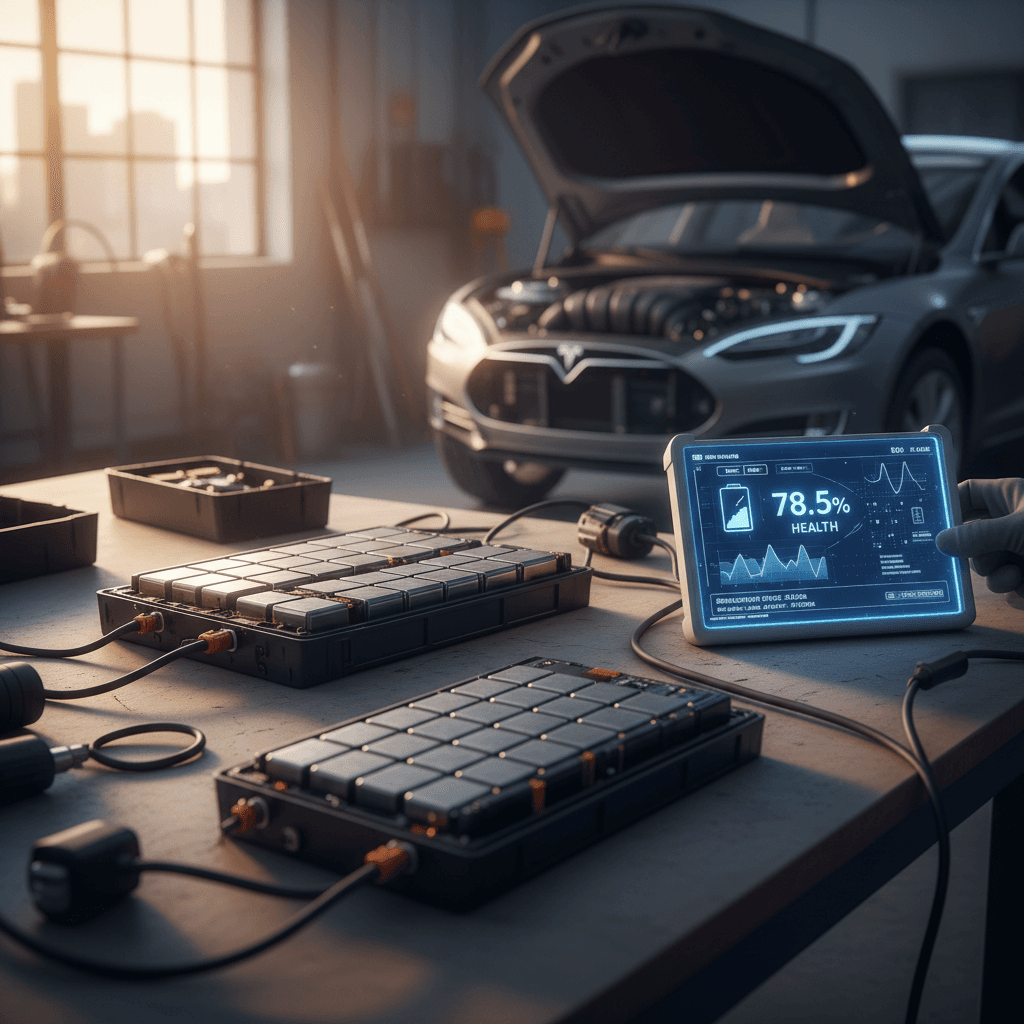
By 2026, a 2019 Tesla Model 3 is a 6–7‑year‑old car. The question hanging over every used EV is the same: how much battery has it lost? The good news is that Tesla’s early Model 3 packs have aged better than the more anxious corners of the internet predicted.
- Most 2019 SR / SR+ owners report 10–15% loss from new. A car that showed 240 miles at 100% when new might show 200–215 miles now.
- Long Range packs, with their larger buffers, often sit in the 8–12% loss range when reasonably cared for.
- High‑mileage cars (80k+ miles) can be below those averages, or a bit above them, depending on charging habits and climate.
- Tesla’s BMS (battery management system) occasionally recalibrates, so the displayed 100% range can jump around by a few miles without the chemistry actually changing overnight.
Displayed range vs. real range
When you shop a used Model 3 on Recharged, every car comes with a Recharged Score battery health report. We plug into the car, look at usable capacity and charge history, and translate that into a clear “this is how much range you should realistically expect” summary, so you’re not guessing from a single screenshot.
How to run your own 2019 Model 3 range test safely
You don’t need a proving ground to learn what your 2019 Model 3 can actually do. A careful homegrown test on familiar roads will tell you 90% of what a professional range article would, without the drama of nursing the battery to 0% on the shoulder of I‑80.
Step‑by‑step DIY range test
1. Pick your route
Choose an out‑and‑back or loop you know well, ideally 50–100 miles with a mix that matches how you actually drive (e.g., 70 mph highway, or urban stop‑and‑go). Make sure there are chargers along the way just in case.
2. Charge to a known starting point
For most tests, charging to <strong>90–95%</strong> is plenty; there’s no need to hit 100% regularly. Note the displayed miles at your starting state of charge and reset the trip meter.
3. Drive at a steady, realistic speed
On the highway, use Autopilot or cruise control to hold a steady 65–70 mph. Avoid jackrabbit starts; pretend you’re chauffeuring a nervous relative. In town, drive as you normally would.
4. Note conditions
Record outside temperature, cabin settings, payload (passengers/cargo), and wind/elevation if you know it. These details explain a lot when you compare future tests.
5. Stop around 10–15%
You don’t need, or really want, to run the pack to 0%. Stopping near 10% gives a clear picture while preserving a healthy buffer. Plug in and note total miles driven and kWh used.
6. Do the math
Divide miles driven by percentage of battery used to estimate your full‑pack range under those conditions. For example, 150 miles on 60% battery translates to about 250 miles on a full charge in similar conditions.
Don’t normalize running to zero
Used 2019 Model 3: what range to expect when buying
If you’re eyeing a 2019 Tesla Model 3 on the used market, you’re really shopping for two numbers: usable battery capacity and realistic range in your climate. The badge can say Long Range all day; what matters is how much of that range is still on the table in 2026.
Typical usable range today for a healthy 2019 Model 3
Assumes average degradation and normal driving habits in the U.S.
Urban & suburban use
- SR / SR+: ~150–190 miles per charge
- Mid Range: ~180–220 miles
- Long Range: ~220–270 miles
Plenty for most commuters charging nightly at home or work.
Frequent highway & road trips
- SR / SR+: Plan around ~140–170 miles between fast charges
- Mid Range: ~170–210 miles
- Long Range: ~210–250 miles
Add 20–30% extra buffer if you live somewhere with harsh winters.
How Recharged simplifies this
Ready to find your next EV?
Browse Vehicles
FAQ: 2019 Tesla Model 3 range questions
Frequently asked questions about 2019 Model 3 range
Bottom line: is a 2019 Model 3’s range enough today?
If you strip away the hype, a 2019 Tesla Model 3 range test tells a simple story. Even with a few years and a few percent of capacity behind it, a healthy 2019 Model 3 still offers more usable real‑world range than many brand‑new EVs on sale today, especially when you account for Tesla’s dense fast‑charging network.
For most U.S. drivers, an SR+ or Mid Range will comfortably cover daily commuting and weekend errands with overnight home charging, while the Long Range trims remain road‑trip weapons if you’re willing to align your coffee breaks with Superchargers. The key is to plan around realistic 70 mph numbers, not brochure fantasies, and to buy a car with its battery story told in plain English.
That’s where Recharged comes in. If you’re shopping for a used 2019 Model 3, our Recharged Score battery health diagnostics, expert EV advisors, flexible financing, and nationwide delivery take the guesswork, and the range anxiety, out of going electric. You bring your routes and your expectations; we’ll help you find the Model 3 that fits both.