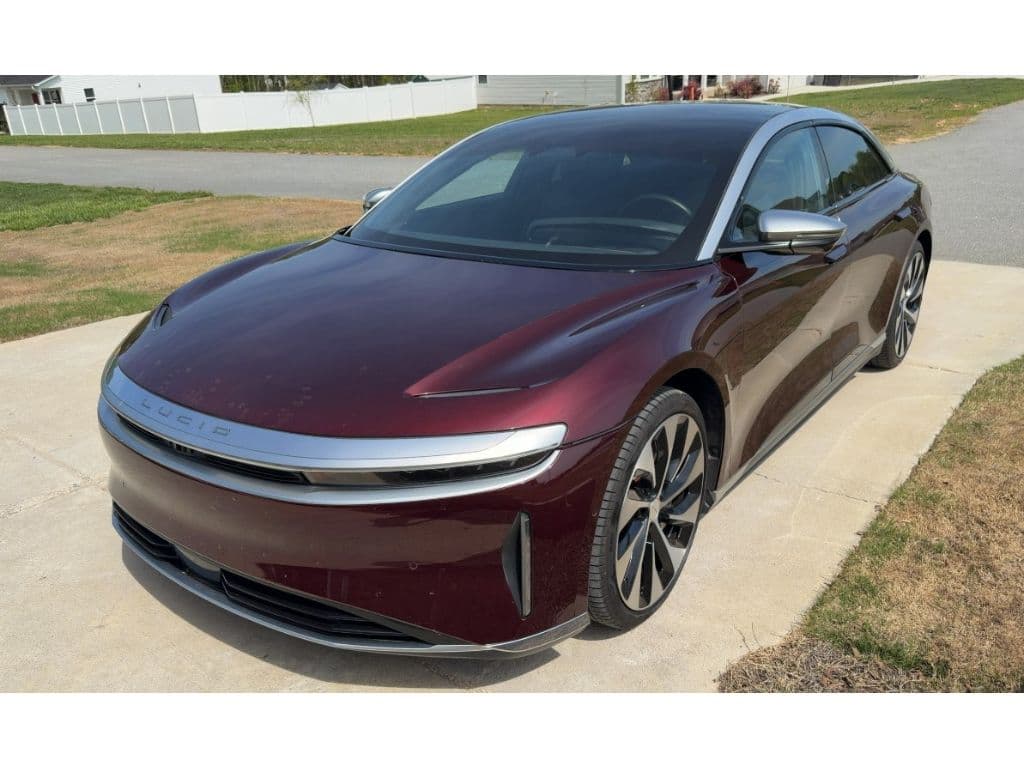
If you’re eyeing a Lucid Air, new or used, you’re probably wondering what it actually costs to maintain each year. EVs don’t need oil changes, but the Lucid is still a 5,000‑pound luxury sedan with giant wheels and complex software. The truth is that **Lucid Air annual maintenance cost** is lower than a comparable gas sedan, but it’s not zero, and tires in particular can eat through a budget if you’re not prepared.
Quick takeaway
Lucid Air annual maintenance cost at a glance
Lucid Air maintenance in context
Those numbers hide a lot of nuance. The **first couple of years** may cost you almost nothing out of pocket thanks to complimentary Lucid Care maintenance. Later on, you’ll see more of the true annual cost as tires, brake fluid, and wear‑item services come due. And if you buy a **used Lucid Air**, your costs will depend heavily on whether those free service years are already gone and what shape the tires and suspension are in.
How free Lucid Care affects your annual cost
Lucid currently includes **two years of scheduled maintenance** with every new Lucid Air, typically covering basic inspections and routine wear items during that window. That means your **effective annual maintenance cost for years 1–2 can be close to $0**, aside from tires and anything not considered scheduled service.
- Scheduled inspections and basic services are bundled for the first 2 years (or around 24,000 miles, depending on the specific program).
- Many issues can be handled by Lucid’s mobile service, which comes to your home or office for qualifying work.
- Owner reports often mention “no charge” for early inspections, cabin filters, wiper rubber, and key‑fob batteries during this period.
Buying used? Ask about remaining free service
Once those first two years are up, the Lucid Air behaves like any other high‑end EV: still relatively low maintenance, but you’ll start paying out of pocket for inspections, brake fluid, alignment checks, and wear items.
Lucid Air service intervals and typical visit costs
Lucid doesn’t publish an old‑school, every‑5,000‑miles oil‑change‑style schedule, because there’s no oil to change. Instead, you’ll see **time‑based inspections and a few multi‑year fluid and filter items**. The table below gives a realistic pattern for a daily‑driven Air; always confirm specifics with the owner’s manual and a Lucid service advisor.
Typical Lucid Air service items, intervals, and cost ranges
Approximate maintenance schedule for an Air driven about 12,000 miles per year in mixed conditions.
| Item | Typical interval | What’s done | Typical cost range* |
|---|---|---|---|
| Tire rotation & inspection | Every 6,000–7,500 miles or 6–12 months | Rotate tires, check tread and pressures, inspect brakes and suspension | $60–$150 |
| Cabin air filter | About every 2 years (more often in dusty climates) | Replace interior HVAC filter | $80–$200 |
| Brake fluid service | Inspect annually; replace ~every 3–4 years | Check moisture level; flush and replace fluid if needed | $150–$300 |
| Coolant / thermal system check | At major inspections or ~every 4 years | Inspect battery and drive‑unit coolant levels and hoses | $0–$300 (inspection vs. full service) |
| Alignment check | As needed (after potholes, curb hits, or uneven wear) | Measure and adjust suspension geometry to factory spec | $150–$250 |
| Wiper blades & washer fluid | As needed, usually yearly | Replace wiper rubber, top off washer fluid | $40–$120 |
| Software / diagnostic visit | As needed for concerns or bulletins | Scan, apply software updates, address minor issues | Often $0–$300, many updates are over‑the‑air |
These are representative intervals and costs; climate, driving style, and local labor rates can move the needle up or down.
How often will you see a service center?

Tire costs: the biggest variable in your budget
If there’s one place a Lucid Air can quietly punish your wallet, it’s **tires**. You’re dealing with a heavy, high‑horsepower luxury sedan on large wheels. Driven hard, the car will happily convert expensive rubber into grip and then into dust.
What to expect from Lucid Air tires
Your driving style makes a bigger difference than the maintenance schedule here.
Typical lifespan
Many owners report **25,000–35,000 miles** on a set of performance all‑season tires with mixed driving. Aggressive driving or lots of city miles can shorten that.
Replacement cost
Expect **about $1,200–$2,000** for a full set of quality tires, mounted and balanced, depending on wheel size and tire brand.
How to stretch them
- Rotate tires on schedule.
- Keep pressures at spec.
- Get an alignment check after big pothole hits or curb kisses.
Don’t ignore uneven wear
Annual maintenance cost after the free period
Once the complimentary maintenance years are behind you, the Lucid Air’s **out‑of‑pocket annual maintenance cost** starts to look more familiar. If you spread major items like tires and brake‑fluid service across a five‑year span, a realistic ballpark for a typical owner is roughly **$300–$700 per year**, not counting unexpected repairs or collision damage.
Light‑mileage or gentle drivers
If you drive 8,000–10,000 miles a year, avoid potholes, and aren’t constantly flooring it, you might see:
- Tires lasting closer to 35,000+ miles.
- One modest service visit a year.
- Brake‑fluid service every few years.
Spread across several years, your annual maintenance could land nearer the **$300–$400** mark.
High‑mileage or spirited drivers
If you rack up 15,000+ miles per year or treat your Lucid like a supercar:
- Tires may only see 20,000–25,000 miles.
- You’ll visit more often for rotations/alignment.
- Suspension and brake wear can show up earlier.
In that world, planning for **$600–$800+ per year** in wear‑and‑tear isn’t unreasonable.
Five‑year reality check
How Lucid Air maintenance compares to gas luxury sedans
Luxury EVs and gas flagships live very different lives under the hood. A Mercedes‑Benz S‑Class or BMW 7 Series will want **regular oil and filter changes, spark plugs, transmission fluid, and more complex cooling‑system work** over the same years that a Lucid Air mostly asks for tire rotations and inspections.
Lucid Air vs. gas luxury sedan: routine maintenance snapshot
High‑level comparison of what you’ll pay to keep a Lucid Air versus a similarly priced gas sedan on the road, ignoring insurance and fuel.
| Item over 5 years | Lucid Air (EV) | Gas luxury sedan |
|---|---|---|
| Oil and filter changes | None | $600–$1,200 |
| Spark plugs, ignition service | None | $300–$800 |
| Transmission service | None (single‑speed drive unit) | $400–$800 |
| Brake service | Light use, pads often last 70k+ miles thanks to regen | Pads and rotors more frequently, especially on heavy sedans |
| Tires | Similar: $2,400–$4,000 total depending on usage | Similar or slightly less if smaller/wear‑friendly tires |
| Typical routine maintenance | ~$2,000–$3,500 | Often $3,500–$5,000+ |
Actual numbers vary by brand and dealer, but the pattern, fewer fluids and tune‑ups for the EV, holds pretty consistently.
EVs shine on routine upkeep
Saving on Lucid Air maintenance, especially with a used EV
If you’re shopping **used**, the maintenance story changes slightly. You’re no longer worrying about the first owner’s free services; you’re asking whether they actually took advantage of them and how the car was treated. That’s where buying from a transparent, EV‑focused marketplace matters.
Ways to keep Lucid Air annual maintenance costs in check
1. Start with a well‑documented car
Look for a Lucid Air with clear service history and a clean inspection. On Recharged, every EV comes with a **Recharged Score battery‑health report** and a condition overview, so you’re not guessing about past neglect.
2. Inspect tires and alignment before you sign
Uneven tire wear or feathered tread usually means alignment or suspension issues. Catching that before purchase can save you from an immediate $1,500 tire bill plus alignment on day one.
3. Budget for tires from day one
Set aside a dedicated **tire fund**, even $40–$60 a month, and you won’t flinch when it’s time for a new set. That turns a big one‑time cost into a predictable “subscription” you control.
4. Use mobile service when available
If Lucid’s mobile techs cover your area, it’s often easier (and sometimes cheaper) than taking a day off to drive to a distant service center, especially for simple maintenance.
5. Stay current on software and recalls
Most software fixes arrive over the air while the car sits in your garage. Accepting updates promptly can prevent bigger issues and unnecessary shop time later.
6. Consider an EV‑savvy independent shop down the road
As the Lucid fleet ages, more independent shops will get comfortable with **EV‑specific maintenance** like tire, brake, and suspension work. That can offer cost‑competitive options once you’re out of warranty.
Pair maintenance planning with the right car
When “maintenance” turns into repairs
So far we’ve talked about **planned maintenance**, the stuff you can circle on a calendar. But with any new brand, owners also worry about the unplanned kind: screens that glitch, sensors that misbehave, a charge port that suddenly refuses to latch.
The good news
- The high‑voltage battery and drive unit are covered for up to 8 years/100,000 miles, shielding you from the scariest repair bills early on.
- Many issues are software‑related and can be fixed via **over‑the‑air updates** or quick mobile‑service visits.
- Early cars saw more software quirks; newer builds tend to benefit from those fixes out of the gate.
The caution flag
- Lucid’s service network is still growing, so if you live far from a service center, logistics can add time and hassle.
- Out‑of‑warranty electronics or body repairs on a low‑volume luxury EV can be pricey, more like fixing a high‑end German sedan than a mainstream crossover.
- It’s smart to keep a small **“unexpected repairs” buffer** in your annual budget once the bumper‑to‑bumper warranty expires.
Don’t skip inspections to “save” money
FAQ: Lucid Air annual maintenance costs
Common questions about Lucid Air maintenance
Is the Lucid Air expensive to maintain? Bottom line
Viewed in isolation, a $1,500 set of tires or a $300 brake‑fluid service can feel steep. But compared with the oil changes, tune‑ups, and transmission services that a similarly quick gas sedan demands, the **Lucid Air’s annual maintenance cost is refreshingly modest**. After the free service period, most owners will land somewhere around **$300–$700 per year** in planned upkeep, plus whatever their driving style adds to the tire bill.
If you’re shopping for a Lucid Air, especially a used one, the smart play is to look at the whole picture: remaining warranty, tire condition, service history, and battery health. A platform like Recharged bundles those ingredients into a **Recharged Score report**, so you can see maintenance reality before you ever sign paperwork. Get that right, and the Lucid Air doesn’t just feel like the future when you drive it; it looks surprisingly sensible when you run the numbers, too.