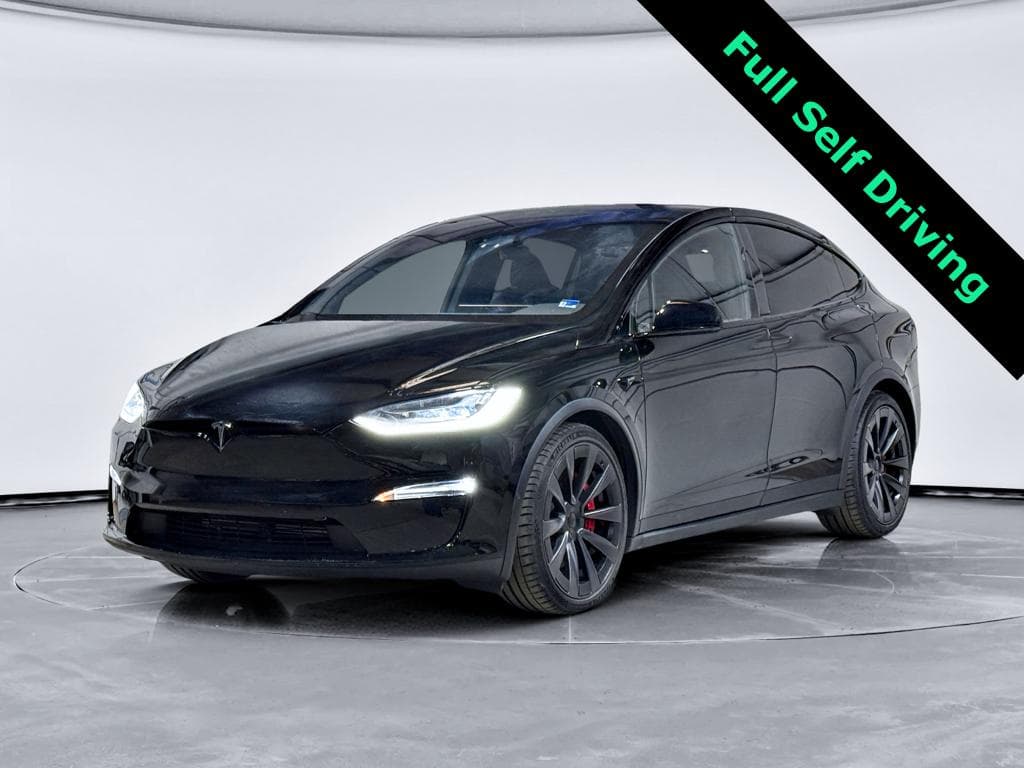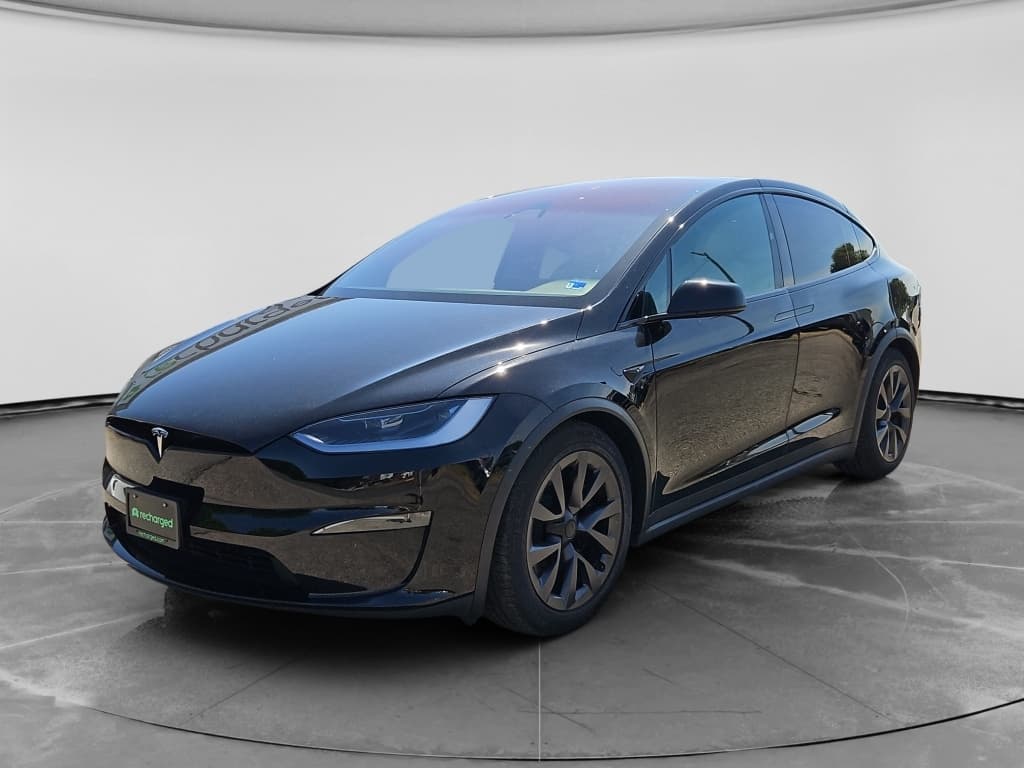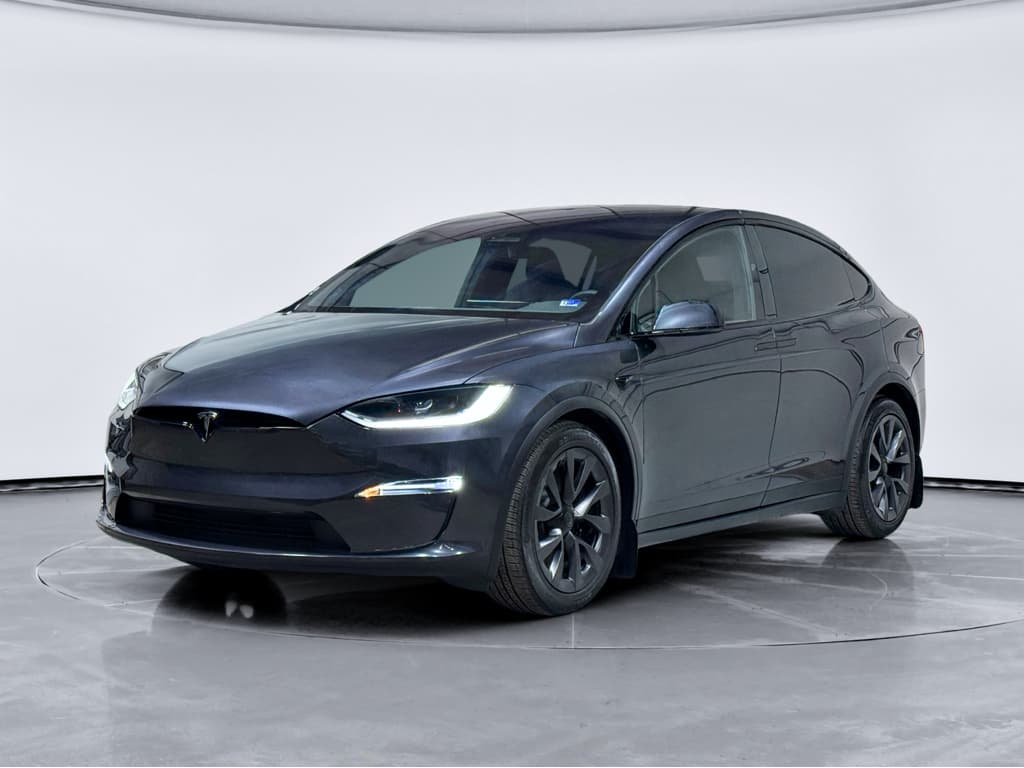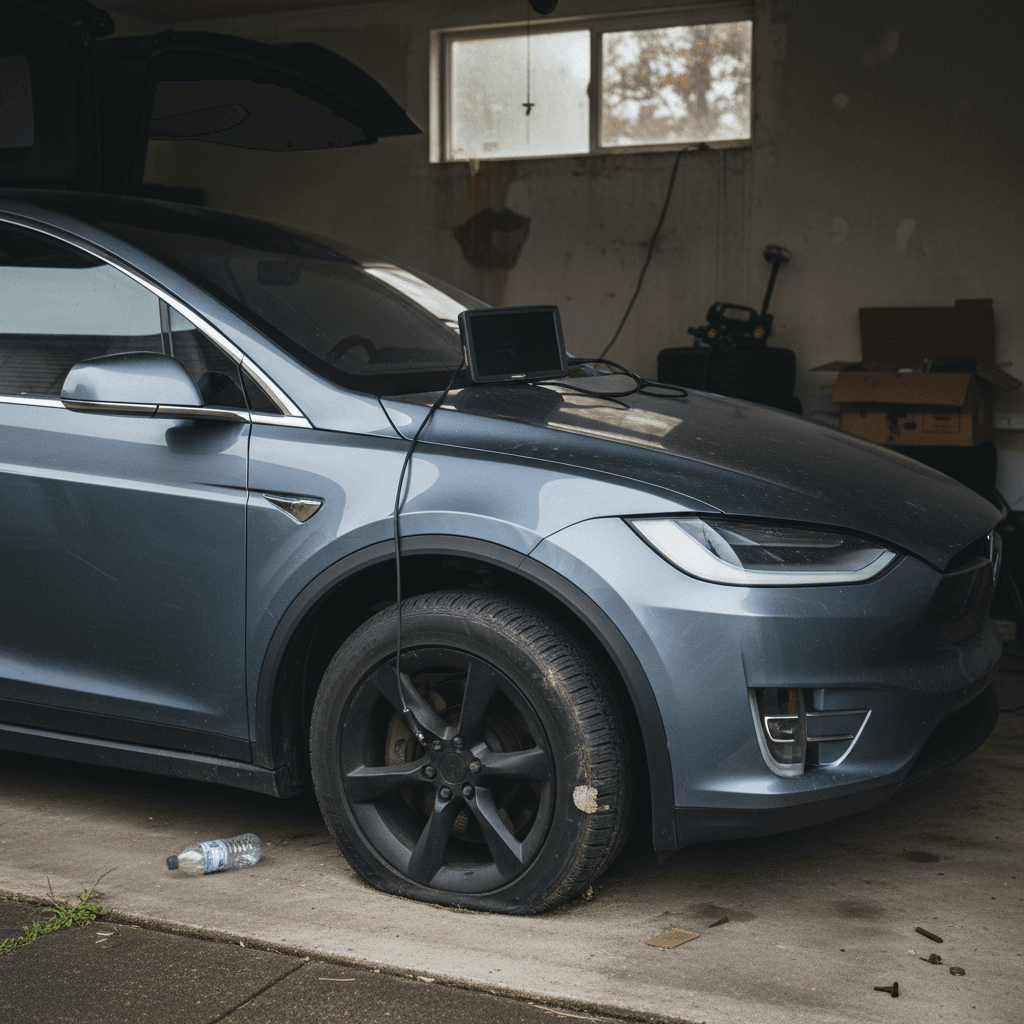
If you’re looking at a used 2018 Tesla Model X, you’re probably asking a simple question with a surprisingly complex answer: how far will it actually go on a charge today? Lab numbers are one thing. A six‑ to eight‑year‑old SUV, maybe with 70,000–120,000 miles on the clock, is another. This guide pulls together EPA ratings, owner data, and real‑world 2018 Tesla Model X range tests to help you set realistic expectations, and avoid surprises, before you buy.
Key takeaway up front
Why 2018 Model X range still matters in 2026
The 2018 Model X sits in a sweet spot for many used‑EV shoppers. It has modern software, usable DC fast‑charging, advanced driver‑assist features, and the signature falcon‑wing doors, but at a fraction of its original price. The catch is that range is a wasting asset: you’re dealing with an older battery, newer and more efficient rivals, and the reality of today’s driving conditions.
Understanding how a 2018 Tesla Model X performs in a real‑world range test helps you answer a few crucial questions: - Will it comfortably cover your daily commute without charging at work? - Can it handle your typical road trips with reasonable charging stops? - Is the particular used Model X you’re considering healthy, or hiding battery issues?
How Recharged can help
2018 Tesla Model X EPA range ratings (75D vs 100D)
Let’s start with the numbers Tesla advertised when these SUVs were new. For the 2018 model year, most shoppers saw two main versions:
2018 Tesla Model X EPA range & efficiency ratings
Factory test numbers that form the baseline for any 2018 Model X range test.
| 2018 Model X variant | Battery pack | EPA rated range (mi) | EPA efficiency (MPGe combined) | Drive type |
|---|---|---|---|---|
| 75D | ~75 kWh usable | ~237 | ~93–95 | Dual‑motor AWD |
| 100D | 100 kWh (approx. 95 kWh usable) | 295 | 87 | Dual‑motor AWD |
EPA ratings are helpful benchmarks, but real‑world range will be lower at highway speeds or in extreme temperatures.
Those are strong numbers, especially for a large three‑row SUV that weighs well over 5,000 pounds. But EPA tests are a blend of city and highway driving at moderate speeds. Your results will vary, especially if you mostly run 70–80 mph on the interstate, drive in cold climates, or tow.
Highway isn’t the best‑case scenario
Real-world 2018 Model X range test results
To translate the lab numbers into something you can plan around, it helps to look at owner reports and structured real‑world range testing. Here’s a realistic snapshot of what you can expect from a healthy 2018 Model X today, assuming normal battery wear (roughly 8–15% capacity loss over 6–8 years) and no major mechanical issues.
Typical 2018 Model X real-world range today (healthy battery)
Those numbers line up with long‑term owner reports: many 75D drivers see about 200–220 miles when the car was newer and slightly less as the pack ages, while 100D owners often report 230–260 miles in realistic use rather than the full 295‑mile EPA claim.
Sample 2018 Model X range test scenarios
What owners typically see in real driving today
Highway loop – 75D
Setup: 70–75 mph, mild weather, light cargo.
- Start: 100% SOC
- End: 10% SOC
- Result: ~180–200 miles covered
Mixed driving – 100D
Setup: 60% highway / 40% city, 65–70 mph max.
- Start: 100% SOC
- End: 10% SOC
- Result: ~240–260 miles covered
Hilly, faster driving – 100D
Setup: 75–80 mph, elevation changes, passengers + luggage.
- Start: 100% SOC
- End: 10% SOC
- Result: ~200–220 miles covered
Don’t chase the EPA number
What happens to Model X range as the battery ages?
Tesla’s big battery packs have aged better than many skeptics expected. Fleet data and independent analyses suggest that most Tesla packs lose roughly 10% of capacity around 100,000 miles, and perhaps 12–15% by 150,000 miles, assuming reasonable care. A 2018 Model X with typical use is now right in that window.
How degradation shows up in daily driving
- Full‑charge rated range on the screen shrinks (for example, from 295 to 260 miles on a 100D).
- The car reaches low state of charge sooner on familiar routes.
- Highway stretches that once felt easy now require a quick Supercharger stop.
What’s still considered “normal”
- ~8–15% loss over 6–8 years is typical for well‑treated packs.
- Capacity loss tends to slow down after the first few years.
- Most packs are expected to outlast 300,000 miles before needing major work.
Red flags for abnormal degradation
Range test protocol: how to test a 2018 Model X yourself
If you’re serious about a particular 2018 Model X, a simple, structured range test will tell you much more than a quick test drive around the block. You don’t need special tools, just some time, a good weather day, and a bit of discipline.
DIY real-world range test for a 2018 Model X
1. Pick the right day
Aim for mild weather, roughly 55–75°F. Avoid strong winds, heavy rain, or snow. Extreme conditions can skew the results by 10–30% and hide what the car can really do.
2. Start from a genuine full charge
Charge to 100% at home or a Supercharger. Let the car sit 15–30 minutes so the battery settles, then note the displayed rated range and odometer reading before you set off.
3. Choose a realistic route
Use a loop of mostly highway driving that matches how you’ll actually use the car, if you usually go 70–75 mph, don’t test at 55. Include at least one turnaround to cancel out elevation and wind where possible.
4. Drive consistently
Set cruise control where you normally would, avoid jackrabbit launches, and leave climate control at a normal, comfortable setting. You’re testing your life with the car, not a hypermiling contest.
5. Record energy use, not just miles
On the Energy screen, watch Wh/mi (watt‑hours per mile). A 2018 Model X at highway speeds typically uses <strong>320–380 Wh/mi</strong>. Higher numbers mean more energy per mile and lower effective range.
6. Stop around 10% state of charge
You don’t need to run it to 0%. When you reach roughly 10% SOC, note the miles driven. Multiply by 1.1 to estimate total usable miles from 100%–0% in similar conditions.
How Wh/mi translates to real-world range (2018 Model X 100D)
Approximate real‑world range estimates for a healthy 2018 Model X 100D based on observed energy use.
| Average Wh/mi | Driving style example | Approx. usable kWh | Estimated real-world range |
|---|---|---|---|
| 300 | Very gentle, mostly 60 mph | ~90 kWh | ~300 miles |
| 330 | Moderate 65–70 mph | ~90 kWh | ~273 miles |
| 360 | Typical 70–75 mph | ~90 kWh | ~250 miles |
| 400 | Fast 75–80 mph, hills, winter | ~90 kWh | ~225 miles |
For a 75D, reduce these ranges by roughly 20–25% to account for the smaller pack.
How Recharged does it
Ready to find your next EV?
Browse Vehicles6 factors that kill 2018 Model X range (and how to avoid them)
The Model X is an efficient vehicle for its size, but physics still wins. These are the big range killers you need to keep in mind when interpreting any 2018 Tesla Model X range test, or planning a trip.
- Speed: Above ~65 mph, aerodynamic drag climbs sharply. Jumping from 65 to 80 mph can easily shave 15–25% off your range.
- Cold weather: Below freezing, expect 15–30% less range thanks to a colder battery and cabin heating. Preconditioning while plugged in helps a lot.
- Big wheels & tires: 22‑inch wheels and aggressive tires look great but add drag and weight. If range matters, prioritize 20‑inch wheels with efficient all‑season tires.
- Roof boxes & racks: Anything on the roof punches a bigger hole in the air and can trim another 5–10% from your highway range.
- Towing: Hitch‑mounted cargo or trailers can cut range in half, depending on weight and shape. Plan very conservative legs when towing.
- Driving style & climate control: Full‑throttle launches, constant lane changes, or cranking HVAC to extremes all add up over a long drive. Smooth inputs and reasonable temperatures pay off.
Winter owners, plan conservatively
Used 2018 Tesla Model X range & battery checklist
Range testing is only part of the story. When you’re evaluating a specific 2018 Model X, you want to know whether its battery has led a gentle life or a hard one. Here’s a focused checklist to run through before you sign on the dotted line.
What to check on a used 2018 Model X’s range and battery
1. Rated range at 100% SOC
Ask the seller to fully charge the car and send a photo of the screen. Compare the displayed miles to the original EPA figure (237 mi for 75D, 295 mi for 100D). A healthy car will usually show <strong>within about 10–15%</strong> of that original number.
2. Odometer and charging history
Higher mileage alone isn’t scary if the car mostly home‑charged and avoided sitting at 0% or 100% for long stretches. Daily Supercharging or lots of high‑heat storage is a bigger concern than 100,000 honest highway miles.
3. Energy graph on a familiar route
If you can test‑drive, reset a trip meter and drive 20–30 minutes on your normal route. Check Wh/mi afterwards. Numbers in the 320–380 Wh/mi range at 65–75 mph are typical. Significantly higher numbers hint at tire, alignment, or battery issues.
4. Tire type, size, and condition
Oversized wheels, worn tires, or aggressive tread patterns can sap range and mask what the battery can do. Confirm tire type and age, you may be able to win back range with a more efficient setup.
5. Service and warranty history
Review records for any high‑voltage battery repairs or replacements. On a positive note, a recent pack replacement under warranty can actually mean <strong>better range and faster Supercharging</strong> than the car had when new.
6. Third‑party or dealer battery report
Whenever possible, get a proper battery health report. At Recharged, our <strong>Recharged Score battery diagnostics</strong> check estimated usable capacity, charging behavior, and pack balance so you’re not relying on guesswork.
Leverage EV‑specific inspections
2018 Model X vs newer EVs: is the range still competitive?
Newer three‑row electric SUVs now advertise 300+ miles of range, so it’s fair to ask whether a 2018 Model X still stacks up. The answer depends on how you drive and what you’re cross‑shopping.
2018 Model X vs newer 3-row EVs (realistic highway range)
Approximate real‑world highway ranges at 70–75 mph for a healthy 2018 Model X compared with newer rivals.
| Vehicle | Battery size (usable, approx.) | Highway range today (mi, realistic) | Notes |
|---|---|---|---|
| 2018 Tesla Model X 75D | ~70 kWh | ~180–200 | Used pricing is attractive; range is tight for very long legs. |
| 2018 Tesla Model X 100D | ~90 kWh | ~210–240 | Comparable to many newer three‑row EVs on the highway. |
| Newer 3‑row EV SUV (2023+), mid‑pack | 90–110 kWh | ~230–270 | Often slightly more range but may lack Supercharger access. |
| Newer long‑range Tesla SUV | ~100 kWh+ | ~260–300 | More efficient drivetrain, but at a much higher purchase price. |
Newer models may go farther per charge, but the 2018 Model X’s access to the Supercharger network and strong efficiency still make it a viable long‑distance choice.
When a 2018 Model X still shines
- You value Supercharger access and a mature charging ecosystem.
- Your daily driving is under 120–150 miles.
- You’re upgrading from a gas SUV and any EV range feels generous.
- You’d rather buy a well‑equipped used Tesla than a basic new EV.
When you might want more range
- You frequently drive 250+ miles between chargers.
- You tow often in hilly terrain or cold weather.
- You prefer to cruise at 80+ mph for hours at a time.
- Your local charging network is sparse outside Tesla’s Superchargers.
Pair the right car with the right use case
FAQ: 2018 Tesla Model X range & range testing
Frequently asked questions about 2018 Model X range
Bottom line: is a 2018 Model X’s range good enough today?
If you go into a 2018 Tesla Model X range test expecting to hit the original EPA label to the mile, you’ll be disappointed. But if you plan around realistic, data‑backed numbers, roughly 180–200 miles for a 75D and 220–240 miles for a 100D at typical highway speeds, a healthy example can still be a very capable long‑distance family EV in 2026.
The key is matching the car to your life and verifying its battery health before you buy. That means looking at rated range at 100%, running a simple on‑road test if possible, and reviewing a proper diagnostic report. Buying through a platform like Recharged adds an extra layer of confidence: every used EV comes with a Recharged Score battery assessment, transparent pricing, available financing, trade‑in options, and nationwide delivery. That way, you’re not just buying a 2018 Model X, you’re buying the peace of mind that its range will work for you for years to come.