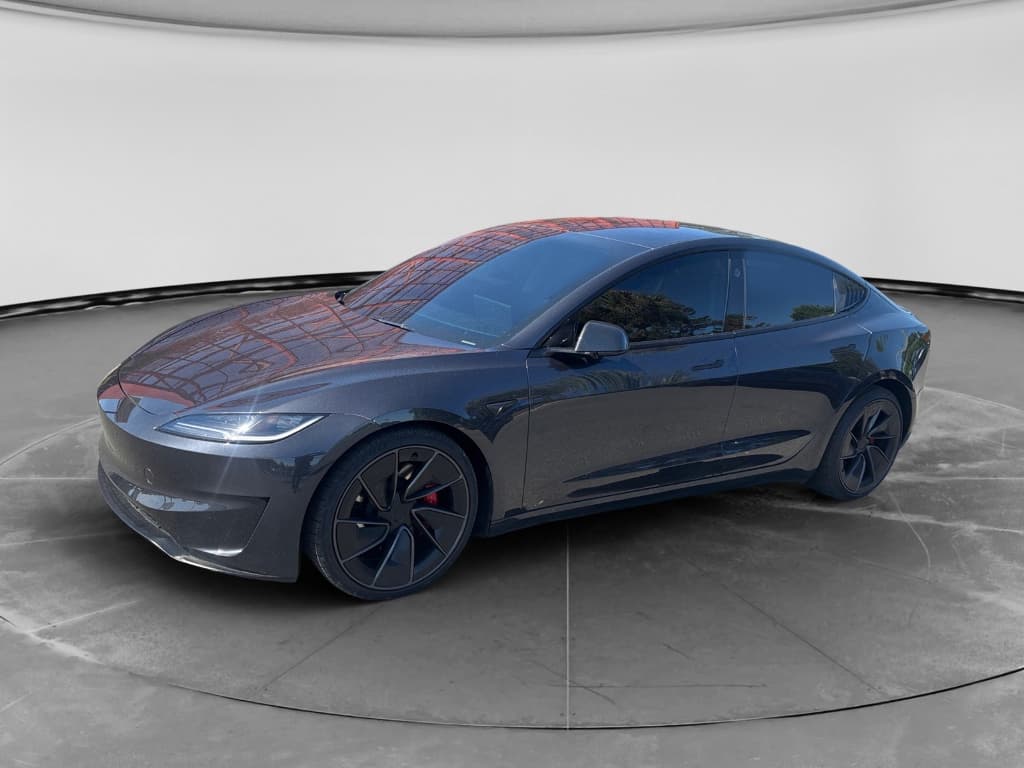
If you’re shopping used, the **2018 Tesla Model 3** is one of the most affordable ways to get into a long‑range EV with modern tech. But reliability questions naturally come up: early build quality, software quirks, and battery life after 7–8 years on the road. Here’s a clear, data‑driven look at how reliable the 2018 Model 3 really is, and what you should check before you buy.
Quick reliability snapshot
Overview: How Reliable Is the 2018 Tesla Model 3?
2018 Model 3 Reliability at a Glance
When the 2018 Model 3 was new, reliability scores bounced around. Early surveys flagged **paint, trim, glass, and in‑car electronics** issues, and the car temporarily lost a major consumer publication’s recommendation before regaining it after improvements and software updates. Today, with years of data, the pattern is clear: the **core EV hardware is robust**, while some build‑quality and suspension details can be the headache on older cars.
Who the 2018 Model 3 suits best
Battery and Range Longevity on a 2018 Model 3
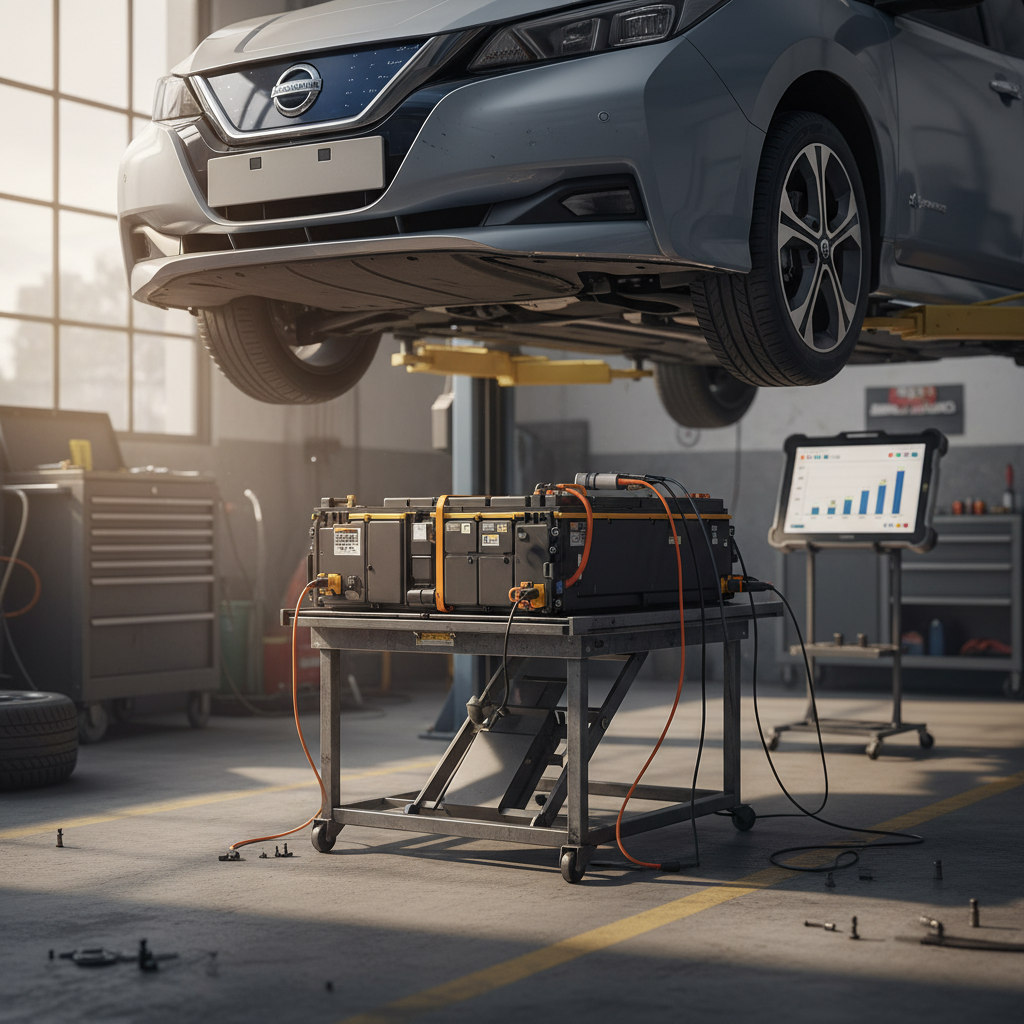
Battery reliability is the make‑or‑break question for any used EV. The good news: **2018 Model 3 packs have generally aged well**. Real‑world owner data suggests modest degradation in the first few years, then a slower decline. It’s common to see an original Long Range car still delivering roughly **85–90% of its original usable capacity** after several years and tens of thousands of miles, assuming normal use and charging habits.
- Long Range RWD 2018: originally rated around 310 miles; many owners now report 260–285 miles at 100% charge in mild weather.
- Standard/ Mid Range 2018: lower original range, but similar percentage of remaining capacity.
- No widespread pattern of catastrophic pack failures has emerged; most issues relate to **range loss perception** or BMS (battery management system) calibration rather than true hardware failure.
Watch for supercharging‑only history
Tesla’s drivetrain, motor, inverter, and reduction gear, also holds up well. Unlike a gasoline car, there’s **no transmission, no timing belt, no oil changes, and far fewer moving parts**, which helps overall reliability once early build bugs are sorted out.
Common 2018 Tesla Model 3 Problems
The 2018 model year spans Tesla’s early Model 3 ramp‑up, and that shows in the complaint pattern. When you’re evaluating a specific car, you’re really asking: did the **original owner address the early issues**, or are they still baked in?
Most-Reported 2018 Model 3 Trouble Spots
These aren’t guaranteed problems, but they’re the first places to look.
Paint & exterior trim
Early 2018 cars, especially built at the peak of production ramp, were known for:
- Thin paint, particularly on high‑impact areas
- Panel alignment inconsistencies
- Premature clear‑coat wear on some cars
Pay close attention to color mismatch or overspray, signs of prior bodywork.
Wind noise & rattles
Owners frequently mention:
- Wind noise from door and window seals
- Buzzes and rattles from the dash or rear shelf
- Occasional water leaks at glass seams on early builds
These can often be improved with seal adjustments but still affect perceived quality.
In-car electronics & screen
Some 2018 cars experienced:
- Center screen freezing or rebooting while driving
- Inconsistent Bluetooth and USB media behavior
- Backup camera glitches after certain software updates
Most software‑related issues improve over time, but a persistently unstable screen is a red flag.
Front suspension creaks & clunks
2018 Model 3s are overrepresented in complaints about front control arm and lateral link noises. Symptoms include:
- Creaking or popping over speed bumps or when turning the wheel
- Clunks when maneuvering at low speeds
- Occasional alignment drift or uneven tire wear if hardware loosens
In many cases it’s an annoyance; if left unaddressed, it can affect handling and tire life.
Glass and sealing issues
Early Model 3 owners reported:
- Cracks in the large rear glass panel
- Windshield or rear glass cracking without clear impact
- Long waits for replacement glass and proper installation
Most 2018 cars on the road today will already have had glass problems addressed if they ever appeared, but you should inspect carefully for edge chips and uneven sealing.
Do not ignore screen failures
Recalls and Safety Considerations
Like most modern vehicles packed with software, the 2018 Model 3 has seen its share of recalls, many affecting multiple years at once. The silver lining is that Tesla can address **software‑based recalls over the air**, without a visit to a service center. Hardware campaigns, such as suspension or steering components, typically require a physical inspection and repair.
Key Recall Themes Affecting 2018 Model 3
Not a complete recall list, but the main categories a used buyer should confirm as completed.
| Area | Example Issues | What to Ask the Seller |
|---|---|---|
| Front suspension | Lateral link or control arm fasteners that can loosen, causing noise or alignment changes. | “Have all suspension recalls and service bulletins been completed, and do you have invoices?” |
| Safety systems & Autopilot | Updates to Full Self‑Driving Beta behavior, warning logic, and system limits. | “Is the car currently on the latest software, and have recall notices been addressed?” |
| Parking brake & controls | Earlier campaigns on certain Model 3s for parking brake or control functions. | “Any warning lights or parking brake messages? When was the last Tesla service visit?” |
| Rearview camera & visibility | Software‑driven issues with backup camera display or reliability. | “Has the camera ever failed or been replaced? Any history of moisture in the lens?” |
Always verify open recalls on your specific VIN before purchase.
How to check a 2018 Model 3 for open recalls
Ownership Costs, Maintenance, and Repairs
A major reliability advantage of the 2018 Tesla Model 3 versus a gasoline car is **lower routine maintenance**. There are no oil changes, spark plugs, or traditional transmission services. But that doesn’t mean zero cost; the pattern just looks different.
Typical Cost Pattern for a 2018 Model 3
Where your money actually goes after the warranty years.
Tires & alignment
Instant torque and relatively heavy curb weight mean:
- Performance‑oriented tires wear faster
- Alignment issues from worn suspension can accelerate wear
- Budget for quality replacements every 25k–40k miles, depending on driving style
Brakes & fluids
Regenerative braking dramatically reduces pad and rotor wear, but you’ll still need:
- Occasional brake inspections and fluid service
- Coolant service for the battery and drive system per Tesla guidance
- Cabin air filter changes
Out-of-warranty fixes
By 2026, most 2018s are partially or fully out of their original warranties. Expect occasional costs for:
- Window regulators, door handles, minor electronics
- Suspension components (especially if you hear noises)
- Screen or MCU repairs in rare failure cases
Leverage a third‑party EV specialist
How the 2018 Model 3 Compares to Other Used EVs
When you cross‑shop a 2018 Model 3 against rival used EVs, you’re weighing **driving experience and charging convenience** against a few well‑known build‑quality flaws. In reliability terms, it usually lands in the middle of the pack, better than some early long‑range EVs, but not as squeaky‑clean as the most conservative Japanese entries.
Versus other used Teslas
- Model S (earlier years): More issues historically with suspension and complex features; higher repair costs.
- Model X: Historically below‑average reliability, especially doors and hardware, but more space.
- 2019+ Model 3: Incremental build‑quality improvements; similar fundamental design.
If you’re focused on reliability per dollar, a later‑build 2018 or early‑build 2019 Model 3 can be a smart compromise.
Versus non‑Tesla EVs
- Nissan Leaf (2018): Simple and often reliable, but shorter range and limited fast‑charging performance.
- Chevy Bolt EV (2017–2019): Good real‑world range but affected by high‑profile battery recalls.
- Hyundai/Kia EVs: Many have strong reliability reputations, but smaller fast‑charge networks.
The 2018 Model 3’s ace is the Supercharger network, which often outweighs minor quality issues for road‑trip drivers.
Inspection Checklist for a Used 2018 Model 3
You don’t need to be an engineer to evaluate **2018 Tesla Model 3 reliability**. You just need a systematic approach. Use this checklist on a test drive, or compare it against the inspection report if you’re shopping online.
Used 2018 Model 3 Reliability Checklist
1. Verify battery health and range
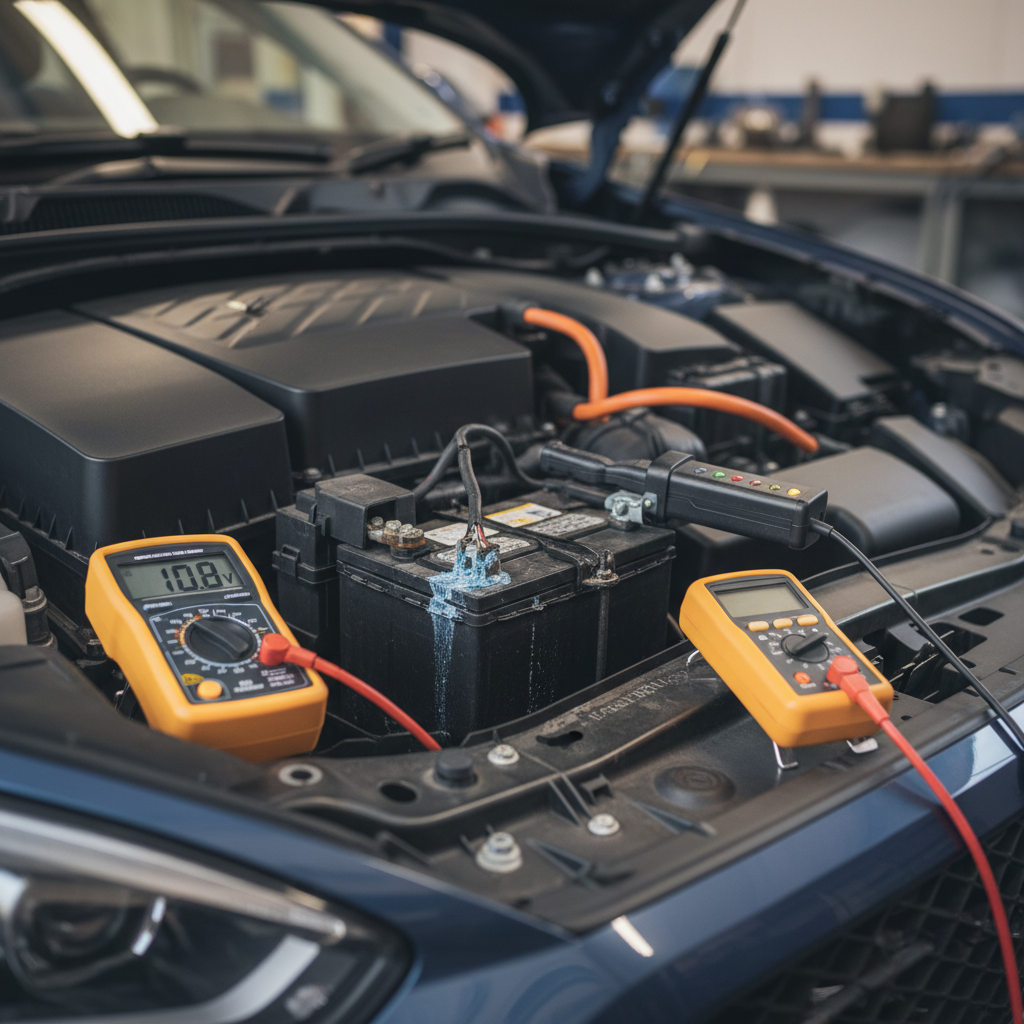
Check the displayed range at 80–90% charge and compare it to original specs. Ask for a **battery health report**, at Recharged, this appears in the Recharged Score so you see estimated remaining capacity and fast‑charge performance.
2. Listen for suspension noises
Drive over speed bumps and rough pavement at low speed with the windows cracked. Creaks, pops, or clunks from the front end can point to **control arm or lateral link issues**, common on earlier cars.
3. Inspect glass and seals
Look closely at the windshield and full‑length rear glass for edge cracks, chips, or evidence of replacement. Spray water around the doors and roof after the drive and check for leaks or excessive wind noise.
4. Test the center screen thoroughly
Spend several minutes switching between navigation, media, climate, and settings. You’re looking for freezes, slow responses, or reboots. Confirm the **backup camera** engages promptly every time you shift into reverse.
5. Check panel gaps and paint
Walk the car in good light. Look at the hood, trunk, and doors for uneven gaps, color variations, or overspray that might indicate repairs, or simply early‑build quality issues that were never corrected.
6. Pull service and recall history
Ask for Tesla service invoices and confirm that major **recalls and service bulletins**, especially around suspension and safety systems, have been completed. A complete digital history is a good sign of a conscientious previous owner.
How Recharged simplifies this
How Recharged Evaluates 2018 Model 3 Reliability
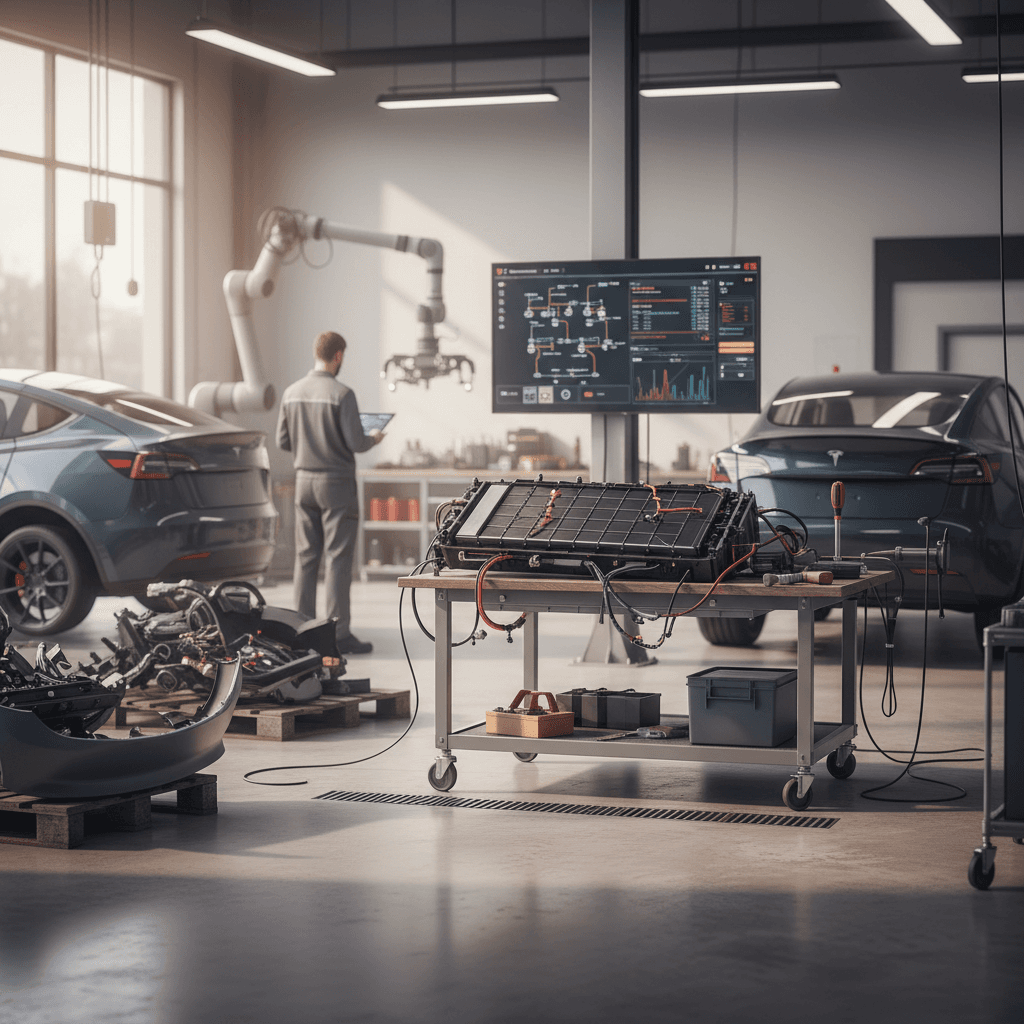
Because 2018 was an early Model 3 year, we give these cars **extra scrutiny** when they enter the Recharged marketplace. The goal is simple: surface the cars with solid fundamentals and transparent histories, and filter out anything that looks like trouble in disguise.
What Goes Into a Recharged Score for a 2018 Model 3
Beyond a basic used‑car inspection.
Battery & charging diagnostics
- State‑of‑health estimates from pack data
- Fast‑charge performance screening
- Charge‑port operation and onboard charger checks
Common‑issue inspection
- Suspension components checked for play and noise
- Glass and seal integrity inspection
- Detailed test of center display and driver aids
Fair‑market pricing
- Price benchmarked vs. similar‑mileage 2018s
- Adjustments for battery health and equipment
- Transparency about prior repairs where known
Ready to find your next EV?
Browse VehiclesIf you’re trading in an older EV or financing your next one, Recharged can also help you **value your current car, arrange financing, and handle paperwork digitally**, so you can focus on choosing the right 2018 Model 3 rather than haggling.
FAQ: 2018 Tesla Model 3 Reliability
Frequently Asked Questions
Bottom Line: Should You Buy a 2018 Tesla Model 3?
Viewed purely through the lens of reliability, the **2018 Tesla Model 3** isn’t flawless, but it also isn’t a problem child. The electric hardware is fundamentally strong, and most of the widely reported issues are either already fixed on individual cars or fall into the category of annoyances rather than deal‑breakers. Where you can get into trouble is buying a neglected example with unresolved suspension noises, glass problems, or screen failures that haven’t been properly diagnosed.
If you prioritize long‑range capability, modern tech, and access to Tesla’s charging network, a carefully vetted 2018 Model 3 can be an excellent used buy. Focus on **battery health, recall completion, and honest documentation**, and lean on EV‑specialist support when you can. That’s exactly what Recharged is built for, pairing you with a used EV that’s been inspected, scored, and priced with transparency, so you can enjoy the benefits of an electric sedan without playing reliability roulette.