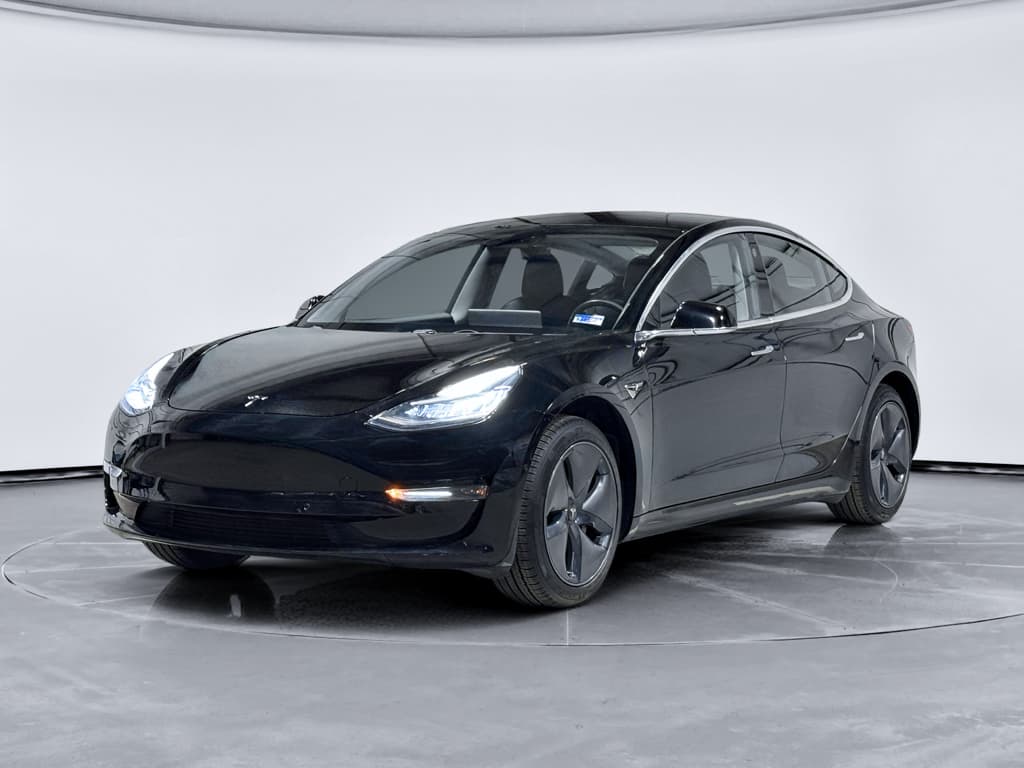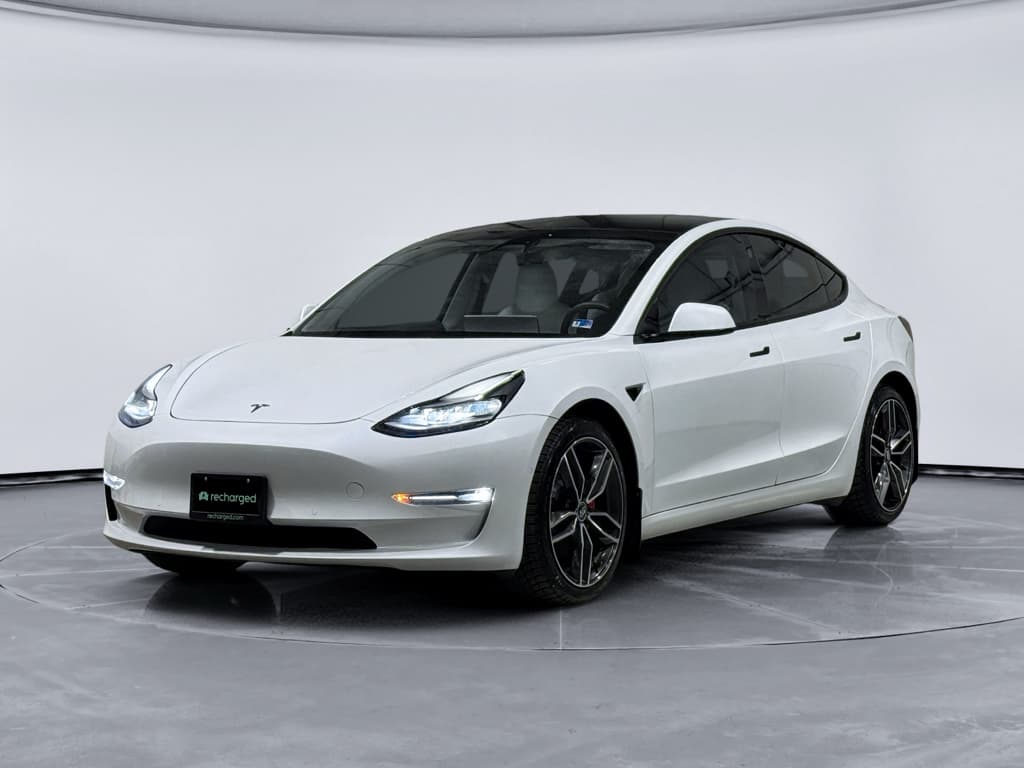
You’re seeing a lot of 2018 Tesla Model 3s for sale right now, often at prices that would’ve been unthinkable a few years ago. That creates real opportunity, but also risk, because you’re looking at an early-build car from a company that’s changed dramatically since 2018. This guide unpacks pricing, trims, battery health, reliability and shopping strategies so you can decide if a 2018 Model 3 fits your budget and your risk tolerance.
Context: Why Prices Feel So Soft
Why the 2018 Model 3 Is Interesting in 2025
The 2018 Model 3 was Tesla’s first real mass-market car: minimalist interior, big center screen, and an efficiency advantage that still embarrasses some 2025 EVs. It also sits at a sweet spot today: old enough to be meaningfully cheaper than newer Model 3s, but new enough to have modern charging hardware and over-the-air update support.
2018 Model 3: Highs and Lows at a Glance
Before you chase the lowest price, be clear on what you’re actually buying.
Still-Strong Efficiency
The 2018 Model 3 Long Range was EPA-rated around 310 miles when new and remains one of the more efficient EVs in its class even after some degradation.
NACS + Supercharging
Every 2018 Model 3 uses Tesla’s NACS connector and can access the Supercharger network, which is still the most reliable long-distance charging option in the U.S.
Early-Build Quality
Early Model 3s had more build and durability issues than later years. At seven years old, you’re now seeing the long-term effects of those compromises.
Who a 2018 Model 3 Usually Suits
Current 2018 Model 3 Prices in 2025
Where 2018 Model 3 Prices Sit Today (Typical U.S. Ranges)
Pricing is moving, not static. Data from major appraisal tools and marketplace indices in late 2025 put the average 2018 Model 3 around the high teens, with cleaner, lower-mileage Long Range and Performance cars stretching into the low twenties. That’s a far cry from the roughly $50,000–$65,000 MSRPs these cars carried when new.
Typical 2018 Model 3 Asking Prices by Trim (Late 2025, U.S.)
These are ballpark ranges to sanity-check a listing, not formal appraisals.
| Trim | Typical Mileage Range | Rough Private-Party Range | Rough Dealer Range |
|---|---|---|---|
| Mid Range RWD | 70k–120k miles | $15,000–$19,000 | $17,000–$21,000 |
| Long Range RWD | 70k–120k miles | $16,000–$20,000 | $18,000–$22,000 |
| Long Range AWD | 60k–110k miles | $17,000–$21,000 | $19,000–$23,000 |
| Performance AWD | 50k–100k miles | $19,000–$24,000 | $21,000–$26,000 |
Location, mileage, options and battery health can easily move a car above or below these ranges.
Don’t Anchor on Asking Price
2018 Model 3 Trims, Range and Key Specs
In 2018, Tesla’s lineup was simpler than today, but still confusing if you’re coming in fresh. Almost every 2018 Model 3 you’ll see for sale will be one of four configurations: Mid Range RWD, Long Range RWD, Long Range AWD, or Performance AWD.
2018 Tesla Model 3 Trims and Original EPA Range
Key differences that still matter when you’re shopping used.
| Trim | Drive | Battery (nominal) | Original EPA Range | Notable Traits |
|---|---|---|---|---|
| Mid Range RWD | RWD | ≈62 kWh | ~260 mi | Entry battery, decent range, often lowest price today. |
| Long Range RWD | RWD | ≈75 kWh | ~310 mi | Best efficiency per dollar; rarer now but very desirable. |
| Long Range AWD | AWD | ≈75 kWh | ~310 mi | All-weather traction, slightly quicker, a bit less efficient. |
| Performance AWD | AWD | ≈75 kWh | ~310 mi | Much quicker, larger wheels, usually more tire and brake wear. |
Real-world range today will be lower than original EPA estimates due to age and degradation.
If You Prioritize Range & Value
The Long Range RWD is the sweet spot if you can find a clean example. It combines the biggest battery with rear-wheel drive efficiency and fewer moving parts than AWD.
If those are scarce in your area, a Mid Range RWD can still be compelling if your daily driving is modest and you price in the shorter range.
If You Need Traction or Performance
In snow states or rural areas, Long Range AWD can be worth the slight efficiency hit. It’s also the trim most buyers recognize and search for.
The Performance trim is for people who explicitly want a quick car and accept higher tire, brake, and insurance costs. Treat it as a driver’s car, not a budget EV.
Battery Health and Real-World Range
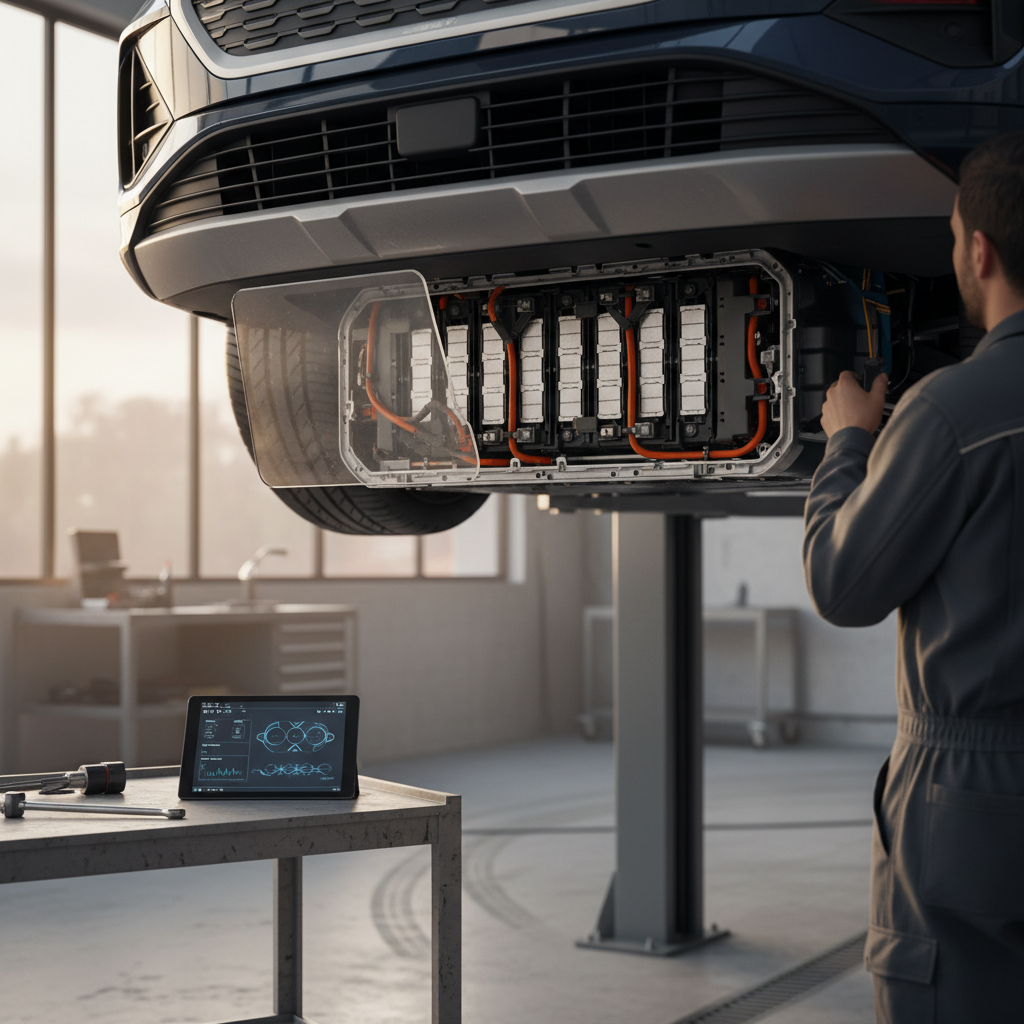
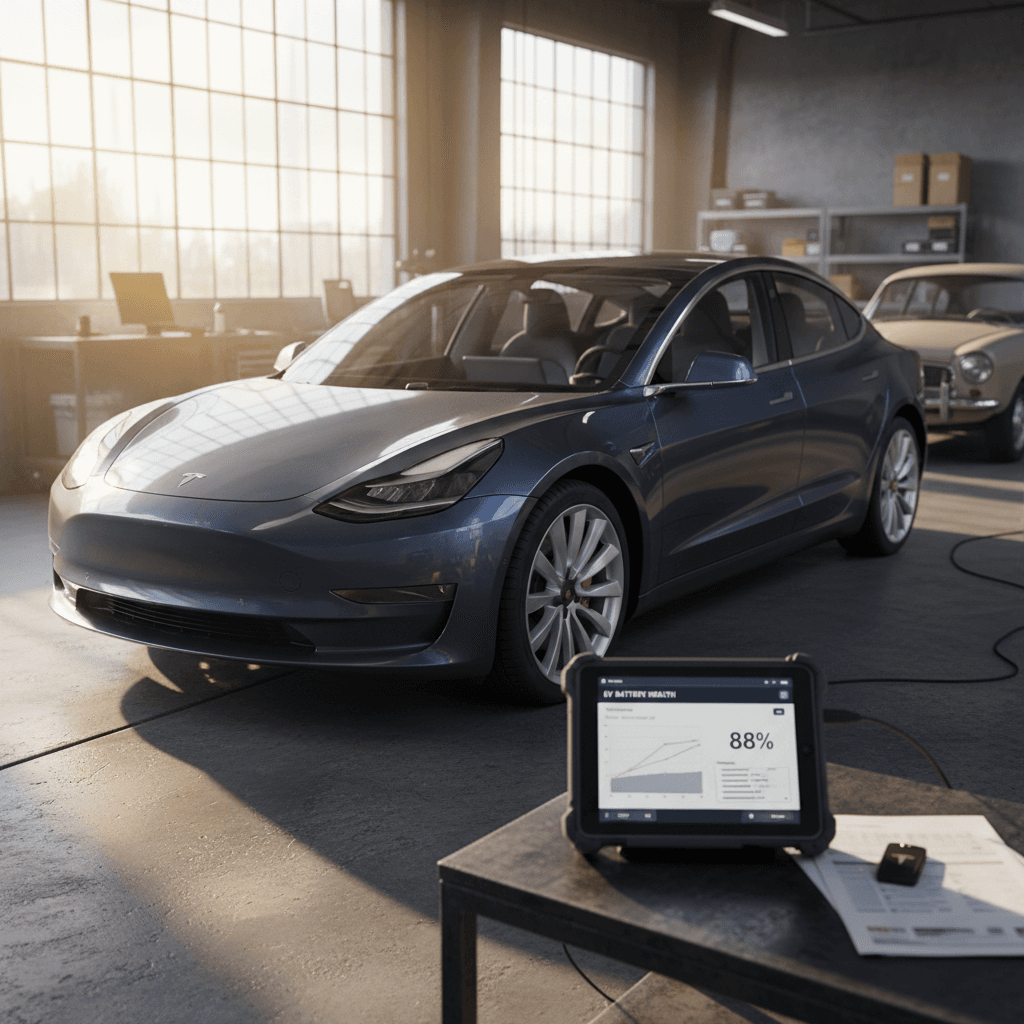
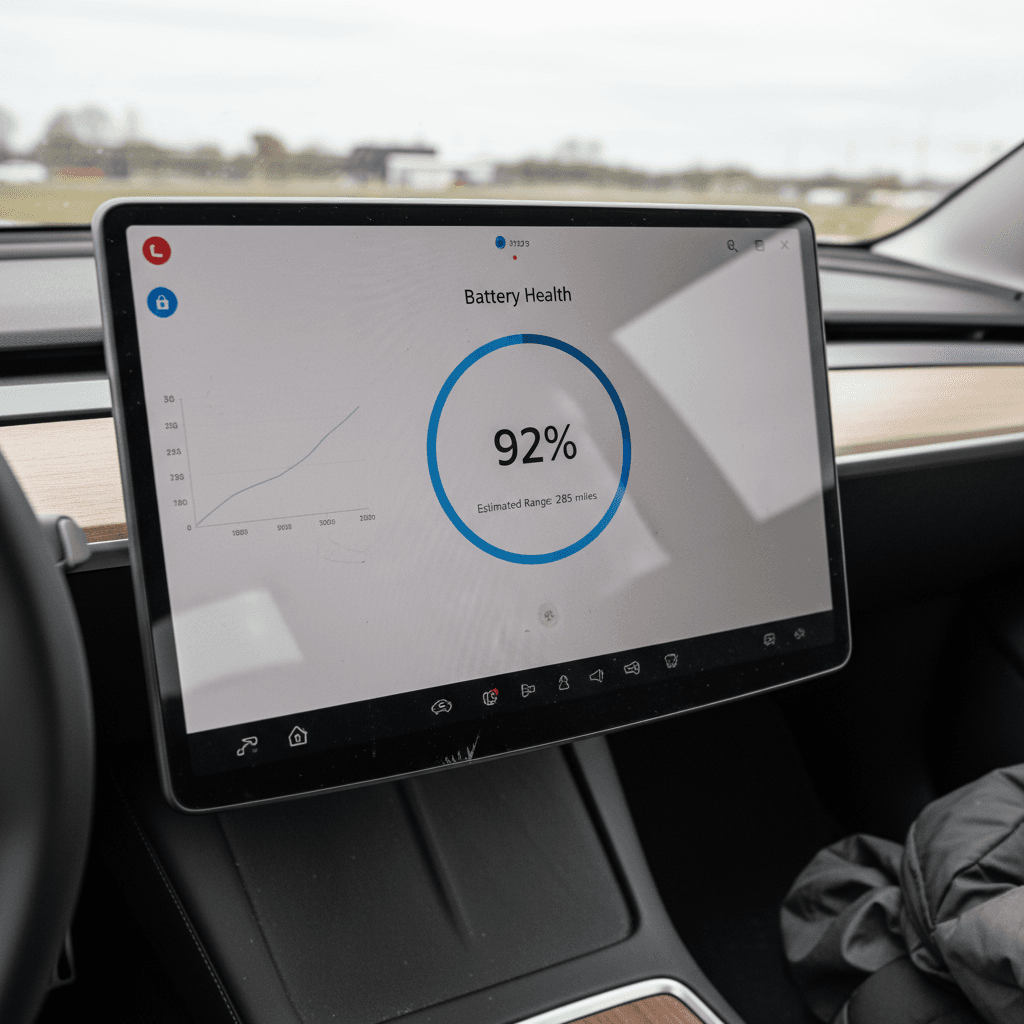
Battery health is the single biggest swing factor in what a 2018 Tesla Model 3 for sale is actually worth. Most data sets suggest roughly 1–2% capacity loss per year for Model 3 packs on average, with the first few years often seeing the steepest drop. By 2025, many 2018 cars will realistically have lost on the order of 10–20% of their original usable capacity, depending on mileage and usage.
Quick Signals of a Healthy vs Tired Battery
Always verify with data, guesses aren’t good enough at seven years old.
State of Charge vs Rated Miles
A healthy Long Range car charged to 100% will still show something roughly in the 270–290 mile ballpark. A number far below that suggests noticeable degradation.
Fast-Charging Behavior
If Supercharging speeds taper unusually early or never peak, that can hint at pack wear or thermal issues, though software and temperature matter too.
Service & Charging History
Evidence of frequent DC fast charging, regular 100% charges, or repeated deep discharges should nudge the price down unless a battery test looks excellent.
How Recharged Handles Battery Health
Reliability and Common Issues to Watch For
The 2018 Model 3 has reasonably strong owner satisfaction scores, but real-world durability has been a mixed bag, especially in harsh climates. You’re not buying a Toyota Camry; you’re buying an early high-volume experiment from a company that was still learning basic manufacturing discipline.
- Suspension wear and alignment issues – Early Model 3s are relatively heavy on their front axles; in rough-road regions, control arm bushings and other components can wear faster than you’d expect. Listen for clunks and look for uneven tire wear.
- Door handles, seals and wind noise – Many 2018s left the factory with inconsistent panel alignment and seals. On a test drive, pay attention to wind noise at highway speed and check for water ingress history in the Carfax or service records.
- MCU/screen glitches and camera issues – Tesla has addressed many software bugs over the years, but aging hardware can still produce reboots or camera glitches. Verify that the backup camera works reliably and that there are no active alerts.
- Charging port and onboard charger faults – Not common, but worth checking. Make sure the car charges normally on both AC (Level 2) and DC fast charging if possible.
- Interior wear – The minimalist interior hides a lot, but check the driver’s seat bolsters, steering wheel, and touchscreen for wear consistent with the claimed mileage.
Don’t Ignore Structural or High-Voltage Damage
How to Evaluate a 2018 Model 3 Listing
Step-by-Step Checklist for Evaluating a Listing
1. Decode the Trim and Options
Confirm whether it’s Mid Range, Long Range RWD, Long Range AWD, or Performance. Look for wheel size, Autopilot options, premium interior, and tow hitch (rare).
2. Ask for Battery Health Evidence
Request photos of the car at 100% charge showing rated miles, or a formal battery health report like the Recharged Score. Be wary of sellers who dodge this question.
3. Pull History and Recall Info
Run a full vehicle history report and verify that open recalls, if any, have been addressed. Pay attention to repeated service visits for the same concern.
4. Inspect Tires, Brakes and Suspension
Uneven tire wear or excessive inside shoulder wear suggests alignment issues. On a test drive, listen for suspension clunks over bumps and during low-speed turns.
5. Test Tech Features and Charging
Verify that the touchscreen, cameras, Bluetooth, navigation, and app connectivity work properly. If possible, plug into a Level 2 or Supercharger to confirm normal charging behavior.
6. Sanity-Check the Price
Compare asking price against similar local listings and national guides, then adjust for battery health, mileage, Autopilot, and whether you’re buying from an individual, a dealer, or a specialist platform like Recharged.
How Recharged Simplifies This Process
Ready to find your next EV?
Browse VehiclesFinancing, Depreciation and Total Cost of Ownership
By 2025, depreciation has already done a lot of the dirty work on a 2018 Model 3. From MSRPs around the $50,000–$65,000 range when new, many of these cars now sit under $20,000. That’s appealing, but remember that age-related costs don’t disappear just because the price is low.
Key Cost Inputs to Budget For
- Tires: Performance and 19" wheels eat tires faster and cost more to replace than the base 18" Aero setup.
- Insurance: Rated as a luxury EV, so premiums can be higher than a comparable ICE sedan.
- Out-of-warranty repairs: By 2025, most 2018s are beyond their basic warranty; the battery and drive unit may still have coverage depending on mileage.
- Charging: Home Level 2 is still the cheapest way to run the car; heavy Supercharger use erodes the fuel savings story.
Leaning on Financing and Trade-In Tools
If you’re stretching to make the numbers work, look for transparent financing rather than the opaque F&I games you still see at many dealers. Platforms like Recharged let you pre-qualify online with no impact to your credit score, see your real payment, and roll in taxes and fees upfront.
Also consider your existing car’s value carefully, instant trade or consignment options can change how aggressive you can be on a 2018 Model 3.
Why the Math Still Works for Many Drivers
Shopping Strategies: Online vs Local Dealers
Search results for “2018 Tesla Model 3 for sale” will surface everything from Tesla’s own used inventory to franchised dealers, independent lots, private sellers, and EV-focused platforms. Each channel has different trade-offs in transparency, price and risk.
Where to Shop, and What to Watch For
Balance price against risk and information quality, not just convenience.
Franchised & Independent Dealers
Pros: Local, easier test drives, potential CPO programs.
Cons: Varying EV expertise, traditional negotiation, pricing that may not fully reflect battery health.
Online EV Marketplaces
Pros: Wider selection, more consistent inspection standards, digital paperwork, delivery.
Cons: Limited in-person inspection before delivery, fees can vary.
Recharged sits in this category, with EV-specific diagnostics and nationwide reach.
Private Sellers
Pros: Often the lowest headline price, flexible negotiation.
Cons: No standardized inspection, no recourse if something was misrepresented, you must arrange financing, paperwork and logistics yourself.
Leverage Nationwide Inventory
Frequently Asked Questions About 2018 Model 3s for Sale
2018 Tesla Model 3 Buying FAQ
Is a 2018 Tesla Model 3 Right for You?
If you’re shopping for a 2018 Tesla Model 3 for sale, you’re operating where opportunity and uncertainty meet. The opportunity is clear: access to Tesla’s charging ecosystem, genuinely efficient long‑range driving, and a modern-feeling EV for less than many new economy cars. The uncertainty comes from early-build quality variation, battery health, and a used-Tesla market that’s still finding its price floor.
The smartest move is to treat every 2018 Model 3 as an individual asset, not a commodity. Demand data on battery capacity, charging behavior and service history; adjust price expectations accordingly; and be willing to walk away from cars whose stories don’t add up. If you’d rather not do that homework alone, shopping through Recharged gives you access to verified battery diagnostics, fair market pricing, EV‑savvy support and digital-first buying tools that make an older Model 3 feel a lot less risky to live with.