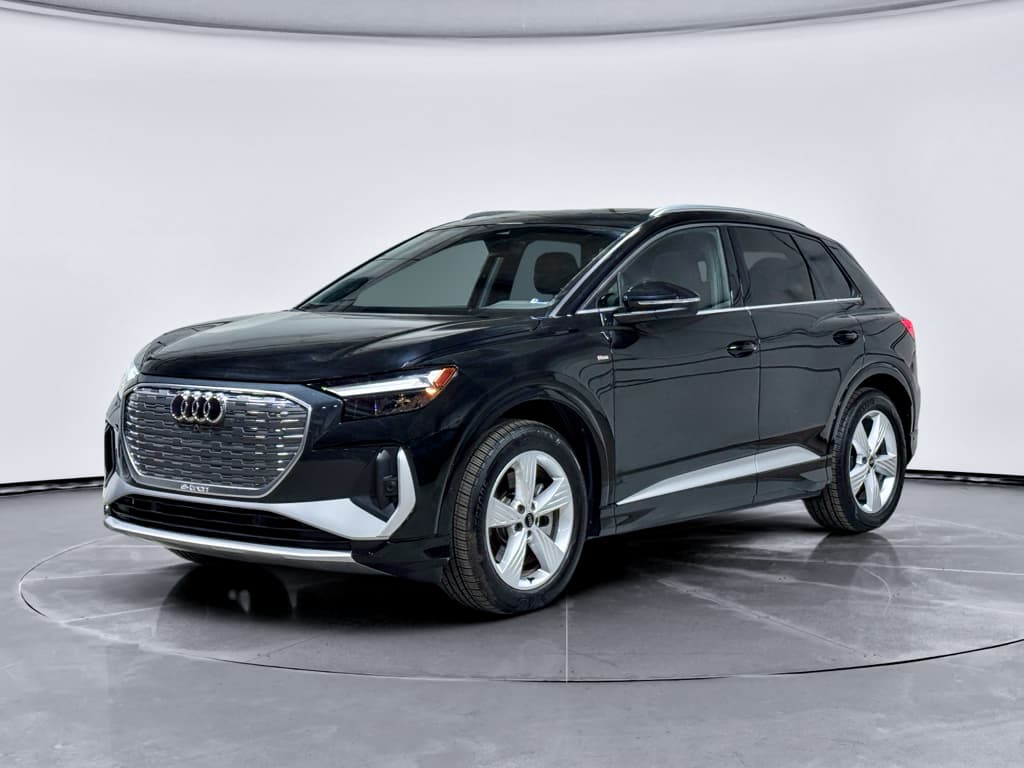
If you own, or are eyeing, a used Audi Q4 e-tron, battery life is the ballgame. The good news is that the Q4’s ~77 kWh usable pack is engineered to last, and Audi backs it with an 8‑year/100,000‑mile high‑voltage battery warranty on most U.S. models. But how you charge, drive, and care for the car can easily make the difference between a pack that feels strong in year 10 and one that feels tired much sooner.
Big picture
Why battery care matters on the Audi Q4 e-tron
Your Q4 e-tron uses a large lithium‑ion pack built from dozens of individual modules. Audi designed in a buffer, only about 77 kWh of the 82 kWh gross pack is usable, to protect the cells from the most damaging high and low states of charge. That helps, but your habits still matter. Slow, shallow cycling and moderate temperatures are what keep these packs happy long‑term.
Audi Q4 e-tron battery at a glance
In practical terms, that means you have some built‑in protection, but you still want to avoid living at the extremes of state of charge, temperature, and power demand. That’s how you maximize both usable range today and resale value tomorrow.
Audi Q4 e-tron battery basics: what you’re working with
Core traits of the Q4 e-tron battery
Understanding the hardware makes the care tips easier to follow.
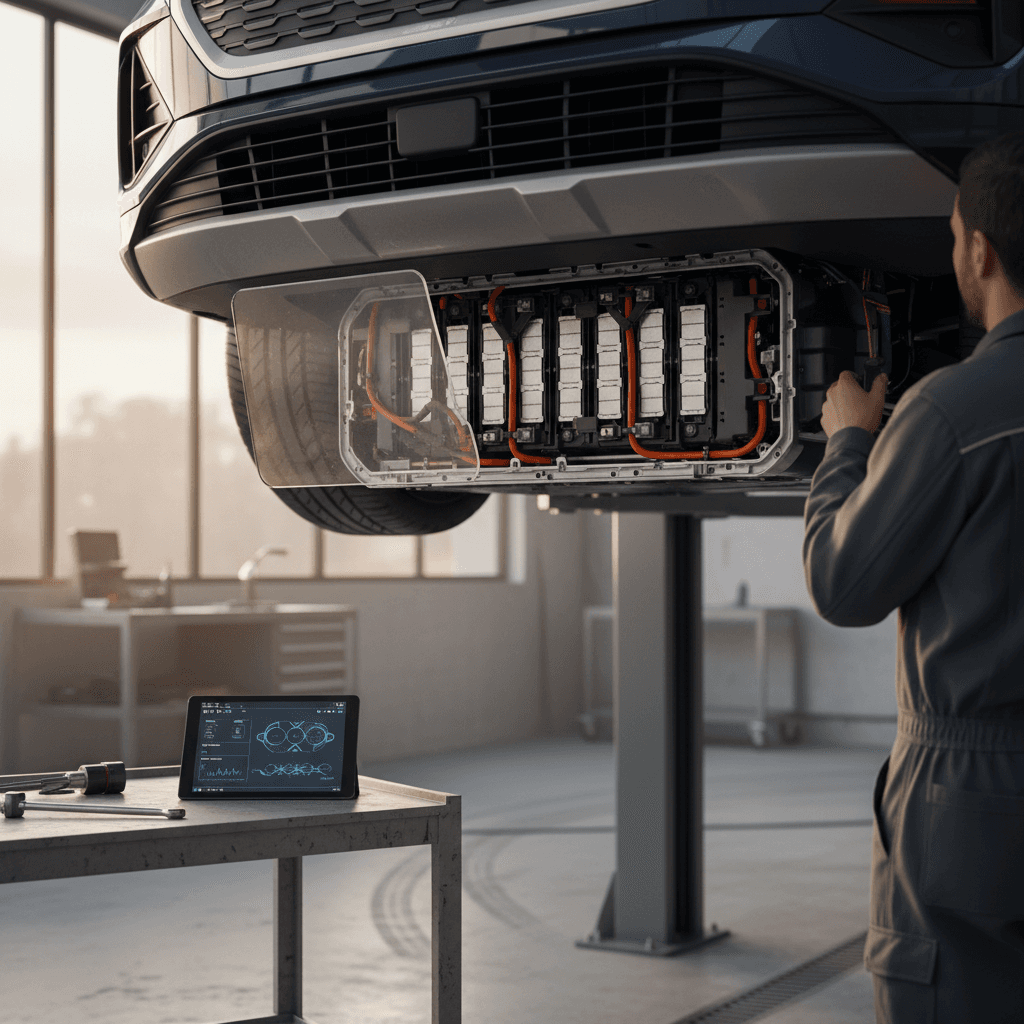
Modular pack design
The Q4 e-tron pack is built from multiple modules. In some cases, an individual module can be replaced instead of the entire pack, which is good news for long‑term serviceability.
Built‑in safety buffer
A portion of the pack is reserved as a buffer, so even at “0%” on the gauge, the cells aren’t actually fully empty, and at 100%, they’re not hard‑topped either.
AC & DC versatility
The Q4 supports up to ~11 kW Level 2 AC charging at home and up to about 150 kW DC fast charging on compatible public chargers for road trips.
From a battery‑life standpoint, the reserved buffer and robust thermal management system give the Q4 e-tron a solid baseline. Your job as an owner is to work with that engineering instead of against it.
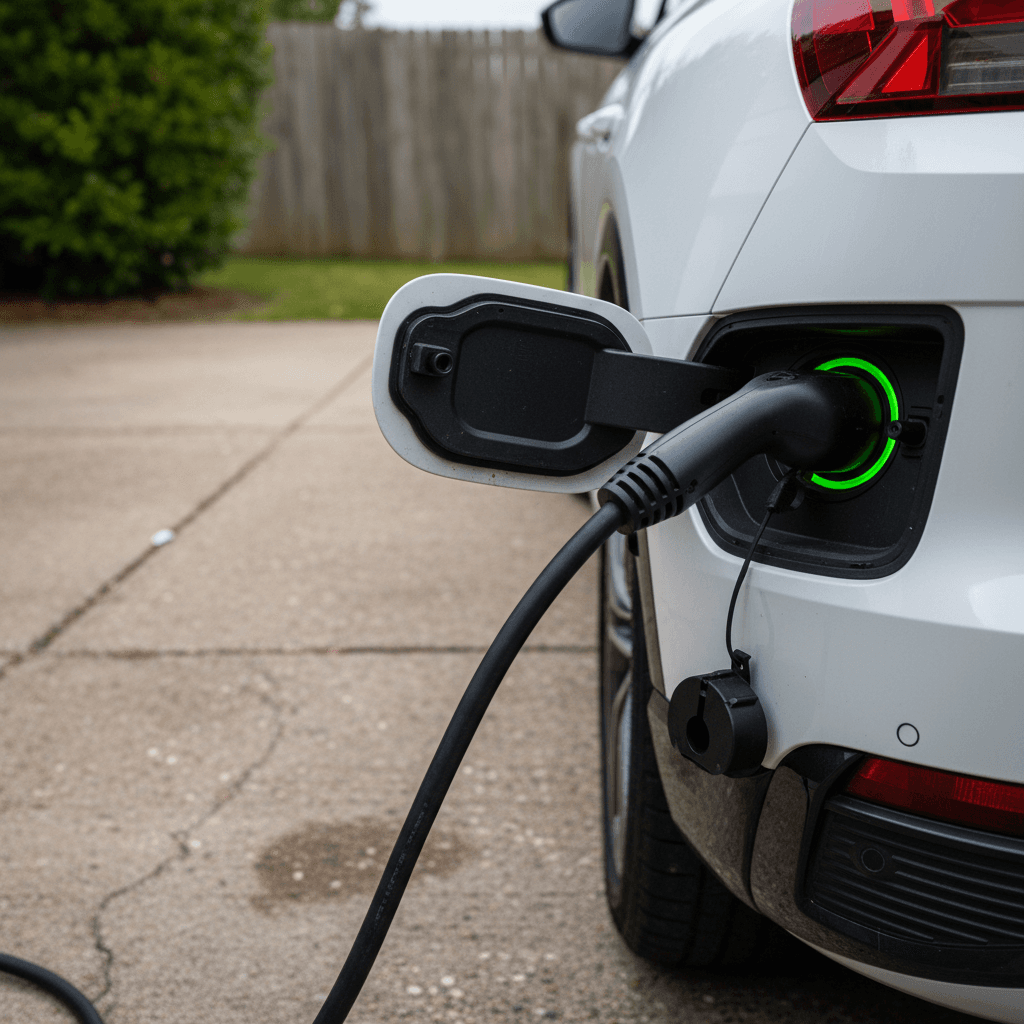
Daily charging strategy: settings that protect battery life
If you want to maximize Audi Q4 e-tron battery life, start with your daily charging target. Lithium‑ion cells prefer the middle of their charge range. Spending most of their life between roughly 20–80% state of charge (SoC) is much gentler than living near 0% or 100%.
Ideal daily charging setup for an Audi Q4 e-tron
1. Set a conservative charge limit
In your Q4 e-tron’s charge settings, aim for a daily limit of **70–80%** for normal commuting. That keeps the pack away from the highest‑stress SoC range while still giving plenty of usable range.
2. Avoid routine 100% charges
Save full charges for road trips or rare long days. Occasionally going to 100% and then driving soon after is fine; parking at 100% for many hours on a hot day is what you want to avoid.
3. Don’t obsess over 0–100% readings
Thanks to the built‑in buffer, 0% on the gauge isn’t literally zero, and 100% isn’t the true cell maximum. Treat them as signals to charge or go drive, not something to hover at.
4. Prefer Level 2 over DC fast charging
Whenever timing allows, use a **Level 2 charger** (either home or public). It’s gentler on the pack and still plenty quick, many Q4s do 0–100% in about 7–9 hours at 9–11 kW.
5. Enable any battery-protection features
Some Q4 e-tron software versions include battery protection or recommended charge profiles. If your car offers this, turn it on and let the car manage limits you can’t see.
6. Use scheduled charging
If electricity is cheaper at night or you want to minimize time spent at high SoC, set a departure time so the car finishes charging shortly before you leave.
Think in “range buckets,” not perfection
How often can you fast charge your Q4 e-tron?
DC fast charging is one of the Q4 e-tron’s best features on the road. Used thoughtfully, it won’t destroy your battery. But making 150 kW sessions your only charging strategy will age the pack faster than home Level 2 charging.
Healthy fast‑charging habits
- Use DC fast charging mainly for trips. Rely on home or workplace Level 2 for routine charging and save fast charging for when you truly need quick energy.
- Arrive low, leave around 70–80%. The Q4 charges fastest at lower SoC. On road trips, it’s usually quicker and healthier to charge from ~10–70% than to sit from 80–100%.
- Watch for repeated back‑to‑back sessions. Multiple full‑power sessions in a day on a very hot afternoon are the worst‑case scenario. Take advantage of breaks and shade where possible.
When heavy fast charging is unavoidable
- Let the car manage power. The Q4 will taper charging current as the pack warms or SoC rises. Slowing down is the car protecting its battery.
- Don’t stack stressors. If you’ll be fast‑charging often (fleet use, long commute), be extra disciplined about conservative daily charge limits and temperature management.
- Monitor long‑term range. If you notice meaningful loss of rated range early in the car’s life and you fast‑charge heavily, document your use in case you ever need a warranty discussion.
Fast charging isn’t “bad,” it’s just higher stress
Driving habits that help your Q4 e-tron battery last longer
Once you’ve dialed in your charging habits, the next lever is how you drive. The Q4 e-tron is quick off the line, and it’s tempting to use every kilowatt all the time. From a battery‑longevity standpoint, brief bursts aren’t a big deal; sustained high power demand and constant high speed are.
Driving behaviors that support long battery life
Small changes in how you drive add up over 8–10 years.
Ease into acceleration
Hard launches every so often are fine, but if you’re flooring it at every light, you’re consistently asking the battery for high current. Smoother starts are easier on both motor and pack.
Moderate highway speeds
Above about 70–75 mph, energy use climbs fast. That doesn’t directly damage the pack, but it means more deep cycles and more frequent fast charging over time.
Use regen strategically
Let regenerative braking do most of the work in stop‑and‑go traffic. It recaptures energy that would otherwise be lost and reduces heat in the friction brakes.
Driving style affects how quickly you cycle the battery, how hot it gets, and how often you feel compelled to hit DC fast chargers. All three of those variables tie back into long‑term battery health.
Temperature management and winter driving tips
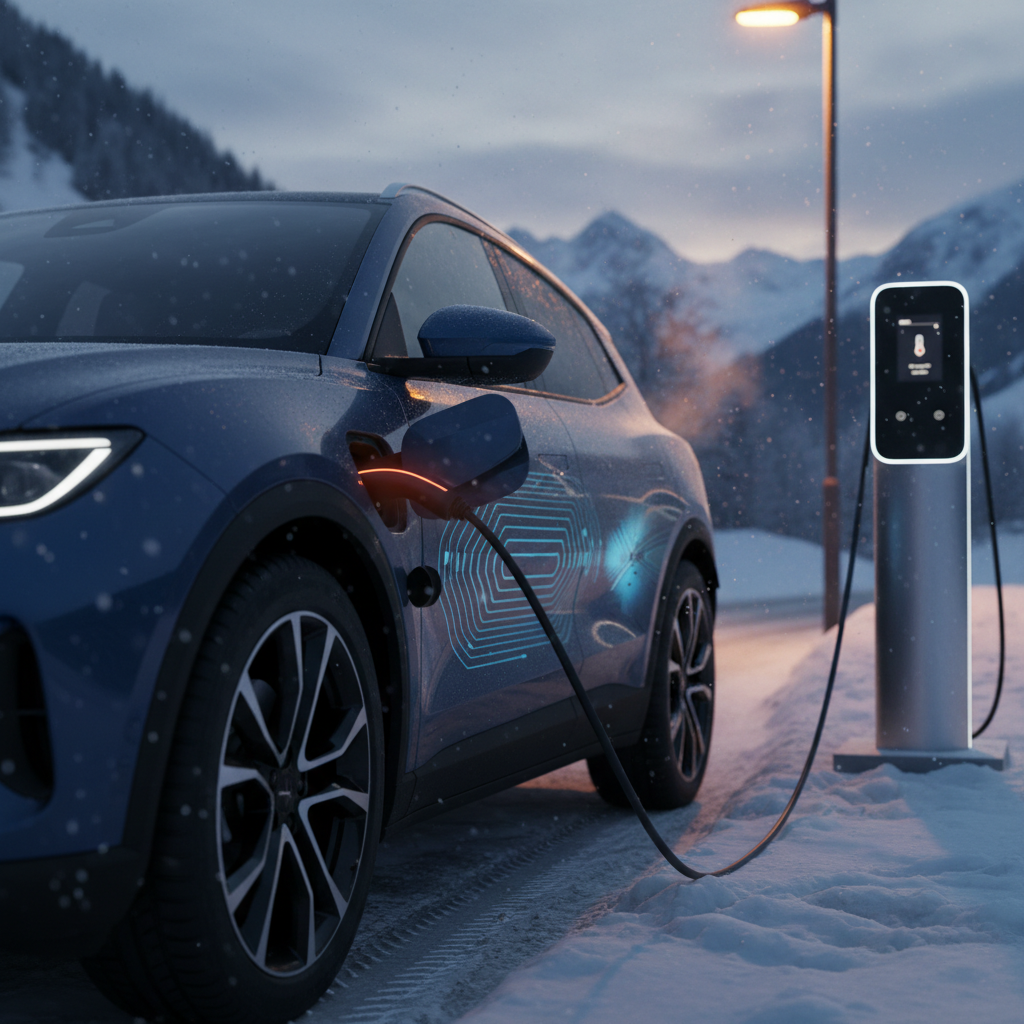
Temperature is silent but crucial. Like every modern EV, the Audi Q4 e-tron uses active liquid cooling and heating for its pack, but extreme heat and deep cold still accelerate wear and temporarily cut range.
- Whenever possible, park in a garage or shade rather than in direct summer sun for days at a time.
- In very hot weather, avoid charging to high SoC and then letting the car sit, high temperature plus high SoC is the most stressful combination for lithium‑ion cells.
- In winter, expect the Q4 to use more energy to warm the pack and cabin. That means fewer miles per kWh until everything is up to temperature.
- Use the climate preconditioning feature while plugged in so the car warms or cools using grid power, not just the battery.
- On very cold days, drive a few gentle miles before pushing the car hard; letting the pack warm up gradually is kinder than asking for maximum power immediately.
Winter fast‑charging hack
Different settings for road trips vs daily driving
Your Audi Q4 e-tron gives you enough flexibility to run one setup for commuting and another for longer journeys. Taking a minute to adjust your charge limits and planning tools before a trip can protect long‑term battery life without sacrificing convenience.
Recommended Q4 e-tron settings: daily use vs road trips
Use different charge limits and habits depending on how you’re using the car that day.
| Scenario | Charge Limit | Charging Style | Notes |
|---|---|---|---|
| Workday commute | 70–80% | Home Level 2 overnight | Plenty of buffer; minimal time at high SoC. |
| Light weekend use | 60–80% | Top up every few days | Let SoC drift a bit; avoid unnecessary charging. |
| Road trip next morning | 90–100% | Schedule to finish before departure | Charging to 100% is fine if you drive shortly after. |
| Road trip en route | 70–80% | DC fast charging in 10–70% windows | Shorter, more frequent stops are faster and gentler. |
You don’t need one “perfect” setting, just pick the right profile for the drive ahead.
A simple rule of thumb
Maintenance, software updates, and battery warranty
You can’t “service” a high‑voltage pack the way you change oil, but there are a few ownership chores that indirectly help maximize Audi Q4 e-tron battery life, and protect you if something does go wrong.
Non‑obvious steps that support battery health
These don’t touch the cells directly, but they matter more than most owners realize.
Keep the cooling system healthy
Follow Audi’s guidance on coolant checks and service. The battery’s thermal system relies on this loop; if it can’t cool or heat properly, cell degradation accelerates.
Install software updates
Software updates can tweak charging behavior, improve efficiency estimates, and occasionally refine how the car protects the pack. Don’t ignore update prompts.
Understand your warranty
Most U.S. Q4 e-trons get an 8‑year/100,000‑mile high‑voltage battery warranty, often with a minimum capacity threshold around 70%. Knowing those details can give you peace of mind.
High‑voltage work is not DIY
If you’re buying used: checking Q4 e-tron battery health
With more Audi Q4 e-trons coming off lease, used buyers have a great opportunity, as long as they can separate a healthy pack from one that’s been abused by years of max‑power fast charging and poor charging habits.
Used Q4 e-tron battery checklist
1. Review charging history and usage
Ask the seller how they typically charged, home Level 2 vs public fast charging, and whether they routinely set the limit to 100%. A car that mostly lived on Level 2 at 70–80% is ideal.
2. Compare indicated range to original specs
On a full (or known) charge, compare the car’s estimated range to what that trim was rated for when new. Some drop is normal; a dramatic difference could warrant deeper inspection.
3. Scan for fault codes or warnings
Any history of high‑voltage warnings, reduced power messages, or charging‑system errors deserves a closer look by a qualified shop before you buy.
4. Verify warranty status
Confirm the in‑service date and mileage so you know exactly how much of the <strong>8‑year/100,000‑mile</strong> battery warranty is left, and whether it’s fully transferable.
5. Get third‑party battery diagnostics
Whenever possible, use an independent battery‑health report rather than guessing from the dash display. That’s exactly what tools like the <strong>Recharged Score</strong> are built for.
How Recharged can help with used Q4 e-trons
FAQ: Audi Q4 e-tron battery life & best practices
Frequently asked questions about Q4 e-tron battery life
Key takeaways: making your Q4 e-tron battery go the distance
Maximizing Audi Q4 e-tron battery life isn’t about babying the car, it’s about avoiding the extremes. Day to day, that means living in the 20–80% SoC window, favoring Level 2 charging, moderating speed and power demand, and keeping the pack out of brutal heat whenever you can. On road trips, don’t fear fast charging or 100% charges; just use them with purpose, arrive low, and hit the road soon after the car finishes charging.
If you’re shopping used, the same principles apply, plus one more: don’t guess about battery health if you don’t have to. A Q4 e-tron with documented charging habits, remaining warranty, and a third‑party battery‑health report is a far safer bet than one with nothing but a dashboard range guess. That’s exactly where Recharged steps in, pairing verified pack diagnostics with expert guidance so you can pick a Q4 e-tron that will deliver the range and longevity you’re expecting.