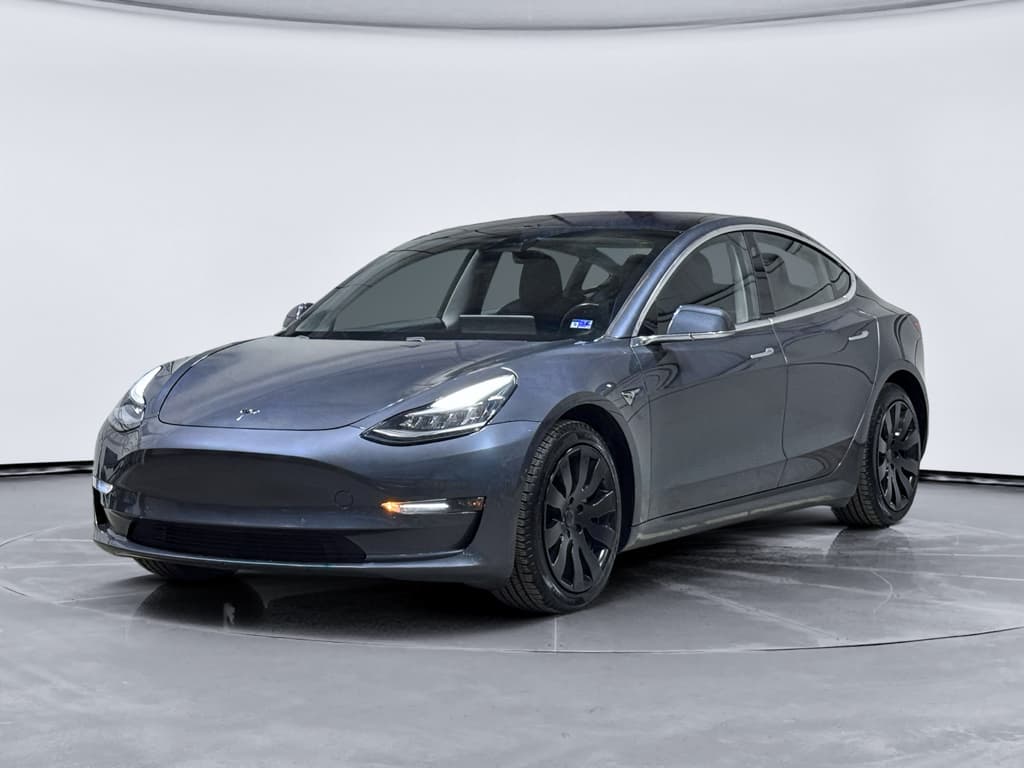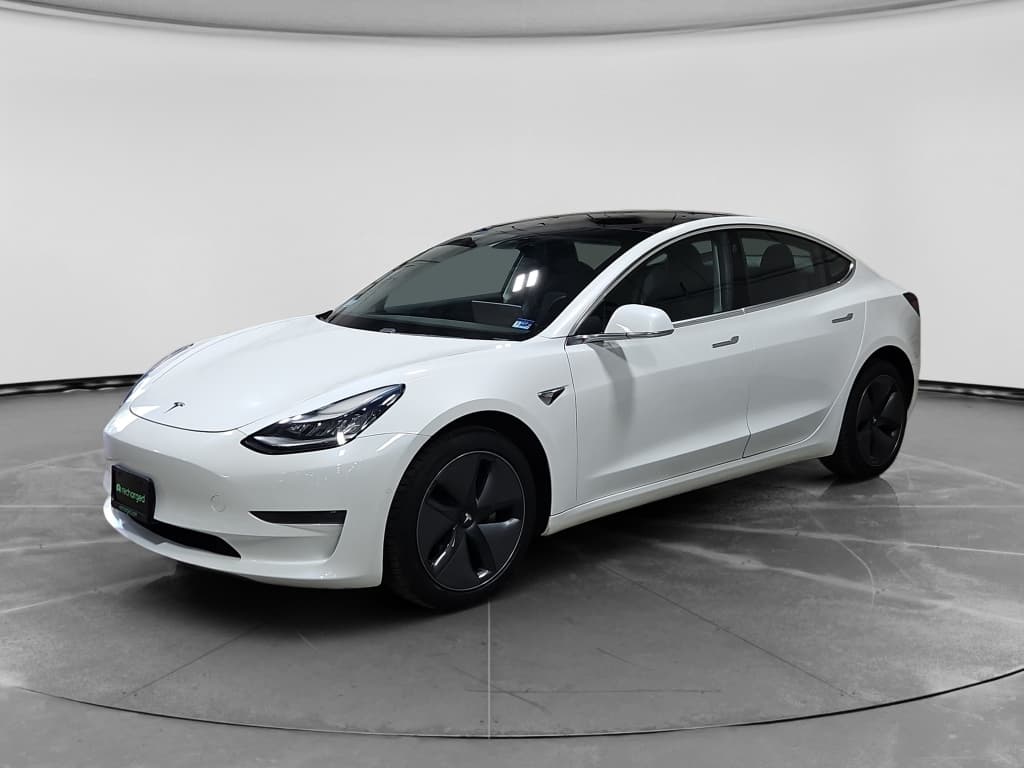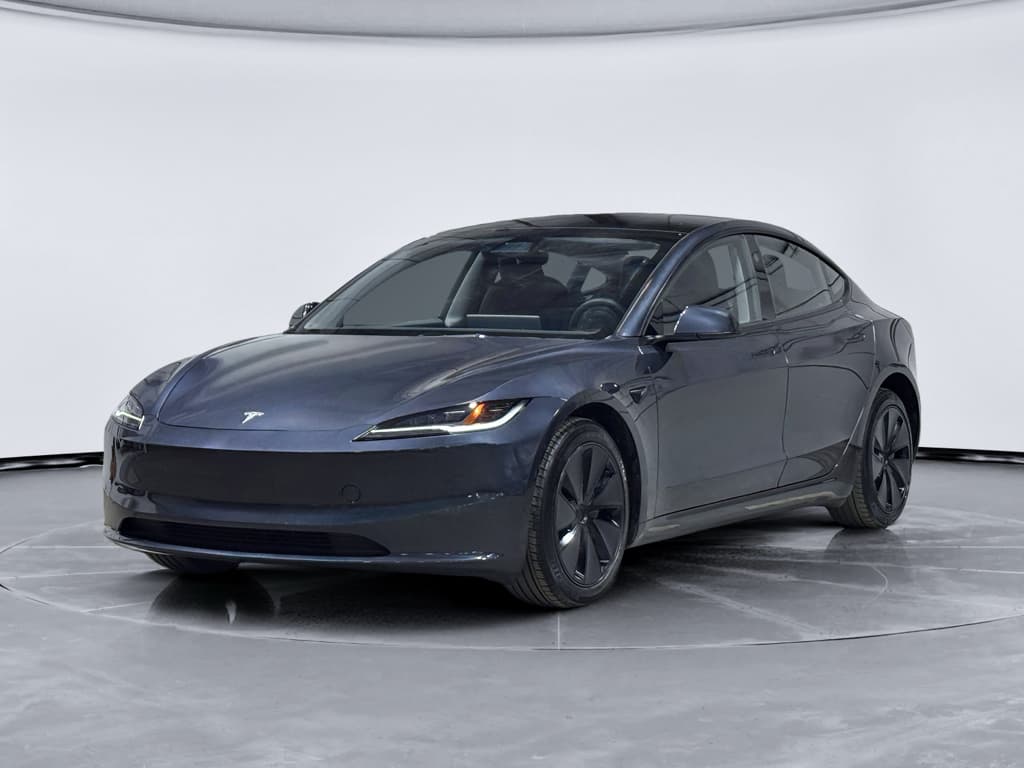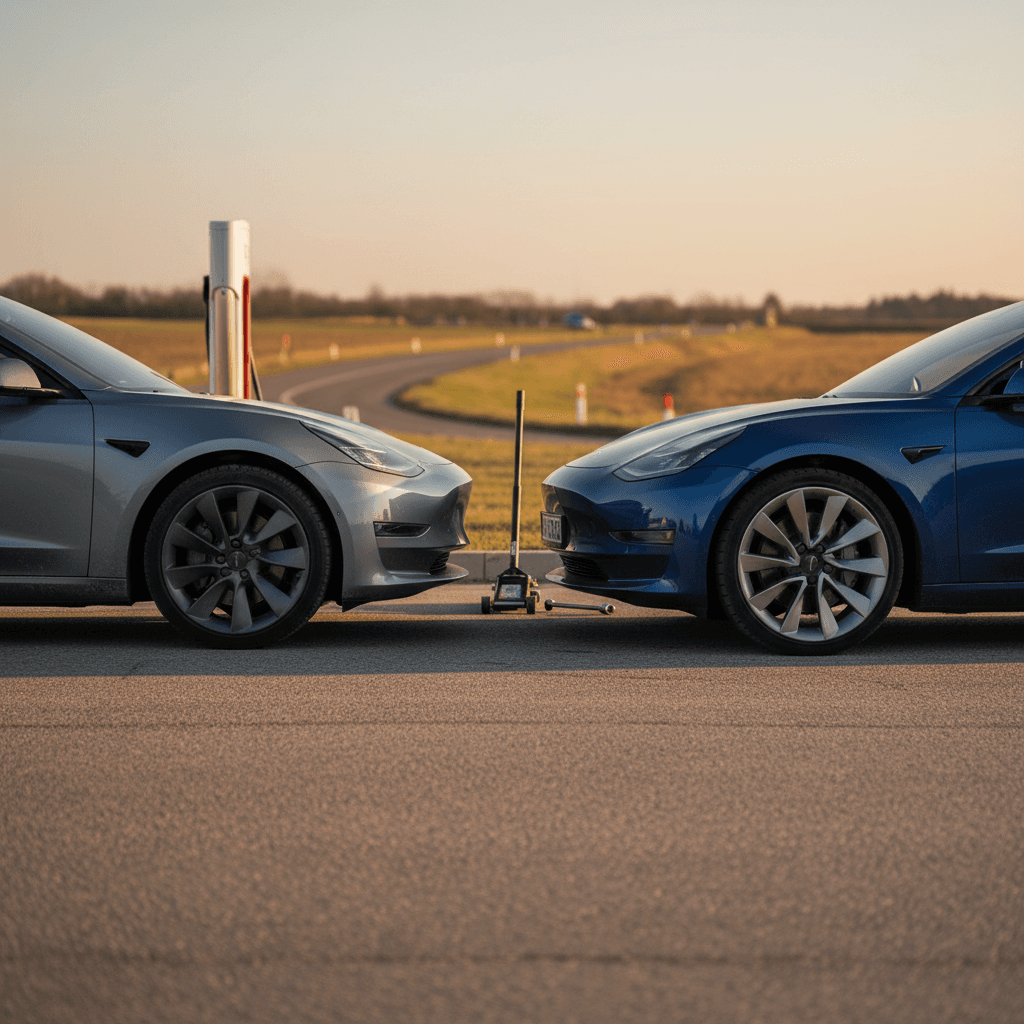
Staring at a spec sheet, or a used listing, and stuck on one detail: 18 vs 19 inch wheels on a Tesla Model 3? You’re not alone. Wheel size quietly shapes how your Model 3 drives, how far it goes on a charge, how it rides on broken pavement, and what you’ll spend on tires down the road.
The short version
18" vs 19" Wheels on a Model 3: Quick Overview
Tesla Model 3 18" vs 19" Wheels at a Glance
Key differences you’ll actually feel day to day
18" Wheels (Aero)
- Best range: Typically ~3–8% more efficient than 19" setups, especially with aero covers installed.
- Softer ride: Taller sidewalls soak up cracks and potholes better.
- Less wheel risk: More tire sidewall between the rim and road.
- Cheaper tires: 18" EV-rated tires are generally easier to find and cost less per set.
- Looks: More conservative; Aero covers are love-or-hate, but you can run the bare alloys or aftermarket covers.
19" Wheels (Sport and similar)
- Sharper steering feel: Less sidewall flex, more precise turn-in.
- Sportier stance: Wheels visually fill the arches better.
- Slight range hit: Expect a small efficiency penalty vs 18", often in the low single digits if you choose efficient tires.
- Firmer ride: You’ll feel more of the road texture and potholes.
- Higher tire cost: 19" performance rubber and EV-specific tires cost more.
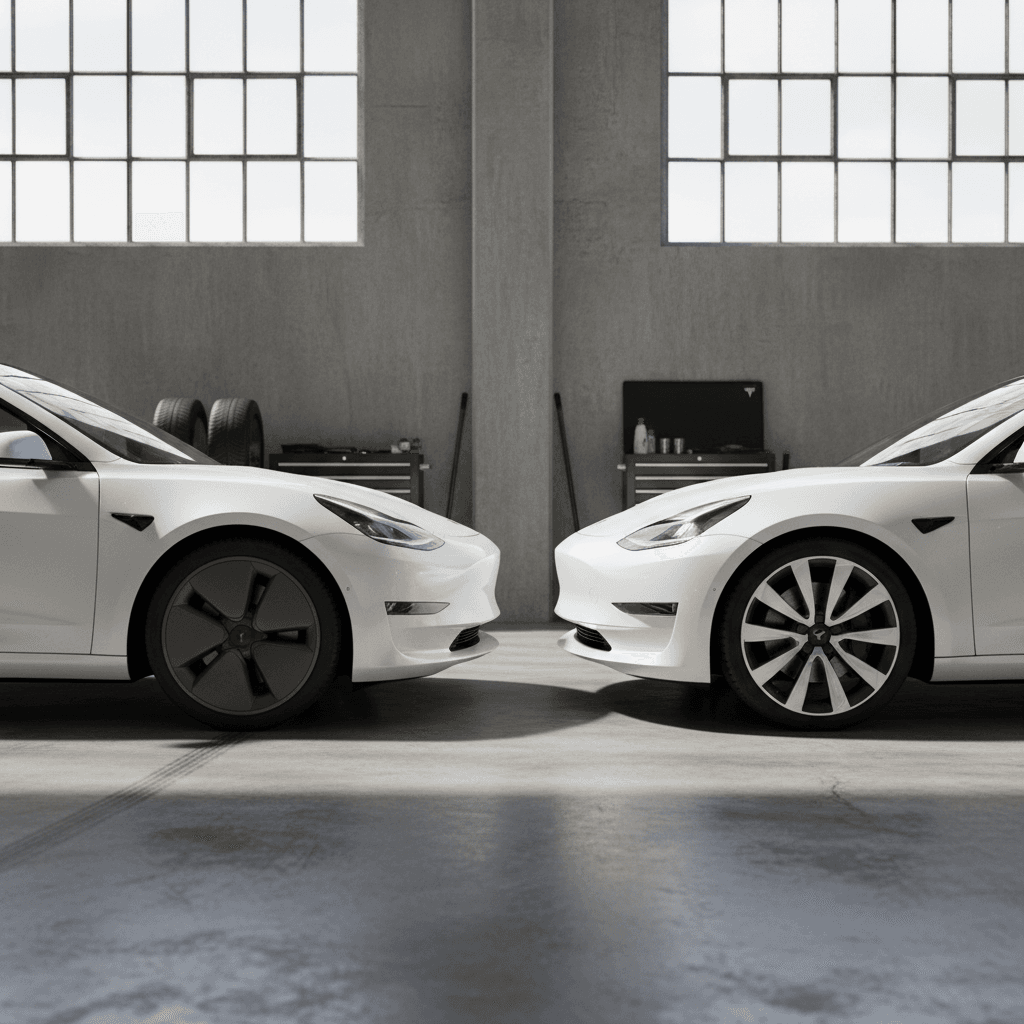
Factory 18" vs 19" Specs on the Tesla Model 3
Before we talk feel, let’s get the hardware straight. From the factory, most Model 3 trims over the years have offered 18" and 19" options with the same wheel width, just different diameters and tire profiles.
Factory Wheel and Tire Sizes: Tesla Model 3
Core Model 3 wheel specs from Tesla’s owner’s manual (non-Performance variants).
| Wheel size | Wheel width / offset | OE tire size | Sidewall profile (approx.) | Typical use |
|---|---|---|---|---|
| 18" | 18 x 8.5J / +38 | 235/45R18 | Taller sidewall | Standard wheel (Aero covers) |
| 19" | 19 x 8.5J / +38 | 235/40R19 | Shorter sidewall | Sport wheel / premium packages |
Specifications may vary slightly by model year and trim, but these are the core factory sizes for 18" and 19" wheels.
Sidewall 101
How 18 vs 19 Inch Wheels Change Range and Efficiency
If you drive an EV, you pay attention to numbers, especially range. Wheel size, tire design, and aero all nudge those numbers up or down. Tesla’s own EPA ratings and independent tests give us a solid picture of what to expect from 18" vs 19" wheels on a Model 3.
What Range Difference Can You Expect?
In EPA data and owner testing, 18" Aero wheels consistently deliver the best efficiency. Owners who’ve run back-to-back tests on the same route often see the 19" setup consuming about 3–7% more energy than 18" Aeros, with the difference growing at higher highway speeds.
Think in trips, not theory
Why 18" wheels are more efficient
- Aero covers: The 18" Aero caps smooth airflow around the wheels, especially at highway speeds.
- Usually lighter: 18" wheel-and-tire packages are often a bit lighter, so you’re not spinning as much mass.
- Tire choice: 18" sizes have more low-rolling-resistance EV tire options, which can shave more Wh/mi than size alone.
Why 19" wheels cost you a bit of range
- Open spoke designs: Sportier 19" wheels generally create more turbulent air flow.
- Heavier combos: Larger wheels and lower-profile tires tend to weigh more.
- Stickier tires: 19" packages frequently come with grippier, performance-oriented rubber, which trades some efficiency for traction.
Don’t blame all range loss on diameter
Ride Comfort, Noise, and Pothole Survival
On paper, a Model 3 is a tidy, modern sedan. In reality, it still has to live with crumbling city streets, expansion joints, and the occasional pothole big enough to swallow a hubcap. This is where sidewall height, the difference between 18" and 19", really earns its keep.
How Wheel Size Changes the Way a Model 3 Feels
Same car, same suspension, different personality at the contact patch
18" Wheels: More Cushion
- Softer over broken pavement: The taller 45-profile sidewall has more flex, so sharp impacts are less brutal.
- Quieter: With more rubber between the rim and the cabin, you’ll often hear less tire slap and harshness.
- More forgiving: Hit a surprise pothole and the tire has a better chance of absorbing the hit before the rim bends.
19" Wheels: Sharper, But Harsher
- Crisper road feel: You’ll feel more texture in the steering wheel and seat, which some drivers love.
- More impact harshness: Less sidewall means less cushion, deep potholes and curb kisses are riskier.
- Noise can increase: Depending on the tire, 19" setups can transmit more rumble and thump into the cabin.
Wheel damage is expensive
Handling, Braking Feel, and Winter Driving
Now to the fun side of the equation. Bigger wheels aren’t just about looks. They change how eagerly your Model 3 responds to your hands and feet, and how predictable it feels at the limit.
Handling and steering
- 19" wheels: Shorter sidewalls reduce flex, so the car responds more immediately when you turn in. On a twisty road, that gives the Model 3 a more alert, "sport sedan" attitude.
- 18" wheels: Still plenty of grip, but the extra sidewall adds a tiny delay and softness in response. It’s more relaxed, less edgy, some drivers actually prefer that on daily commutes.
Braking and winter driving
- Braking feel: Larger-diameter 19" wheels can marginally improve brake feel due to tire construction and contact patch, but the Model 3’s ABS and regen dominate the overall experience. The bigger lever arm doesn’t magically shorten every stop.
- Winter use: For snow and ice, many owners deliberately drop to 18" wheels with narrower, dedicated winter tires. More sidewall, more compliance, and more predictable grip in rough winter conditions.
Smart winter combo
Tire Cost, Availability, and Long-Term Costs
Wheel size isn’t just an aesthetic or performance decision, it’s a running-cost decision. Tires are consumables, and on a torquey EV like the Model 3, they don’t last forever.
Cost Questions to Ask Before You Commit to 18" or 19"
1. How much do replacement tires cost?
In most markets, <strong>18" EV-rated tires are cheaper</strong> than equivalent 19" versions. Over 80,000–100,000 miles and several sets of tires, that gap can add up to hundreds of dollars.
2. How easy is it to find the right tire?
Sizes like 235/45R18 are extremely common and widely stocked. 19" EV-specific sizes are catching up, but selection may still be thinner, especially for winter or all-weather options in some regions.
3. Are you okay trading tread life for grip?
Many 19" tire options skew more performance-oriented. They can grip better but wear faster, especially if you drive your Model 3 the way it begs to be driven.
4. What about wheel repair or replacement?
Larger wheels with low-profile tires are more vulnerable to curb rash and bends. Repairing or replacing a 19" OE Sport wheel or a premium aftermarket wheel will almost always cost more than an 18" equivalent.
Used EV angle: budget for at least one set of tires
If You’re Buying a Used Model 3: What Wheel Size Means
On the used market, wheel size is more than a style choice, it’s a clue to how the car has been used and how it will behave for you. That’s exactly the kind of detail a good inspection, and tools like the Recharged Score, are designed to surface.
Reading Wheel Size Like a Clue on a Used Model 3
What 18" vs 19" might tell you about the car you’re considering
18" car, Aero wheels
19" car, Sport wheels
Aftermarket wheels
How Recharged can help
How to Choose: 18" vs 19" Model 3 Wheels by Driver Type
You can slice the 18" vs 19" debate a dozen ways, but it really comes down to your roads, your priorities, and your appetite for risk vs reward. Here’s a simple way to match wheel size to how you actually drive.
A practical test-drive trick
FAQ: 18 vs 19 Inch Wheels on Tesla Model 3
Frequently Asked Questions
In the end, choosing between 18 vs 19 inch wheels on a Tesla Model 3 isn’t about right or wrong, it’s about what you want to feel every time you pull onto your street. If you live on cratered pavement, road-trip often, and care most about range and comfort, 18s are your quiet heroes. If you crave a sharper, more athletic feel and love the way a Model 3 sits on fuller wheel arches, 19s will make you smile every time you glance back at the car.
If you’re shopping used, don’t let wheel size distract you from the bigger story: battery health, condition, and total cost of ownership. That’s where Recharged comes in, with verified battery diagnostics, fair pricing, EV-specialist guidance, and nationwide delivery. Pick the wheel size that fits your life, then let the data help you pick the right car.