Buy an EV

  • EVs for sale
  • Learn about EVs
  • Articles
  • Charging

Sell or trade

  • How it works

Financing

  • Get pre-qualified
  • Credit application

Contact us

  • Book a consultation
  • Call us at (804) 390-5910
  • Email us at hello@recharged.com
  • Visit our Experience Centers
    • Richmond, VA
    • Fairfax, VA
    • Charlotte, NC

© 2025 Recharged. All Rights Reserved.

7-Day Return Policy·Privacy Policy·SMS Opt-In·Do Not Sell or Share My Information·
TikTokYouTubeInstagramLinkedInFacebook
    Worst Electric Cars for Resale Value: 2026 Guide for Used EV Shoppers
    Selling·10 min read·By Recharged Editorial Team

    Worst Electric Cars for Resale Value: 2026 Guide for Used EV Shoppers

    ev-depreciationresale-valueused-ev-buyingluxury-evsnissan-leaftesla-model-xkia-ev6jaguar-i-paceearly-compliance-evsrecharged-score

    Table of Contents

    • Why EV resale value looks so bad right now
    • The data: how fast EVs are depreciating
    • Worst electric cars for resale value today
    • Older EVs that got crushed on resale
    • Patterns: what the worst-resale EVs have in common
    • When a “bad resale value” EV is actually a smart buy
    • How to check resale health before you buy a used EV
    • How Recharged helps you avoid a resale disaster
    • FAQ: worst electric cars for resale value
    • Bottom line on EVs with bad resale value

    If you’ve browsed the used market lately, you’ve seen it: some electric cars are shockingly cheap for how new they are. Great if you’re buying; brutal if you’re the person taking the hit. This guide walks through the worst electric cars for resale value, why they lose so much so fast, and how to shop smart so you’re on the winning side of that depreciation curve.

    Quick reality check

    Across the U.S. market, recent studies show battery-electric vehicles are losing close to 60% of their value over five years, much steeper than the roughly mid‑40% average for all vehicles. In other words, EV depreciation isn’t a myth; it’s baked into today’s market.

    Why EV resale value looks so bad right now

    Before naming and shaming specific models, it helps to understand why EV resale values look so fragile in 2026. A lot of what you’re seeing is timing, not doom.

    • Technology is moving fast. A 2019 EV with 150 miles of range and slow fast‑charging feels ancient next to a 2025 model with 270 miles and 200 kW DC charging. That tech gap hits resale hard.
    • Early pricing was aggressive. Many first- and second‑generation EVs were priced like premium tech gadgets, not appliances. When reality caught up, used values adjusted downward, quickly.
    • Tax credits distorted the market. Federal and state incentives effectively lowered new EV transaction prices, which in turn pulled used prices down. After recent federal changes, the math shifted again, adding volatility.
    • Lease waves are hitting. Huge waves of 2021–2023 EV leases are returning in 2025–2026. More supply + cautious demand = lower prices, especially for models with quirks or recalls.
    • Battery fear still lingers. Shoppers are wary of range loss and replacement costs, even when the real‑world risk is modest. Perception alone can drag down what buyers are willing to pay.

    Don’t confuse cheap with “bad”

    An EV with terrible resale value isn’t always a bad car. Sometimes it’s just mispriced new, overshadowed by a newer model, or hit by news cycles about recalls. As a buyer, that’s often where the opportunity is.

    The data: how fast EVs are depreciating

    EV depreciation in context

    ≈59%
    Average EV loss
    Recent multi‑year studies show battery‑electric vehicles losing close to 60% of their value over five years, much more than gas cars.
    ≈46%
    All-vehicle avg.
    Across the whole market, five‑year depreciation sits in the mid‑40% range, so EVs are dropping significantly faster than the norm.
    4 of 10
    Worst losers
    In recent rankings of the worst five‑year depreciation, roughly four of the ten worst models are battery‑electric vehicles.
    $40k+
    Luxury pain
    Luxury EVs can shed well over $40,000 in value in just five years, sometimes more than a well‑equipped new compact car.}]},{
    EVs on Recharged

    See all →
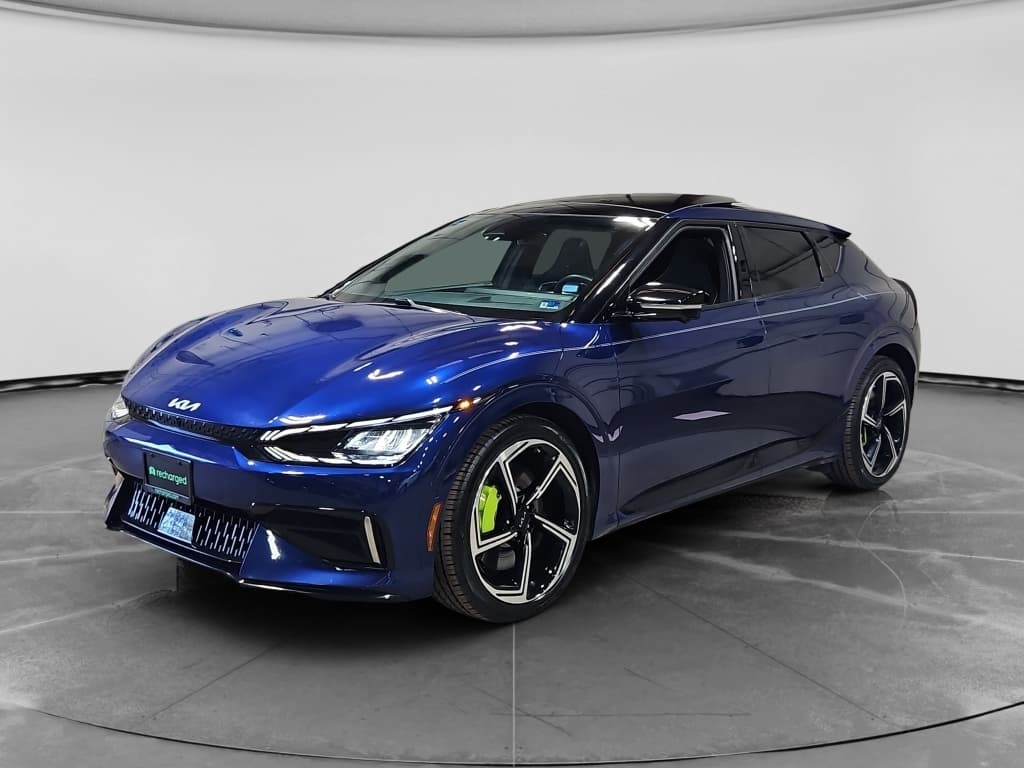
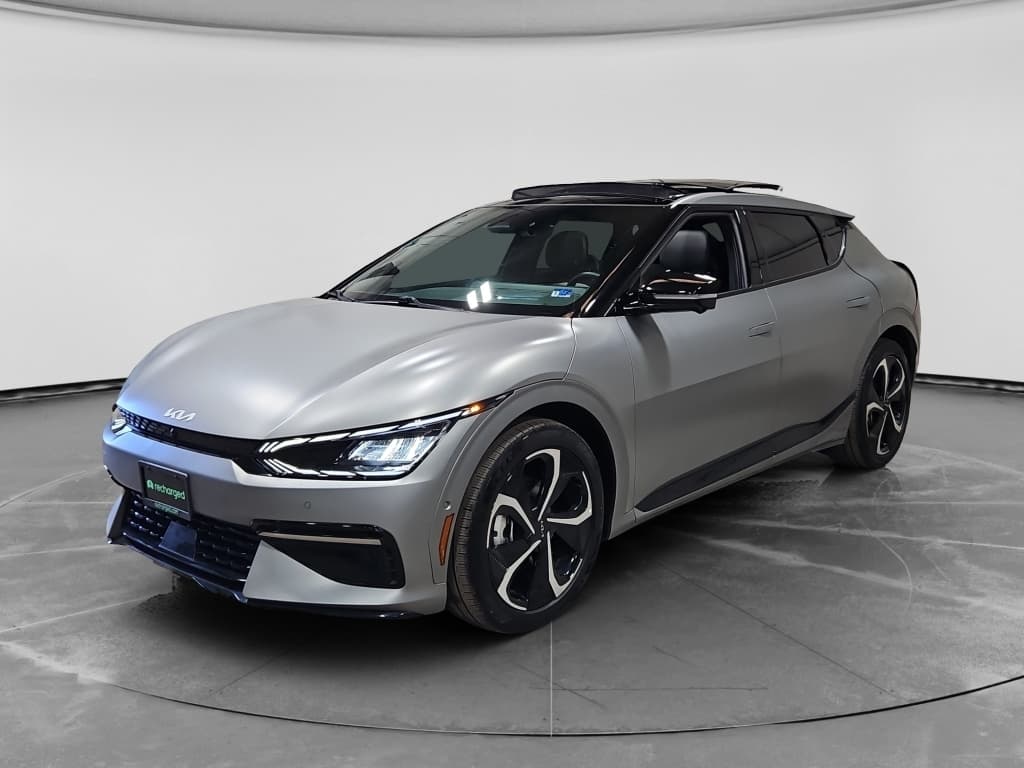
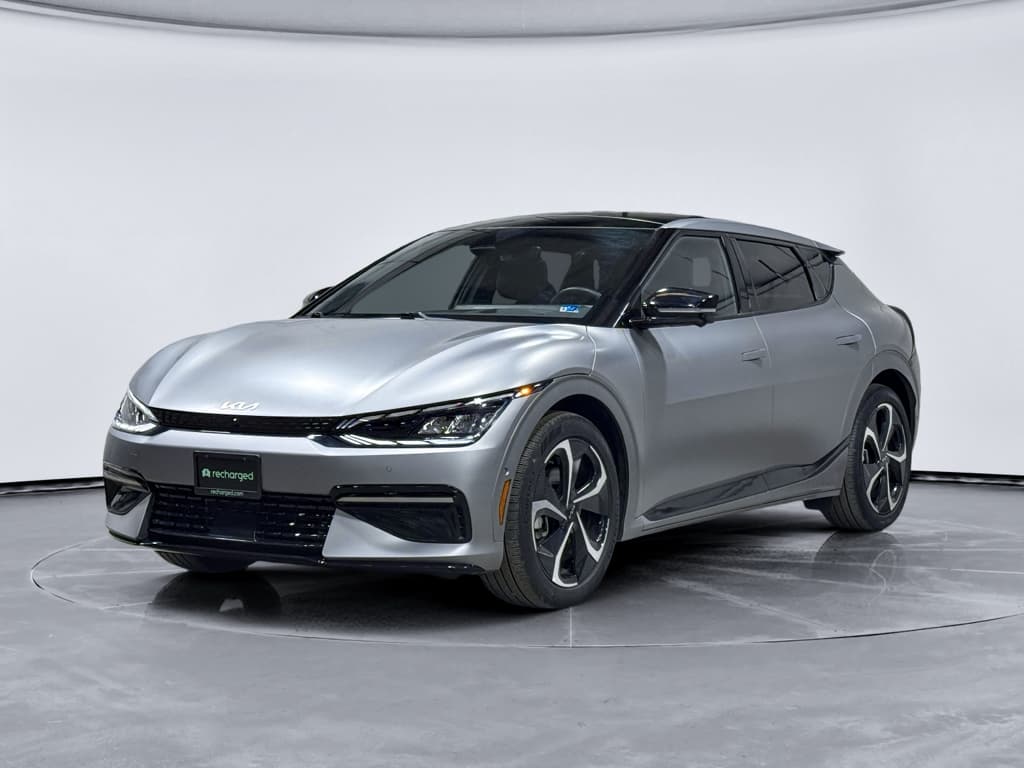
    2023 Kia EV6

    2023 Kia EV6

    GT-Line•30K mi•239 mi range
    4.8/5Recharged Score
    $29,599
    2023 Kia EV6

    2023 Kia EV6

    GT-Line•29K mi•232 mi range
    4.9/5Recharged Score
    $28,997
    2023 Kia EV6

    2023 Kia EV6

    GT•22K mi•206 mi range
    4.6/5Recharged Score
    $29,996

    Related Articles

    Kia EV9 Charging Speed Guide: Home, DC Fast Charging & Road Trips
    Charging·11 min

    Kia EV9 Charging Speed Guide: Home, DC Fast Charging & Road Trips

    Learn how fast the Kia EV9 charges at home and on road trips, real 10–80% times, charger sizing, Tesla Supercharger access, and battery‑friendly tips.

    kia-ev9ev-chargingdc-fast-charging
    2023 Hyundai Ioniq 6 Reliability Rating: What Owners Should Know
    Problems & Recalls·9 min

    2023 Hyundai Ioniq 6 Reliability Rating: What Owners Should Know

    See how reliable the 2023 Hyundai Ioniq 6 really is, with ratings, recalls, common issues, and what to check if you’re buying one used.

    hyundai-ioniq-62023-model-yearev-reliability
    How to Sell My BMW i5 for Maximum Value in 2026
    Selling·9 min

    How to Sell My BMW i5 for Maximum Value in 2026

    Thinking “how do I sell my BMW i5”? Learn market values, timing, and whether to trade, consign, or sell online, plus how Recharged can help you net more.

    bmw-i5selling-evused-ev-market