If you’re wondering whether used EV prices will drop more in 2026, you’re not alone. After a couple of wild years, huge price cuts on new EVs, sharp depreciation on used ones, and now a mixed picture, the obvious question is: should you buy now, or keep waiting?
The big-picture outlook
Short answer: Will used EV prices drop more in 2026?
- Yes, many used EVs are likely to get a bit cheaper in 2026, especially older, short‑range models and vehicles coming off lease in big numbers.
- No, we’re not likely to see the same 20–30% year‑over‑year plunges that hit some EVs in 2023–2024.
- Some models, especially desirable Teslas and long‑range crossovers, could stabilize or even rebound in price, as we’ve already started to see in late 2025 and early 2026.
- Your decision should come down to: the model you want, your budget and financing, and how long you plan to keep the vehicle.
Used EV market snapshot heading into 2026
So the working forecast is this: expect more downward pressure overall on used EV prices in 2026, but in a more controlled, model‑by‑model way. That’s good news if you’re shopping, and a signal to be strategic if you’re selling or trading in.
How we got here: a quick recap of used EV prices
To understand where 2026 is headed, it helps to look at the last few years. From 2020–2022, EVs were scarce and incentives were rich. Many models sold at or above sticker, and some used EVs actually appreciated. Then the market flipped:
Recent shifts that reshaped used EV pricing
Why 2026 looks very different from the EV boom years
New EV price cuts
Fast early depreciation
Now: a mixed picture
Don’t over-read averages
Forces pushing used EV prices down in 2026
In 2026, several structural forces are still putting pressure on used EV values. If you’re buying, these are your tailwinds. If you’re selling, these are the headwinds you need to plan around.
Key drivers of further price softening
1. A wave of off‑lease EVs
Lease volumes for new EVs surged in 2023 and 2024. JD Power projects that returning EV lease volumes will spike by roughly 230% in 2026, meaning many 2–3‑year‑old EVs hitting auctions and dealer lots at the same time. More supply typically means lower prices.
2. Old tech and short range
Battery, charging, and software tech are moving fast. A 2019–2021 EV with 150 miles of real‑world range and slow DC fast charging looks dated beside newer 250–300‑mile models. Shoppers discount those older cars heavily, and the market follows.
3. Incentives and cheaper new EVs
Aggressive discounts and dealer incentives on new EVs in 2024–2025 pulled new transaction prices down sharply. When a brand‑new EV is cheaper to lease than a 3‑year‑old one to finance, used values have to bend to fit buyer math.
4. Lingering range and reliability worries
Even though EVs tend to have low powertrain maintenance, many mainstream shoppers still worry about range, charging access, and battery replacement costs. Those fears show up as lower bids at auction and more negotiation room on retail prices.
How to use this as a buyer
Forces holding prices up (or even pushing some up)
At the same time, it would be a mistake to assume every EV on the lot will keep getting cheaper forever. A few important counter‑forces are already showing up in the data.
Limited supply of the “right” EVs
While thousands of lease-return EVs will arrive in 2026, not all of them are what buyers want. Many are first- or second-generation compact hatchbacks with modest range. Desirable long-range crossovers, all-wheel-drive trims, and models with heat pumps or strong fast-charging speed are in much shorter supply.
Those well-spec’d vehicles can attract stronger bids and firmer retail prices, especially in colder regions or places with lots of highway driving.
Model-specific demand swings
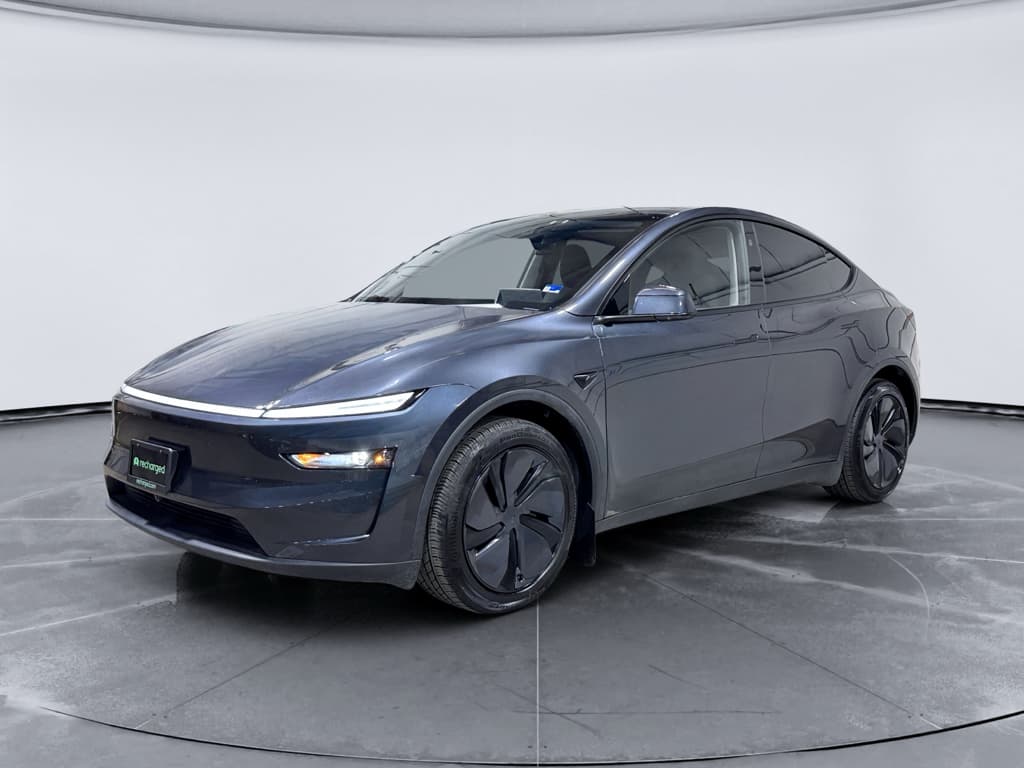
We’ve already seen how quickly demand can pivot. In late 2025 and early 2026, for example, prices for used Teslas moved up several percent even as many non-Tesla EVs edged down. Shifts in tax credits, discontinued models, or big software updates can all make certain used EVs suddenly more desirable.
That’s why you should focus your pricing expectations on the specific model and trim you’re considering, not just EV averages.
When waiting doesn’t help much
Which used EVs are likely to drop more?
Looking through the 2026 lens, here’s where additional price pressure is most likely. This doesn’t mean these are bad buys, quite the opposite. It means you may be able to buy them at especially attractive prices if you choose carefully.
Used EV segments with more downside risk in 2026
Where shoppers may see further discounts, good for buyers, challenging for sellers.
| Segment / Type | Why More Downside? | What It Means for You |
|---|---|---|
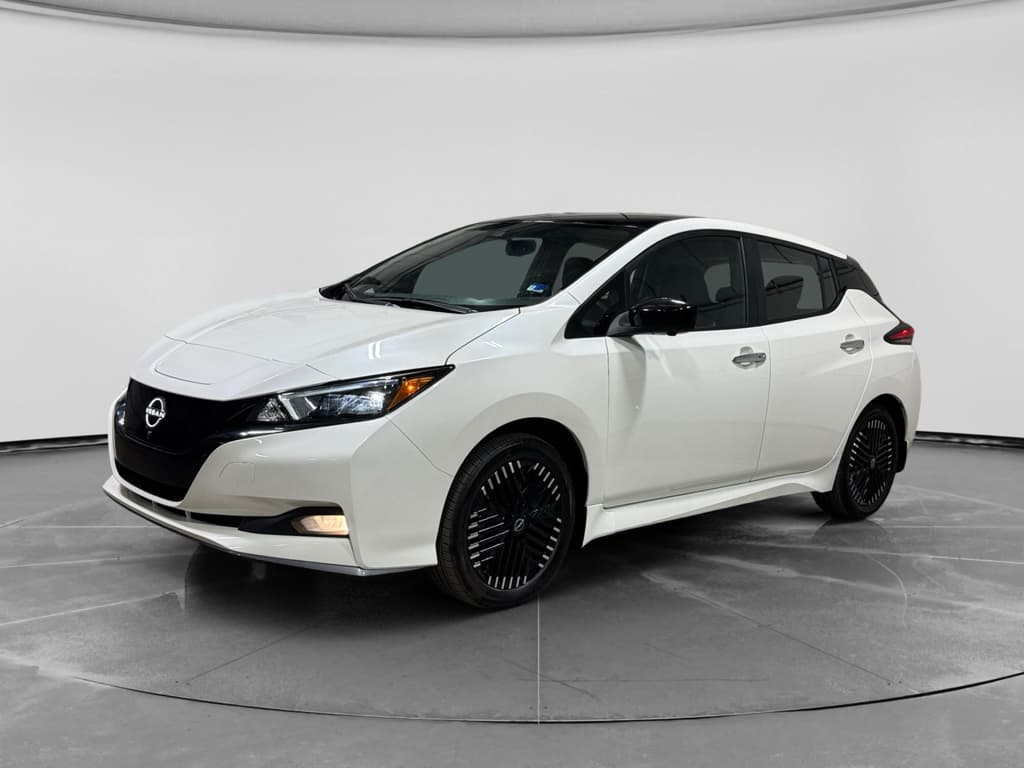
| Early short-range hatchbacks (Leaf, older Bolts, early Ioniq) | 100–150 miles of real-world range, slower DC charging, heavy competition from newer models and upcoming lease returns. | Expect softer prices and longer time-on-lot. As a buyer, you can prioritize low mileage and verified battery health. |
| First-gen luxury EV sedans (older Model S, early Audi e-tron, Jaguar I-PACE) | High original MSRPs, faster tech obsolescence, and expensive tires/repairs make total ownership costly. | Deep discounts versus original price, but budget for higher running costs and check battery/charging performance carefully. |
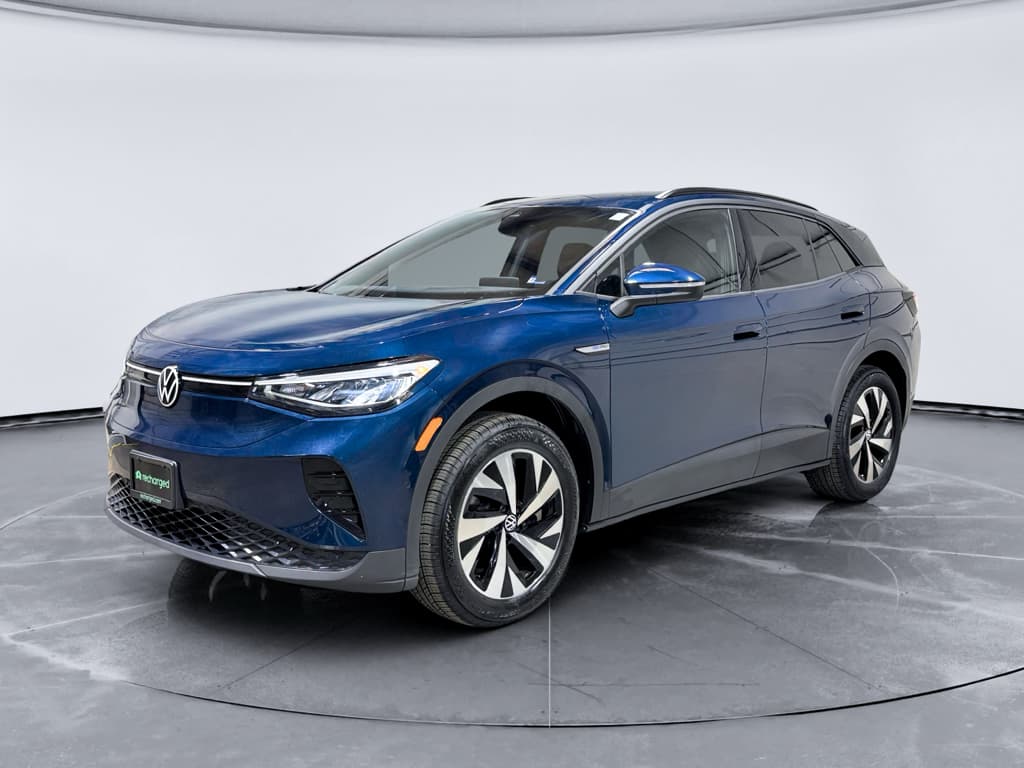
| Off-lease mid-range crossovers without standout range/features | As 2026 lease returns arrive, mid-spec trims without long range or all-wheel drive compete heavily with each other. | Plenty of choice and bargaining room. Great if you care more about price than having the newest tech. |
Use this as a directional guide. Actual prices will vary by region, mileage, condition, and battery health.
Watch out for cheap-but-tired EVs
Which used EVs may hold value better?
On the other side of the ledger, some EVs look poised to hold up comparatively well as we move through 2026, even if they still depreciate in absolute terms.
Characteristics of stronger‑value used EVs
Not every EV is destined for a steep discount
Long-range crossovers and SUVs
Heat pump & cold-weather packages
Stronger charging + software support
If you’re shopping with resale in mind, leaning toward this side of the market, rather than the cheapest possible EV on the lot, can pay off when you eventually trade in or sell.
How to time your move: buying a used EV in 2026
When people ask whether used EV prices will drop more in 2026, what they’re really asking is, “Should I buy now or wait?” Here’s how to think about that trade‑off.
A practical playbook for 2026 EV shoppers
1. Decide if you’re chasing the last dollar or the right car
If you’re trying to time the absolute bottom, you’ll always feel one step behind. Instead, decide what range, body style, and features you truly need, then look for a fair deal within that slice of the market.
2. Watch lease-return waves locally
The national forecast calls for a big jump in EV lease returns, but it will hit different regions at different times. In some markets you’ll see sudden increases in certain models on dealer lots, often a sign of more negotiation room.
3. Run the math on fuel savings
If you’re commuting in a thirsty gas vehicle, every month you delay moving into an efficient EV is a month of higher fuel costs. Over a few years, that can easily outweigh the extra $1,000 you might save by waiting for prices to soften a bit more.
4. Lock in financing when rates dip
As interest rates slowly ease, you may be able to refinance or lock in better terms. A slightly higher vehicle price with a lower APR can be cheaper to own than a cheaper car financed at a higher rate.
5. Focus on total cost of ownership, not just price
Insurance, maintenance, tires, charging costs, and battery health all matter. A slightly more expensive EV with a healthy battery and lower running costs can be the better deal over a 5–7‑year ownership window.
How Recharged can help buyers
Selling or trading in an EV: what owners should do
If you already own an EV, the 2026 market can feel uncomfortable: you’ve seen the stories about fast depreciation, but you also don’t want to keep a vehicle that no longer fits your life. Here’s how to approach it strategically.
Consider timing around lease-return gluts
When a flood of similar off-lease EVs hits your local market, values on older, comparable models tend to soften. If you’re driving something like an early compact EV or mid-range crossover that will be competing with those lease returns, you may want to sell or trade in sooner rather than later.
On the flip side, if you own a less common spec (for example, a long-range, all-wheel-drive trim with desirable options), you may be insulated from the worst of the price pressure.
Get multiple offers and highlight battery health
Don’t rely on a single quote. Online instant-offer tools, local dealers, and EV specialists like Recharged may all view your vehicle differently. Real battery data, documented service, and clean history can add real money to an offer.
With Recharged, you can get an instant offer or consign your EV, leveraging our battery diagnostics and market data to present your vehicle in the best possible light to buyers.
Avoid the “silent” value killers
How battery health and the Recharged Score fit in
In a gas car, you can’t easily tell how much life is left in the engine. With an EV, you can get a surprisingly clear picture of battery health, and that’s becoming one of the biggest drivers of individual vehicle value in 2026.
Why verified battery health matters more as prices move
Two similar EVs can be priced very differently for good reason
State of health (SoH) vs. age
Transparent scoring builds confidence
Fair pricing in a noisy market
In a world where used EV prices are still finding their footing, tools like the Recharged Score are a way to cut through the noise and focus on what actually drives long‑term value: how the vehicle has been used and how healthy the battery really is.
FAQ: Used EV prices in 2026
Frequently asked questions about 2026 used EV pricing
Bottom line: Is 2026 the year to buy a used EV?
If your main question is whether used EV prices will drop more in 2026, the honest answer is: most likely yes, but in a targeted, model‑specific way, not through another across‑the‑board collapse. For shoppers, that’s an opportunity. You can take advantage of the earlier price reset, plus a bit more softening in certain segments, without waiting forever.
The smarter move is to focus less on predicting the exact bottom and more on finding the right EV at the right total cost of ownership: sufficient range, healthy battery, realistic charging options, and a payment that fits your budget. That’s where a transparent marketplace built around EVs, like Recharged, earns its keep, with Recharged Score battery diagnostics, fair market pricing, financing options, and nationwide delivery.
In other words, 2026 is shaping up as an excellent time to buy a used EV, as long as you buy the car in front of you based on facts, not just the headlines about where the market’s been.