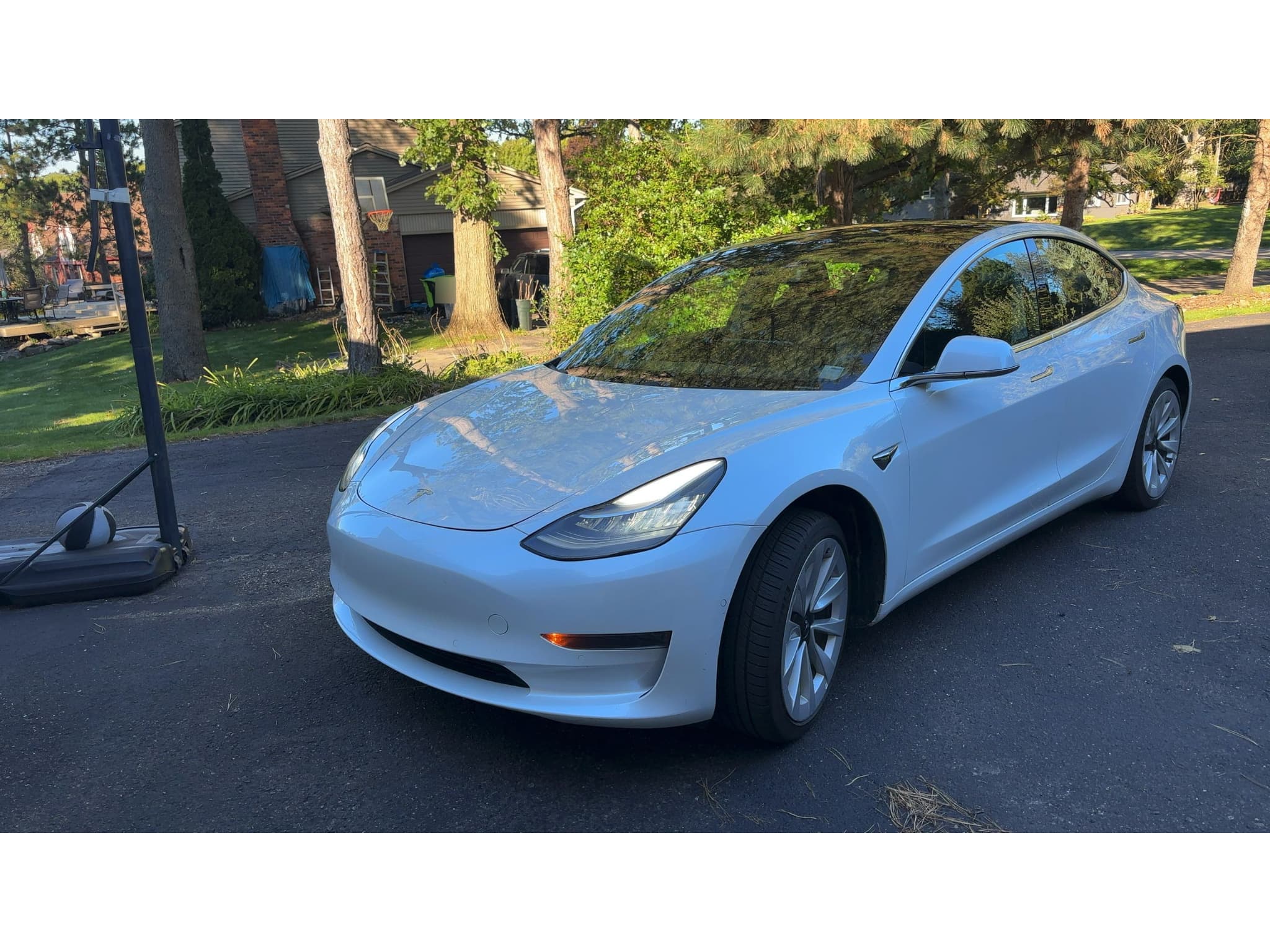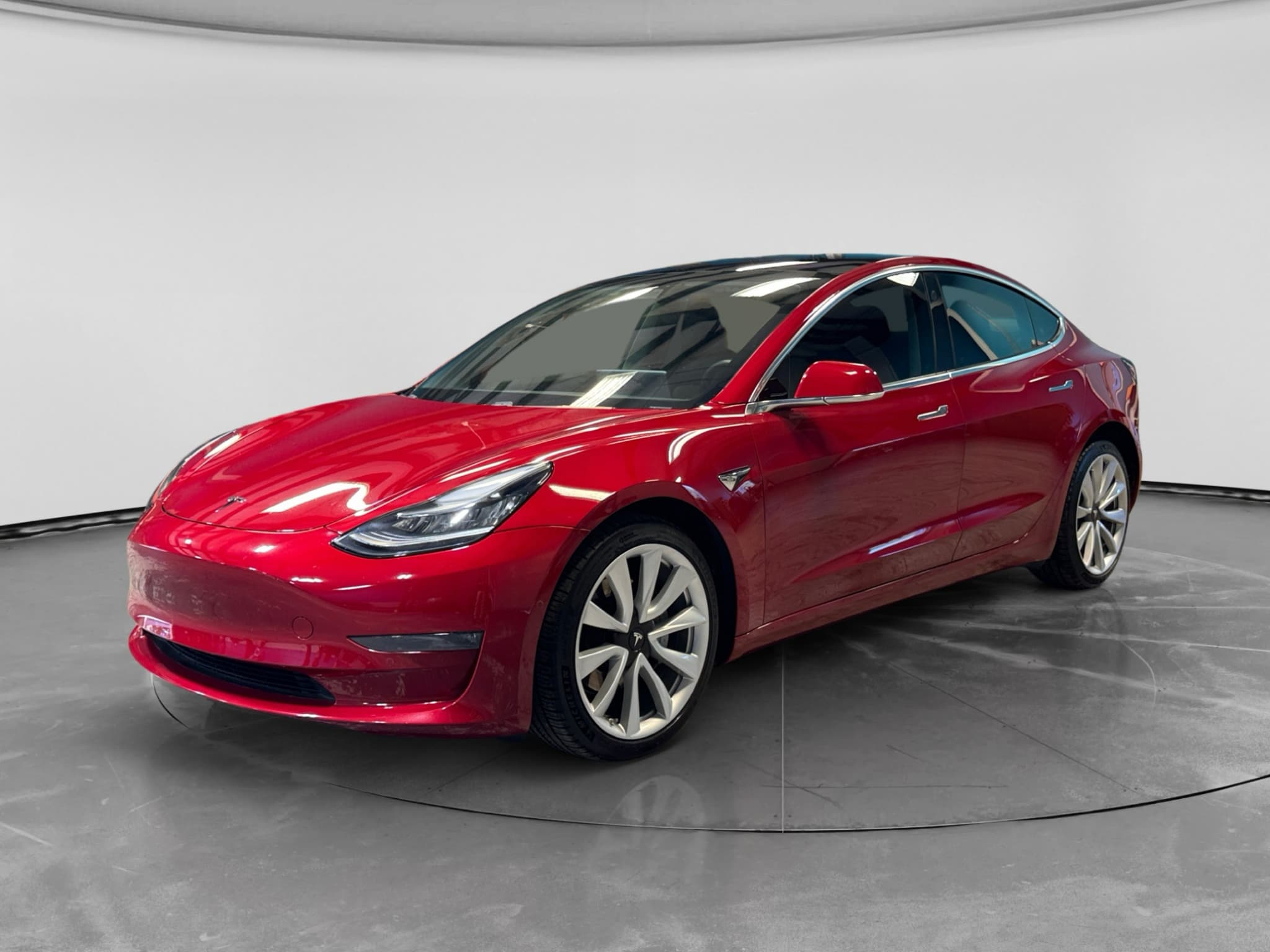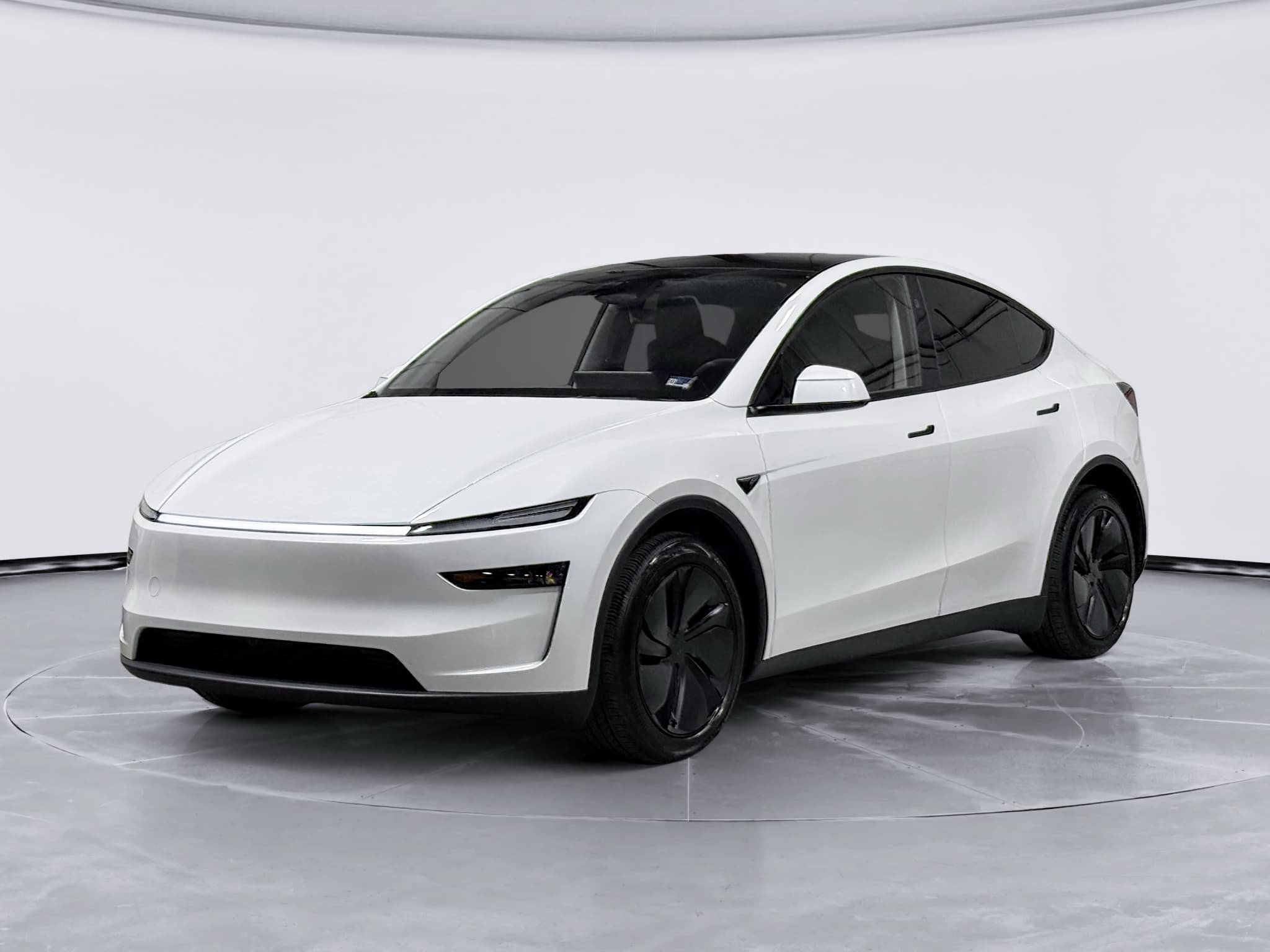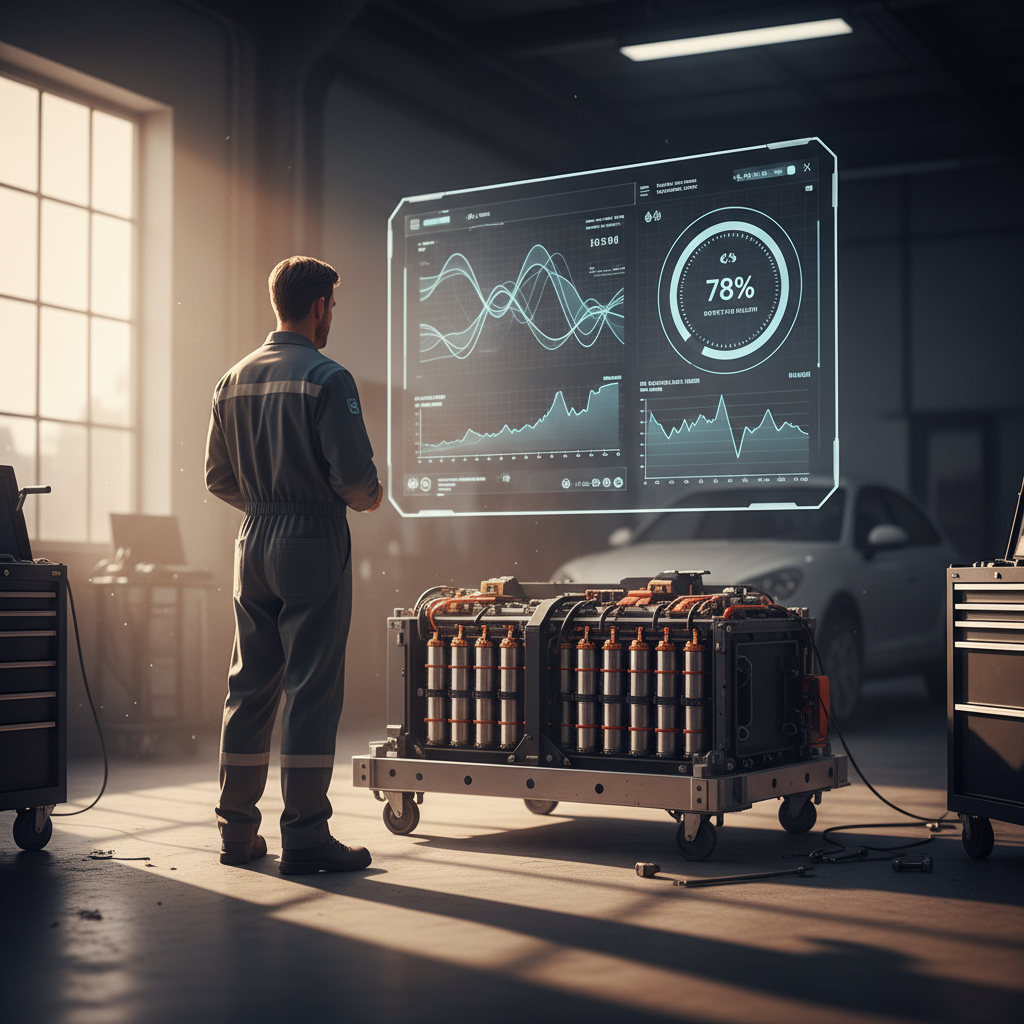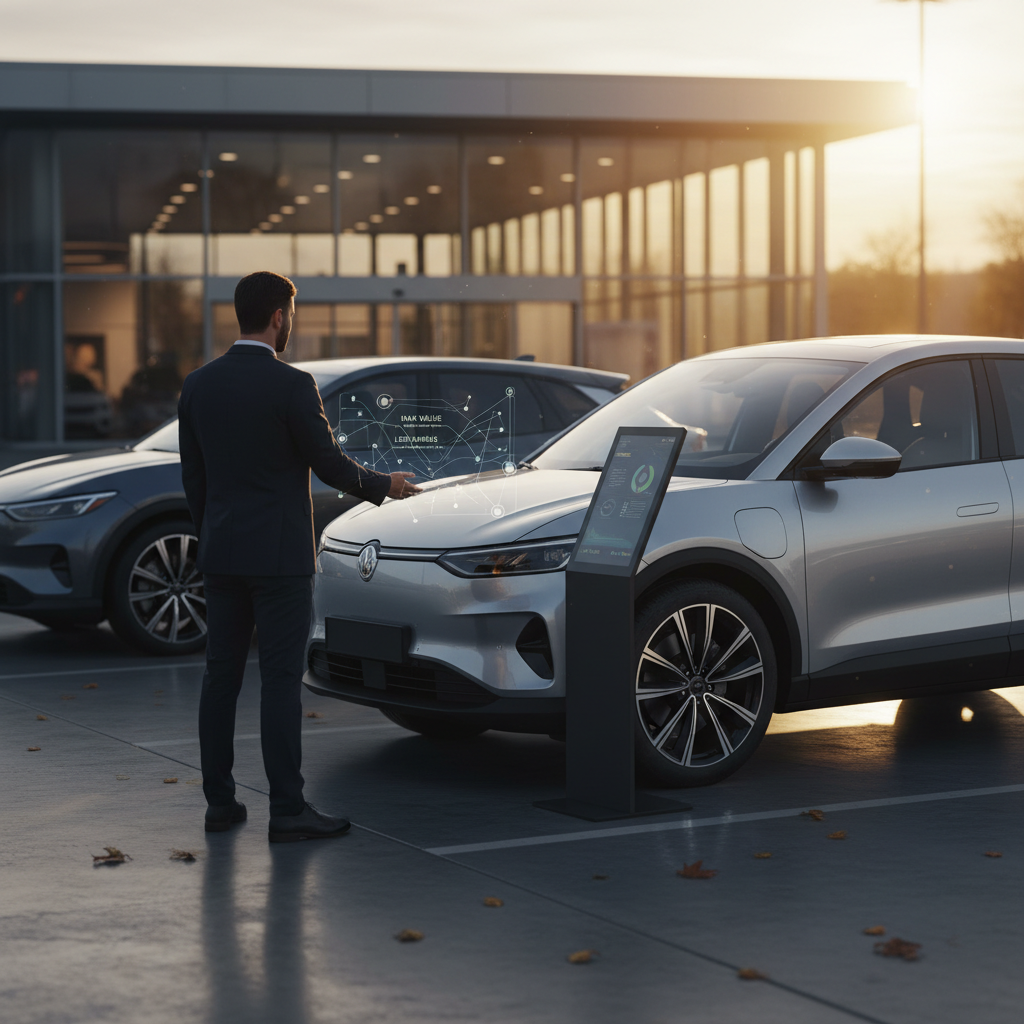
The higher premium attached to some EVs usually reflects the insurer’s expected cost of a claim, not the cost of routine maintenance. A relatively minor collision can involve body work, cameras, radar sensors, software procedures, and inspection of the high-voltage battery area. But EV insurance isn’t automatically expensive, which is why comparing vehicle-specific quotes should be part of your used-EV buying process.
What makes some EV insurance claims expensive?
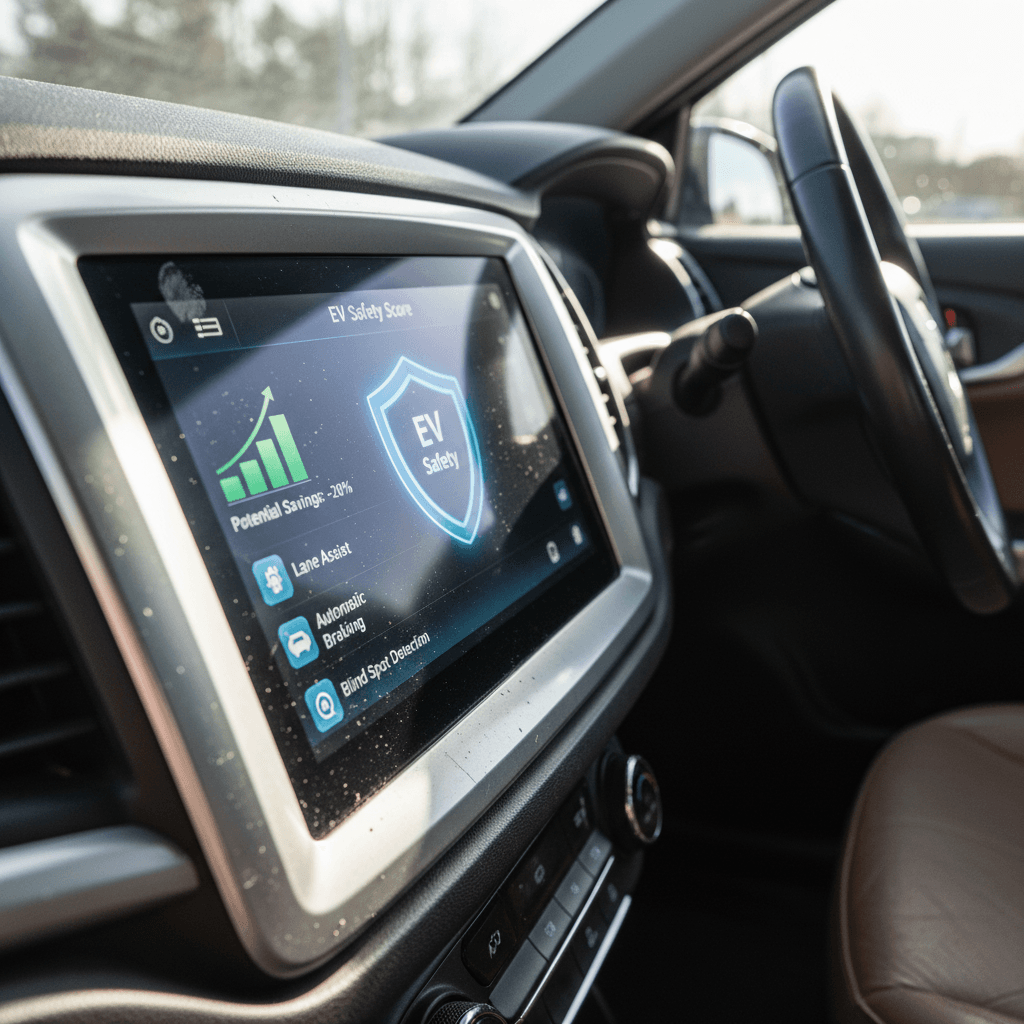
Some EV claims cost more because the repair can require specialized equipment, technicians, diagnostics, and replacement parts. The battery pack is large and structurally integrated into many EVs, so a collision near it may require careful inspection even when the pack doesn’t need replacement. Modern EVs also tend to carry cameras and sensors that may need calibration after body repairs. Insurers account for those expected expenses when setting collision and comprehensive premiums.
The factors that can raise an EV premium
These are the vehicle-related factors most likely to influence the repair portion of an insurance quote.
| Cost factor | Why insurers consider it | What you can do |
|---|---|---|
| Battery area | Damage needs evaluation | Review battery coverage |
| Parts and labor | Specialized repairs | Compare model-specific quotes |
| Cameras and sensors | Calibration may be required | Check glass coverage |
| Vehicle performance | Claims may cost more | Quote before choosing |
| Vehicle value | Higher potential payout | Adjust coverage carefully |
Actual pricing depends on the vehicle, driver, location, coverage, deductible, and insurer.
Liability and physical-damage coverage are different
What Recharged’s used-EV data changes
Recharged’s data shows why a blanket assumption that every used EV has a weak battery or unusually high value can be misleading. Across 2,242 Recharged Score inspections, tested remaining battery capacity averaged 93.9% of original capacity, with a 94.9% median. Separately, buyers paid a median retail price of $27,297 across 1,796 EVs sold by Recharged during the trailing 12 months, while the average retail sold price was $29,901. Those figures don’t determine your premium, but they show that battery condition and purchase price should be evaluated vehicle by vehicle rather than assumed from the EV label.
Insurers generally price policies around the specific model, expected claim costs, coverage, and driver rather than a retailer’s battery-health report. Still, verified battery condition gives you better information about the vehicle you’re buying and can clarify the ownership risks you’re accepting. Recharged includes a Recharged Score Report with verified battery health, fair market pricing, and expert guidance so you can evaluate those factors before purchase. Learn more about battery health in a used EV and why it differs from an insurance company’s risk model.
Recharged data
Used EV battery health
94%
avg remaining capacity
From Recharged battery inspections, not manufacturer estimates.
- Lowest
- 63%
- Median
- 95%
- Highest
- 100%
- Est. range
- 266 mi avg
- Cell balance pass
- 100%
- Quick charges
- 18 avg
- Slow charges
- 65 avg
Average cell imbalance: 7.3 mV
Based on vehicles Recharged tested
Recharged data
Recent EV sold prices
$27,297
median sold price
What buyers actually paid through Recharged, not list price.
- Lowest
- $500
- Average
- $29,901
- Highest
- $129,998
Monthly median sold price
Based on Recharged sales in the last 12 months
Every EV is battery-tested with a Recharged Score. Nationwide delivery.
Why should you get a quote before buying?
You should get an insurance quote before buying because two insurers can price the same EV very differently. Each company uses its own claims history and rating approach, so assumptions based on a gasoline vehicle, or even another EV, may not hold. Request quotes using the exact vehicle identification number when possible, and match the deductibles, limits, and optional coverage across every proposal. That gives you a true comparison instead of several prices for different policies.
Every insurance company rates EVs differently. Price the policy before you commit to the car, because switching to an EV doesn’t produce the same result for every buyer.
Insurance checks to complete before delivery
Quote the exact vehicle
Use the VIN when available so the insurer can identify the model and equipment accurately.
Match policy details
Keep limits, deductibles, rental coverage, and other options consistent when comparing prices.
Ask about repair rules
Confirm how the policy handles original-equipment parts, glass, sensor calibration, and repair-shop choice.
Review battery-related damage
Ask how collision, flooding, fire, towing, and battery-area inspections are handled under the policy.
Check discounts together
Price home, renters, or other vehicles with the same insurer, but compare the final combined cost.
Budget the full vehicle cost
Add the premium to financing, charging, maintenance, registration, and other EV ownership costs.
How can you lower your EV insurance cost?
The most effective way to lower EV insurance is to compare identical coverage from multiple insurers before choosing the vehicle. If the premium remains high, test a higher deductible that you could comfortably pay after a claim and ask about usage-based or low-mileage programs if they fit how you drive. You can also compare insurance prices across several EV models before becoming attached to one. Don’t cut liability limits solely to reduce the bill; the cheaper premium can leave you with substantially more financial exposure after a serious crash.
- Request quotes from several insurers using the same VIN.
- Keep coverage limits, deductibles, and add-ons identical.
- Compare the annual premium, not only the monthly payment.
- Ask which safety, multi-policy, or usage-based discounts apply.
- Recheck your rate after moving, changing mileage, or renewing the policy.
Compare total ownership cost, not one line item
EV insurance questions
The short answers depend on the exact EV and policy, but a few recurring questions can help you shop more accurately. Focus on how the insurer treats your specific vehicle rather than relying on a general EV average. The following answers cover the distinctions buyers most often need to make.
Instant offer, trade-in, or consignment. Pickup available.
Frequently asked questions
The bottom line
EVs can carry higher insurance premiums when insurers expect specialized repairs, costly parts, sensor calibration, or added inspection after battery-area damage. But the EV powertrain by itself doesn’t determine your price, and Recharged’s battery-health and retail sales data reinforce the importance of evaluating the individual vehicle. Get several quotes with matching coverage before buying, then judge the premium as one part of the EV’s total ownership cost.