You don’t buy a Mercedes EQS because it’s cheap. You buy it because you want a rolling penthouse with a silent powertrain and range to embarrass an S-Class. But if you’re thinking about the Mercedes EQS long term ownership cost, the numbers matter just as much as the ambient lighting. Over five or more years, depreciation, insurance, electricity, and maintenance all pile into a very real monthly bill.
At a glance
Why Mercedes EQS ownership costs are tricky to predict
On paper, the EQS is a marvel: a big battery (around 108–118 kWh usable depending on year and trim), sleek aero, and genuine 350‑mile-plus range in the EQS 450+ sedan. That means very low fuel costs versus a comparable S‑Class. But this is also a six‑figure German flagship loaded with sensors, glass, and motors. The result is a strange combination: cheap to “fuel,” expensive to buy and insure.
- High MSRP and rapid early depreciation typical of new luxury cars
- Complex tech and bodywork that are costly to repair if damaged
- EV‑typical savings on fuel and routine maintenance
- Uncertain long‑term resale values as Mercedes shifts its EV strategy
Model and market caveat
Five-year Mercedes EQS cost to own: what the data says
Let’s start with the most concrete thing we have: a full 5‑year cost‑to‑own model for a 2025 EQS sedan from a major valuation service. It includes depreciation, fuel (electricity), insurance, financing, maintenance, repairs, and fees over 60 months and 75,000 miles.
Five-year cost snapshot: 2025 Mercedes EQS (new)
The key takeaway is not the exact dollar figure; it’s the shape of the curve. Over five years, the EQ S’s biggest cost is watching its value melt away, not the electricity to run it. That’s why long‑term cost of ownership questions should quickly move to, “Do I really want to be the first owner?”
Illustrative 5‑year ownership breakdown – new Mercedes EQS
Rounded, simplified view of one mainstream 5‑year cost model for a new EQS sedan. Actual costs will vary.
| Category | Approx. 5‑Year Cost | Notes |
|---|---|---|
| Depreciation | $60,000 | Front‑loaded: biggest hit in first 2–3 years |
| Insurance | $26,000 | High value car with expensive parts and repair labor |
| Electricity ("fuel") | $3,000 | Assumes typical U.S. electricity prices and 75,000 miles |
| Financing | $13,000 | Assumes conventional 60‑month loan and strong credit |
| Maintenance | $8,000 | Paid service after initial free coverage; tires are significant |
| Repairs | $2,500 | Out‑of‑warranty issues and collision-deductible events |
| State fees & taxes | $7,000+ | Sales tax, registration, luxury surcharges in some states |
Notice how non‑fuel costs dwarf electricity spending.
Depreciation: the biggest line item for EQS owners
The EQS is an S‑Class‑priced electric sedan launched into a market that is still figuring out what luxury EVs are worth used. That uncertainty, plus heavy discounting on new inventory, has created aggressive early depreciation.
How the EQS loses value over time
These are conceptual patterns, not a guarantee for any single car.
Years 0–3: cliff phase
Depreciation is brutal in the first few years, especially for high‑MSRP trims.
- New sticker prices easily crest $110,000.
- Used examples can list tens of thousands lower within 24–36 months.
- Heavy factory incentives on new cars push used prices down further.
Years 4–8: glide phase
After the early cliff, values settle into a steadier decline.
- Battery warranty (often to year 8) helps support residuals.
- The car is still cutting‑edge enough that luxury buyers are interested.
- Annual value loss tends to be milder, still real, but not catastrophic.
Smart EQS play
Electricity vs gas: how much does the EQS actually drink?
Here’s where the EQS quietly redeems itself. The EQS 450+ sedan is rated around 35 kWh per 100 miles and roughly 96 MPGe combined. In plain English: for a full‑size luxury sled, it sips electrons.
- EPA combined consumption: about 35 kWh/100 miles for the EQS 450+ sedan
- EPA range: up to ~352 miles on a full charge, depending on model year and wheel choice
- Real‑world tests have seen roughly 350–400 miles of highway range when driven sensibly
Annual electricity cost
Let’s say you drive 15,000 miles per year, a common U.S. baseline.
- Energy use: 35 kWh/100 miles → 5,250 kWh/year.
- Average residential price: ~16.7¢/kWh.
- Estimated annual electricity cost: about $875.
If you do most of your charging at home off‑peak, you may pay less. Heavy use of DC fast charging will push this up.
Comparable S‑Class fuel cost
Imagine a gas S‑Class that averages 22 mpg combined.
- 15,000 miles/year at 22 mpg → ~682 gallons.
- Gas at $3.15/gallon (recent U.S. average).
- Estimated annual fuel cost: about $2,150.
That’s a rough annual fuel saving of $1,200+ in favor of the EQS if your electricity rate is average.
What if electricity prices rise?
Maintenance and repairs: EV-simple, Mercedes-complex
Like all EVs, the EQS benefits from fewer moving parts than a gas car: no oil changes, no spark plugs, no exhaust system. But this is still a Mercedes flagship, and the service schedule, the rubber, and the hardware are priced accordingly.
Where EQS owners spend on upkeep
The car saves in some places and pays it back in others.
Routine service
Basic EV tasks, cabin filters, brake fluid, inspections, are not outrageous individually, but they’re performed at a premium brand dealership.
After any free scheduled maintenance period ends, budget $1,000–$1,500 per year on average for scheduled service and wear items over 5 years.
Tires & brakes
The EQS is heavy and powerful, which is hard on tires and suspension bits.
- 20–21 inch tires are expensive; expect to replace them more than once in 60,000–75,000 miles.
- Regen braking saves pads and rotors, but not forever; high‑mileage or aggressive driving will still wear them.
Repairs & bodywork
Outside of warranty, repairs can be painful.
- Complex electronics, Hyperscreen components, and sensors are pricey to replace.
- Collision repairs are costly due to aluminum, glass, and calibration work.
- 5‑year projections often assume around $2,000–$3,000 in non‑wear repairs.
Warranty cliff alert
Insurance and fees: the hidden luxury tax
Insurance is where a lot of EQS shoppers underestimate the long‑term hit. National data in 2025–2026 shows EVs, especially large luxury ones, often carry noticeably higher premiums than comparable gas cars because of higher repair costs and parts prices. The EQS sits in the thick of that bell curve.
- Five‑year insurance projections for a new EQS can land around $25,000–$27,000, or roughly $4,800–$5,400 per year for a well‑qualified driver.
- That annual premium is influenced by MSRP, repair complexity, and the cost of that enormous glass and screen area up front.
- Many states also add higher registration fees for EVs to make up for lost gas tax revenue, which can add hundreds of dollars over a 5‑year period.
How EQS premiums compare
For context, recent U.S. data puts average full‑coverage premiums for gas luxury sedans in the low‑ to mid‑$2,000s per year.
A six‑figure EV like the EQS often runs higher because:
- Body repairs require specialized labor and calibration.
- OEM parts, especially for EV‑specific components, are costly.
- Insurers are still collecting long‑term data on loss patterns.
What you can control
While you can’t change the fact that the EQS is an expensive car to fix, you can:
- Shop multiple insurers, including EV‑friendly specialists.
- Adjust deductibles, within your comfort zone, to balance premium vs. out‑of‑pocket risk.
- Leverage telematics / safe‑driver programs if you’re comfortable with tracking.
- Choose a used EQS at a lower value point, which can soften premiums.
Battery health and warranty: long-term confidence
The EQS battery pack is the beating heart of the cost‑of‑ownership conversation. The good news: modern Mercedes‑Benz EV battery packs are designed for long service lives and are typically backed by an 8‑year / ~100,000‑mile battery warranty (exact terms vary by year and region). There is no epidemic of EQS packs falling over at year 9.
- Battery capacity: around 108–118 kWh usable depending on model year and variant.
- EPA range: 340–360+ miles for the most efficient EQS 450+ trims; dual‑motor versions slightly lower but still strong.
- Degradation: real‑world data suggests modest loss of range over the first 5–8 years if the car is charged sensibly (home charging, avoiding constant 100% fast‑charge cycles).
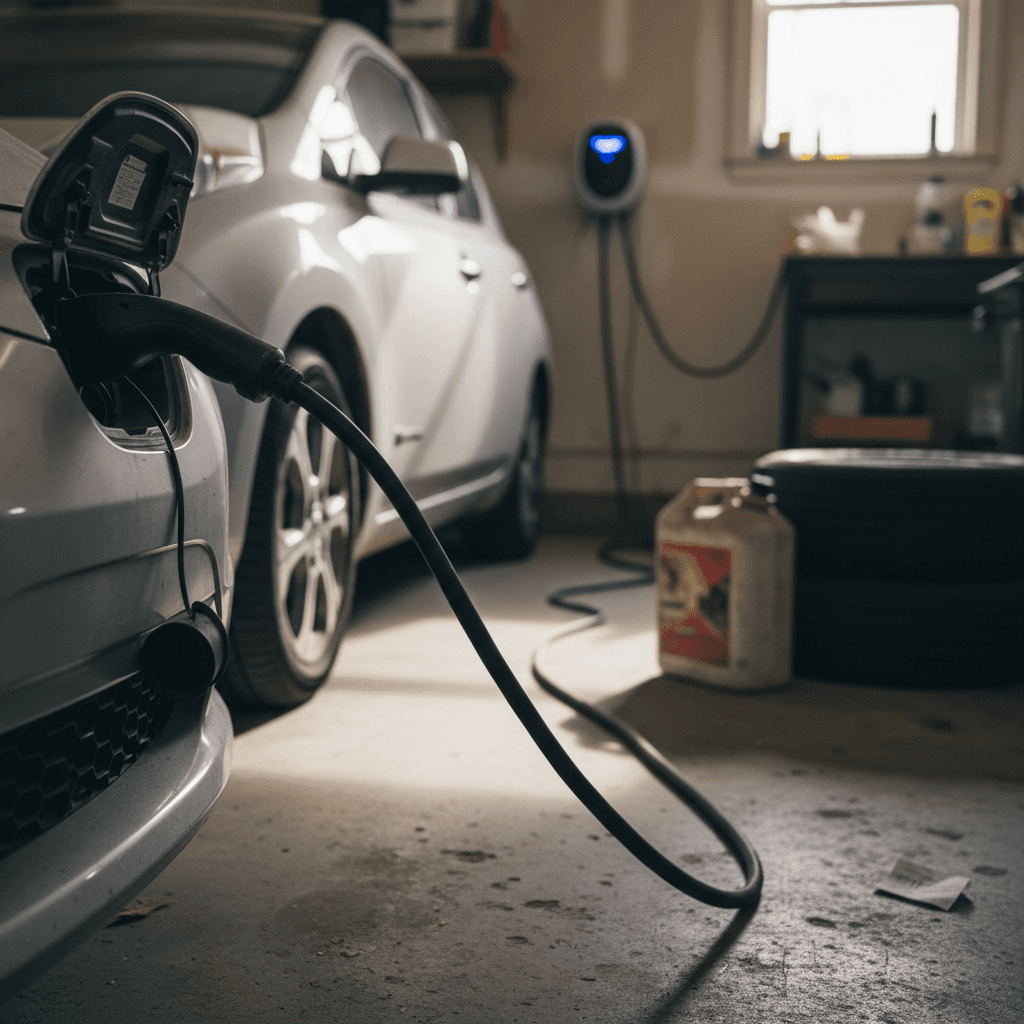
Why battery health reporting matters
New vs used EQS: how depreciation changes the game
If you’re trying to rationalize a new EQS, the 5‑year cost numbers are a tough audience. But slide into the used market, and the story brightens. Because the first owner eats that early drop, the long‑term ownership cost of a 2–4‑year‑old EQS can undercut a new one by tens of thousands over the same time horizon.
Key differences: new vs used EQS ownership costs
1. Upfront price vs. depreciation
New EQS: higher sticker, bigger immediate depreciation. Used EQS: you pay less upfront and lose value more slowly, so each mile costs you less in depreciation.
2. Warranty coverage
New: full warranty from day one. Late‑model used: still often under battery and sometimes bumper‑to‑bumper coverage, especially at low mileage. Verify remaining term and miles.
3. Financing and insurance
Lenders and insurers both price risk around vehicle value. A lower‑priced used EQS can mean friendlier monthly payments and softer insurance quotes, all else equal.
4. Technology and updates
The EQS is so tech‑heavy that even a 2‑ or 3‑year‑old car feels modern. Over-the-air updates and Mercedes’ long product cycles mean you’re not stepping into an antique.
Where Recharged fits in
What EQS ownership really costs: two example scenarios
Let’s roll up all these line items into two hypothetical cases: one new EQS, one used EQS bought after the big depreciation hit. These aren’t quotes; they’re directional sketches to help you think in orders of magnitude.
Illustrative 5‑year EQS ownership scenarios
Rounded, example-only scenarios for typical U.S. drivers at 15,000 miles per year.
| Scenario A: New EQS (high trim) | Scenario B: 3‑year‑old EQS (similar trim) | |
|---|---|---|
| Purchase price today | $115,000 | $70,000 |
| Estimated 5‑year depreciation | $60,000 | $30,000 |
| Electricity (home‑biased charging) | $4,000 | $4,000 |
| Insurance (avg/year) | $5,000 → $25,000 | $3,800 → $19,000 |
| Maintenance & wear | $8,000 | $8,000 (later in lifecycle) |
| Repairs out‑of‑warranty | $3,000 | $4,000 (more years out of warranty) |
| Fees & taxes | $7,000+ | $4,000+ |
| Approx. 5‑year total | ~$112k–$120k | ~$79k–$85k |
The used scenario shows why letting someone else take the first‑owner hit can be financially attractive.
Scenario A: The early adopter
You buy new, pay full freight, and enjoy every mile from day one. Your EQS experience is peak‑luxury, warranty‑cushioned, and technologically up to the minute, but the price of that privilege shows up as a six‑figure 5‑year cost, most of it in depreciation.
Scenario B: The pragmatist
You let someone else be the beta tester and buy at three years old. Your running costs, electricity, maintenance, are similar, but your depreciation is almost halved. Long‑term, this is the path that maximizes EQS per dollar, especially if you buy a car with documented battery health and a clean history.
How Recharged helps you lower EQS ownership costs
The difference between a dream‑car EQS and a financial migraine isn’t just the car you pick; it’s how you buy it. This is where a used‑EV‑focused marketplace like Recharged can stack the odds in your favor.
Ways Recharged can improve your EQS cost of ownership
Especially if you’re shopping in that 2–5‑year‑old sweet spot.
Recharged Score battery health
Every vehicle on Recharged comes with a Recharged Score Report that includes verified battery diagnostics. On a high‑value EV like the EQS, knowing how the pack has aged makes a huge difference in your comfort with long‑term ownership.
Fair market pricing
Recharged benchmarks vehicles against the used EV market so you’re not guessing whether that EQS’s asking price already bakes in realistic depreciation. Transparent pricing helps you model 5‑year costs with fewer surprises.
End‑to‑end EV support
From financing and trade‑in or consignment to nationwide delivery, Recharged’s EV‑specialist team can walk you through charger installation, battery health, and real‑world energy costs, not just the glossy brochure numbers.
Ready to find your next EV?
Browse VehiclesRun your own EQS cost-of-ownership math
FAQ: Mercedes EQS long-term ownership costs
Frequently asked questions about EQS ownership costs
The Mercedes‑Benz EQS is not a rational car; it’s an electric flagship with a spa‑grade interior and range numbers that would have sounded like science fiction ten years ago. Long‑term ownership cost brings it back to earth: depreciation and insurance loom large, while electricity and basic maintenance are pleasantly tame. If you buy new, you’re paying for the privilege of being first. If you buy used, especially through an EV‑focused marketplace with real battery data like Recharged, you’re harvesting someone else’s sunk cost. Either way, the EQS can be a deeply satisfying daily driver, as long as you go in with eyes wide open and a spreadsheet in hand.