If you live anywhere that sees real winters, you’ve probably heard the advice: **“make sure your EV has a heat pump.”** But when you start shopping it quickly turns into a guessing game: which EVs have a heat pump, which trims include it, and how much does it actually help your range?
Key takeaway
Why heat pumps matter in EVs
Any EV will lose range in cold weather, mostly because batteries are less efficient and cabin heating is energy‑hungry. Traditional **PTC resistance heaters** warm the cabin the way a giant toaster does: by turning electricity directly into heat, which is simple but power‑hungry. A **heat pump** works like a reversible air conditioner, moving heat instead of creating it. In independent testing and real‑world use, that makes it **2–3 times more efficient** than resistance heat at many temperatures, so your **winter range drops less and recovers faster** on longer drives.
Heat pump vs. resistance heater: what it means on the road
How an EV heat pump works vs resistance heating
Resistance heater (what many early EVs used)
- Works like an electric space heater: electricity flows through elements that get hot.
- Simple and cheap, but typically 1 kW in, 1 kW of heat out.
- At highway speeds in cold weather, the heater alone can draw 3–6 kW continuously.
On a 60–80 kWh pack, that’s a big bite out of your usable range.
Heat pump (what newer EVs increasingly use)
- Basically an AC system run in reverse: moves heat from outside air and from the powertrain/battery into the cabin.
- Often delivers 2–3 kW of heat per 1 kW of electricity in moderate cold.
- Modern systems (like Tesla’s "Octovalve" or Hyundai’s integrated HVAC) also share heat with the battery and drive units.
That extra efficiency means more of your battery is available to move the car, not just heat it.

Heat pumps still have limits
Major EV brands that use heat pumps
Almost every automaker now offers a heat pump on at least some EVs. The trick is that availability often depends on **model year, market, and trim level**. Below is a U.S.-focused snapshot as of 2026 to help you narrow things down before you ever walk into a showroom, or browse used EV listings on Recharged.
Tesla models with heat pumps
Tesla was late to the heat‑pump game but now leans on it heavily. The first Tesla with a heat pump was the **Model Y**, and the company has gradually rolled the tech across the lineup:
- **Model Y** – All U.S. Model Y versions (Long Range, Performance, and more recent Standard Range variants) use a heat pump for cabin heating.
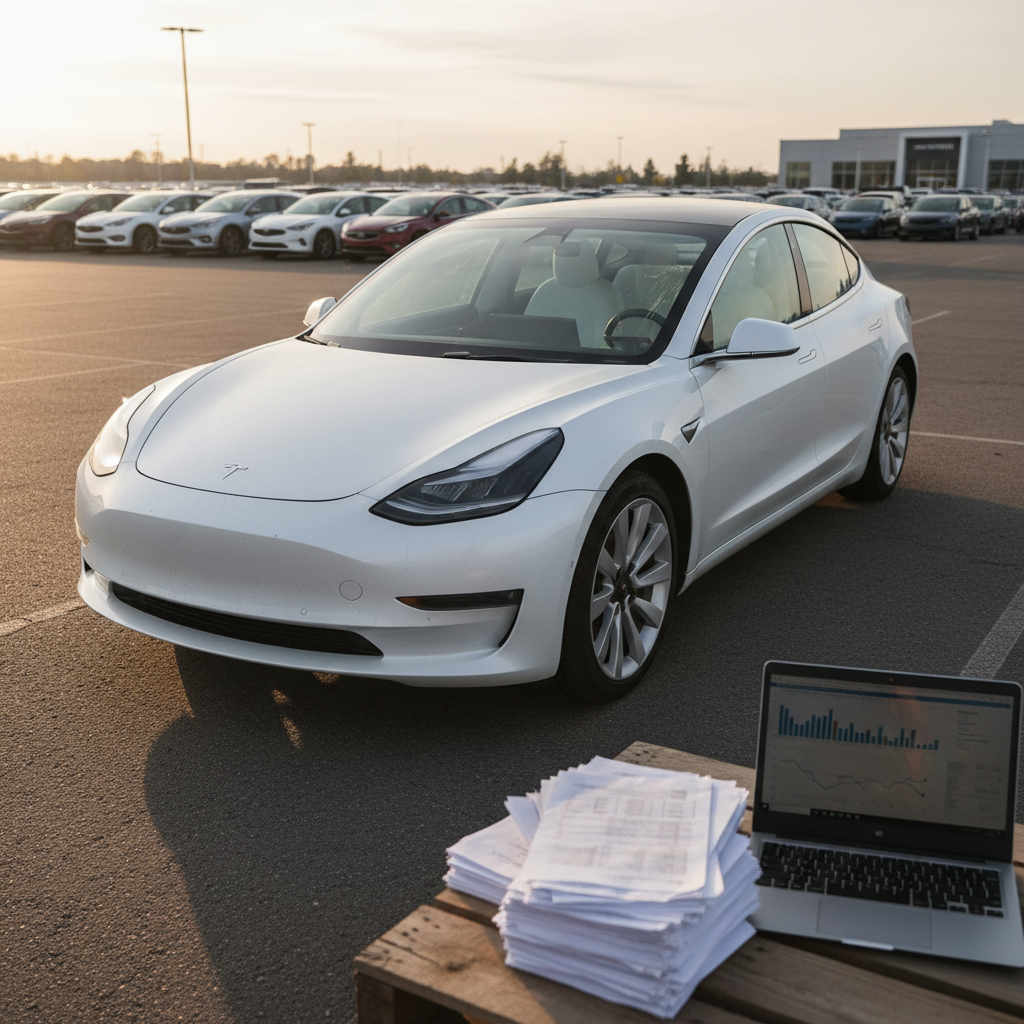
- **Model 3** – Early Model 3s used resistance heaters. From the 2021 refresh onward, U.S. Model 3s share the heat‑pump system introduced with the Model Y. If you’re shopping used, 2021+ is the safe rule of thumb for a factory heat pump.
- **Model S & Model X** – Refreshed 2021+ S and X use a heat‑pump based thermal system. Earlier cars relied mainly on resistance heating.
Quick Tesla buying shortcut
Hyundai & Kia EVs with heat pumps
Hyundai and Kia leaned into sophisticated thermal systems early, especially on their E-GMP platform vehicles. Availability still varies by trim, but by 2025–2026, heat pumps are increasingly common:
Hyundai & Kia EVs commonly offering heat pumps (U.S., recent model years)
Always verify trim and equipment for the exact model year you’re shopping, especially on earlier used examples.
| Model | Typical heat pump availability (U.S.) | Notes |
|---|---|---|
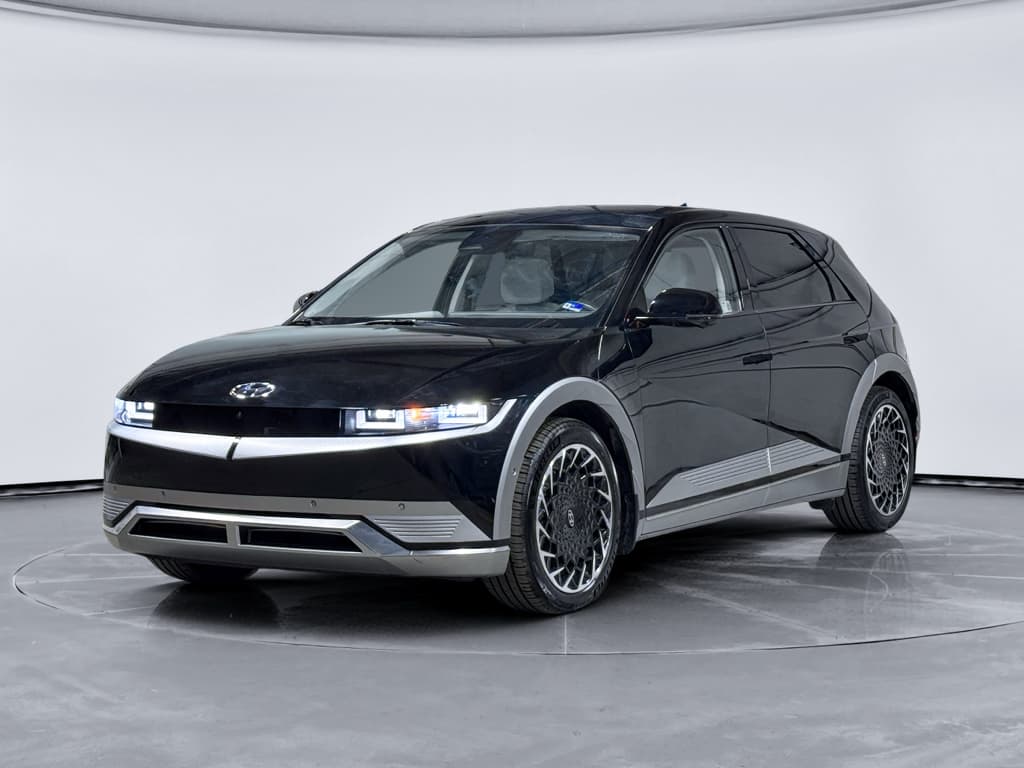
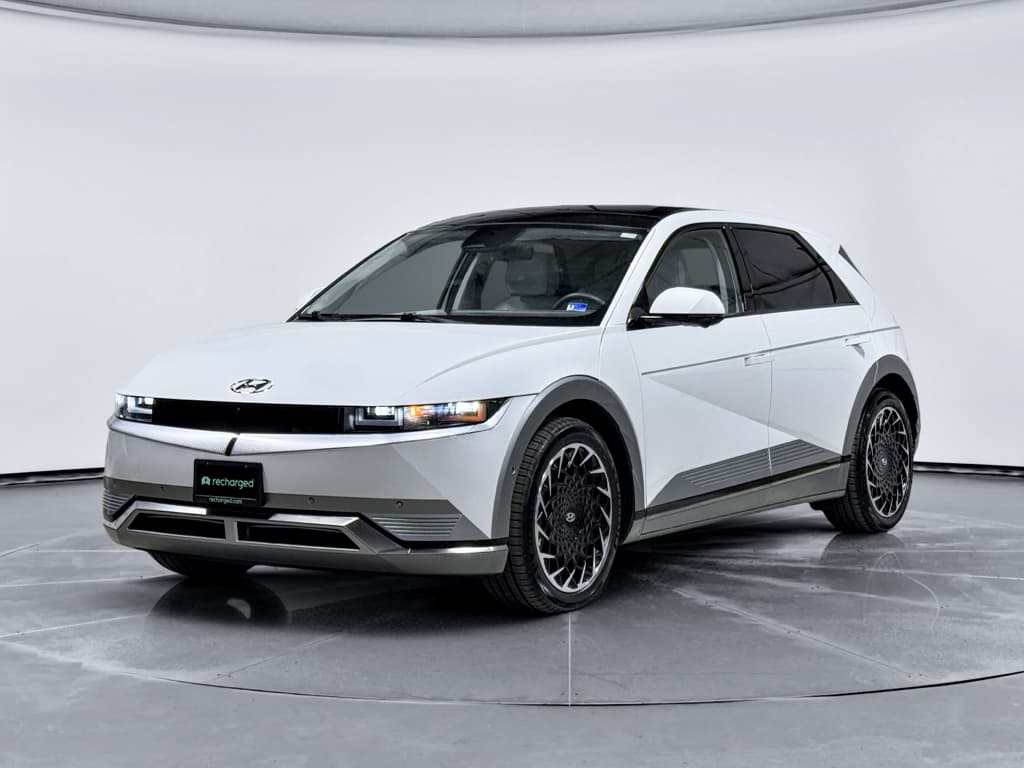
| Hyundai Ioniq 5 (2025–2026) | Widely available, including SE, SEL, Limited and AWD trims | Recent specs show most trims, including many RWD versions, equipped with a heat pump; earlier years were more trim‑dependent. |
| Hyundai Ioniq 6 | Standard on most trims except some early Standard Range versions | In the U.S., 2024+ SE, SEL, Limited long‑range trims commonly include a heat pump; base SE Standard Range may not. |
| Hyundai Kona Electric (2nd gen) | Available on higher trims / cold‑weather packages | Earlier Kona EVs often used resistance heat only in the U.S.; newer redesigns are more likely to include heat pumps on upper trims. |
| Kia EV6 | Available on many trims, often bundled with AWD or cold-weather packages | AWD and upper trims are the safest bet; some RWD trims in warm‑weather markets ship without a heat pump. |
| Kia EV9 | Heat pump commonly included on U.S. AWD and higher trims | Given its size and three‑row mission, Kia tends to pair the EV9 with robust thermal systems, but verify equipment on lower trims. |
Check window stickers or build sheets, especially on 2022–2024 models, because some lower trims and warmer‑climate configurations skipped the heat pump.
Why the trim and region matter
Other popular EVs that offer heat pumps
Beyond Tesla, Hyundai, and Kia, a growing list of EVs have either made heat pumps standard or offer them on specific trims:
Examples of EVs that offer heat pumps (recent U.S. model years)
Not exhaustive, but a useful map of where to start if winter efficiency is a priority.
Ford & GM
- Ford F‑150 Lightning: certain trims add a heat pump as Ford refines its thermal system.
- Ford Mustang Mach‑E: some later model years and higher trims offer heat‑pump‑style systems in North America.
- GM Ultium EVs: GM has said Ultium‑based EVs (e.g., Cadillac Lyriq, Chevy Blazer EV) incorporate heat‑pump‑like energy recovery for cabin heating.
Luxury & premium EVs
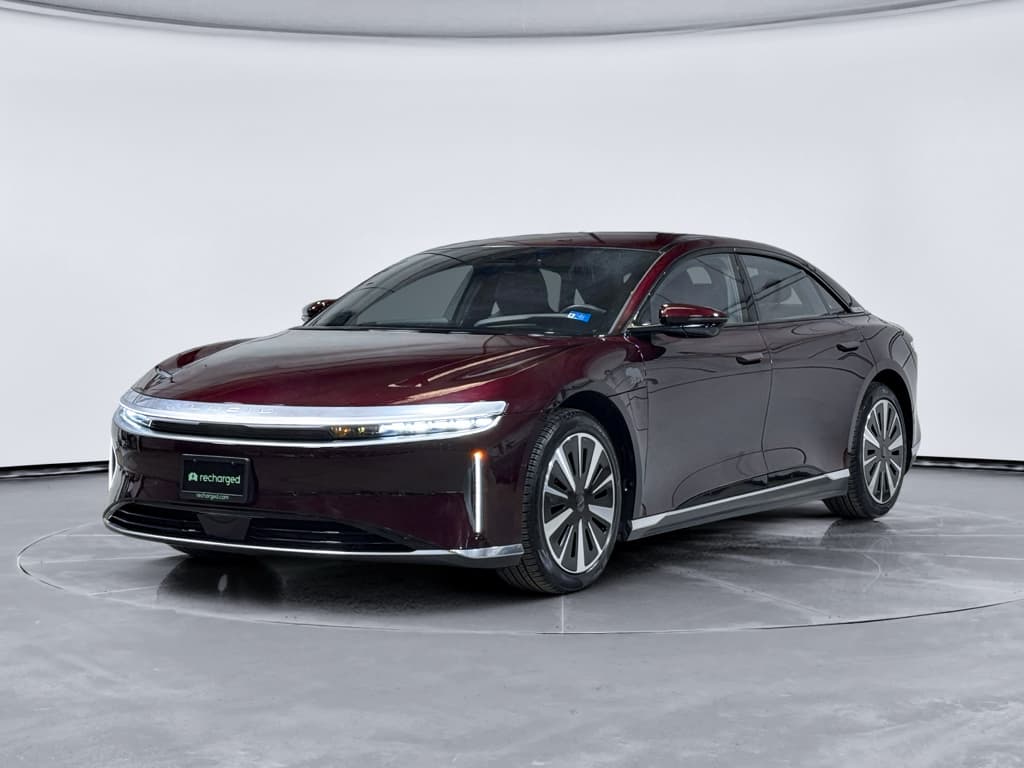
- Lucid Air: higher‑end trims like Sapphire and updated Grand Touring use a heat pump to protect range in cold climates.
- Mercedes EQE/EQS: many trims use heat pumps or highly integrated thermal systems.
- BMW i4, iX, iX1/iX3 (where offered): BMW has widely adopted heat pumps in its newer battery‑electric lineup.
Early adopters & compact EVs
- Nissan Leaf: heat pump available on certain trims since the previous generation.
- Renault Zoe, BMW i3, Jaguar I‑Pace, Audi e‑tron, Kia Niro EV: among the earlier EVs to offer factory heat pumps, especially in Europe.
- Availability in the U.S. may be **trim‑ and year‑specific**, particularly on older used examples.
EVs that typically do not have a heat pump
Some EVs still rely mostly or entirely on resistance heating in U.S. spec, especially at the lower end of the market or in older model years. That doesn’t make them bad cars, but you should expect **sharper winter range loss** and more frequent fast‑charging on long cold‑weather trips.
- Many earlier **Nissan Leaf**, **Chevy Bolt EV/EUV**, **VW e‑Golf**, and first‑generation compliance EVs shipped without heat pumps in the U.S., or only offered them on a few upper trims or Euro‑market versions.
- Some **entry‑level trims** of otherwise advanced EVs, like base versions of Kona Electric or Ioniq 5/6 in early years, skipped the heat pump to hit a lower price point.
- Plug‑in hybrids (PHEVs) often rely more on engine waste heat once the engine is running, so their electric heating strategies can be quite different.
Don’t assume your EV has a heat pump
How to tell if a specific EV has a heat pump
Because equipment varies so much by trim and year, the only reliable way to answer “does this EV have a heat pump?” is to **check this specific car**. Here’s how to do that without needing an engineering degree.
Step-by-step: confirming a heat pump on a particular EV
1. Check the window sticker or build sheet
Look for terms like <strong>“heat pump,” “cold-weather package,” “thermal pump,”</strong> or specific package codes. On used EVs, the original Monroney or a dealer build sheet is often your best official source.
2. Use the VIN in manufacturer tools
Many automakers let you pull an equipment list or build sheet using the VIN on their owner portals. That’s especially helpful if you’re buying from a third-party seller with limited documentation.
3. Look for HVAC clues in the owner’s manual
Search the PDF manual for “heat pump,” “pump,” or “heat exchanger.” Some brands document separate procedures for heat‑pump vs. non‑heat‑pump vehicles.
4. Ask for under‑hood photos
On some models, enthusiasts can recognize a heat pump by extra refrigerant lines, valves, or a more complex HVAC assembly. You don’t need to be an expert, forums can often confirm if you share clear photos.
5. Cross‑check with reputable spec databases
Sites that specialize in EV specs and trims can help you quickly see whether a specific model year + trim <em>typically</em> includes a heat pump. Use this as a cross‑check, not the only source.
6. Lean on expert marketplaces
On Recharged, every used EV goes through a detailed equipment and **battery health** check. A Recharged specialist can help you confirm whether a car will deliver the winter performance you’re expecting before you buy.
Is a heat pump worth it for you?
Whether you *need* a heat pump comes down to how and where you drive. It’s not a magic bullet, but it’s one of the few EV features that can **pay you back in efficiency, comfort, and time saved at chargers**, especially if you rely on your EV in harsh winters.
When a heat pump is (and isn’t) a must-have
Think about your climate, driving pattern, and charging access rather than chasing specs on paper.
Heat pump is close to a must-have if…
- You regularly see sub‑freezing temps and drive long distances in winter.
- You road‑trip in cold weather and don’t want to add extra fast‑charge stops.
- You park outside overnight and depend on preconditioning for comfort and defrosting.
- Your EV’s usable range is already just enough for your winter commute.
You can live without it if…
- You live in a mild climate (think large parts of California or the Southeast U.S.).
- Most trips are short city drives where you can charge easily at home or work.
- You’re getting a fantastic deal on a used EV that otherwise fits your needs.
- You’re okay trading more frequent winter charging for a lower purchase price.
Where the economics usually land
Heat pumps and used EVs: what to watch for
Used EVs are where heat‑pump confusion really spikes: model‑year changes, mid‑cycle updates, regional packages, and incomplete listings all collide. That’s also where a smart buyer can find bargains, if you know what to look for.
1. Prioritize thermal systems over brochure range
EPA range ratings are measured in controlled conditions. In the real world, a slightly smaller‑battery EV with a well‑designed heat pump can outperform a larger‑battery EV with crude resistance heating once the temperature drops.
When comparing used EVs, ask: “How does this car manage heat?”, not just “What’s the headline range?”
2. Use third‑party reports and diagnostics
Beyond equipment lists, you want to know how the battery has aged and whether the thermal system is doing its job.
Every EV sold on Recharged includes a Recharged Score battery and thermal‑health report, based on on‑car data and diagnostics. That gives you a realistic view of cold‑weather performance, not just whatever the window sticker said when the car was new.
Used EV inspection tip
FAQ: EVs with heat pumps
Frequently asked questions about EV heat pumps
Bottom line: choosing an EV with a heat pump
If you’ve been trying to figure out **which EVs have a heat pump**, the big picture is simple: almost every modern EV platform supports one, but **not every trim and year actually includes it**. Tesla’s newer lineup, Hyundai’s Ioniq family, Kia’s E-GMP models, Ford and GM’s latest trucks and crossovers, and many luxury EVs all lean on heat pumps to tame winter range loss. The real work is confirming that the specific car you’re buying, or selling, has the hardware.
For drivers in cold or variable climates, a heat pump is one of the few line‑items that can genuinely **improve real‑world range, comfort, and charging time**. When you’re browsing used EVs on Recharged, treat it the way you’d treat battery size or fast‑charging capability: a core spec to verify, not a footnote. And if you’re unsure, a Recharged specialist can walk you through how a given vehicle will behave in your climate so you end up with an EV that fits your life, not just the brochure.