If you’re wondering which EVs get over-the-air updates, you’re really asking a deeper question: “Which electric cars will keep getting better after I buy them?” For EVs, software isn’t a side dish; it’s the main course. The right car can gain range, features, and safety improvements while it sits in your garage. The wrong one can feel outdated in just a few years.
Quick answer
Why over-the-air updates matter so much for EVs
Traditional cars change slowly. Electric vehicles are different: the motors, battery, charging behavior, safety systems, and infotainment are all governed by software. Over-the-air (OTA) updates let automakers patch bugs, add features, and sometimes improve performance without a service visit. For a used-EV shopper, that can be the difference between owning a static appliance and owning a car that evolves every few months.
What OTA updates can change on an EV
These areas are most commonly improved after you buy the car
Battery & charging
- Charge curve and peak DC fast-charge speed
- Preconditioning logic for faster fast-charging
- Range estimates and state-of-charge accuracy
Safety & driver assist
- Tuning for lane centering or adaptive cruise
- Added collision-avoidance features
- Improved camera and radar performance
Infotainment & UX
- New apps and media features
- Navigation updates and EV routing
- Interface redesigns and bug fixes
Used-buyer tip
How EV over-the-air updates actually work
Every OTA-capable EV has an embedded modem that connects to the internet via cellular data, Wi‑Fi, or both. The automaker pushes a signed software package to the car, the car verifies it, and then it writes that software to one or more electronic control units (ECUs). Some brands only update the infotainment ECU; others can touch nearly every module, from the battery management system to brake controllers.
Shallow OTA (infotainment only)
- Updates maps, apps, and sometimes instrument cluster graphics
- May still require dealer visits for powertrain or safety issues
- Common on early-generation EVs and legacy brands
Deep OTA (vehicle-wide)
- Can change battery, charging, and motor behavior
- Can address safety recalls and add new driver-assist features
- Typical of Tesla, Rivian, Lucid and newer “software-defined” platforms
Not all OTA is created equal
Which brands lead in EV over-the-air updates?
Here’s a brand-level snapshot focused on EVs available, or soon to be available, in the U.S. used market. We’ll dive into specific vehicles in the next section.
OTA strength by major EV brand
Generalized view for late-2010s through mid-2020s models commonly found used
| Brand | Overall OTA strength | Typical depth | Notable EVs |
|---|---|---|---|
| Tesla | Leader | Vehicle-wide (powertrain, charging, safety, UX) | Model 3, Model Y, Model S, Model X |
| Rivian | Leader | Vehicle-wide | R1T, R1S |
| Lucid | Leader | Vehicle-wide, frequent feature adds | Air, Gravity |
| Hyundai | Strong, improving | Powertrain + infotainment on E‑GMP | Ioniq 5, Ioniq 6, Kona Electric (new gen) |
| Kia | Strong, improving | Powertrain + infotainment on E‑GMP | EV6, EV9 |
| Volkswagen Group | Mixed but improving | Infotainment and some driving systems | VW ID.4, Audi Q4 e‑tron, Q8 e‑tron, Porsche Macan Electric |
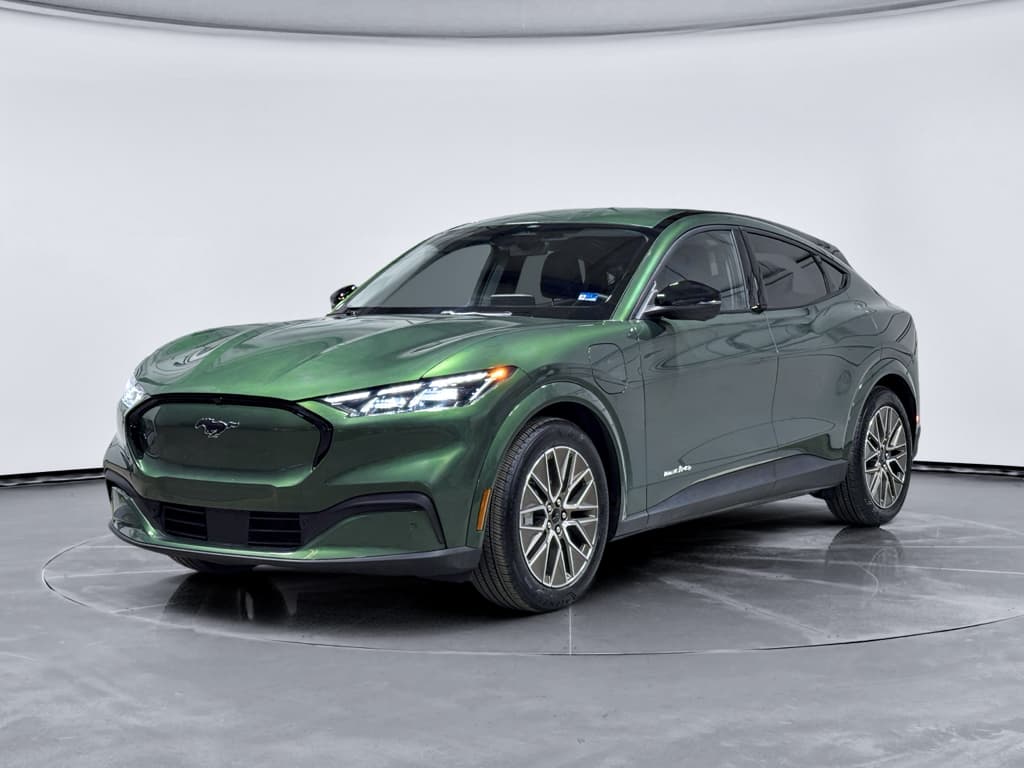
| Ford | Strong on newer EVs | Powertrain + infotainment (“Power-Up”) | F‑150 Lightning, Mustang Mach‑E |
| GM (Ultium) | Growing rapidly | Platform-wide on new Ultium EVs | Blazer EV, Equinox EV, Silverado EV, Cadillac Lyriq, Escalade IQ |
| Volvo / Polestar | Solid | Core vehicle systems + Google-based infotainment | Volvo XC40/C40/EX30/EX90, Polestar 2, 3 |
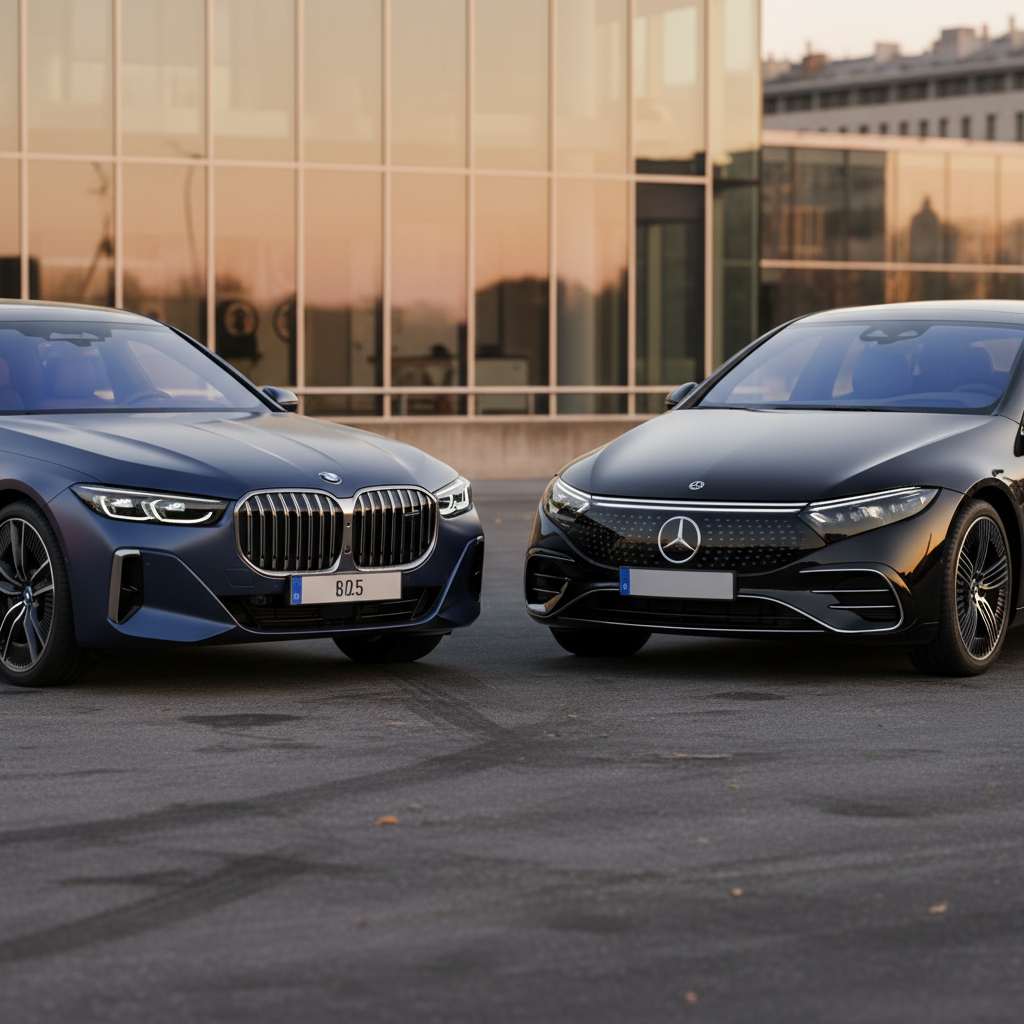
| Mercedes, BMW | Strong on newer EVs | Vehicle systems plus UX | Mercedes EQ family, BMW i4/i5/iX |
| Nissan, Toyota, others | Emerging / limited | Mostly infotainment on older EVs | Nissan Ariya, newer Leafs, upcoming Toyota EVs |
Always verify capabilities for the exact model year and trim you’re buying.
Legacy brands are catching up
EVs widely known for strong over-the-air updates
This isn’t every EV with OTA capability, but it covers the models most widely recognized for meaningful, frequent updates, especially important if you’re considering a used example.
Core EVs with robust OTA track records
These models are often cited by owners for impactful software updates
Tesla lineup
Model 3, Model Y, Model S, Model X
- Among the first “software-first” cars
- Updates routinely change charging curves, efficiency, and Autopilot behavior
- New features roll out years after purchase (games, Sentry Mode, UI redesigns)
Rivian R1T & R1S
- Frequent OTA updates for drive modes, off‑road capability, and driver assist
- Added features like “Camp Mode” and improved trip planning over time
- Software still maturing, but update cadence is brisk
Lucid Air & Gravity
- Lucid pushes UX and powertrain tweaks via OTA
- Updates have added dashcam-style recording and improved charging behavior
- Positioned very much as a software-defined luxury EV
Hyundai Ioniq 5 & 6, Kia EV6 & EV9
- E‑GMP platform supports OTA for key systems
- Kia EV9 is a flagship for deep OTA and paid feature unlocks
- Updates have refined charging, HVAC, and driver-assist performance
Ford Mustang Mach‑E & F‑150 Lightning
- Ford’s “Power‑Up” updates touch BlueCruise, charging, and infotainment
- Owners have seen range estimate improvements and bug fixes over time
- Some early teething issues, but the pipeline is there
VW ID.4, Audi Q4 e‑tron & Q8 e‑tron
- Volkswagen Group moved aggressively toward OTA after early software woes
- Audi Q4 e‑tron gained OTA capability and charging enhancements with a major software update
- Expect ongoing refinement rather than dramatic new features
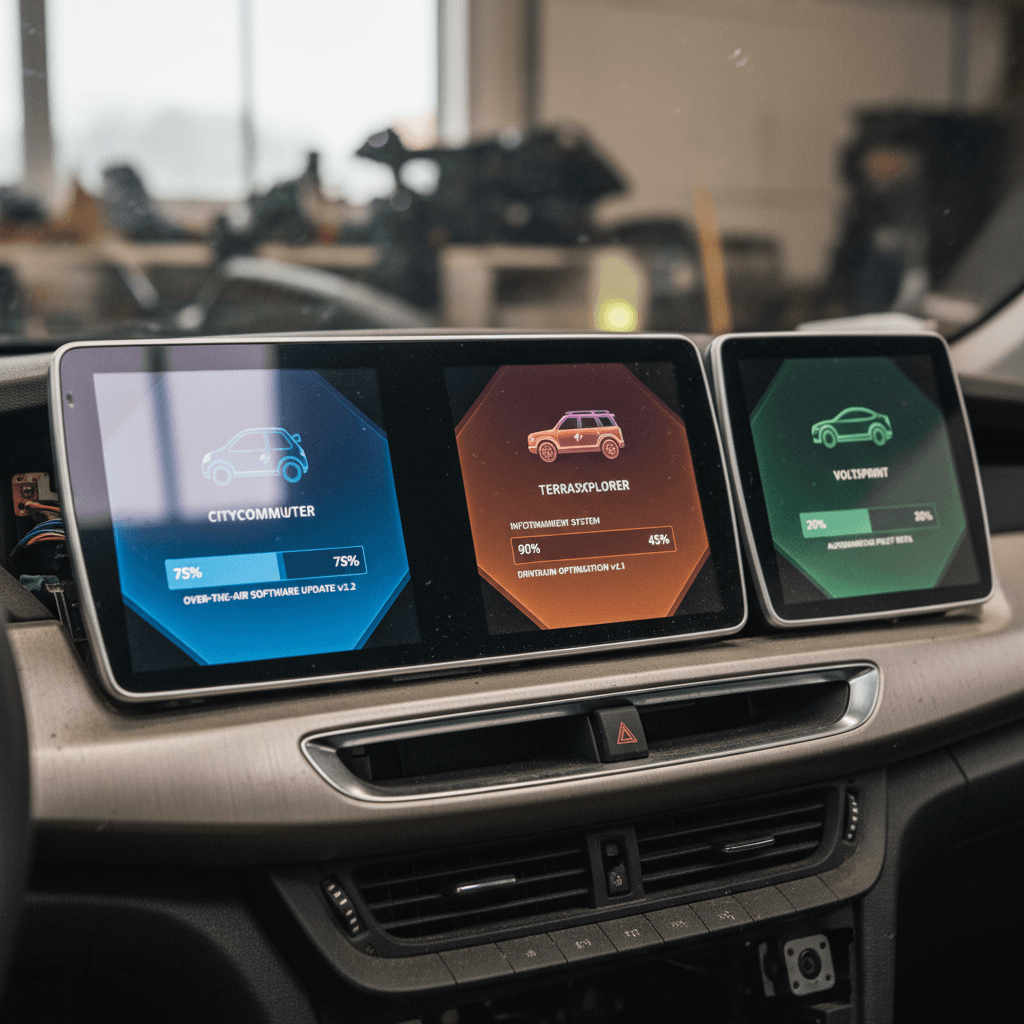
Why OTA should matter to a used-EV shopper
Models with limited or “emerging” OTA capabilities
Many EVs advertise OTA, but in practice they focus mainly on maps and multimedia. Others are in transition to deeper, platform-wide updates. That doesn’t make them bad cars, it just changes what you can reasonably expect over time.
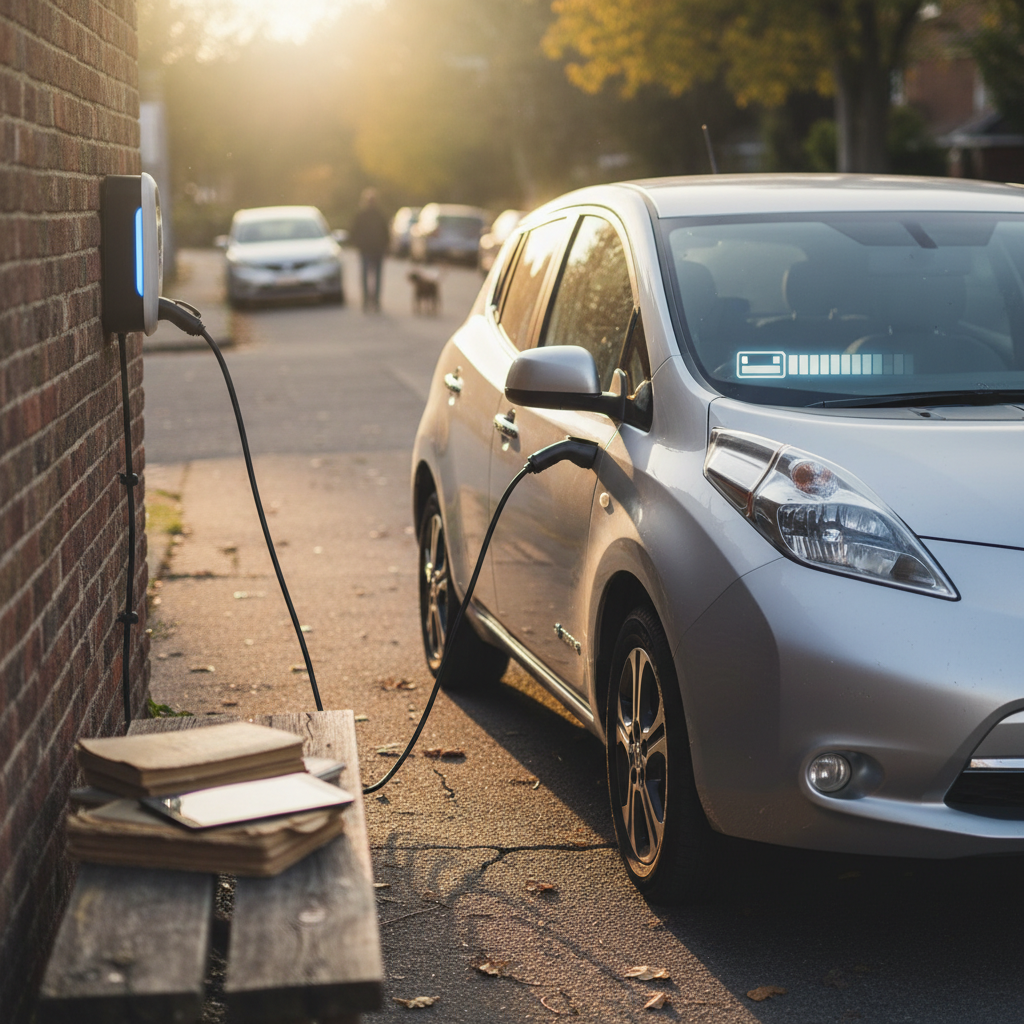
- Nissan Leaf (earlier generations): OTA has historically focused on telematics and infotainment; major firmware updates often required dealer visits. The upcoming new-generation Leaf and the Ariya move toward more capable software platforms.
- Earlier Hyundai/Kia EVs (pre–E‑GMP): Kona Electric and Niro EV can receive some updates, but they weren’t conceived as fully software-defined vehicles.
- Legacy luxury EVs (early Jaguar I‑Pace, first‑gen Audi e‑tron): Limited OTA functionality; some important updates, including improved range or charging curves, were delivered via the dealer.
- New Toyota and Honda EVs: Both brands are ramping up software efforts. Newer platforms support more OTA, but depth and frequency still lag behind leaders.
Don’t write off a car for light OTA
Risks, recalls, and OTA horror stories
Most updates are boring, in a good way. They download overnight, you tap “Install,” and you’re done. But every so often, an update introduces new bugs or, in worst cases, strands vehicles until a fix arrives. A recent high-profile example involved a plug‑in hybrid SUV whose OTA telematics update left some owners with non‑drivable vehicles until the automaker rolled out a corrective patch.
Remember: your car is now a connected device
How to protect yourself around OTA updates
Confirm a strong connection
Prefer home Wi‑Fi or a reliable cellular signal so the full update package can download without interruption.
Install when you don’t need the car
Start updates at night or when you have another way to get where you’re going, just in case it takes longer than expected.
Scan owner forums first
For popular EVs, owner communities often report early on whether a new update is smooth or glitchy.
Keep your account info current
Make sure your app login and vehicle credentials are up to date so you can see update notices and release notes.
Buying used: how to check OTA status on a specific EV
When you’re staring at a used EV listing, you won’t see a big “OTA-ready” badge. You have to do a bit of homework. The good news: once you know what to ask, it’s straightforward, and it’s exactly the kind of thing Recharged builds into our inspection and reporting process.
Used-EV OTA evaluation checklist
Use this when you’re evaluating a specific car, trim, and year.
| What to check | How to check it | Why it matters |
|---|---|---|
| Does this model year support OTA at all? | Search the exact year/trim + “over-the-air updates.” | Some early years don’t support OTA even if later ones do. |
| Is connected services/subscription active? | Ask the seller; check connectivity screen in the car. | If connectivity has lapsed, updates may be blocked until you re‑enable it. |
| Last installed software version/date | Open the software/about screen in the vehicle. | A car that hasn’t updated in years may need a long first update, or a dealer visit. |
| Brand’s OTA reputation | Browse owner forums and brand support pages. | You want a track record of regular, helpful updates, not chaos. |
| Any update-related recalls? | Check the VIN on the NHTSA recall site or the automaker’s site. | Ensures you’re not inheriting a known software problem that hasn’t been fixed. |
If you’re buying through Recharged, many of these checks are already reflected in the Recharged Score Report and listing details.
How Recharged helps
Ready to find your next EV?
Browse VehiclesHow OTA updates tie into battery health and range
For EVs, the big-dollar component is still the battery pack. OTA updates can’t magically restore a worn battery, but they can change how the battery is used, how it charges, and how the car estimates remaining range. That’s why you’ll sometimes hear owners say that their car gained a few miles of rated range or holds peak fast‑charge power a bit longer after an update.
What OTA can do for the battery
- Refine the battery management system (BMS) to better protect long‑term health
- Adjust charging curves for faster DC fast‑charging within safe limits
- Improve thermal management, especially around rapid charging and extreme weather
What OTA can’t do
- Reverse long‑term degradation or abuse
- Turn a 200‑mile EV into a 300‑mile EV overnight
- Fix physical issues like damaged cells or cooling plates
Cold-weather bonus
Where OTA is headed next
By the late 2020s, most new EVs will be built on so‑called software‑defined vehicle platforms. Instead of dozens of isolated control units, they’ll use centralized computers designed from day one to be updated over the air. That shift will blur the line between a 2‑year‑old and a 5‑year‑old car in ways we haven’t seen before.
What to expect from OTA over the next few years
For everyday drivers
More seamless navigation that blends charging, traffic, and weather in real time
Incremental improvements to driver-assistance systems without dealer visits
More personalization, profiles, themes, and settings that follow you between vehicles
For used-EV shoppers
Clearer documentation of software history alongside service history
Stronger links between OTA status, warranty coverage, and resale value
Expanded tools (and marketplaces like Recharged) that surface OTA capabilities in vehicle listings
The days when a car left the factory and never really changed are over. For EV buyers, the question isn’t just what the car can do today, it’s what the car’s software platform will let it do tomorrow.
If you’re trying to decide which EVs get over-the-air updates, remember that you’re really comparing software philosophies as much as hardware. Tesla, Rivian, Lucid, Polestar, Hyundai, Kia, Ford, Volkswagen Group, GM’s newer Ultium models, and the latest luxury entries from Mercedes, BMW, and Volvo have all embraced OTA in a meaningful way. Others are catching up fast. When you’re shopping used, take the time to confirm what’s actually updatable on the exact year and trim you’re eyeing, and don’t hesitate to lean on tools like the Recharged Score Report and EV‑specialist guidance. A little homework now can give you an electric car that keeps getting better for years after you bring it home.