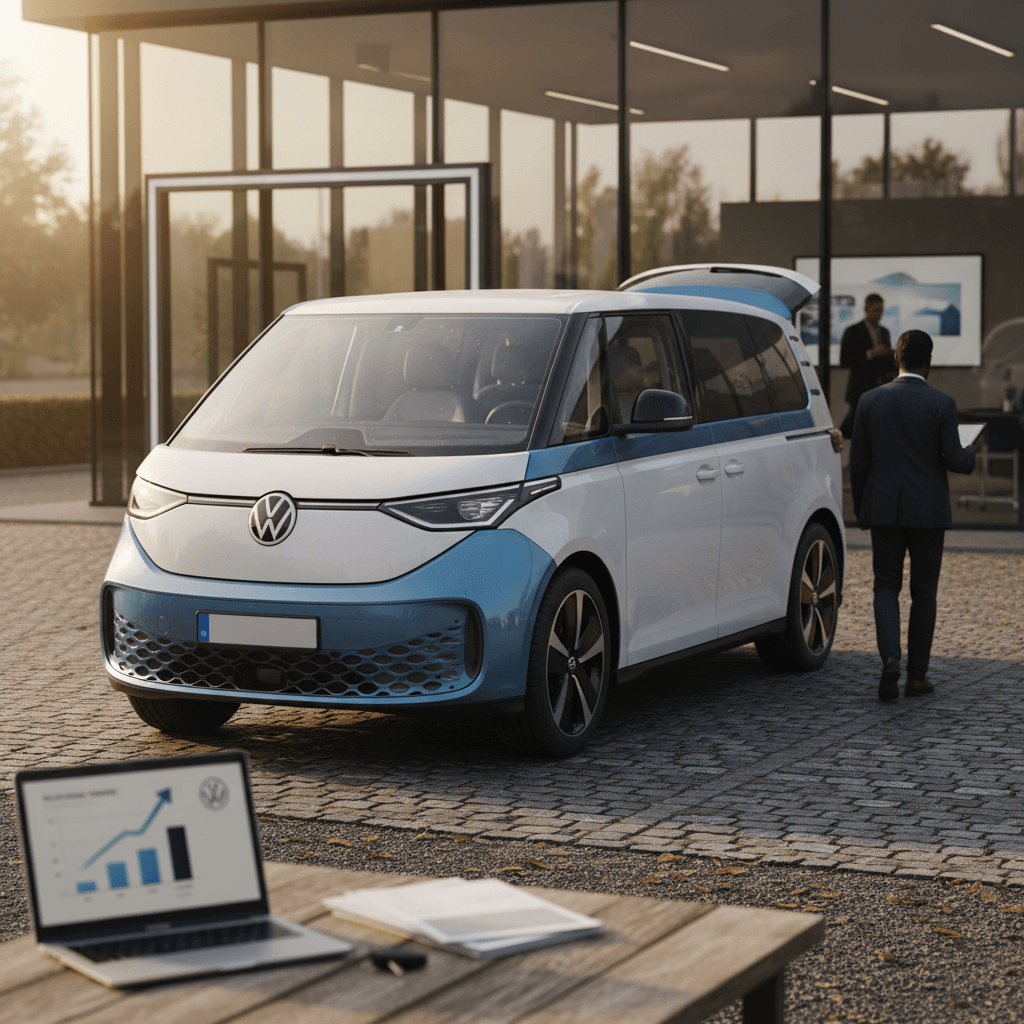
If you’re trying to figure out where to sell a used Volkswagen ID. Buzz, you’re in a very particular club. The Buzz is rare, polarizing, and sitting in the blast radius of a cooled‑off EV market. That combination means you can either sell it smart and keep thousands, or hand your adorable electric bus to the first dealer who shrugs and says, “Yeah, market’s soft.”
A quick reality check
Why selling a used Volkswagen ID. Buzz is different
1. It’s a niche, emotional purchase
The ID. Buzz is not a rational car. It’s a rolling nostalgia bomb with sliding doors. Some shoppers want a three‑row EV; a smaller, louder group specifically wants this electric van. That split means mainstream channels often undervalue the Buzz, while enthusiast and EV‑centric platforms may pay closer to what it’s actually worth.
2. The EV market is in a weird moment
Since late 2024, EV demand in the U.S. has cooled, incentives have shifted, and VW has paused U.S. Buzz sales instead of rolling out a 2026 model. Discounts on new inventory and headlines about EV “price cuts” feed straight into what appraisers think your used Buzz is worth, whether they understand the vehicle or not.
Why this matters for you
How much is my used ID. Buzz worth right now?
We’re still in the early innings for U.S. Buzz resale, but there are some signals. New 2025 ID. Buzz vans have carried MSRPs in the low‑ to mid‑$60,000s, with advertised discounts and dealer cash on remaining stock. Trade‑in and wholesale appraisal tools are already showing mid‑$40k to mid‑$50k numbers for clean 2025 models with normal miles, often less if the buyer is nervous about EVs or battery health.
Early U.S. ID. Buzz value signals (2025–2026)
Start with a reality check, not a fantasy
6 main places you can sell a used Volkswagen ID. Buzz
You really have six buckets to choose from. The right one depends on how fast you need to sell, your tolerance for hassle, and whether you’re okay leaving money on the table in exchange for convenience.
Your Volkswagen ID. Buzz selling options at a glance
From easiest to most work, roughly
1. Volkswagen & franchise dealers
Pros: Fastest if you’re trading into something else; they can handle paperwork, payoff, and tax credit offsets. You walk in with a Buzz, walk out with plates on something else.
Cons: Their business is moving metal, not maximizing your resale. Many will price the ID. Buzz like any other slow‑moving EV: conservative, safe, and low.
2. Non‑VW used‑car dealers
Pros: Local, simple, and sometimes hungry for unique inventory. If they think the Buzz will draw foot traffic, they may pay more than a volume VW store.
Cons: Knowledge varies wildly. To a generalist dealer, your lovingly optioned Buzz is just "an expensive electric minivan" they’re not sure they can sell.
3. Instant‑offer sites (Carvana, Vroom, CarMax, etc.)
Pros: Get a number from your couch. No haggling, pickup at your door, money in the account. If they mis‑price the Buzz high, that’s your win.
Cons: Their algorithms aren’t sentimental. Many are cautious about low‑volume EVs, so offers can be blunt instruments, especially if demand data is thin.
4. EV‑focused marketplaces (like Recharged)
Pros: These platforms live and breathe EVs. They understand battery health, real‑world range, and charging behavior, and can explain that to the next owner, often supporting higher prices. Recharged, for example, includes a Recharged Score battery‑health report with every vehicle.
Cons: You’ll usually need to complete a short intake process and schedule photos or inspections. It’s not as instant as dropping by the corner lot, but the math often works in your favor.
5. Online auction sites
Pros: If your Buzz is special, rare color, launch edition, tastefully modified camper build, auction sites and enthusiast platforms can surface the one buyer willing to overpay for your very specific vibe.
Cons: Fees, time, and risk. Auctions can flop if your photos, description, or timing are off. Reserve prices protect you, but relisting can be a headache.
6. Old‑school private sale
Pros: Maximum theoretical price. In a perfect world, you sell your used ID. Buzz to someone who has been stalking the forums and knows exactly what they’re getting.
Cons: You’re now running a one‑person dealership. Calls, test drives, financing drama, title questions, random strangers in your driveway, and the usual scam attempts.
A simple rule of thumb
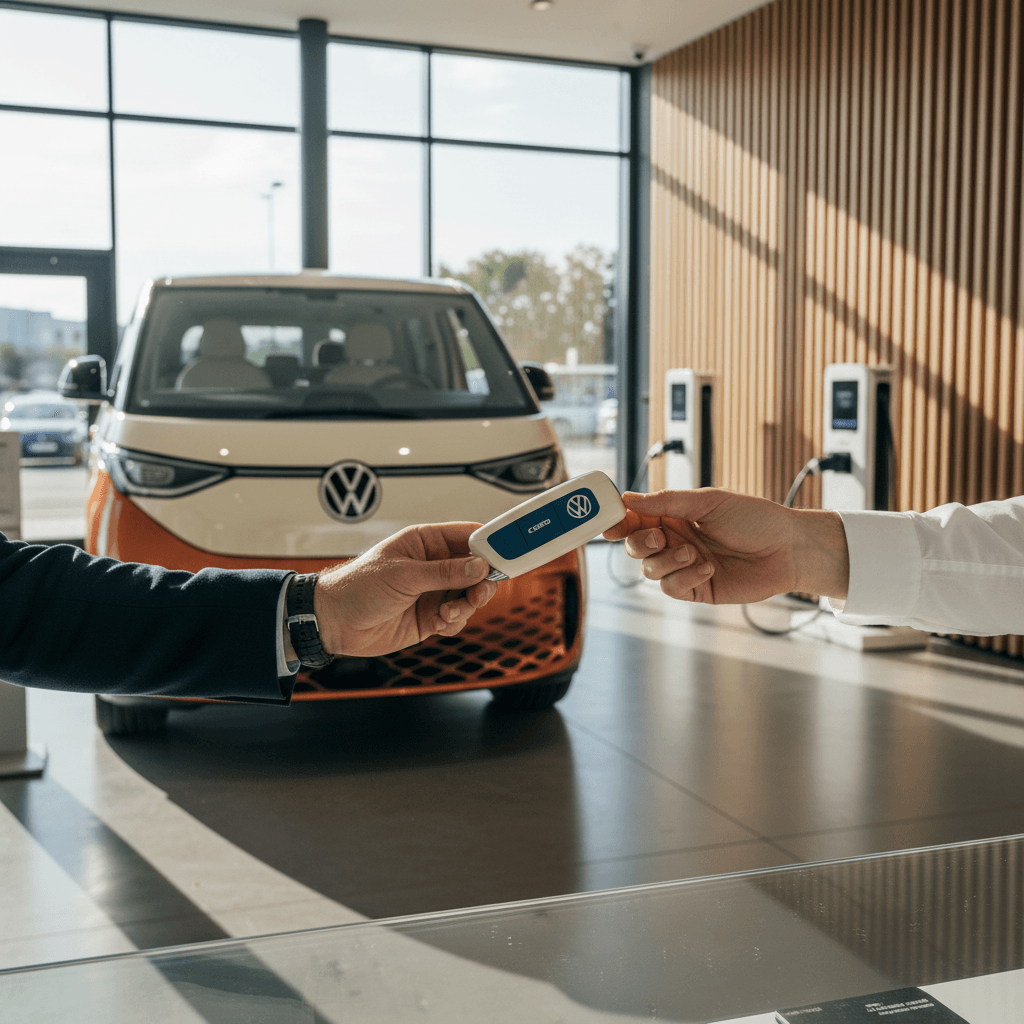
Compare where to sell your ID. Buzz
Where to sell a used Volkswagen ID. Buzz: side‑by‑side
Use this to narrow your options before you start getting quotes.
| Channel | Typical Price | Time & Effort | Best For | Biggest Risk |
|---|---|---|---|---|
| VW / franchise dealer | Low to medium | Very low | Trading into another VW or need it gone this week | They treat it like any slow‑moving EV, not a niche halo van |
| Non‑VW dealer | Low to medium | Low | If they really want something unique on the lot | They don’t understand battery health or the Buzz buyer |
| Instant‑offer sites | Low to medium | Very low | Busy owners who value convenience over every last dollar | Algorithms overcorrect for EV market headlines and underpay |
| EV‑focused marketplace (Recharged) | Medium to high | Medium | Owners who want strong value with less hassle than a DIY sale | Takes a bit more time than a same‑day dealer drop‑off |
| Online auction | All over the place | High | Rare specs, builds, or collector‑grade examples | Bad timing or weak listing can crater the final bid |
| Private sale | Medium to very high | Very high | Hands‑on sellers comfortable screening buyers and doing paperwork | Wasted time, safety concerns, and buyers struggling to finance |
Speed and convenience often trade off against price, especially with a low‑volume EV like the ID. Buzz.
How Recharged fits into your ID. Buzz selling plan
Recharged isn’t just another classifieds site. It’s a marketplace built specifically for used EVs, with tooling that actually understands what makes a good ID. Buzz. That matters when you’re trying to convince a buyer to spend real money on an electric van they’ve probably never driven before.
- Every Buzz on Recharged comes with a Recharged Score Report, including verified battery health, charging history signals, and pricing benchmarks.
- The platform is set up for financing, trade‑ins, instant offer or consignment, and nationwide delivery, so you’re not limited to shoppers within 20 miles of your ZIP code.
- You get EV‑specialist support that can field buyer questions about range, charging, road‑tripping, and software, so you don’t have to turn into an all‑night call center.
- If you’re in or near Virginia, Recharged also operates an Experience Center in Richmond, where buyers can touch, feel, and drive vehicles before taking delivery.
Use Recharged data even if you don’t sell there
Essential prep steps before you list your ID. Buzz
Pre‑sale checklist for a used Volkswagen ID. Buzz
1. Document battery and charging behavior
Pull screenshots of typical daily range, recent DC fast‑charging sessions, and any battery‑health diagnostics you’ve had done. If you sell through Recharged, their Score report will package this professionally for buyers.
2. Catch up on software and recalls
Make sure your Buzz is on the latest software version and that any open recalls or service campaigns are completed. Buyers and appraisers get nervous around incomplete EV recalls.
3. Get it properly detailed, inside and out
The ID. Buzz’s whole shtick is style and vibe. Clean wheels, bright paint, fresh interior surfaces, and an uncluttered cabin go a long way toward signaling a cared‑for van rather than an abused family hauler.
4. Gather every key and accessory
Spare keys, charge cables, roof racks, cargo accessories, window shades, anything you can include makes the package feel complete. Missing charge equipment is a classic excuse for a price haircut.
5. Build a simple service and charging log
You don’t need a spreadsheet. A one‑page summary of tire rotations, brake service, annual checks, and your typical charging pattern (home vs public DC fast charging) makes your Buzz stand out as a known quantity.
6. Photograph it like you’re selling a house
Shoot the exterior from all angles in good daylight, plus close‑ups of the wheels, seats, screens, and cargo area. Include photos of the charge port, cable, and any wallbox or portable charger if they’re part of the deal.
Does timing your ID. Buzz sale actually matter?
To a point, yes. The ID. Buzz sits at the intersection of three big forces: a cooling EV market, normal new‑car depreciation, and VW’s stop‑start U.S. product planning. Those cross‑currents mean your van’s value can shift quickly based on headlines about new discounts, recalls, or the next model‑year announcement.
How timing shapes your strategy
If you want out in the next 30 days
Focus on <strong>dealers and instant‑offer sites</strong> first to set a floor, then compare against at least one EV‑focused platform offer.
Price with today’s discounting baked in. Assume new Buzz inventory will stay heavily incentivized until it’s gone.
Be realistic about eating the steepest chunk of depreciation in exchange for certainty and speed.
If you can wait 3–6 months
Watch discounts on new EVs and any news about the ID. Buzz’s U.S. return. Less new inventory and more awareness can tighten used values.
Spend time building a <strong>great listing</strong>: photos, documentation, and battery‑health proof.
Consider consignment or marketplace sale, where pros handle marketing while you ride out a potentially softer market and wait for the right buyer.
Don’t obsess over the absolute top
Common ID. Buzz selling mistakes to avoid
- Letting one low trade‑in offer define reality. If the first dealer says your Buzz is worth $41k, that’s a data point, not a verdict. Get at least three numbers from different channels.
- Listing without EV‑specific information. Range at different states of charge, charging habits, and home‑charging setup all matter more to Buzz buyers than 0–60 times.
- Ignoring battery‑health diagnostics. "Seems fine" is not language that moves used EVs. A third‑party battery report or platform like Recharged that verifies pack health helps your price, and your van, stand out.
- Pricing it like a mass‑market minivan. The ID. Buzz lives in the weird space between family hauler and rolling art project. Some buyers will cross‑shop a Kia EV9; others are choosing between your Buzz and a vintage Westfalia. Your photos and copy should speak to both the practical and the emotional cases.
- Underestimating paperwork. Payoffs, titles, state tax credits, and EV‑specific incentives can complicate a private sale. Dealers and marketplaces can smooth this out if you’re not paperwork‑inclined.
One thing you should never do
Volkswagen ID. Buzz selling FAQ
Your ID. Buzz selling questions, answered
Selling a used Volkswagen ID. Buzz in 2026 is not like selling a gently used crossover. It’s more like re‑homing a very expensive, very charming pet: you want it to go to someone who understands what it is, and you’d rather not get fleeced in the process. If you treat battery health and documentation as your bargaining chips, compare offers across at least two or three channels, and lean on EV‑specific platforms like Recharged when you can, you’ll be in a much better position than the owner who just shrugs and hands their electric bus to the first low bidder.