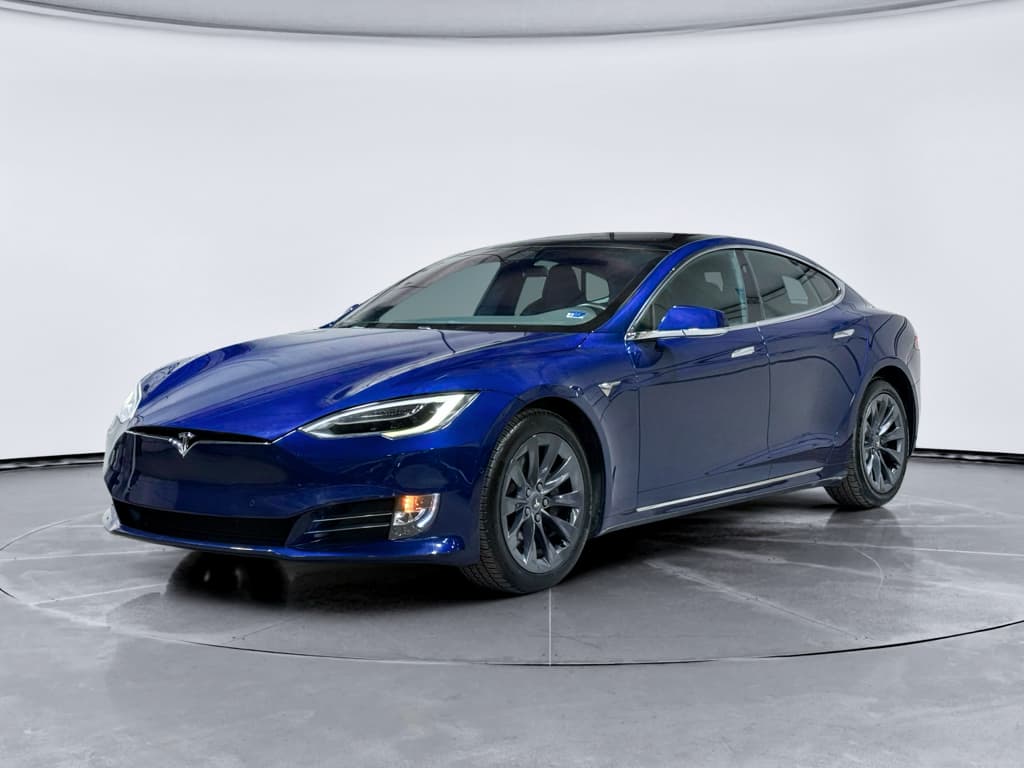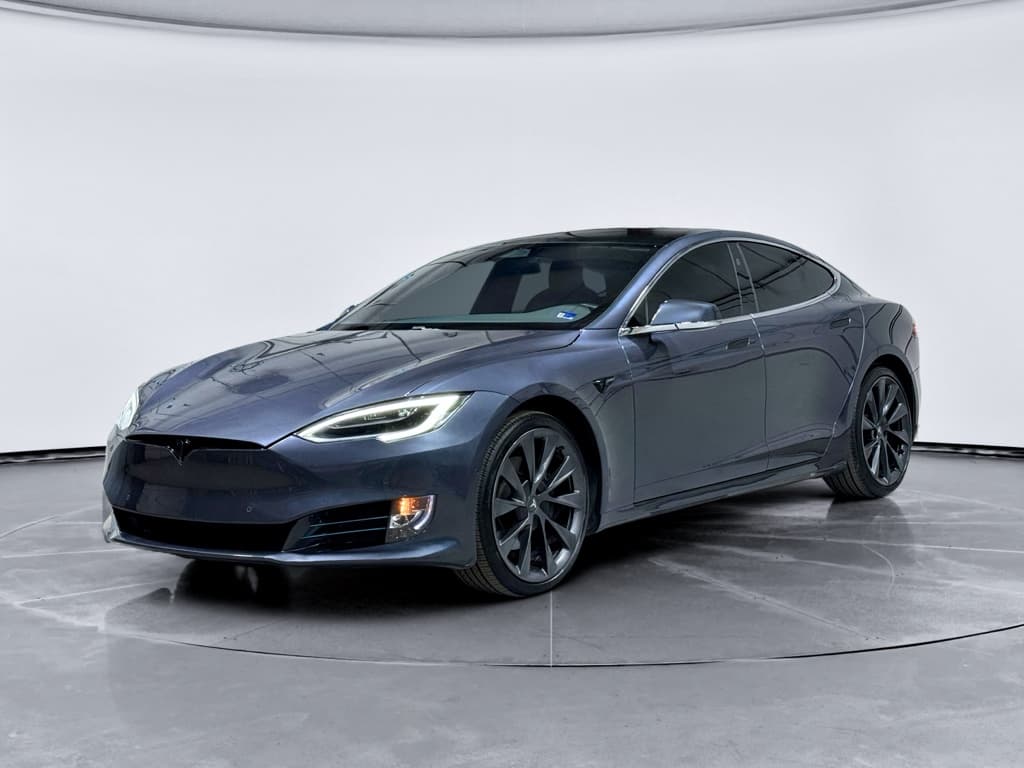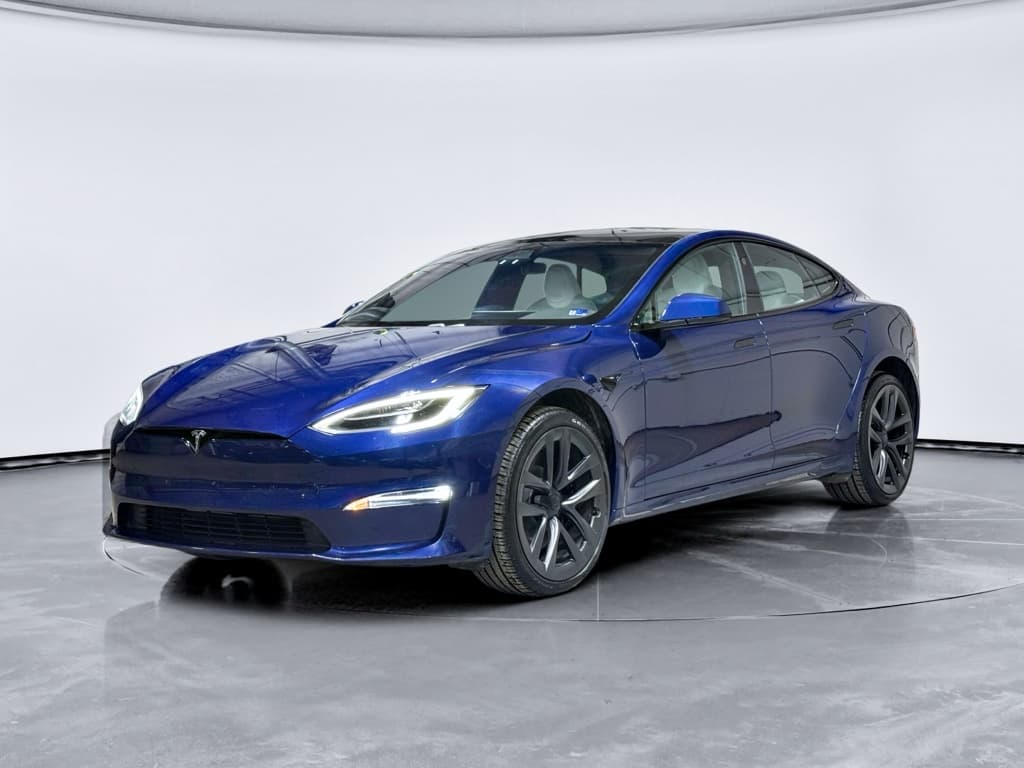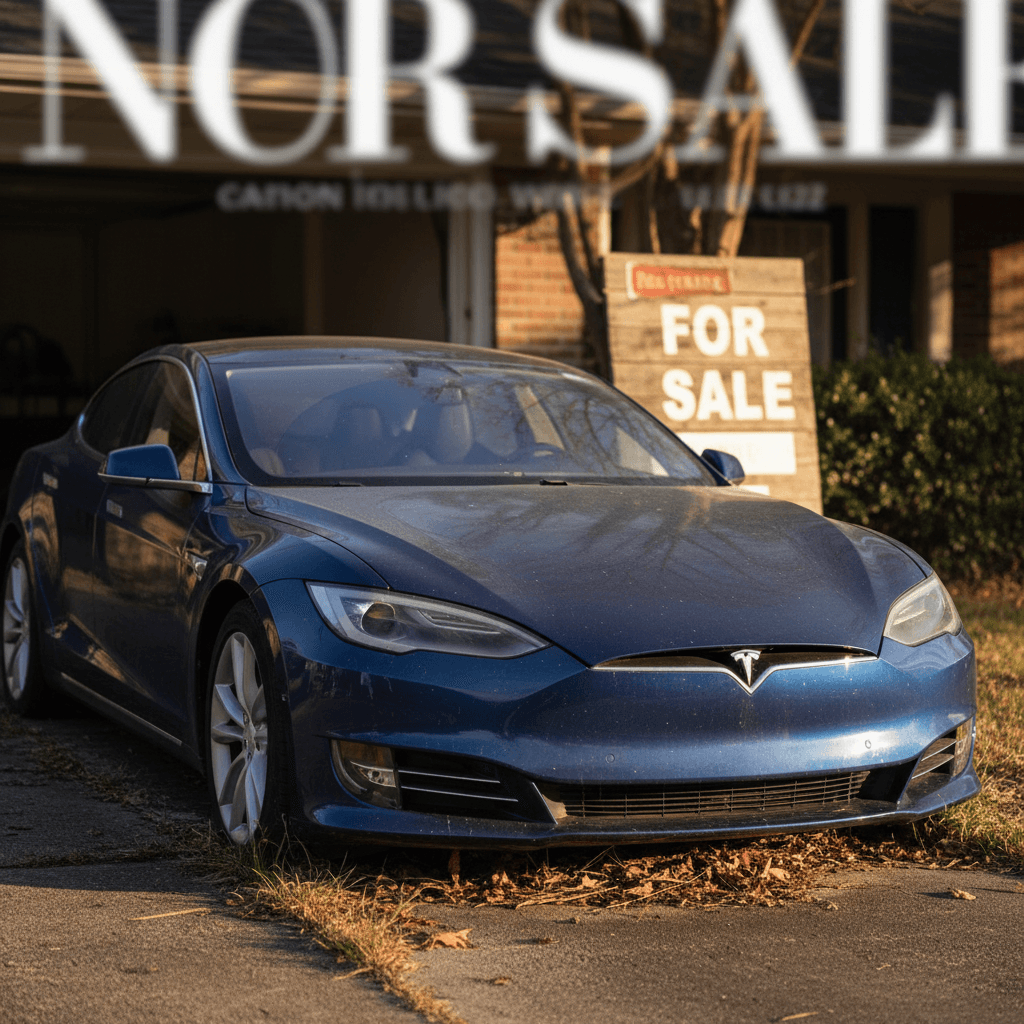
You don’t buy a Tesla Model S because it’s sensible. You buy it because it’s a 4,800‑pound spaceship with door handles that present themselves like a maître d’. But once the adrenaline fades, the adult question shows up: how fast does a Tesla Model S depreciate, and is it a smart place to park $70,000–$100,000?
TL;DR depreciation snapshot
Why Tesla Model S depreciation matters now
Depreciation used to be the quiet line item in the cost‑of‑ownership spreadsheet. Then EVs, and especially Teslas, blew the curve. In 2022–2024, aggressive price cuts and a flood of off‑lease cars drove used EV prices sharply downward, with luxury models like the Model S taking the biggest hit. For shoppers in 2025–2026, that means two things: 1. If you bought a new Model S recently, your car’s paper value has probably fallen faster than you expected. 2. If you’re hunting for a used Model S, you’re walking into one of the biggest bargains in the EV world, if you choose carefully.
Tesla Model S depreciation at a glance
How fast does a Tesla Model S depreciate over 5 years?
Let’s put real numbers to the question. Depreciation studies using registration and transaction data consistently show the Model S near the top of the “biggest 5‑year losers” list. Across multiple analyses, a reasonable working range today is:
- Year 1: 20–30% drop from the price you actually paid
- Year 3: around 35–45% total depreciation
- Year 5: around 60–68% total depreciation
In plain English: if a new Model S stickers at $90,000 and sells for roughly that amount, five years later it’s often trading around $28,000–$35,000, depending on mileage, options, and market mood. That’s a spectacular fall from grace, and exactly why a five‑year‑old Model S can feel like cheating the system when you buy it used.
Depreciation isn’t a straight line
Year‑by‑year Tesla Model S depreciation curve
Here’s a simplified look at how a recent‑generation Model S typically loses value over its first five years. Assume an $85,000 transaction price for an all‑wheel‑drive car with popular options.
Illustrative 5‑year Tesla Model S depreciation
Approximate retained value for a recent Model S, assuming typical mileage and no major accidents.
| Age | Approx. Market Value | Total Depreciation | What’s Happening |
|---|---|---|---|
| Brand new | $85,000 | 0% | You paid near current MSRP; incentives are baked into your deal, not the MSRP sheet. |
| 1 year | $60,000–$68,000 | 20–30% | First‑year drop, plus any Tesla price cuts on new inventory undercutting you. |
| 3 years | $47,000–$55,000 | 35–45% | Warranty clock ticking, newer tech available, higher‑mileage examples show up in volume. |
| 5 years | $28,000–$35,000 | 60–68% | Now a "value" luxury EV; buyers worry about battery health and out‑of‑warranty repairs. |
| 8+ years | $18,000–$25,000 | 70–80% | Price floor forms for clean, long‑range cars with documented battery health. |
Real‑world cars vary, but the pattern, sharp early drop, then leveling, is remarkably consistent.

How this compares to the industry
Why does the Tesla Model S depreciate so fast?
On paper, the Model S checks all the boxes that *should* support strong resale: high brand recognition, over‑the‑air updates, Supercharger access, wild performance. Yet it still lands near the top of the depreciation charts. Here’s why.
Four forces pushing Model S values down
All four showed up in a big way between 2022 and 2025.
1. Aggressive new‑car price cuts
Tesla famously slashed prices on new Model S inventory multiple times in 2023–2024. When the factory cuts $10,000–$20,000 off new cars overnight, every existing owner’s car just lost value on paper.
2. The tech treadmill effect
The Model S ages faster than a conventional sedan because Tesla keeps pushing big tech upgrades, range, Autopilot hardware, interior redesigns. Yesterday’s flagship starts to feel like yesterday’s iPhone.
3. Luxury EV repair anxiety
Out‑of‑warranty repairs on a complex luxury EV can be eye‑watering. Even if most cars are fine, buyers price in the risk, which drags down what they’re willing to pay for older, high‑mileage examples.
4. Segment headwinds
Large luxury sedans already depreciate faster than SUVs. Layer in EV‑specific worries, battery health, charging access, and the Model S gets hit from both directions.
The price‑cut gut‑punch
Model S vs other Teslas and luxury sedans
Within Tesla’s own lineup, the Model S is the drama queen of depreciation. The more pedestrian Model 3 and Model Y, priced closer to the mainstream market, generally hold value better over five years. Compared to other large luxury sedans, think BMW 7 Series, Mercedes‑Benz S‑Class, the Model S is now in similar or slightly worse territory.
Depreciation: Model S vs other vehicles (5‑year snapshot)
Approximate five‑year depreciation using recent market data.
| Vehicle | Type | Approx. 5‑Year Depreciation | Notes |
|---|---|---|---|
| Tesla Model S | Luxury EV sedan | ~65% | Among the highest 5‑year depreciation of any EV; hit hard by price cuts. |
| Tesla Model 3 | Compact EV sedan | ~45–50% | Holds value better thanks to lower entry price and broader demand. |
| Tesla Model Y | EV crossover | ~50–55% | Still softer than comparable gas SUVs but better than Model S. |
| Average EV (all types) | Mixed | ~59% | Most EVs lose around 58–60% of value over five years. |
| Average large luxury gas sedan | Gas | ~60–65% | The Model S now behaves more like its gas peers than an outlier. |
Numbers are directional, not promises, but they show where the Model S sits in the pecking order.
Why this is good news for used buyers
Ready to find your next EV?
Browse VehiclesHow price cuts and tax credits skew the numbers
When you ask how fast a Tesla Model S depreciates, you’re really asking two different questions: "How fast does the MSRP fall?" and "How fast does the money I actually spent evaporate?" Those aren’t the same thing.
MSRP‑based depreciation
Most charts compare original MSRP to later resale value. The problem: Tesla’s MSRPs are a moving target. If Tesla drops MSRP by $15,000 a year after launch, every earlier buyer’s depreciation just got worse on paper, even if the real‑world driving experience hasn’t changed.
Out‑of‑pocket depreciation
What really matters is what you paid minus what you sell for. If you bought heavily discounted inventory, or stacked state and federal incentives, your effective depreciation may be several thousand dollars better than the official charts suggest.
Follow incentives, not just prices
Buying a used Tesla Model S: what years are the sweet spot?
Because the Model S depreciates fast early and then levels off, there’s a window where you get most of the car with much less of the sticker shock. For many shoppers in 2025–2026, that sweet spot looks like this:
Finding the value sweet spot
1. Target 3–6 years old
By the third year, the worst depreciation is behind you, but you’re still getting a modern battery pack, decent remaining warranty on newer cars, and current‑enough tech.
2. Look for long‑range, dual‑motor trims
Cars that started life with strong range and all‑wheel drive tend to hold a value floor better. They’re also more satisfying to live with if you road‑trip or drive in bad weather.
3. Prioritize clean battery reports
Battery health swings used EV pricing more than almost anything else. At Recharged, every Model S listing includes a <strong>Recharged Score Report</strong> with verified battery state‑of‑health so you’re not guessing.
4. Avoid obvious outliers
Salvage titles, extreme modifications, and ex‑fleet cars may be cheaper, but they also carry more risk and can be harder to resell. A seemingly cheap Model S can become very expensive if it needs a drive unit or battery pack.
5. Shop total cost, not just sticker
Factor in charging costs, insurance, tires, and potential repairs. A fairly priced car with healthy battery and transparent history usually beats a bargain‑bin example with question marks.
Where Recharged fits in
How battery health affects Model S resale value
Underneath the drama about price cuts and tech, resale value for any EV eventually comes down to one thing: the battery. For the Model S, a pack that’s aging gracefully will keep the car desirable far past year five. A pack that’s losing range faster than expected will drag the price down, no matter how clean the paint is.
- Early‑life degradation: It’s normal to see a noticeable drop (5–10%) in range in the first few years, then a slower decline after.
- Use pattern: Constant DC fast charging, frequent 100% charges, and extreme heat or cold can accelerate degradation.
- Software limits: Rare but real, some cars have had pack capacity limited via software after repeated fast‑charge abuse or safety concerns.
- Buyer psychology: Two otherwise identical Model S cars can be separated by thousands of dollars if one comes with a recent, credible battery health report and the other doesn’t.
Ask for a real battery report
Tips to reduce depreciation if you already own a Model S
If you’re already married to a Model S, you can’t change the macro market or Tesla’s pricing whims. But you can protect the car you have and keep it toward the top of the value range for its age and mileage.
Five practical ways to protect your Model S’s value
You can’t stop depreciation, but you can avoid being at the bottom of the curve.
1. Baby the battery
Stay in the mid‑range of the pack for daily use (20–80%), minimize unnecessary DC fast charging, and avoid leaving the car at 0% or 100% for long stretches.
2. Fix cosmetic issues early
Wheels, paint, interior trim, luxury buyers notice. Curb‑rashed 21‑inch wheels and a torn seat bolster signal a hard life and give buyers license to lowball you.
3. Keep service records tidy
Even in a world of over‑the‑air updates, documented maintenance and repairs make a big difference at resale. Keep digital and paper records organized.
4. Avoid accidents when you can
A clean history report is gold. Obviously you can’t control everything, but good tires, proper winter rubber, and defensive driving reduce the odds of blemishes on your title.
5. Sell at the right moment
Values tend to be softer when big price cuts or new variants hit. If you can, time your sale away from high‑profile announcement cycles and before major warranty milestones expire.
6. Consider selling through an EV‑focused marketplace
Platforms that specialize in EVs, like Recharged, understand how to present battery health, range, and software features to buyers, often yielding a better outcome than generic classifieds.
The warranty cliff
FAQ: Tesla Model S depreciation
Frequently asked questions about Tesla Model S depreciation
Bottom line: should you buy a used Model S?
The Tesla Model S is both a triumph and a cautionary tale. As a machine, it’s still one of the most compelling cars on the road, instant torque, long range, minimalist spaceship cabin. As a financial instrument, it has demonstrated that luxury EVs can shed value at record speed, especially when the manufacturer keeps moving the goalposts on price and hardware.
If you’re buying new, go in with open eyes. Assume heavy first‑year and five‑year depreciation, and only sign if that loss still makes sense for you. If you’re shopping used, though, the news is almost all good. A well‑chosen, battery‑healthy Model S that’s already eaten its big depreciation hit can deliver supercar drama and luxury‑car comfort for an unexpectedly humane monthly cost.
That’s exactly the slice of the market Recharged is built for: used EVs with transparent battery health, fair pricing, and expert guidance. Whether you’re trading out of a Model S or hunting for your first one, using real depreciation data, and insisting on a clear battery report, turns a flashy indulgence into a smart, informed decision.