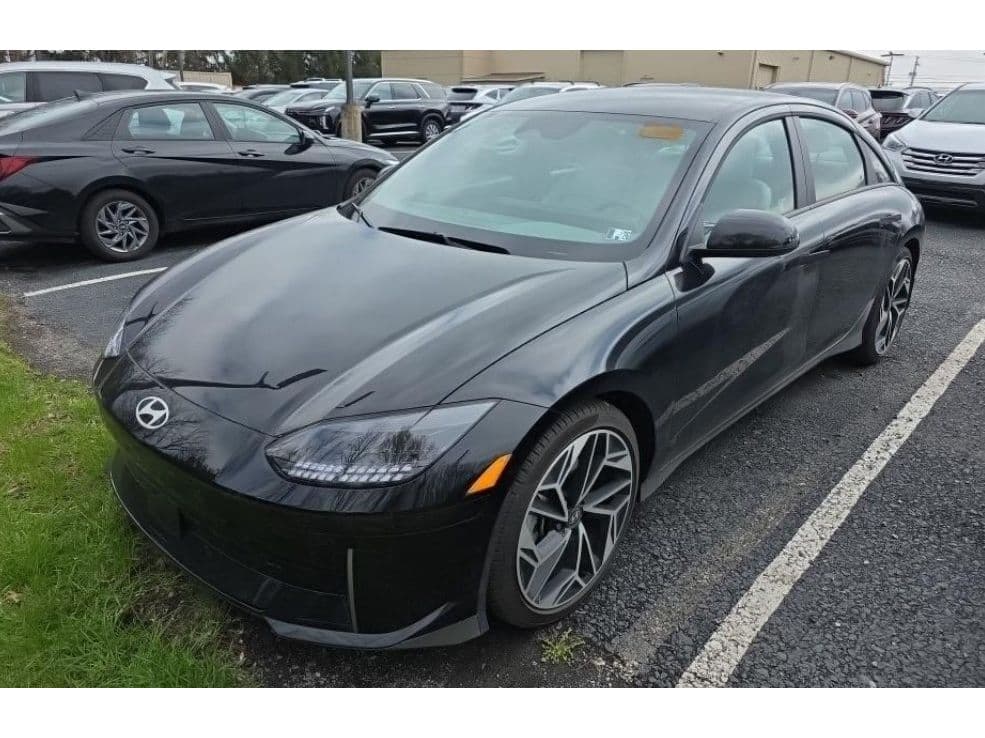
You bought the Hyundai IONIQ 6 for its art‑deco streamlining and ultra‑efficient powertrain. Now you’re wondering where to sell it, without donating thousands of dollars to the nearest dealer. The used EV market in 2026 is strange, soft, and opportunity‑rich. Choosing where to sell a used Hyundai IONIQ 6 matters just as much as the price you ask.
The short version
Should you sell your used Hyundai IONIQ 6 now?
By early 2026, the first big wave of IONIQ 6 leases and early purchases has started to hit the used market. That means more supply, more price pressure, and more shoppers who’ve figured out that a used IONIQ 6 is an absurd amount of car for mid‑$20,000s money.
Hyundai IONIQ 6 used‑market snapshot (early 2026)
If you bought new at launch pricing, some of that depreciation will sting. Your job now is to control the variables you can: where you sell, how you present the car, and how clearly you tell the story of its battery health and warranty.
Where to sell a used Hyundai IONIQ 6: options at a glance
Hyundai IONIQ 6 selling channels compared
A high‑level look at your main options, from easiest to most profitable.
| Selling option | Typical price vs top dollar | Effort required | Speed to cash | Best for |
|---|---|---|---|---|
| Hyundai dealer trade‑in | Lowest (–$2k to –$5k) | Very low | Same day | Rolling into another Hyundai or Kia |
| CarMax / Carvana / instant‑offer | Low‑to‑mid | Low | 1–3 days | Quick exit, no haggling |
| EV marketplace (Recharged, etc.) | High, near private‑sale | Low‑to‑moderate | Days to a couple weeks | Maximizing value with guidance |
| Private sale | Highest potential | High | 1–4+ weeks | Price‑maximizers with time and patience |
| Auctions / wholesalers | Rock‑bottom | Very low | Same day | Rough cars, salvage, or last resort |
No single channel is “best” for every seller, you’re trading time, risk and money in different proportions.
Smart strategy
Option 1: Hyundai dealer trade‑in or buy‑back
A Hyundai dealer is the laziest, most friction‑free way to dispose of your IONIQ 6. You show up in the sleek spaceship; you leave in whatever crossover they’re bonusing that month. The equity (or lack of it) gets folded into the new deal, and you never have to think about it again.
Pros of trading your IONIQ 6 at a Hyundai dealer
- Fast and simple – Walk in with a car, walk out with a deal and no strangers at your house.
- Tax credit advantage – In many states, you only pay sales tax on the difference between your new car price and trade‑in value.
- Brand familiarity – Hyundai dealers know the IONIQ 6, its recalls and its warranty coverage.
Cons of the dealer route
- Usually the weakest offer – Dealers have to leave room for wholesale auctions and retail markup.
- Confusing numbers – A great‑looking “discount” on the new car can quietly hide a bad trade‑in number.
- Limited audience – Your car is valued like any other VIN on a spreadsheet, not as a standout spec or color combo.
Watch the shell game
Option 2: CarMax, Carvana and other instant‑offer sites
Instant‑offer sites promise what the franchised dealer rarely can: a simple, mostly online process with a number you can see and critique before anyone touches a pen. For a mainstream gas crossover, these offers tend to be reasonably close to fair market value. For a used EV like the IONIQ 6, the spread can be wider.
How instant‑offer sites treat a used IONIQ 6
Quick money, but not always smart money.
Speed and certainty
Most national instant‑offer buyers will show you a firm offer for your IONIQ 6 within minutes based on VIN, mileage, photos and a few condition questions.
Pricing reality
Those offers typically sit a notch above dealer trade‑ins but below what a patient private‑party or EV‑savvy marketplace buyer will pay, especially for well‑optioned trims.
Good fit when…
You’re ready to sell this week, the car is in clean condition, and you value a guaranteed check and simple pickup over squeezing out an extra $1,500.
Run a mini‑auction from your couch
Option 3: Private sale for maximum price (and effort)
If you’re the sort of person who enjoys a well‑argued Craigslist post and doesn’t mind answering “What’s your lowest?” at 11:47 p.m., private sale is still where the ceiling lives. The IONIQ 6’s design and strong warranty give you a solid story to tell, as long as you can also calm buyers’ anxiety about the battery.
Private‑sale checklist for a used Hyundai IONIQ 6
1. Get your paperwork and history in order
Pull the title or lien payoff, recent service records, recall documentation and a vehicle‑history report. A clean, organized folder does as much for buyer confidence as an air freshener does for masking last week’s gym bag.
2. Lead with battery health and warranty
Highlight Hyundai’s <strong>8‑year/100,000‑mile battery warranty</strong> and any diagnostics you’ve had done. Buyers want to know how much usable range they’ll have in year five, not just how the car looks on Instagram today.
3. Photograph like you’re selling a design object
The IONIQ 6 is a rolling concept car. Shoot it that way: three‑quarter angles, clean background, detail shots of the pixel lighting, interior screens and charge port. Bad photos can knock real money off serious offers.
4. List on EV‑friendly platforms
Beyond the usual local classifieds and marketplace apps, list on sites that attract EV shoppers specifically. Those buyers understand things like DC fast‑charge speed and EPA range, so you’re not stuck explaining kilowatts in the comments.
5. Screen buyers and control test drives
Meet in a safe, public place; verify license and insurance; ride along on test drives. This is not the moment to let a stranger explore 320 lb‑ft of torque alone with your insurance card.
6. Use secure, traceable payment
Prefer wire transfers, bank‑to‑bank cashier’s checks verified at the issuing branch, or an escrow service. Walk away from anyone who suggests overpaying and having you refund the difference.
Fraud loves EVs

Option 4: EV‑focused marketplaces like Recharged
Between the bare‑minimum dealer trade and the full‑contact sport of private sale sits the EV marketplace. This is where the IONIQ 6 really belongs. The car is too specialized, too dependent on charging infrastructure, software and battery condition, to be just another sedan in a generic auction lane.
Why EV‑specific marketplaces suit the IONIQ 6
You’re not just selling a car; you’re selling a battery, a range figure and a use‑case.
Verified battery health
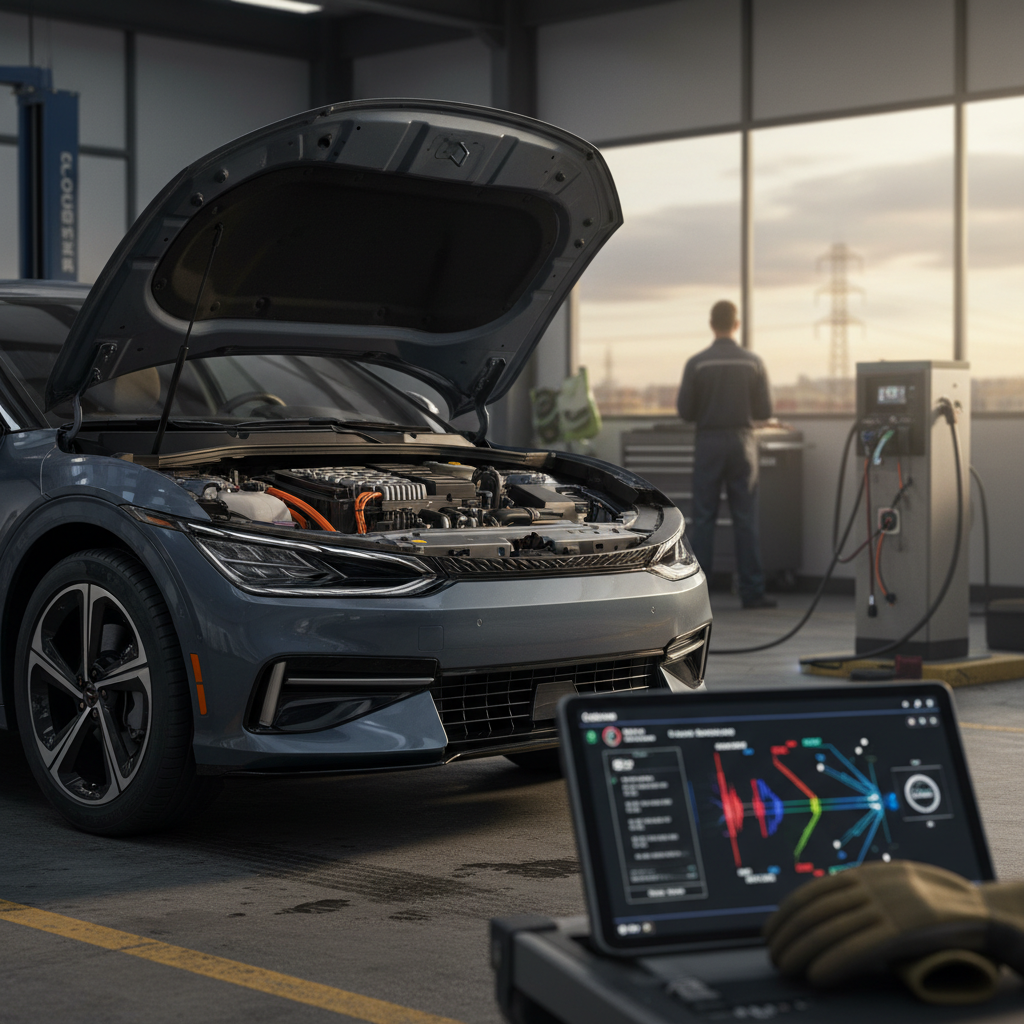
On Recharged, every vehicle gets a Recharged Score Report with independent battery health diagnostics and range analysis, so buyers aren’t guessing how much capacity is left.
Fair, transparent pricing
Market data on used IONIQ 6 transactions feeds into pricing, so you see where your car sits versus similar cars nationwide, without the dealer poker face.
EV‑specialist support
From crafting the listing to answering buyer questions and arranging nationwide delivery, EV‑literate specialists handle the fiddly bits most sellers dread.
Two ways to sell via Recharged
- Instant offer or trade‑in: Get a data‑backed offer for your IONIQ 6 that reflects its battery health and current market demand.
- Consignment listing: Have Recharged market the car on your behalf, handling inquiries, financing and delivery while you retain ownership until it sells.
What this feels like versus DIY
Instead of juggling test drives, late‑night messages and half‑serious offers, you’re essentially delegating the hassle to people who live and breathe EVs. The end result is usually near‑private‑sale pricing with time and stress more in line with an instant‑offer experience.
Where Recharged shines for IONIQ 6 owners
Ready to find your next EV?
Browse VehiclesOption 5: Auctions, wholesalers and “we buy any car” lots
Finally, there’s the parts‑bin of the used‑car world: independent lots, wholesalers and on‑the‑corner buyers who promise cash today, no questions asked. They have their place, but that place is usually not “late‑model, clean‑title IONIQ 6 in good health.”
- Fastest possible exit, sometimes under an hour from appraisal to cash.
- Pricing that assumes the car will go to auction or a bargain lot, with heavy discounts for any cosmetic or mechanical issue.
- Almost no appreciation for EV‑specific strengths like fast‑charge capability, software updates, or battery warranty.
When this makes sense
How IONIQ 6 battery health affects what you can get
With EVs in 2026, the market isn’t really buying the sheet metal; it’s buying the battery. Two IONIQ 6s with identical mileage can diverge thousands of dollars in value based on how confident a buyer feels about real‑world range four or five years down the road.
What buyers worry about
- Degradation: Has the battery lost a noticeable chunk of range versus new?
- Fast‑charging history: Was the car DC fast‑charged daily on a commuter route, or mostly charged gently at home?
- Warranty runway: How many years and miles remain on Hyundai’s 8‑year/100,000‑mile battery warranty?
How to prove your pack is healthy
- Show recent service records and any dealer‑run battery checks.
- Use an EV‑specific marketplace like Recharged that includes a third‑party battery health report in the listing.
- Be honest about typical charging habits and observed range; savvy buyers would rather hear the truth than sales patter.
Battery health is the new Carfax
7 moves that reliably boost IONIQ 6 offers
Quick wins before you request offers
1. Fix the cheap stuff first
Curb rash, fogged headlamps, missing charge‑port caps, small cosmetic flaws can create a huge first‑impression discount. If it’s under $300 to fix and visually obvious, strongly consider doing it.
2. Get it professionally detailed
Nothing sells like clean. A thorough interior and exterior detail, especially for the white/light interiors, makes the IONIQ 6 feel newer and signals that you’ve cared for the car.
3. Charge to a sensible level
Show the car with 60–80% state of charge. An EV at 9% looks neglected; one parked permanently at 100% makes experienced buyers wonder about long‑term battery habits.
4. Gather every key, cable and accessory
Spare keys, portable charge cable, manuals and cargo‑area bits all cost money to replace. Having the full kit lets you justify a stronger asking price and differentiates your car from the orphaned‑accessory crowd.
5. Document software and recall updates
The IONIQ 6 has already seen software tweaks and campaign work. Print or screenshot proof that your car is up to date, it reassures buyers and reduces their mental "to‑do" list.
6. Get multiple valuations on the same day
Values move quickly. Pull trade‑in, instant‑offer, and marketplace estimates within 24 hours of each other so you’re comparing apples to apples.
7. Choose the right story for the right channel
A dealer mostly cares about mileage and book value. An EV marketplace audience wants to hear about range, charging habits and options. Tailor your listing copy accordingly.
Which selling route is right for your IONIQ 6?
Match your selling path to your priorities
“I need it gone this week”
Get written quotes from a Hyundai dealer and at least one instant‑offer site.
Choose whoever is highest after accounting for tax savings on any new purchase.
Only consider wholesalers if the car has major issues and retail buyers are unlikely.
“I want the most money with less drama”
Request a data‑backed offer or consignment evaluation from an EV marketplace like Recharged.
Use instant‑offer quotes as your pricing floor, not your target.
Let EV specialists handle marketing, financing and delivery while you manage timing and bottom line.
“I’ll work for every last dollar”
Prep the car meticulously and gather all records and accessories.
List privately on multiple platforms, including at least one EV‑centric site.
Be patient, negotiate firmly, and be ready to walk away from weak or sketchy offers.
The Hyundai IONIQ 6 is too interesting, and too dependent on its battery health, to be treated like just another used sedan. Selling it well means pairing the right buyer with the right information at the right time. Whether you opt for the instant‑gratification of a dealer trade‑in, the measured approach of an EV marketplace like Recharged, or the full‑contact sport of private sale, a little prep and a few smart comparisons will determine whether you leave hundreds, or thousands, of dollars on the table.