If you’re wondering where to sell a used EV in North Carolina, whether you’re in Raleigh, Charlotte, the Triangle or the coast, you have more options than ever. The trick is matching the right selling channel to your priorities: price, speed, convenience, and how EV‑savvy the buyer is.
The short version
Why selling a used EV in North Carolina is different
North Carolina’s EV market is in the growth phase: adoption has accelerated since 2022, but the state still doesn’t offer a dedicated statewide EV purchase rebate as of early 2026. Utilities and local programs help with charging costs, but used EV demand is driven mostly by total cost of ownership, EVs are cheaper to run than gas cars, especially with time‑of‑use electricity rates in many utility territories.
- Used EV buyers in NC are value‑focused: they want low running costs and reliable range, not just tech features.
- EV knowledge at traditional dealerships is still uneven, which can hurt trade‑in offers for your car if the appraiser doesn’t understand battery health or charging.
- Most EV shoppers in NC are willing to buy cross‑state or even out‑of‑state, which means your best buyer may not live in your ZIP code. Reaching a national audience matters.
EVs break traditional pricing rules
Main places to sell a used EV in North Carolina
4 main channels to sell a used EV
Each balances price, speed, and hassle differently.
1. Private sale
List your EV yourself on platforms like Facebook Marketplace, Craigslist, Cars.com or Autotrader.
- Highest potential price
- Requires photos, messaging, and meeting strangers
- You handle test drives and paperwork
2. Franchised dealers
Trade in or sell outright to a Nissan, Hyundai, Kia, Ford, Tesla or multi‑brand dealer.
- Very convenient when buying another vehicle
- Offer is usually below private‑party value
- EV knowledge varies store‑to‑store
3. Instant‑offer sites
Online buyers and national chains (CarMax, online cash‑for‑car sites) operating across North Carolina.
- Online offer in minutes, quick pickup or drop‑off
- Great for older or high‑mileage EVs
- Lowest friction, moderate pricing
4. EV marketplaces
EV‑only marketplaces like Recharged that buy and sell used electric vehicles nationwide.
- EV‑specific pricing and battery diagnostics
- Broader buyer pool beyond NC
- Digital process with logistics support
You don’t need to pick just one path. A smart approach is to get at least two or three offers, for example: a private‑sale asking price, a CarMax or instant‑offer quote, and an EV‑specialist valuation from Recharged, then decide what the extra money is worth relative to your time and risk tolerance.
Selling your EV privately in North Carolina
Private sale is usually where you’ll get the highest price for your used EV in North Carolina, especially for in‑demand models like Tesla Model 3/Y, Hyundai Ioniq 5, Kia EV6, and VW ID.4. But you’re also signing up to be your own salesperson, marketer, and transaction coordinator.
Step‑by‑step: private‑sale process in NC
1. Confirm payoff and equity
If you still owe money on your EV, call your lender for a <strong>10‑day payoff</strong>. This tells you whether you’ll bring cash to close or walk away with equity. Buyers will want a clear story about how the loan will be paid off.
2. Prepare your EV for listing
Get the car cleaned inside and out, remove personal items, and gather both keys, charging cable, and any adapters. Have recent service receipts ready. If you’ve run a battery health test or range report, plan to share it.
3. Document range and battery health
Take photos of the dash showing <strong>state of charge</strong> and estimated range at 100%, plus any battery or warranty info in the infotainment system. Consider getting a third‑party battery health report or using an EV‑focused buyer like Recharged that can validate health for you.
4. Create an EV‑specific listing
In your ad, highlight real‑world range, home‑charging setup, remaining battery warranty, and any software features (like FSD capability on Teslas). Typical gas‑car listings skip these details, but EV shoppers care a lot.
5. Screen buyers and plan safe meetups
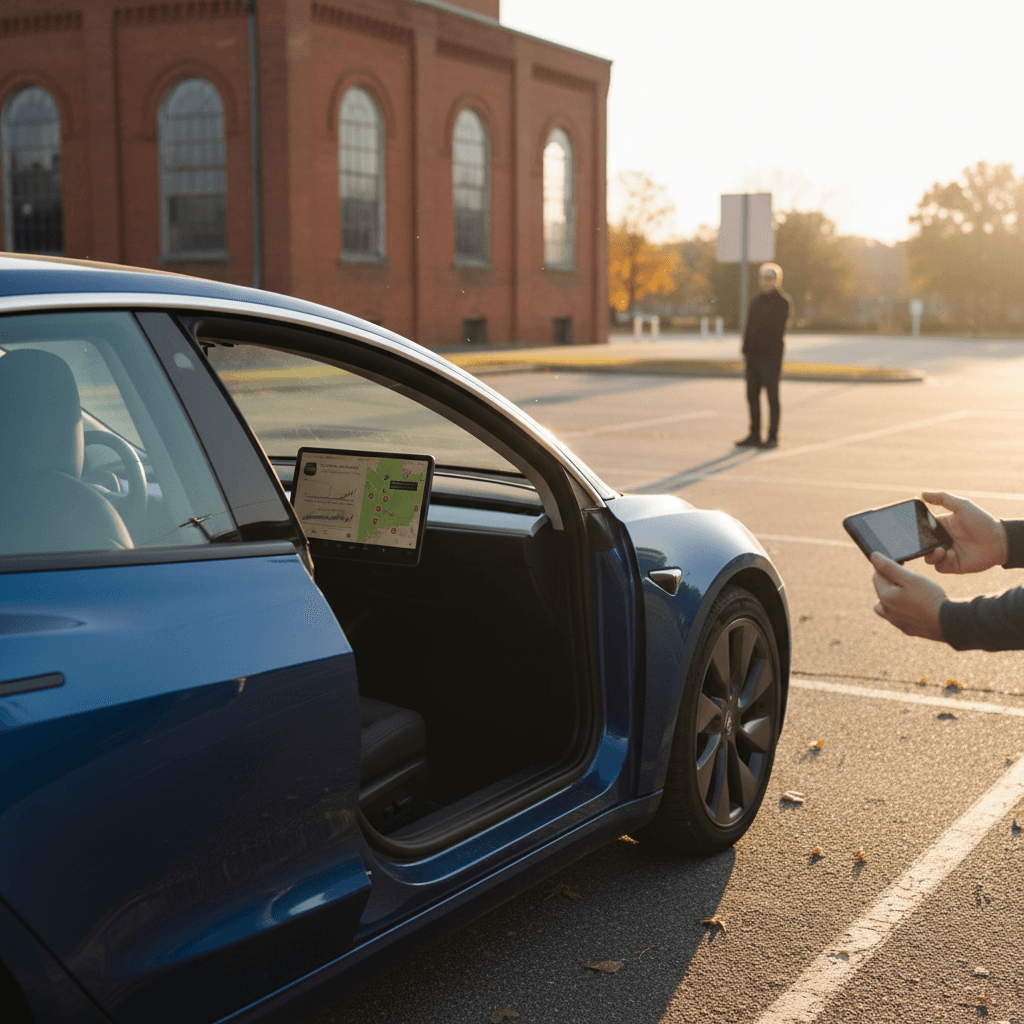
Use messaging within the platform, avoid sharing unnecessary personal details, and meet in a <strong>public, well‑lit location</strong>, many North Carolina police departments offer safe‑exchange zones. For test drives, verify license and ride along.
6. Close the deal and handle title
Once you agree on price, accept secure payment (cashier’s check from a major bank or in‑branch transfer). Sign the North Carolina title in the correct section and complete a bill of sale. Remove your plates and cancel or transfer insurance.
Make EV ownership feel easy
Selling to dealers and instant-offer sites
If you want your EV gone this week with minimal friction, selling to a dealer or instant‑offer site is usually the fastest choice in North Carolina. You’ll trade some dollars for speed and certainty, but for many sellers that’s worth it.
Franchised and independent dealers
Most new‑car dealers in NC will appraise and buy your EV even if you’re not buying another car from them. Stores that already sell new EVs, like Hyundai, Kia, Ford, Nissan, and Volkswagen dealers, tend to be more comfortable putting a number on an EV trade.
- Good when you’re replacing your EV with another vehicle.
- Expect them to anchor to book values that may lag current EV pricing.
- Ask if they adjust for battery warranty status and DC‑fast‑charging capability.
Instant‑offer and cash‑for‑car services
North Carolina is well‑covered by national buyers like CarMax and at‑home pickup services that will quote you online and arrange pickup or store drop‑off. Offers are typically good for a set number of days, giving you time to compare.
- Fastest route from "I should sell" to money in your account.
- Great if your EV has cosmetic damage or higher mileage.
- Trade some upside for zero haggling and simplified paperwork.
Watch for low‑ball EV trade offers
Using an EV‑specialist marketplace like Recharged
EV‑only marketplaces sit between private sale and traditional instant‑offer sites. A company like Recharged focuses solely on used EVs and plug‑in hybrids, combining digital convenience with EV‑specific expertise. Although Recharged is based in Richmond, VA, its business is already national, only about 40% of its cars stay in Richmond, with the rest shipped all over the country, so North Carolina sellers can tap into that broader demand.
Why an EV‑focused buyer can pay more
When you request an offer from Recharged, you’re not just getting a quick price spit out by a generic algorithm. The team reviews your VIN, options, condition, and battery information, then benchmarks your car against live EV transaction data. Every vehicle they list for resale comes with a Recharged Score Report that includes verified battery health and fair market pricing, so they’re motivated to buy cars whose long‑term range performance they trust.
How Recharged works for North Carolina sellers
Ready to find your next EV?
Browse Vehicles
Paperwork, title and tax basics in North Carolina
However you sell your used EV in North Carolina, you’ll need to handle the state’s basic title and registration steps correctly. The rules are the same for EVs and gas cars, but the stakes are higher when large sums and out‑of‑state buyers are involved.
Key title & paperwork steps for NC sellers
High‑level overview, always verify details with the NCDMV or your buyer before signing.
| Item | Private sale | Dealer / instant offer | EV marketplace like Recharged |
|---|---|---|---|
| NC vehicle title | Seller signs; buyer takes to NCDMV | Dealer handles transfer | Handled by buyer or marketplace, depending on structure |
| Lien payoff | Coordinate with lender; may mail title later | Dealer pays off and obtains title | Marketplace coordinates payoff and title release |
| Odometer disclosure | Required on newer vehicles | Dealer includes in closing docs | Included in digital or paper docs |
| Bill of sale | Smart to complete, even if not required | In dealer paperwork | Provided as part of transaction pack |
| Plates & insurance | Seller removes plates, cancels or transfers policy | Dealer guidance varies | Marketplace provides checklist but you handle DMV steps |
Title sections vary slightly by model year and whether there’s a lien, so read your document carefully.
Avoid title and tax surprises
How to maximize the price of your used EV
EV buyers don’t just care about miles and model year. They care about how the car has been charged, how much real‑world range it delivers, and whether it will still feel modern in a few years. Lean into those factors and you’ll stand out from other North Carolina listings.
Top ways to boost your EV’s resale value
Most of these take an afternoon, not weeks.
Detail & minor reconditioning
Clean wheels, a spotless interior, and fixed curb rash signal that the car has been cared for. EV shoppers are often tech‑savvy and will notice cosmetic flaws in photos.
Include charging equipment
Bundling your Level 2 home charger or at least the original mobile connector and adapters can make your listing far more attractive, especially for first‑time EV owners in apartments.
Document software and options
Call out paid options like advanced driver‑assist packages, upgraded audio, or fast‑charging boosts. These don’t always show up correctly in book values but matter to EV buyers.
Smart pricing strategy for North Carolina
1. Research local and national comps
Look at similar EVs for sale in Raleigh, Charlotte, the Triad and Wilmington, but also on national EV marketplaces. If North Carolina prices are soft, a buyer elsewhere may happily pay more.
2. Get at least two professional offers
Use a CarMax/instant‑offer quote and an EV‑specialist valuation (from Recharged, for example) as your floor. Price your private listing slightly above the best professional offer you’re willing to accept.
3. Be transparent about range and charging
Post clear photos of your dash at 100% charge and describe typical highway and city range. If you’ve mostly DC fast‑charged, mention it; serious buyers appreciate honesty more than sales spin.
4. Time your sale around demand spikes
In North Carolina, used EV demand tends to rise before summer road‑trip season and again when gas prices spike. Listing just as those waves begin can help you capture more interest.
Which option is best for you?
Pick the selling path that fits your situation
I want the absolute most money
Invest time in a polished private listing with great photos and a detailed EV‑specific description.
Get floor offers from a dealer, CarMax, and an EV marketplace so you know your walk‑away number.
Be patient, price near the top of the market and be ready to negotiate with serious buyers.
I need my EV gone this week
Get instant offers from CarMax and one or two online cash‑for‑car services that operate in NC.
Schedule in‑person appraisal or at‑home pickup; verify payment timing and method.
Use the highest firm offer, even if it’s below private‑sale value, to trade certainty for speed.
I want a balance of price and convenience
Request an EV‑specific valuation from Recharged and at least one instant‑offer site.
Compare those to what local dealers in Raleigh, Charlotte, or your area will pay, especially dealers that sell new EVs.
If an EV‑specialist marketplace is close on price to private sale, the hassle savings may be worth it.
I’m replacing my EV with another car
Ask the dealer for both a trade‑in number and a straight purchase offer for your EV.
Still get outside bids from CarMax and an EV marketplace, then use them to negotiate.
Look at the full deal: sale price, trade value, fees, and financing, not just one number.
There’s no single “best” place to sell a used EV in North Carolina. What matters is matching the channel to your goals and making sure anyone pricing your car actually understands electric vehicles. By combining transparent EV‑specific information, battery health, range, charging history, with a smart mix of quotes from dealers, instant‑offer sites, and EV‑specialist marketplaces like Recharged, you can turn your used EV into cash with confidence and without leaving money on the table.