If you’re wondering when electric cars will finally be affordable, you’re not alone. In 2025, the average new EV in the U.S. still costs more than the average new gas car, and big headlines about $15,000 EVs feel a long way from reality. But the story is more nuanced: prices are falling, used EVs are maturing into a true value segment, and a wave of ~$30,000 electric cars is on the way by the late 2020s.
Quick answer
Why electric cars still feel expensive in 2025
Back in the late 2010s, analysts forecast that EVs would reach price parity with gas cars around 2025. In some ways they were right, battery costs have come down and the cheapest EVs are more attainable, but the U.S. market has shifted toward larger, longer‑range, feature‑packed vehicles. That keeps average EV prices high.
- Battery packs are still the single biggest cost driver. Batteries typically make up 40–50% of an EV’s manufacturing cost, and American buyers tend to demand big packs for long‑range driving.
- We buy pricey vehicles in general. The overall new‑car market has moved upmarket. By late 2024, the average new vehicle transacted around the high‑$40,000s, and EVs were roughly 10–15% higher on average.
- We’re early in the scale curve. EV platforms and factories are still ramping up. As plants run at full capacity and designs get simplified, per‑unit costs fall.
- Policy noise adds uncertainty. Changing rules around EV tax credits and tariffs on imported vehicles and parts can add cost back into the system just as manufacturers are trying to cut it.
Why forecasts were off
Where EV prices are today: new vs used
Electric car price snapshot (United States, 2024–2025)
What those averages hide
When will electric cars match gas car prices?
When people ask, “When will electric cars be affordable?” they usually mean, “When will a typical EV cost about the same as a comparable gas car?” There are two ways to answer that: sticker price parity and total cost of ownership parity.
1. Sticker price parity
This is the day you can walk into a showroom and the electric version of a vehicle costs roughly the same as the gas version, before incentives.
- In some compact segments and with heavy discounting, we’re already close.
- Most mainstream crossovers and trucks are still priced noticeably higher as EVs.
Industry forecasts now generally point to late 2020s for broad sticker‑price parity in high‑volume segments, assuming battery costs keep falling and new, simpler EV platforms come online.
2. Total cost of ownership parity
When you add purchase price, fuel, maintenance, and potential tax incentives, many EVs already match or beat gas cars over a 5–10 year window.
- Electricity is usually cheaper per mile than gasoline.
- EVs have fewer moving parts, so routine maintenance costs are lower.
- Some owners effectively “lock in” low fueling costs with home charging and off‑peak rates.
That’s why you’ll often hear analysts say EVs are already affordable for the right driver, even if the sticker price is higher.
Key takeaway
What “affordable electric cars” will actually look like
Automakers have heard the message: people want electric cars, but not at $60,000. Several major brands are now publicly targeting EVs around the $30,000 price point for the U.S. market in the second half of the decade.
The next wave of affordable EVs
What automakers are signaling for the late 2020s
Sub‑$30K compacts
General Motors has signaled a family of Bolt‑inspired EVs targeting roughly $30,000, with production expected around mid‑decade. These will prioritize practicality, range in the 250‑mile ballpark, and mainstream specs over luxury features.
Lower‑cost trucks & crossovers
Ford and others are working on cleaner‑sheet EV platforms designed for smaller, more efficient trucks and crossovers, again aiming for pricing that starts close to $30,000 instead of $50,000+.
Cheaper chemistries
Brands are increasingly turning to LFP (lithium‑iron‑phosphate) battery packs and other cost‑optimized chemistries. They’re a bit heavier, but they’re cheaper, durable, and ideal for everyday‑range vehicles that don’t need 350 miles on a charge.
Why $15,000 EVs are still a stretch
How used EVs make electric cars affordable right now
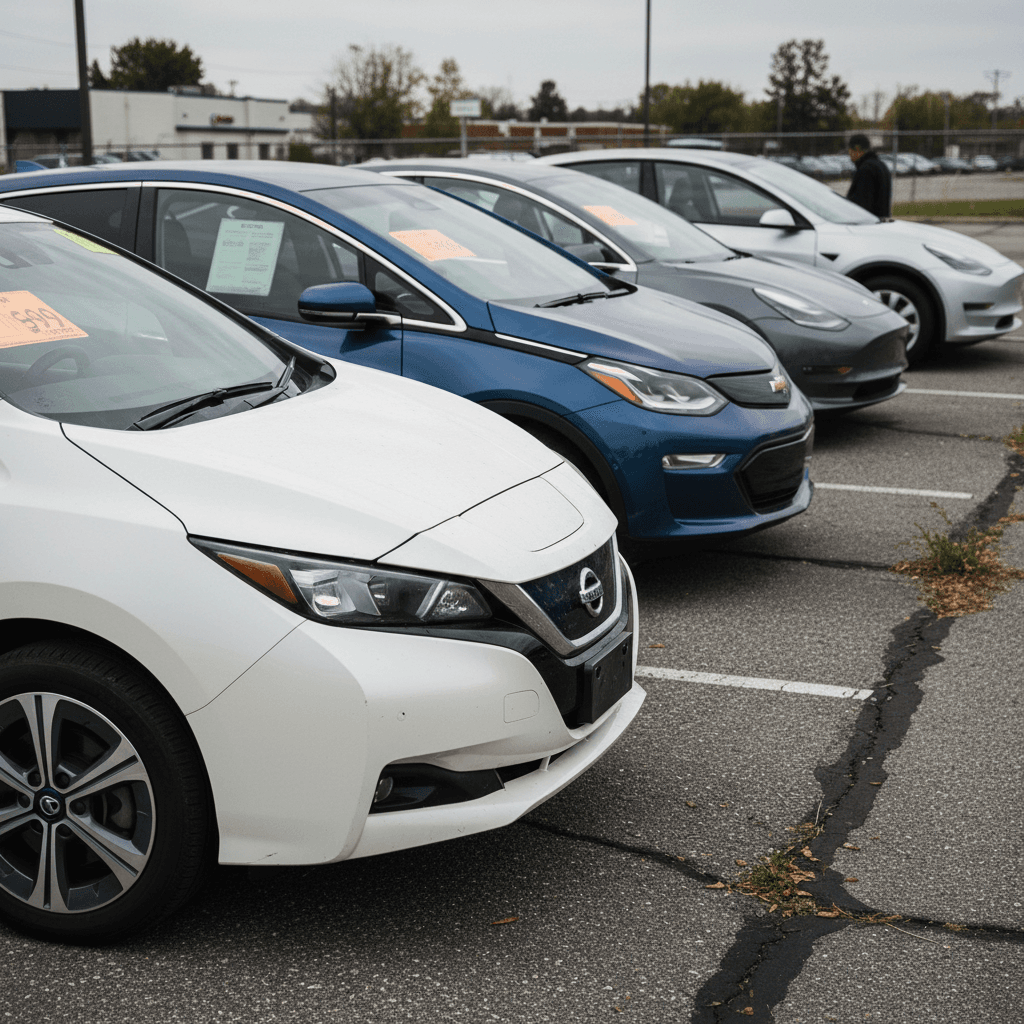
If your real question is, “When will an electric car fit my budget?” the answer may be: today, if you’re willing to buy used. Early‑generation EVs are aging into the sweet spot for value buyers, and lease returns are flooding the used market with 2–4‑year‑old vehicles.
- By early 2024, the average used EV price in the U.S. had dropped into the $30,000–$35,000 range, with a fast‑growing share under $25,000.
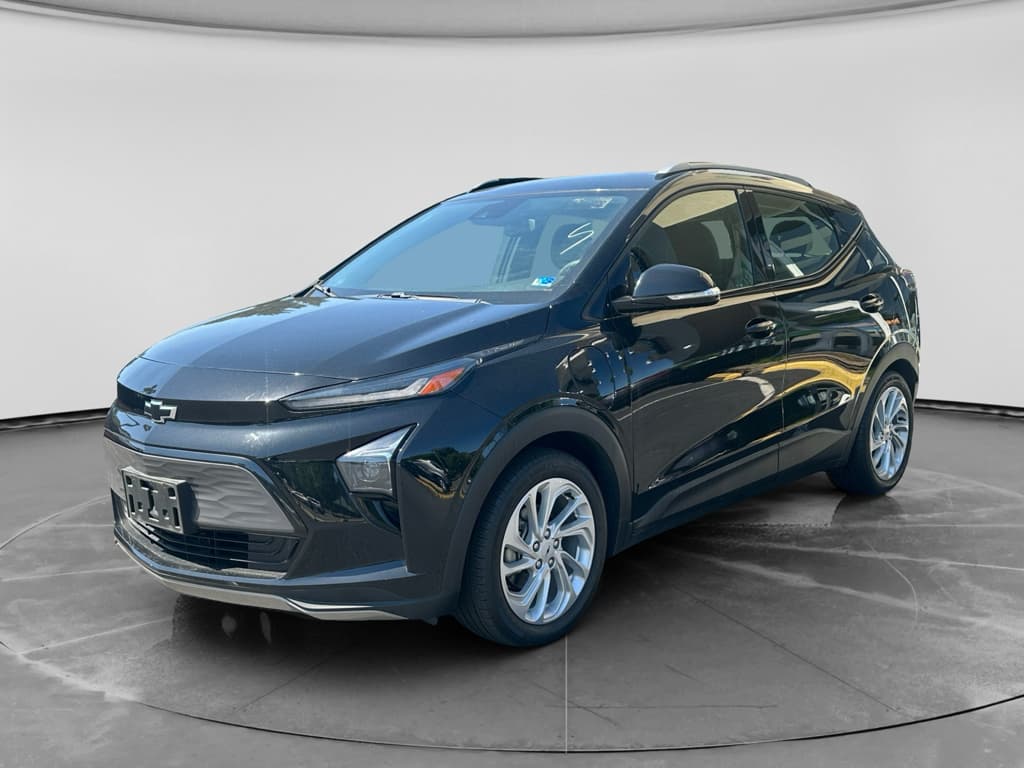
- Older models like the Nissan Leaf, earlier Chevrolet Bolt, and some compact crossovers often show up in the high‑teens to low‑$20,000s depending on mileage and battery condition.
- Compared with new EVs that often start above $40,000, a late‑model used EV can put electric ownership within reach of many households who were priced out of the new market.
Where Recharged fits in
Ready to find your next EV?
Browse VehiclesAffordability isn’t just sticker price: total cost of ownership
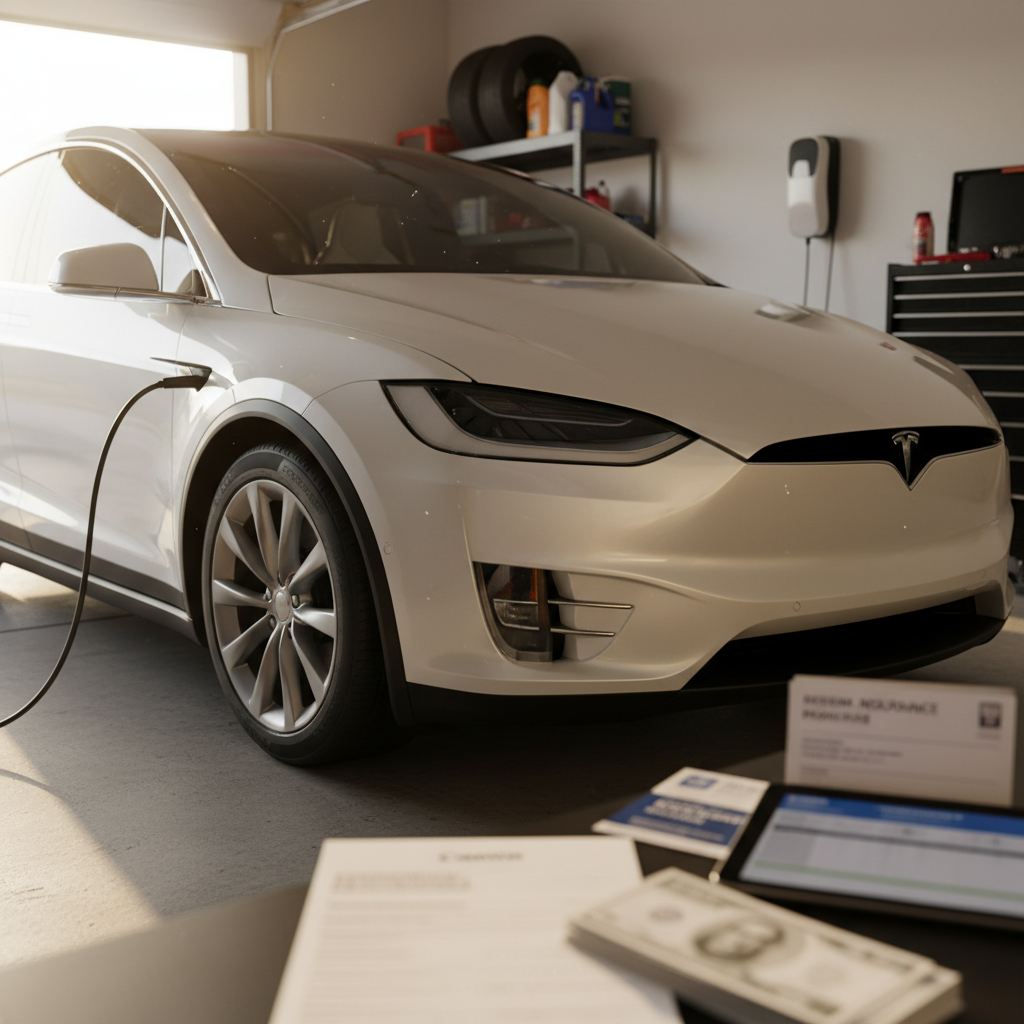
One reason the “when will electric cars be affordable” debate gets messy is that it often ignores what you actually spend to own and operate the vehicle. EVs tend to win on fuel and maintenance, even when the purchase price is higher.
Simplified 5‑year cost comparison: gas vs electric
Illustrative example using a typical compact crossover driven 12,000 miles per year. Actual numbers will vary by model, electricity and gas prices, and driving habits.
| Category | Gas Crossover | Electric Crossover |
|---|---|---|
| Purchase price (used) | $24,000 | $28,000 |
| Fuel/energy per year | $1,900 in gasoline | $900 in electricity (home mix with some public) |
| Routine maintenance per year | $700 | $400 |
| 5‑year fuel/energy total | ≈$9,500 | ≈$4,500 |
| 5‑year routine maintenance | ≈$3,500 | ≈$2,000 |
| 5‑year combined running costs | ≈$13,000 | ≈$6,500 |
In many realistic scenarios, the EV catches up or pulls ahead financially within a few years even with a higher sticker price.
How to run your own numbers
Financing, incentives, and the impact of expiring tax credits
Policy has a huge influence on when electric cars feel affordable. In the U.S., federal EV tax credits have helped close the gap between EV and gas‑car pricing for years, but the landscape is changing.
- Federal tax credits on the clock. Under the current rules, federal tax credits of up to $7,500 for qualifying new EVs and up to $4,000 for qualifying used EVs are scheduled to end for vehicles purchased after September 30, 2025. That deadline has pulled some demand forward as shoppers try to buy while the credit still exists.
- Price and income caps still matter until then. To qualify, new EVs generally must fall under MSRP caps (around $55,000 for cars and $80,000 for SUVs and trucks), and buyers must meet income limits. Used EV credits are limited to vehicles priced at $25,000 or less and to buyers under certain income thresholds.
- State and utility incentives can stack. Many states and local utilities offer rebates or discounted electricity for EV owners, which can lower upfront cost or driving costs even as federal policy shifts.
What if credits really do end?
Regardless of policy, access to good financing remains a make‑or‑break factor for many buyers. Recharged can help you line up financing for a used EV and see your estimated payment before you fall in love with a specific car, so you know what “affordable” really looks like on a monthly basis.
Realistic timeline: when will electric cars be affordable?
How EV affordability is likely to unfold
Short term (2025–2026)
Average new EV prices remain a bit higher than new gas cars, especially for trucks and large SUVs.
Used EV prices continue to soften as more 3–5‑year‑old vehicles hit the market.
Federal tax credits are available through September 30, 2025, then may lapse unless replaced.
Best value: well‑vetted used EVs with solid battery health reports.
Medium term (2027–2029)
New, cost‑optimized EV platforms launch from multiple automakers, targeting around $30,000 starting prices in key segments.
Battery technology and manufacturing scale continue to drive costs down, especially for everyday‑range vehicles using LFP and similar chemistries.
More sub‑$30K new EVs appear, especially in compact and mid‑size crossover segments.
Sticker‑price parity with comparable gas cars becomes common in several segments, especially when dealers discount.
Long term (2030 and beyond)
Used EVs become plentiful at a wide range of price points, including sub‑$15K city cars with shorter range.
EVs dominate new‑vehicle development, and gas models increasingly serve niche roles rather than the default choice.
For many mainstream buyers, the question shifts from “Can I afford an EV?” to “Is there any reason to pay more to stick with gas?”
Putting it plainly
How to shop smart for an affordable EV today
Practical steps to make an EV affordable now
1. Start with your budget, not the car
Figure out your comfortable monthly payment and total out‑the‑door price before you browse listings. That way, you’re evaluating EVs that genuinely fit your finances, not just your wish list.
2. Consider used before new
Given current pricing, a late‑model used EV often delivers the best mix of modern tech, usable range, and manageable payments. Platforms like <strong>Recharged</strong> are built around this sweet spot.
3. Check battery health, not just mileage
Battery condition is the heart of EV affordability. Ask for a <strong>battery health report</strong>, Recharged includes a Recharged Score battery diagnostic on every car, so you know how much range you’re getting now and what to expect over time.
4. Be realistic about your range needs
If your daily driving is 30–60 miles, you may not need a 320‑mile battery. Choosing a car with moderate range can save you thousands upfront and still cover your real‑world use comfortably.
5. Plan your charging mix
Home charging with a Level 2 charger will usually give you the lowest cost per mile. If you’ll rely on public fast charging, bake those higher energy prices into your budget and compare carefully with your current gas spend.
6. Optimize incentives and financing
If you’re buying before tax credits expire, verify which vehicles you qualify for and what the upfront savings look like. Then compare offers from your bank, credit union, and platforms like Recharged that can pre‑qualify you without impacting your credit score.
How Recharged helps close the gap
FAQ: When will electric cars be affordable?
Frequently asked questions about EV affordability
Electric cars are on a clear path toward affordability, but the journey is uneven. New EVs still command a premium in 2025, and the long‑promised $15,000 electric car remains over the horizon. At the same time, falling battery costs, new cost‑focused models, and a rapidly maturing used‑EV market are already creating real opportunities for budget‑conscious buyers. If you understand total cost of ownership, know how to evaluate battery health, and shop strategically, especially in the used market through platforms like Recharged, “When will electric cars be affordable?” stops being a someday question and becomes a plan you can act on today.