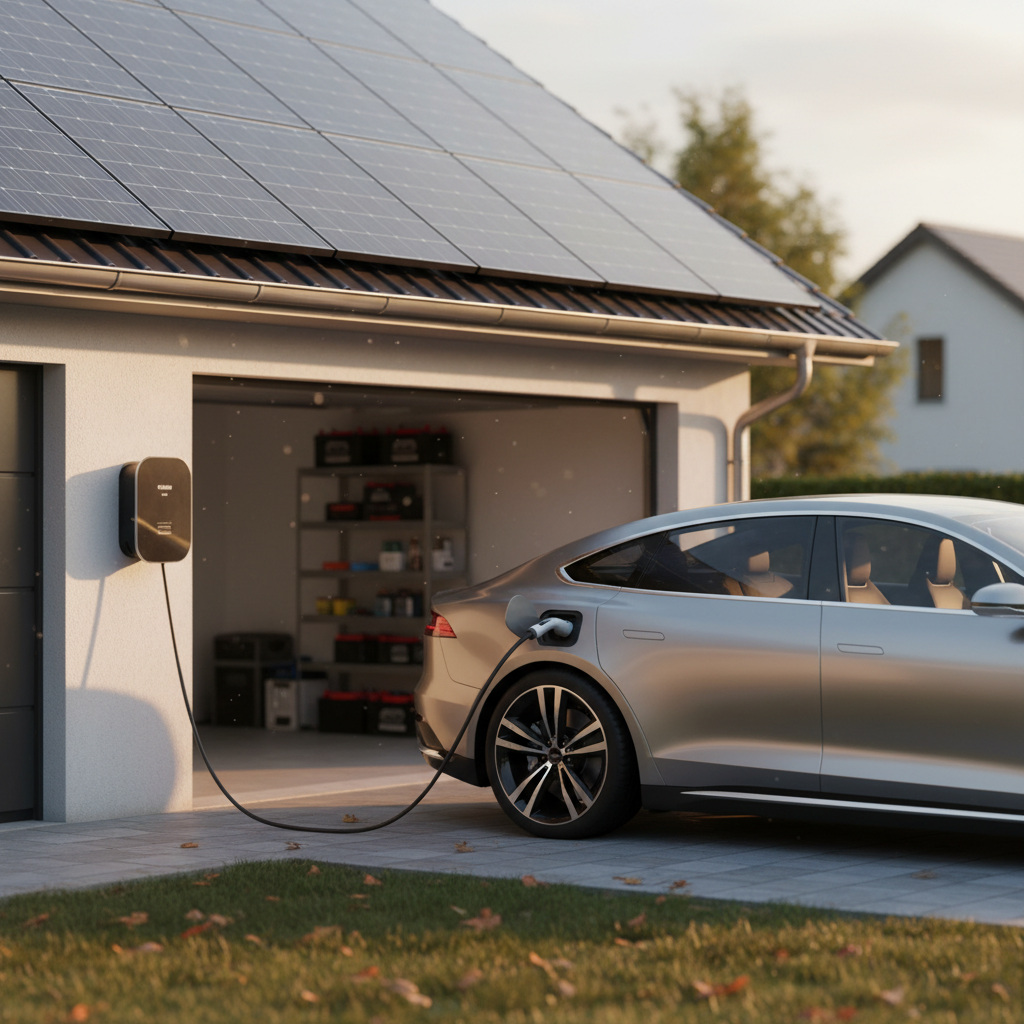
If you’re waiting for a giant parking lot of newly returned EVs to appear on one predictable morning, the market is less theatrical than that. Lease maturities are rolling contract events, not a national expiration day. You may still see temporary concentrations of particular makes or models, but the useful date is the maturity date on an individual lease, not a rumor about an industry-wide deadline.
There is no single bulk-expiration date
EV leases expire according to the maturity date written into each contract, so bulk returns occur as overlapping waves rather than one synchronized event. A wave may become more visible when many vehicles were originally leased during the same sales period, but not every lessee returns the car on schedule. Some people buy their vehicle, extend the agreement, terminate early, or arrange a return on a different day.
For one specific EV, the definitive sources are the lease agreement and the lessor’s account portal. A dealer’s advertised lease date, the vehicle’s model year, and its first registration can offer context, but none replaces the contractual maturity date. If you’re studying the broader used market, track available inventory and asking prices instead of treating a predicted expiration month as a guarantee.
Lease-event timing at a glance
These events are related, but they do not necessarily happen on the same day.
| Lease event | What it means | Market timing |
|---|---|---|
| Scheduled maturity | Contract reaches its end | Known to lessor |
| Early termination | Lease ends before maturity | Earlier than planned |
| Lease extension | Contract continues temporarily | Return arrives later |
| Lease buyout | Lessee keeps the EV | No used listing |
| Vehicle return | EV is handed back | May precede resale |
The contract maturity date is the starting point; actual market availability can come earlier or later.
Check the contract, not the model year

Why lease returns can still arrive in waves
Lease-return waves happen when many contracts that began during the same sales surge reach maturity within a similar period. Manufacturer promotions, the launch of a popular EV, fleet leasing, and regional demand can all concentrate future returns. The wave is then diluted by buyouts, extensions, early terminations, transport time, inspections, reconditioning, and different resale channels.
- A popular leasing period can produce a later return cluster.
- Buyouts remove vehicles from the expected used-EV supply.
- Extensions move some returns beyond their original maturity dates.
- Inspection and reconditioning can delay retail availability.
- Vehicles may be sold through auctions, franchise dealers, or EV specialists.
This is why predictions based only on an original sales spike are incomplete. They can suggest when supply might broaden, but they cannot tell you exactly when a clean, well-equipped example will reach a retail listing near you. If you’re learning how market supply affects value, see Recharged’s guide to why used-EV prices change.
Lease returns can add supply, but they don’t arrive as one clean shipment. The useful signals for a buyer are the actual vehicle, its battery condition, its price, and how it compares with the inventory available now.
What Recharged market data shows
Recharged’s data shows a moving used-EV market, not evidence of one national lease-return deadline. Across 1,796 EVs sold by Recharged over the trailing 12 months, the median retail price buyers paid was $27,297, while the average was $29,901. Monthly median retail prices ranged from $23,928 in February to $30,998 in September within the supplied period.
Among 417 EVs listed on Recharged at the September 22 snapshot, the median asking price was $30,997 and the average asking price was $34,803. Those are current listing prices, while the sold figures are final retail prices buyers paid, so they should not be treated as equivalent measures. They also cannot isolate lease returns as the cause of a monthly price change; model mix, age, mileage, battery condition, and equipment all matter.
The takeaway is simple: watch live supply and verified vehicle condition rather than trying to buy against an unsupported expiration forecast. Recharged includes a Recharged Score Report with verified battery health, fair-market pricing information, and EV-specialist guidance, helping you evaluate the actual car instead of its presumed path into inventory. You can also review how to buy a used EV before comparing listings.
Don’t include an expired federal credit in your math
Recharged data
Recent EV sold prices
$27,297
median sold price
What buyers actually paid through Recharged, not list price.
- Lowest
- $500
- Average
- $29,901
- Highest
- $129,998
Monthly median sold price
Based on Recharged sales in the last 12 months
Recharged data
Used EV prices at Recharged
$30,997
median list price
Current list prices for matching inventory at Recharged.
- Lowest
- $12,996
- Average
- $34,803
- Highest
- $146,998
Average Recharged Score on these listings
4.8 / 5
Range
3.7 – 5.0
Based on available listings
Every EV is battery-tested with a Recharged Score. Nationwide delivery.
How should you time an off-lease EV purchase?
You should buy when the right EV passes your condition, battery, history, and price checks, not merely when a predicted lease wave is supposed to crest. Broader inventory may improve your choice, but waiting can also mean losing a specific configuration or well-kept vehicle. Set objective requirements first, then compare listings against them.
What to check before buying a returned lease EV
Verified battery health
Use a battery-health report rather than assuming low mileage guarantees a healthy pack.
Vehicle history
Review ownership, accident, title, service, and recall information before committing.
Charging compatibility
Confirm the connector, home-charging plan, and public fast-charging access fit your routine.
Remaining coverage
Verify warranty status by vehicle and in-service date instead of relying on model year alone.
Tires and cosmetic condition
Inspect wear items and prior repairs even when the EV came from a mileage-limited lease.
Comparable retail prices
Compare similar age, mileage, condition, battery health, and equipment, not just the badge.
An off-lease history can be useful, but it is not a quality certificate. A returned EV still needs the same disciplined inspection as any other used vehicle, especially where battery health, tires, repair history, and software updates are concerned. Recharged’s used-EV battery-health guide explains what to examine before purchase.
Instant offer, trade-in, or consignment. Pickup available.
EV lease-expiration FAQ
The bottom line
Bulk EV lease expirations are best understood as rolling supply waves, not a single date circled on the industry’s calendar. For your own lease, trust the contract maturity date; for a used-EV purchase, trust current inventory, verified battery health, vehicle history, and comparable pricing. Recharged’s market data can help you read present conditions, but no responsible price forecast should pretend that lease maturities alone determine what an EV will cost.