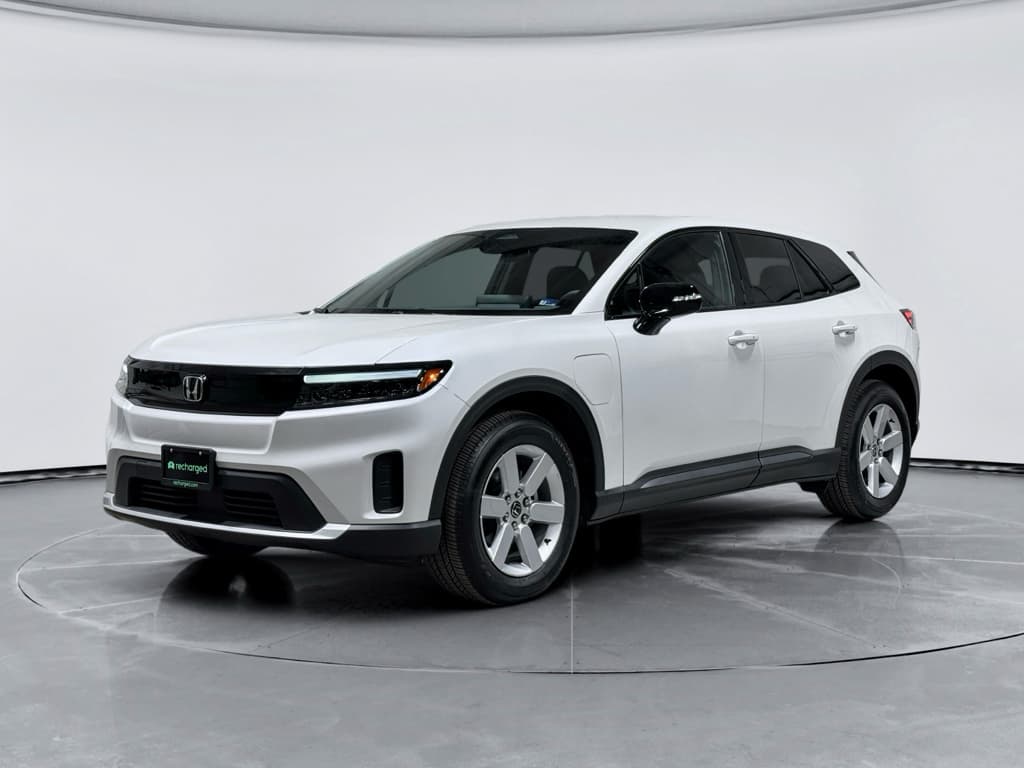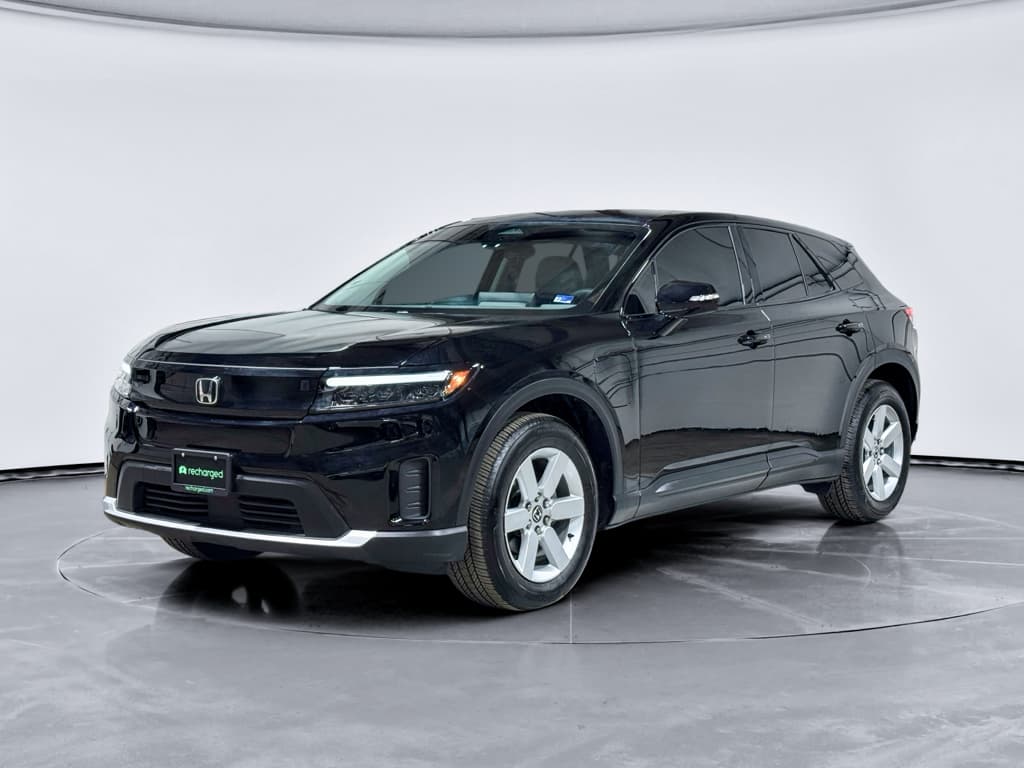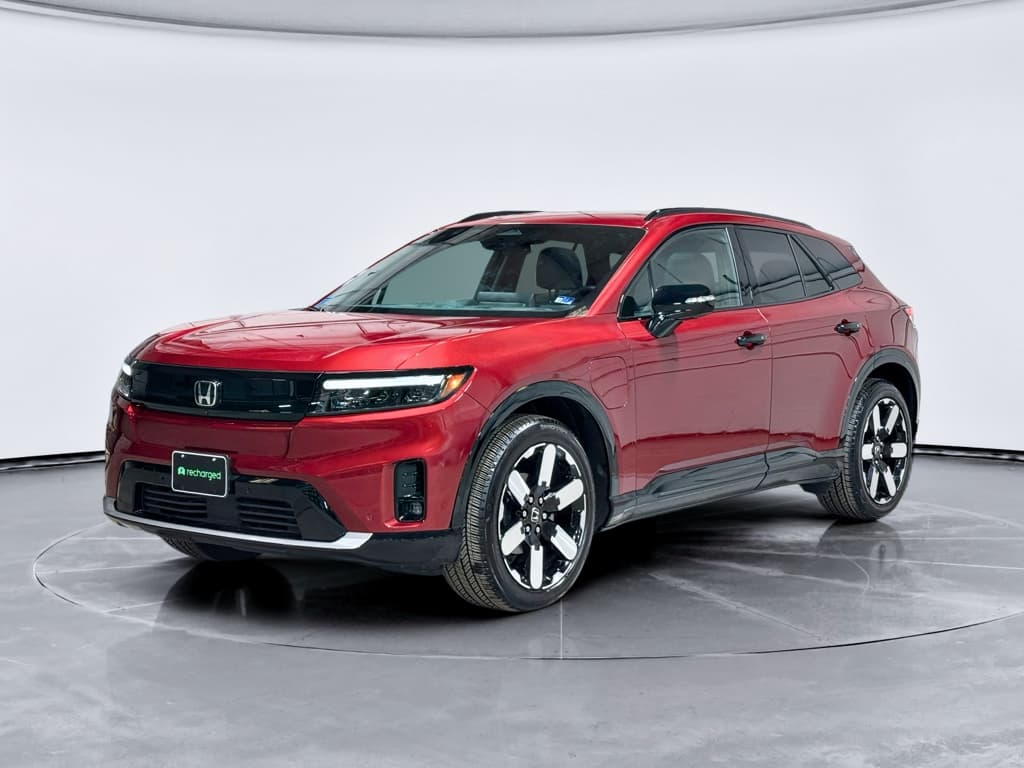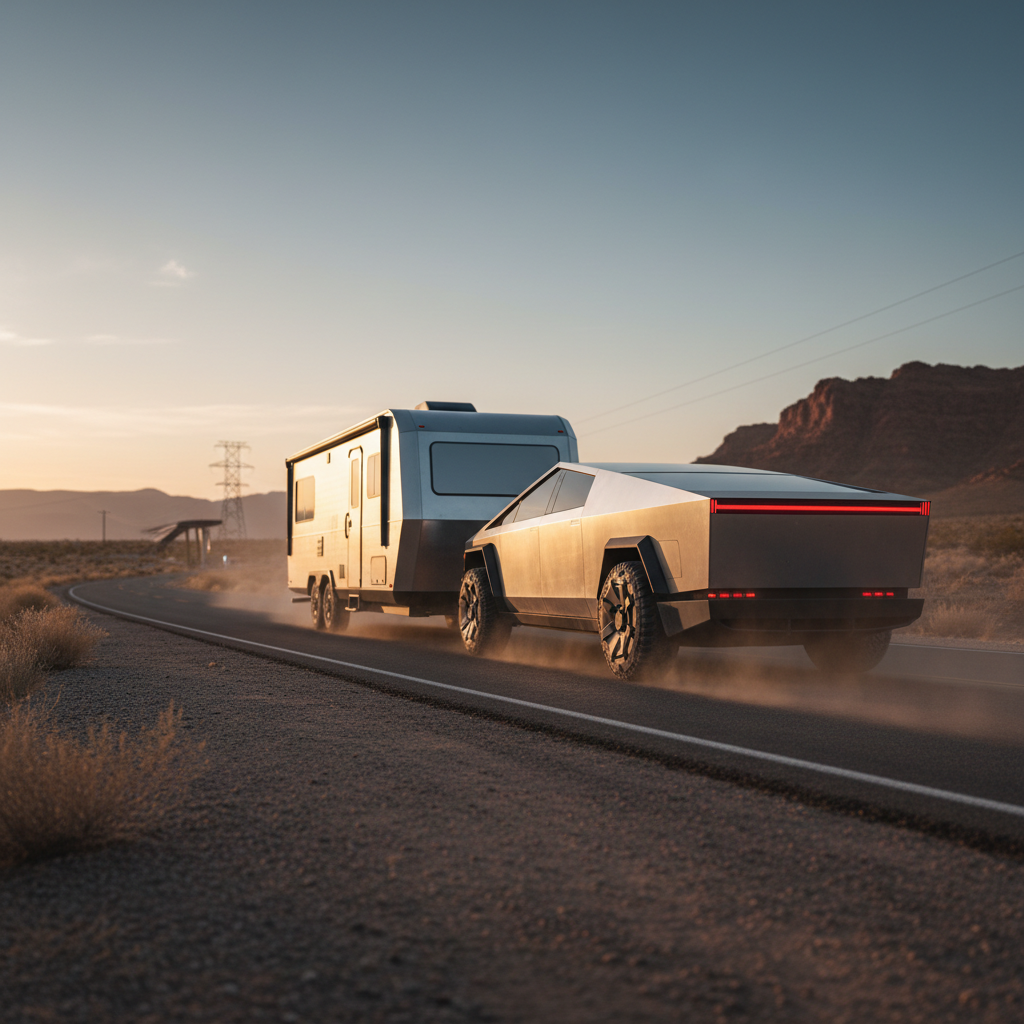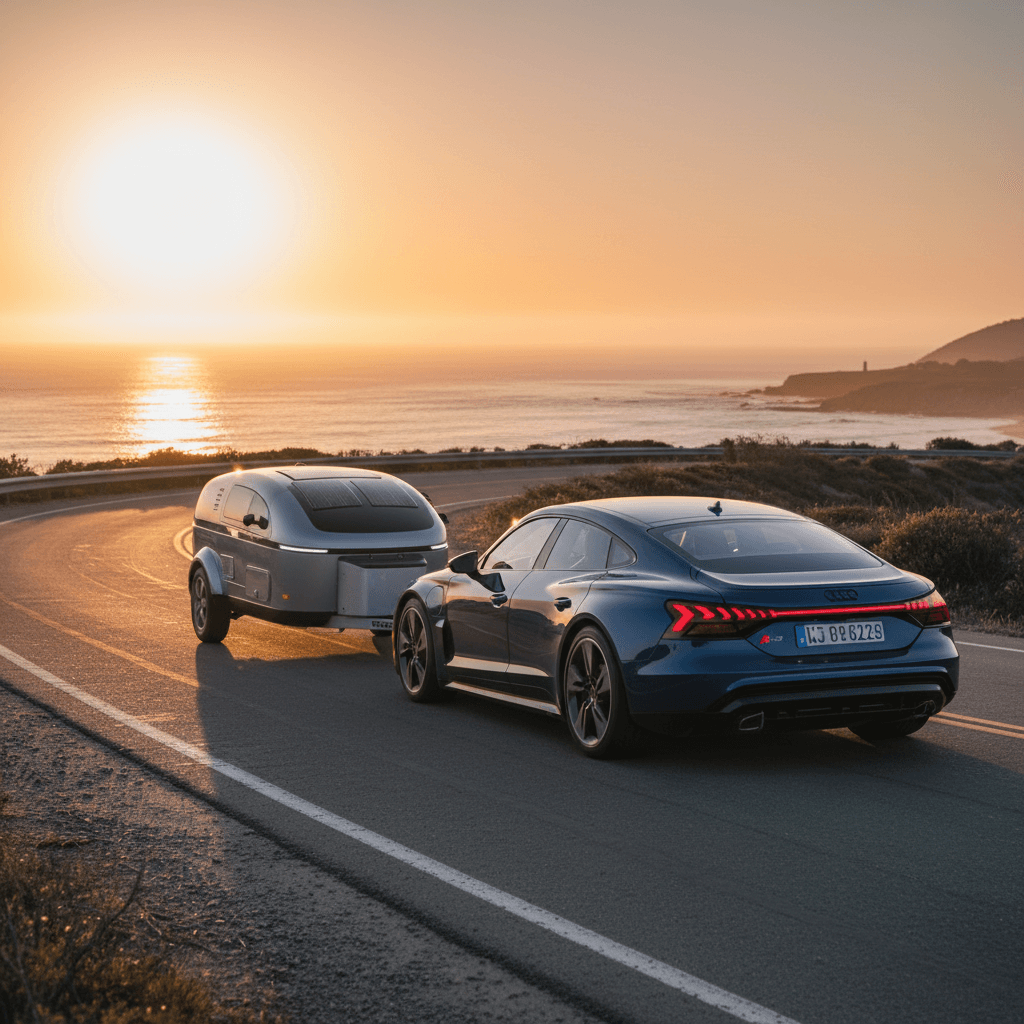
If you’re considering a Honda Prologue, you’re probably trying to square two questions: **how far will it go on a charge**, and **can it tow what my family actually needs?** The good news is that the Honda Prologue offers competitive range for an electric SUV and a modest, but useful, towing capacity, especially if you’re pulling a light trailer, small camper, or a pair of bikes.
Key takeaway
Honda Prologue towing capacity and range: quick overview
Headline Honda Prologue towing & range specs
On paper, the Prologue’s **1,500‑lb tow rating** puts it in the “light‑duty” camp. Think small utility trailers, a lightweight pop‑up camper, or cargo like lawn equipment and bikes, not a full‑size RV. Range is where the Prologue is more competitive: recent front‑wheel‑drive (2WD) versions reach about **308 miles of EPA‑rated range**, while all‑wheel‑drive trims fall into the high‑200‑mile bracket depending on wheels and equipment.
EV towing reality check
Honda Prologue towing capacity specs by trim
Honda keeps things simple: **all Prologue trims share the same 1,500‑lb maximum towing capacity**, whether you choose EX, Touring, or Elite, in front‑ or all‑wheel‑drive. That’s confirmed in Honda’s own specifications, which list a 1,500‑lb max tow rating across the board when the vehicle is properly equipped with a hitch and wiring.
Honda Prologue towing capacity by trim (recent model years)
Manufacturer‑published maximum trailer weight with proper equipment installed. Always confirm with the specific model year owner’s manual.
| Trim | Drivetrain | Max towing (braked) | Notes |
|---|---|---|---|
| EX | 2WD or AWD | 1,500 lb | Requires factory or dealer‑installed tow hitch and wiring; obey tongue‑weight limits. |
| Touring | 2WD or AWD | 1,500 lb | Same rating as EX; added comfort/feature content doesn’t change tow limit. |
| Elite | AWD | 1,500 lb | Top trim with standard AWD and larger wheels; tow rating unchanged. |
Towing ratings apply to both 2WD and AWD Prologue models unless otherwise stated.
Do not exceed ratings
- The 1,500‑lb rating assumes a braked trailer. Very light unbraked trailers may be allowed, but check your owner’s manual and local laws.
- Payload matters too: people, cargo, and tongue weight all count toward the vehicle’s gross weight limits.
- Aerodynamics are as important as weight. A tall, flat‑fronted camper will hurt range far more than a low, aerodynamic cargo trailer at the same weight.
Range ratings for FWD vs AWD Prologue trims
The Prologue uses an ~85‑kWh battery pack and offers either a single‑motor **front‑wheel‑drive** powertrain or a **dual‑motor all‑wheel‑drive** setup. Honda and EPA data show that the 2WD versions deliver the best range, while AWD trims sacrifice some efficiency for performance and traction.
Honda Prologue EPA range ratings (recent figures)
Approximate EPA range estimates; exact numbers vary slightly by model year and wheel size. Use this as a directional guide when comparing trims.
| Trim | Drivetrain | Approx. EPA range | EPA Combined MPGe | Notes |
|---|---|---|---|---|
| EX | 2WD (single motor) | ≈308 miles | ≈104 MPGe | Highest‑range configuration; best for long‑distance drivers. |
| Touring | 2WD (single motor) | ≈308 miles | ≈104 MPGe | Same battery and motor tune as EX with more features. |
| EX / Touring | AWD (dual motor) | ≈294 miles | ≈99 MPGe | More power and traction; small range penalty vs 2WD. |
| Elite | AWD (dual motor) | ≈283 miles | ≈99 MPGe | Highest equipment level and larger wheels trim range slightly. |
2WD Prologues offer the longest range; AWD trims trade a bit of efficiency for extra traction and power.
Real‑world range vs EPA
What the range numbers really mean day to day
Think in use‑cases, not just EPA labels.
Daily commuting
If your round‑trip commute is under 80–100 miles, any Prologue trim has comfortable buffer, even in winter, without mid‑day charging.
Weekend trips
2WD models let you comfortably plan 180–220 mile stints between fast‑charging stops; AWD trims are more like 160–200 miles at highway speeds.
Mountain & winter driving
Cold, hills, and snow can shave another 15–30% off those figures, so plan shorter legs and more frequent DC fast‑charge stops.
How towing affects Honda Prologue range
EVs like the Honda Prologue are extremely sensitive to load, speed, and aerodynamics. Hook up a 1,200‑lb boxy trailer and cruise at 70 mph, and your **watt‑hours per mile can nearly double** compared with solo city driving. That’s why EV owners often report losing 35–50% of their normal highway range when towing, especially with taller campers.
Light, low trailer (best case)
- Example: small utility trailer with bikes or yard gear, well under 1,000 lb.
- On a 2WD Prologue rated around 308 miles EPA, you might realistically see 180–220 miles per charge at 60–65 mph.
- Energy use increases, but aerodynamics stay relatively favorable.
Tall camper or cargo box (worst case)
- Example: 1,400–1,500‑lb tall cargo trailer or micro‑camper.
- At 65–70 mph, range could drop into the 140–170 mile band per charge, sometimes less in strong headwinds or cold.
- Front area of the trailer drives drag, not just weight.
Slow down to go farther
Towing with a Honda Prologue: practical best practices
1. Stay well under the 1,500‑lb limit
Aim for at least a 10–20% margin below the rating once you add gear, water, propane, and bikes. This keeps you within safe limits and leaves some performance buffer on hills.
2. Prioritize aerodynamics over raw weight
A 1,000‑lb teardrop camper will usually hurt range less than a 1,000‑lb, tall cargo box. If you tow often, choose your trailer shape carefully.
3. Use Eco and regen smartly
On rolling terrain, letting the Prologue coast more and avoiding aggressive acceleration will help preserve battery. Use higher regen in stop‑and‑go conditions but don’t rely on regen to “pay back” uphill climbs.
4. Plan conservative charging stops
When towing, plan DC fast‑charging stops based on <strong>half to two‑thirds</strong> of the normal solo‑driving range. Start with short legs and extend as you learn your setup’s real consumption.
5. Watch temperatures and grades
Long, steep grades in hot weather increase load on the battery and motors. Give the vehicle breaks at DC fast‑chargers and avoid back‑to‑back, full‑throttle hill climbs with a loaded trailer.
Charging speeds and road‑trip usability
Towing is only half the story. For road trips, especially with a trailer, you also need to understand how quickly the Prologue can recover range at public chargers and at home.
Honda Prologue charging basics
What to expect from Level 1, Level 2, and DC fast charging.
Level 1 (120V)
Good for emergencies and very light use. Expect roughly 2–3 miles of range per hour, not practical if you tow or road‑trip often.
Level 2 (240V)
With an 11 kW‑class onboard charger and a 48‑amp home unit, you’re looking at roughly 8–10 hours for a near‑full charge, perfect for overnight replenishing.
DC fast charging
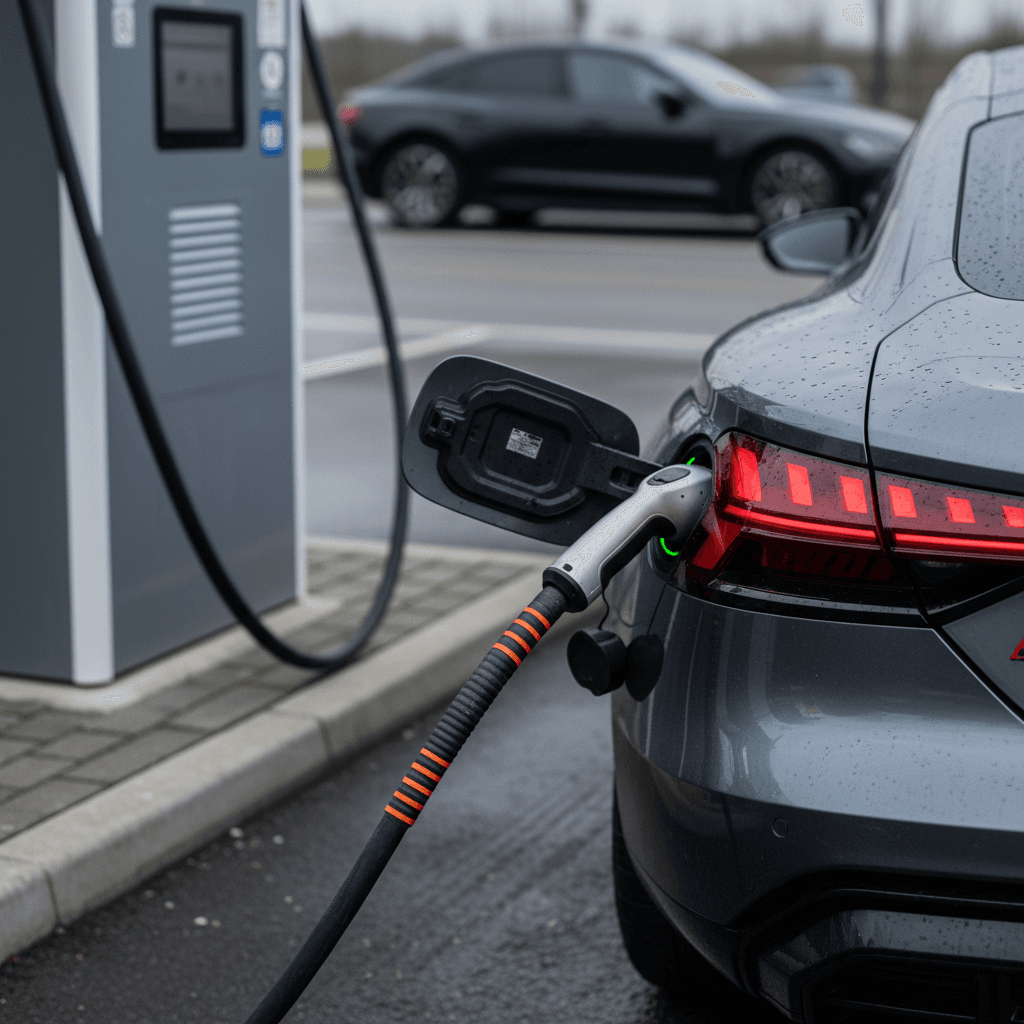
The Prologue supports up to around 150 kW DC fast‑charging. Honda quotes about 10–80% in ~35–40 minutes in ideal conditions, adding roughly 60–80 miles in about 10 minutes when starting at a low state of charge.
Tesla Supercharger access
From a long‑distance perspective, this puts the Prologue into the “fully road‑trip capable” category, with one caveat: its **150 kW peak rate is no longer class‑leading**, and the charging curve matters as much as the peak. If you’re used to Tesla or Hyundai/Kia 800‑V platforms, expect a bit more time per stop, especially above 60–70% state of charge.
Road‑trip strategy with a trailer
Honda Prologue vs other electric SUVs for towing and range
In the emerging world of EV crossovers, the Prologue positions itself as a **mainstream family SUV first, light‑duty tow vehicle second**. Its range is competitive, but its 1,500‑lb tow rating trails some rivals that are more explicitly marketed as adventure rigs.
How Honda Prologue compares with key EV SUV rivals
Approximate, commonly cited specs for context only. Always consult official sources for the latest figures.
| Model | Max towing | Max EPA range (approx.) | Fast‑charge peak | Towing positioning |
|---|---|---|---|---|
| Honda Prologue | 1,500 lb | ≈308 mi (2WD) | ≈150 kW | Light utility, small trailers, bikes. |
| Hyundai Ioniq 5 | 2,300–3,500 lb (market dependent) | ≈303 mi | ≈230–235 kW (800‑V) | Stronger towing, faster charging. |
| Kia EV6 | Up to 3,500 lb | ≈310 mi | ≈230–235 kW | Sportier drive, better tow rating. |
| Tesla Model Y | Up to 3,500 lb | ≈310 mi | ≈250 kW+ | Popular EV crossover with stronger tow spec. |
The Prologue delivers solid range but relatively modest tow capacity versus some competitors.
Where the Prologue makes sense
Buying a used Honda Prologue: towing & range checks
Because the Prologue launched in the mid‑2020s, you’re already starting to see early examples hit the used market. For many buyers, a used Prologue can be a smart way to get solid range at a lower price point, but towing and battery health deserve special attention.
Used Honda Prologue checklist: towing & range
1. Confirm towing history and equipment
Ask whether the vehicle towed regularly and what kind of trailer was used. Frequent, heavy towing in hot conditions can stress batteries and drivetrains. Make sure any hitch is properly installed and rated.
2. Inspect tires and brakes
Towing adds wear to tires and brakes. Uneven tire wear, cheap replacement tires, or warped rotors may hint at hard use, budget accordingly.
3. Check DC fast‑charging behavior
On a pre‑purchase test, visit a DC fast charger and watch how quickly the car ramps up to power and how long it holds higher speeds. Unusually low charge rates can indicate battery conditioning issues or software limits.
4. Look at realistic range, not just the number on screen
Reset a trip meter, drive a consistent highway loop, and compare miles driven vs percent battery used. That’s a better proxy for remaining battery health than any single range estimate.
5. Review charging history if available
Heavy, frequent DC‑fast‑charge usage isn’t automatically bad, but combined with towing and hot‑weather use it can accelerate wear. Ask for service records and software update history.
How Recharged helps with used Prologues
FAQ: Honda Prologue towing capacity and range
Frequently asked questions
Bottom line: Who the Honda Prologue works for
The Honda Prologue isn’t an electric replacement for a half‑ton pickup or a body‑on‑frame SUV, and Honda doesn’t pretend otherwise. With a 1,500‑lb tow rating and roughly **300 miles of EPA range** in its most efficient trims, it’s a comfortable, efficient family crossover that can also handle light towing duty when you need it to.
If your life looks like school runs, commuting, grocery trips, and the occasional weekend away with bikes or a small trailer, the Prologue’s mix of range, charging capability, including access to much of the Tesla Supercharger network, and everyday usability is compelling. If your plans involve a big camper and long‑haul towing, you’ll want to cross‑shop more tow‑focused EVs or plug‑in hybrids that are engineered around higher ratings.
When you’re ready to explore a **used Honda Prologue** or other electric SUVs with similar capabilities, Recharged can help you compare options, understand real‑world range and towing trade‑offs, and see verified battery health with a Recharged Score report. That way, you’re not just buying the right spec sheet, you’re buying the right EV for how you actually drive, tow, and travel.