If you’re new to electric cars, it’s natural to ask, “What maintenance does an EV need?” You’ve probably heard there’s no oil to change, but beyond that the picture can feel fuzzy, especially if you’re thinking about a used EV. Let’s walk through exactly what you do (and don’t) need to service on a modern electric vehicle, how often it comes up, and what it typically costs.
Big Picture
How EV Maintenance Differs From a Gas Car
What EVs Don’t Need
- No oil changes or oil filters
- No spark plugs, ignition coils, or timing belts
- No multi-speed automatic transmission service on most EVs
- No exhaust or emissions-system repairs (catalytic converters, mufflers, O2 sensors)
What EVs Still Need
- Tires and wheel alignment
- Brake fluid and occasional brake service
- Cabin air filter replacement
- Coolant for the battery/drive unit on many models
- Suspension components (bushings, shocks, control arms)
Why EV Maintenance Is Usually Cheaper
There’s an important nuance here. EVs cost less to maintain but can cost more to repair when something major goes wrong, especially if collision damage reaches the battery pack or high-voltage components. That’s one reason insurance can be higher, even though day‑to‑day maintenance is lower. A realistic plan is to budget less for routine service, but still carry solid insurance and follow your maintenance schedule so small issues don’t become big ones.
Core Maintenance Items Every EV Still Needs
The Short List: EV Maintenance Essentials
These are the items almost every EV will need at some point.
Tires & Alignment
EVs are heavy and have instant torque, so they work tires hard. Plan on:
- Rotate every 6,000–8,000 miles
- Check pressures monthly
- Alignment if you notice uneven wear or pulling
Brakes & Brake Fluid
Regenerative braking means pads and rotors can last 2–3x longer than in a gas car. But:
- Brake fluid still absorbs moisture over time
- Most brands recommend a brake fluid change around 2–3 years, then at set intervals
Cabin Air Filter
Your EV’s HVAC system uses a cabin filter to trap dust and pollen.
- Replace roughly every 2 years or 20,000–30,000 miles
- More often if you drive in dusty or urban areas
Pro Tip: Check the Owner’s Manual First
Beyond these basics, you may see a few other recurring items: coolant changes for the battery and drive unit on some models, desiccant or A/C service, and regular inspections of steering and suspension. None of this is unique to EVs, but it’s worth planning for over a 5‑ to 10‑year ownership window.
Typical EV Maintenance Schedule & Intervals
Service intervals vary by brand, but most EVs follow a simple, mileage-based pattern. Here’s a generalized schedule you can use as a sanity check against your specific car’s recommendations.
Example EV Maintenance Schedule
Always verify with your specific vehicle’s service guide, this table gives you a realistic baseline.
| Mileage / Time | Service Items | Notes |
|---|---|---|
| Every 6,000–8,000 miles | Tire rotation, basic inspection | Often coincides with seasonal tire changes in colder climates. |
| Every 10,000–12,000 miles | Multi-point inspection | Shops check brakes, suspension, steering, and fluids. |
| Every 20,000–30,000 miles | Cabin air filter | More often in dusty or high‑pollution areas. |
| Every 2–3 years | Brake fluid replacement | Prevents corrosion in calipers and ABS components. |
| Around 5–10 years (model-dependent) | Battery/drive unit coolant service | Not all EVs need this, check your manual. |
| As needed | Alignment, wiper blades, 12V battery | Driven by symptoms, climate, and age. |
Common maintenance intervals for modern electric vehicles.
Don’t Skip the Time Limits
Battery Health: What You Can (and Can’t) Maintain
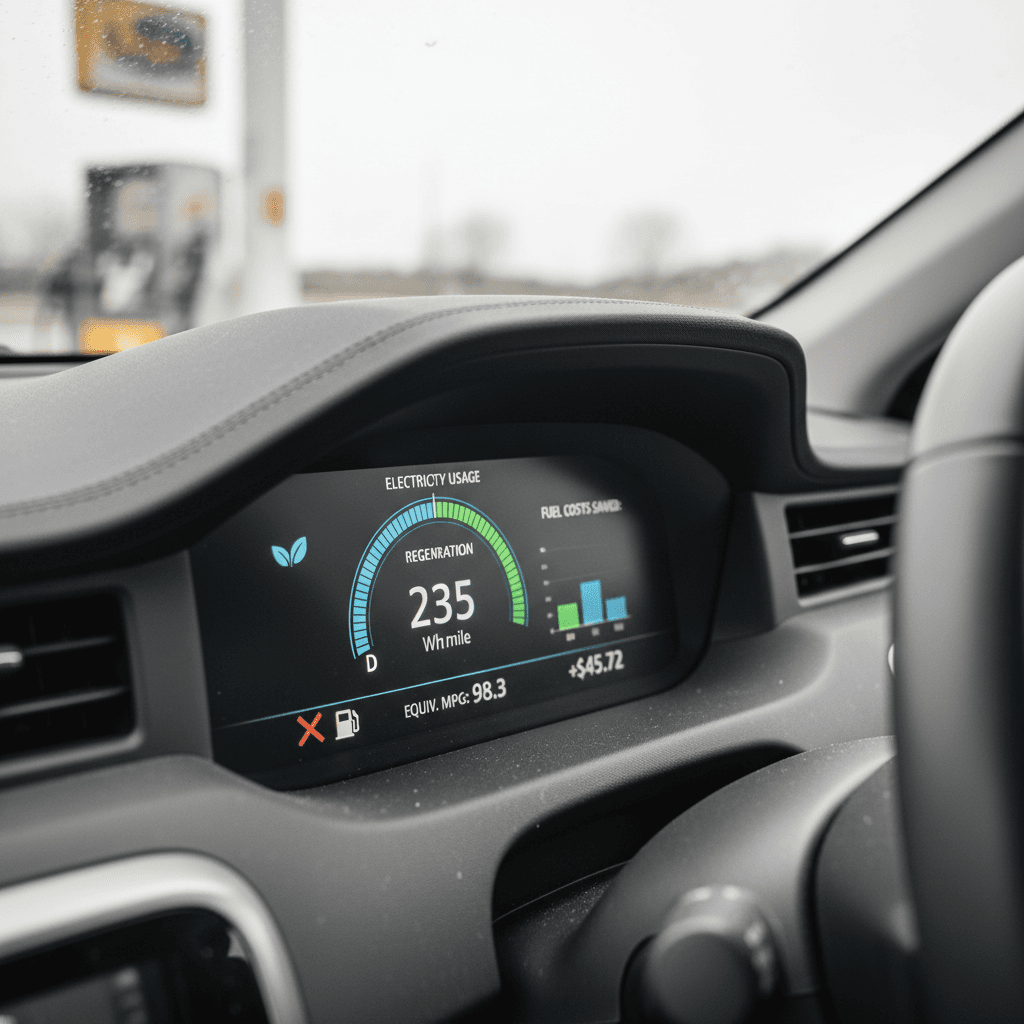
The traction battery is the heart of your EV, and it raises understandable questions. The good news: you don’t perform hands‑on maintenance on the main battery pack. It’s sealed, actively managed by software, and covered by a long warranty, typically 8 years or around 100,000 miles, sometimes more.
- Avoid fast‑charging all the time. Occasional DC fast charging is fine, but a steady diet of it can accelerate degradation on some packs.
- Don’t store the car at 0% or 100% for weeks. For long‑term parking, a 30–70% charge window is ideal.
- Use scheduled charging. Many EVs let you finish charging just before departure, which keeps the battery at high state of charge for less time.
- Keep the thermal system happy. In extreme heat, park in shade when you can. In deep winter, precondition the car while plugged in.
Typical Battery Degradation
When you’re shopping used, the key is to measure the actual battery health, not just guess based on age and mileage. That’s why every vehicle on Recharged comes with a Recharged Score Report, which includes verified battery diagnostics so you know exactly what you’re buying before you sign anything.
Brakes, Tires, and Suspension on EVs
EVs feel different to drive because of instant torque and strong regenerative braking. Those same traits influence how you maintain the chassis and braking system.
What to Watch With Brakes and Tires
Simple checks can save you serious money down the road.
Brakes: Use Them…Sometimes
Because regenerative braking slows the car without using the friction brakes much, pads and rotors can last a long time, but they can also corrode from lack of use.
- Ask for a brake inspection every year or two
- On long downhill stretches, occasionally use the pedal to keep things clean
- Flush brake fluid on schedule
Tires: Extra Load, Extra Attention
EVs are heavier than similar gas cars, and instant torque can scrub tread quickly.
- Stick to the recommended tire pressure on the door jamb
- Rotate regularly to extend life
- Consider EV‑rated tires when it’s time to replace
Safety First
Fluids and Filters in an Electric Vehicle
One myth says EVs have “no fluids.” In reality they have fewer, and they age more slowly, but there are still a few to keep an eye on.
- Brake fluid: Hygroscopic (absorbs moisture) and needs periodic replacement, typically every 2–3 years.
- Battery/drive unit coolant: Many EVs use liquid cooling. Intervals can be 5–10 years or longer; some are “lifetime” unless a component is opened.
- Washer fluid: Still your responsibility, top up as needed.
- Cabin air filter: Traps dust, pollen, and odors; expect to replace every couple of years.
- 12‑volt battery: Even high‑voltage EVs rely on a conventional 12‑volt battery for accessories and control systems. These often last 4–6 years and then need replacement.
Shop Tip
Software, Updates, and Remote Diagnostics
Modern EVs blur the line between car and computer. That’s good news for maintenance, the car is constantly monitoring itself and often telling you what it needs before anything breaks.
Digital “Maintenance” You Shouldn’t Ignore
A few minutes with your car’s app can replace a trip to the dealer.
Over‑the‑Air Updates
Most newer EVs receive software updates over Wi‑Fi or cellular. These can:
- Improve range and efficiency
- Fix bugs or warning light issues
- Add features without a shop visit
App Alerts & Health Reports
Many brands show tire pressures, scheduled maintenance, and diagnostic alerts right inside the smartphone app.
Don’t ignore new warnings, address them early.
Remote Diagnostics
Service departments can often pull data logs remotely.
That means a quick phone call can tell you whether a warning light is urgent or can wait for your next scheduled visit.
How Recharged Uses Diagnostics
Ready to find your next EV?
Browse VehiclesWhat EV Maintenance Really Costs Over Time
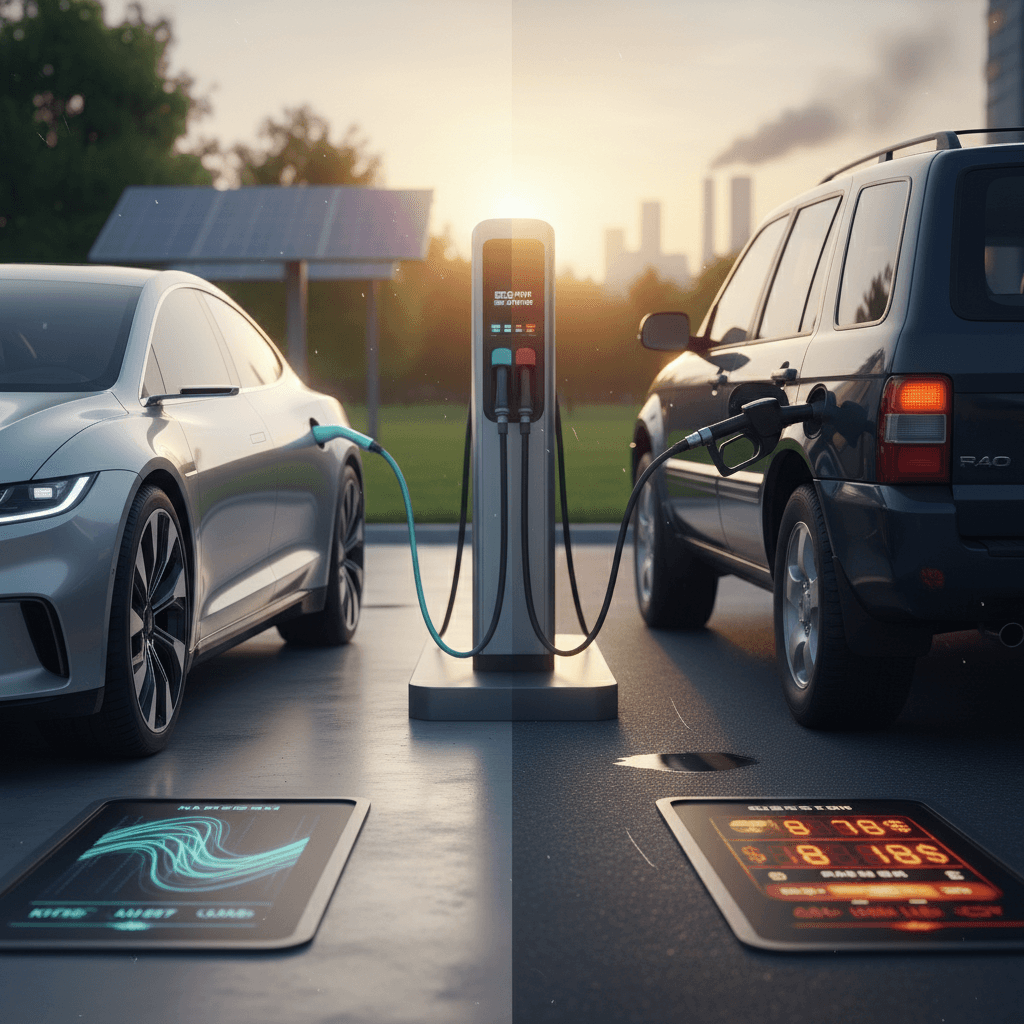
Let’s translate the maintenance talk into real dollars. Recent 2024–2025 studies show that EV owners generally spend 35–50% less on routine maintenance than owners of comparable gas vehicles. That lines up with what many drivers see in the real world.
Typical Annual EV Maintenance
- Tire rotation and inspection: about $60–$120
- Cabin air filter (every couple of years): averaged out to ~$40–$60 per year
- Brake fluid (every few years): averaged out to ~$30–$50 per year
- Estimated annual total: roughly $150–$300
This assumes no unusual repairs and basic driving habits.
Typical Annual Gas Car Maintenance
- Oil changes and filters: $150–$300
- Transmission and coolant services over time
- Plugs, belts, exhaust, emissions repairs
- Estimated annual total: often $900+ in a typical ownership cycle
Actual numbers vary by brand, but the pattern, more parts, more service, holds.
The Catch: Repairs vs. Maintenance
Maintenance Checklist When You’re Buying a Used EV
Shopping used is where EV maintenance knowledge really pays off. You’re not just buying a car, you’re buying someone else’s maintenance habits. Here’s a checklist to bring to any test drive or online listing review.
Used EV Maintenance Checklist
1. Verify Battery Health
Ask for a recent battery health report or range estimate at a known state of charge. On Recharged, this is built into the Recharged Score so you can compare vehicles side by side.
2. Confirm Service History
Look for proof of brake fluid changes, tire rotations, and any coolant service the manufacturer calls for. Gaps in basic maintenance are a red flag.
3. Inspect Tire Wear Patterns
Uneven wear can hint at alignment or suspension issues. It’s not an automatic deal‑breaker, but it’s worth factoring into your budget.
4. Check Brake Condition
During a test drive, feel for vibrations or noise under braking. Ask the seller when pads and rotors were last inspected or replaced.
5. Test All Charging Options
If the car includes Level 2 or DC fast‑charging capability, try at least one session before you buy. A car that won’t charge properly can turn into a big repair quickly.
6. Scan for Warning Lights & Software Updates
Turn the car fully on and look for warnings. Ask if the vehicle is running the latest software. On many EVs, staying updated can prevent minor glitches from becoming major headaches.
How Recharged Simplifies Used EV Maintenance Risk
EV Maintenance FAQs
Frequently Asked Questions About EV Maintenance
Bottom Line: What Maintenance Does an EV Need?
When you strip away the jargon, the answer to “What maintenance does an EV need?” is refreshingly simple: look after tires, brakes, a few fluids, and your software updates, and the car will generally look after you. Compared with a gas car, you’ll make fewer service appointments, pay for fewer parts, and spend more of your ownership budget on electricity instead of oil changes and repairs.
If you’re exploring a used EV, getting a clear picture of battery health and upcoming maintenance is the difference between a smart buy and a costly guess. That’s exactly what the Recharged Score Report is designed for, so you can compare vehicles confidently, line up financing, and even arrange trade‑in or nationwide delivery without leaving your couch. Ready to see how low‑maintenance EV ownership can really be? Start browsing used EVs that already have the homework done for you.