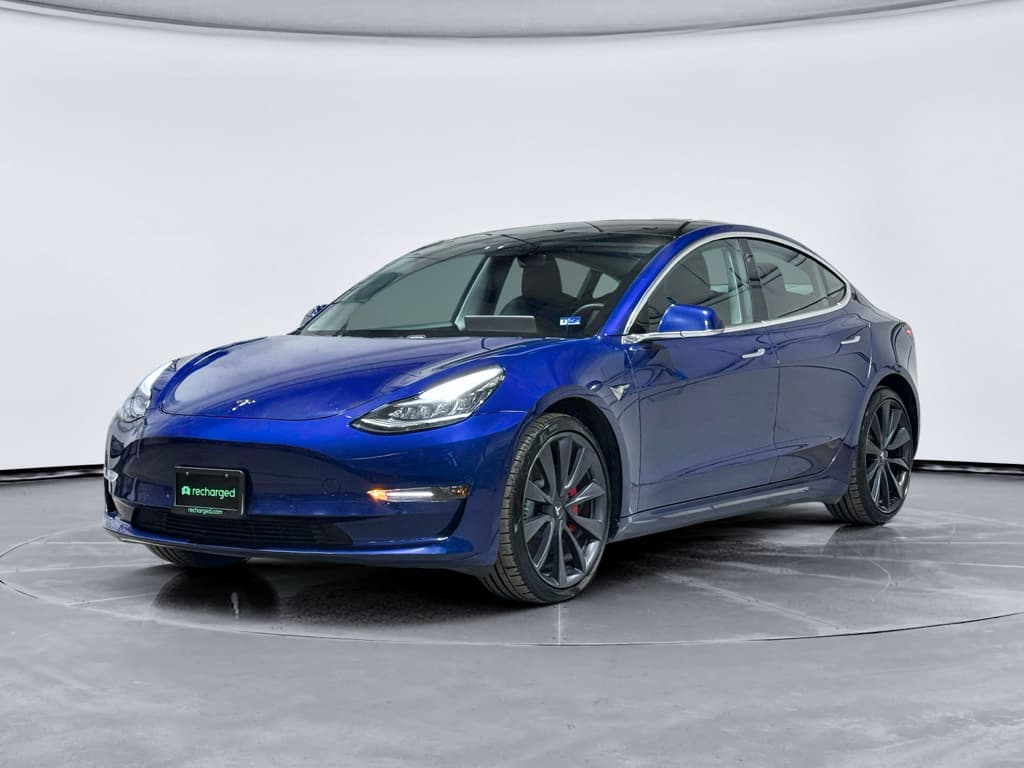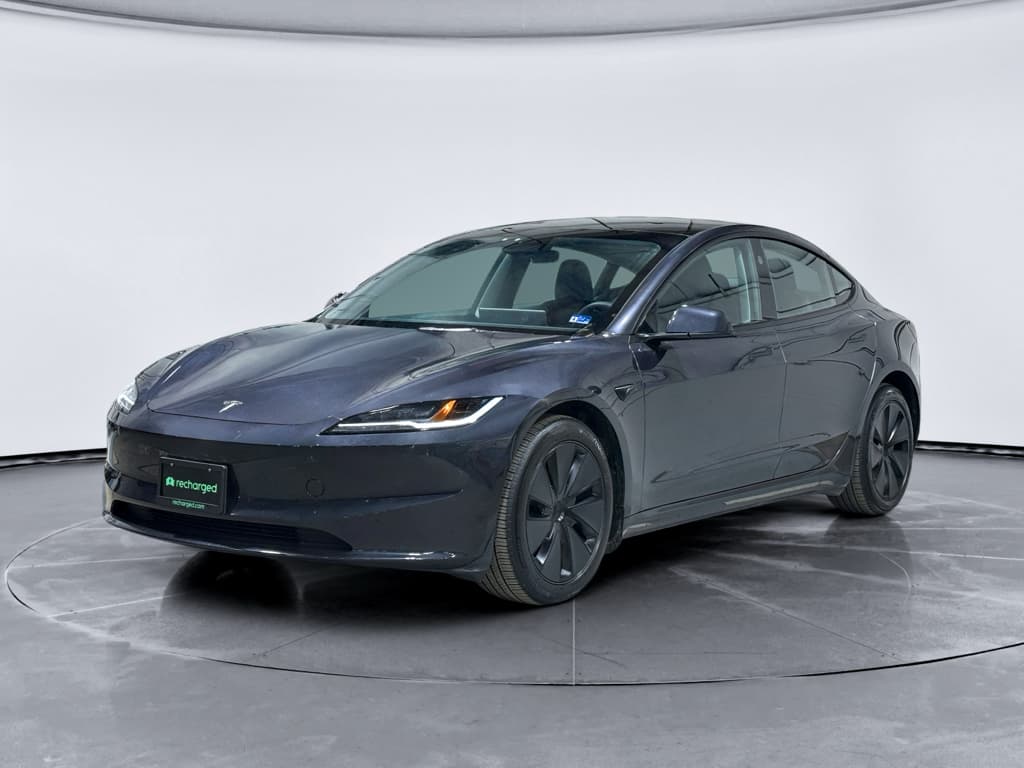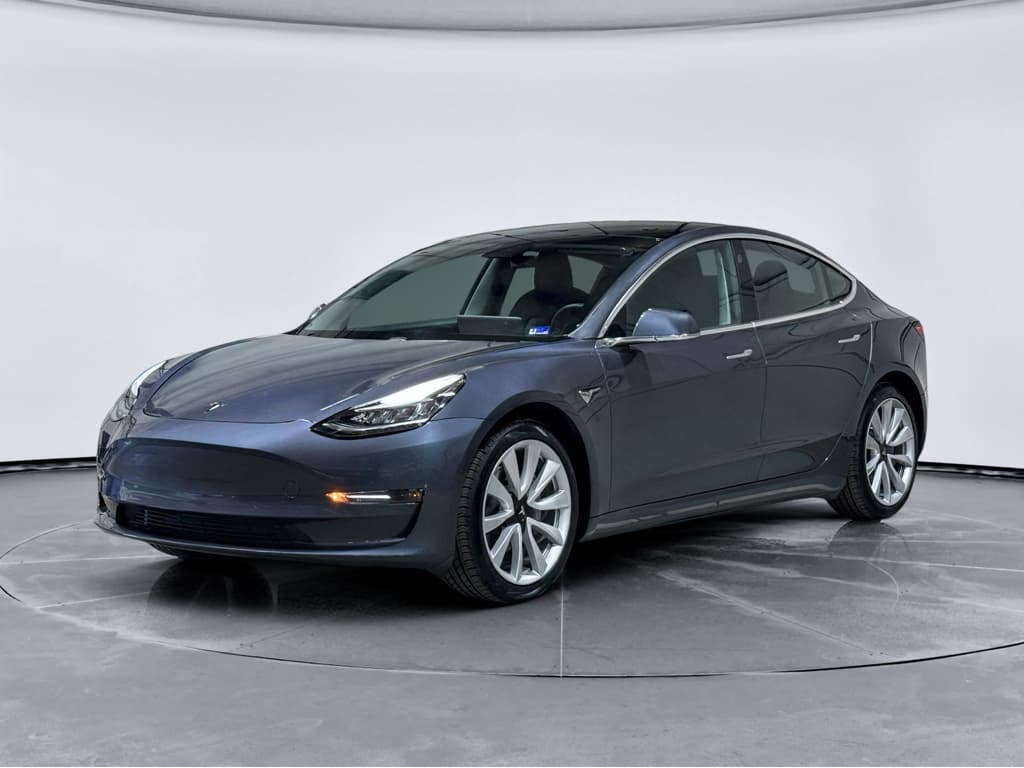
If you’re pricing a Tesla Model 3, you’ve probably discovered that insurance can be one of the biggest ongoing costs, especially if you’re a younger driver. Age is one of the strongest predictors of your Tesla Model 3 insurance rate, but it’s not the only one. Understanding how insurers price different age groups can help you decide which Model 3 to buy, how to structure your policy, and where a used EV from Recharged might fit your budget.
Key takeaway
Overview: How age affects Tesla Model 3 insurance
Insurers lean heavily on age because it’s a proven proxy for driving risk. Teen and early-20s drivers crash more often, file more claims and generate more severe losses, so they pay the steepest Tesla Model 3 insurance rates. Premiums tend to fall steadily as you gain experience, then flatten in your 40s and 50s before creeping back up once reaction times and claim frequency start to change in your 70s and beyond.
- Teens and early 20s: Highest risk, highest Tesla Model 3 premiums.
- Mid-20s to late 30s: Rates start to fall sharply if you keep a clean record.
- 40s to 50s: Often the lowest average rates for full coverage on a Model 3.
- 60s: Still competitive, but some carriers start to inch premiums upward.
- 70s and older: Pricing becomes more individualized; some see modest increases.
Don’t compare age in a vacuum
Average Tesla Model 3 insurance cost by age group
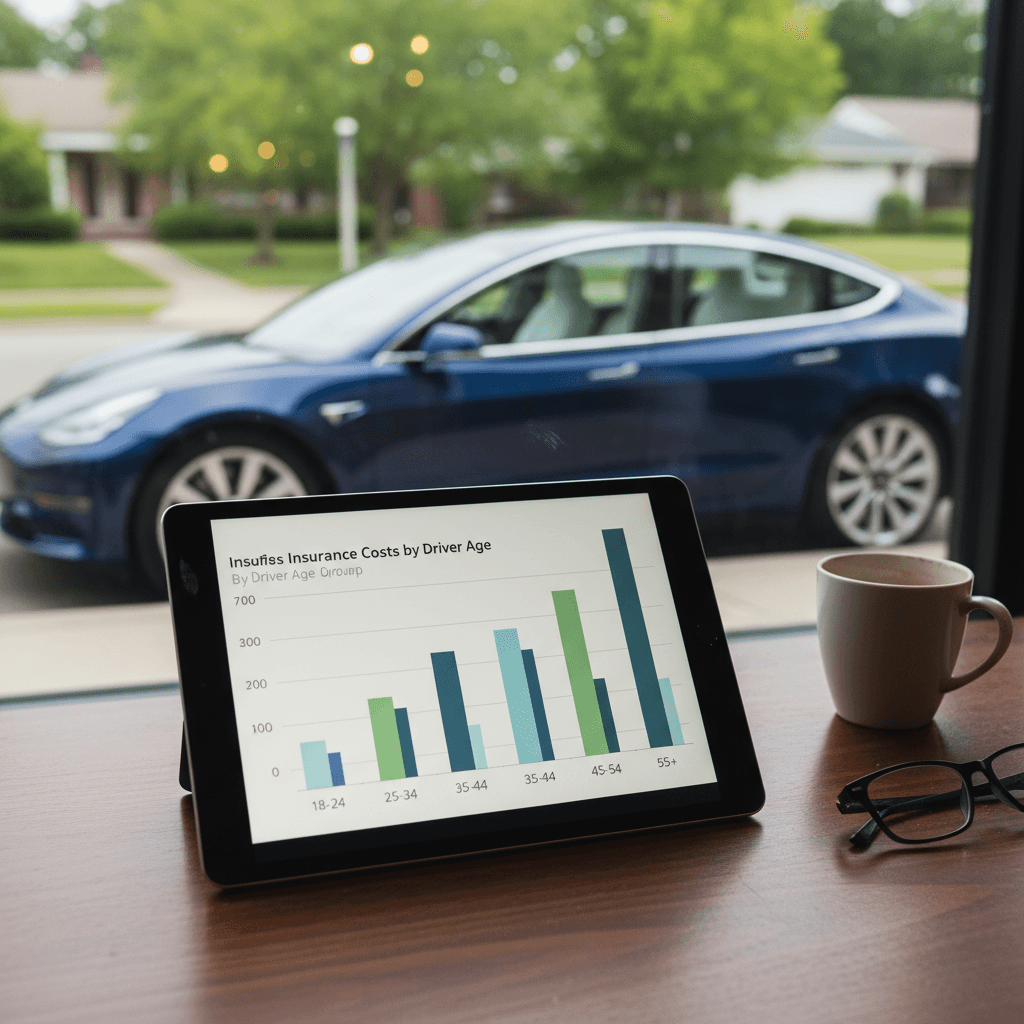
Every insurer publishes its own rates, and there’s no single national standard just for the Model 3. But recent analyses of Tesla Model 3 insurance show the same pattern: premiums are steep for young drivers and lowest for older, experienced drivers. To make this concrete, here’s a directional look at how annual full‑coverage premiums typically change by age for a Model 3 in 2026, assuming a clean record and average U.S. location.
Directional Tesla Model 3 full‑coverage insurance costs by age
Illustrative U.S. averages for drivers with clean records and typical coverage limits. Your actual premium will vary based on state, insurer, trim, mileage, and other factors.
| Driver age | Typical annual premium range* | How insurers view this group |
|---|---|---|
| 16–19 | $4,000 – $6,500+ | Highest risk; limited experience and higher crash frequency. |
| 20–24 | $3,000 – $4,500 | Still high, but falling quickly with each clean year. |
| 25–29 | $2,200 – $3,200 | Risk drops; many drivers see their first major rate relief. |
| 30–39 | $1,800 – $2,600 | Often some of the lowest average rates for a Model 3. |
| 40–55 | $1,600 – $2,400 | Sweet spot for pricing, experienced drivers with stable history. |
| 56–69 | $1,700 – $2,600 | Generally favorable, though some carriers start adjusting upward. |
| 70+ | $1,900 – $3,000 | More variation: great drivers still get good deals, but claim trends push some rates up. |
You’ll likely see the same U‑shaped curve with most insurers: high rates in your teens and early 20s, a long affordable middle, then a slight increase in your 70s.
About these numbers
How Tesla and EV insurance compares to gas cars
Why EVs, and Teslas, cost more to insure
Even once you control for age, EV insurance tends to run higher than gas‑car coverage. Tesla sits at the center of that story. The Model 3 is now a mainstream vehicle, but insurers still treat it like a high‑tech car with specialized parts and labor needs. That shows up in your premium, whether you’re 22 or 62.
Four reasons Tesla Model 3 insurance runs hot
These factors pile on top of age and driving history when an underwriter looks at your quote.
1. Repair complexity and labor
2. Expensive parts and sensors
3. Limited EV‑qualified shops
4. Evolving loss data
Why safety ratings help, but don’t solve everything
Beyond age: Other factors that move Model 3 rates up or down
Age is only one piece of the pricing puzzle. When an insurer prices your Tesla Model 3 policy, they blend your age with dozens of other data points. Two drivers the same age can see a difference of more than $1,000 per year just based on these other inputs.
- Location: Urban areas with heavy traffic, higher theft risk, or costly medical claims tend to push Model 3 premiums higher than quieter suburban or rural ZIP codes.
- Driving record: At‑fault crashes, speeding tickets, and DUIs are magnified on an already‑pricey EV. A single at‑fault collision can erase the rate advantage you’d normally enjoy in your 30s or 40s.
- Annual mileage: A Model 3 that runs 8,000 miles a year to commute and errands will usually cost less to insure than one logging 25,000 rideshare miles.
- Coverage and deductibles: Full coverage with low deductibles and high liability limits can be a smart move for a valuable EV, but it costs more than state minimums with bare‑bones limits.
- Credit (where allowed): In most states, insurers still factor in credit‑based insurance scores. Strong credit can meaningfully cut Model 3 premiums in middle age and beyond.
- Vehicle trim and options: A Performance Model 3 or one with upgraded wheels and paint will usually cost more to insure than a base RWD car with fewer expensive bits to replace.
Tesla Insurance
If it’s available in your state, Tesla’s own insurance product prices your rate in part around in‑car safety data, like hard braking and following distance. The company pitches this as a way for careful drivers of any age to pay less over time, as long as they keep a high safety score.
The flip side: not everyone is comfortable with real‑time driving behavior feeding into their rate, and availability is still limited depending on where you live.
Traditional insurers
Most national carriers still lean on classic underwriting: age, ZIP code, vehicle, prior claims, and in some cases telematics from a smartphone app. They may not price the Model 3 as aggressively as Tesla Insurance, but you can offset that with multi‑car discounts, bundled home policies, and careful shopping.
For many owners, getting quotes from both Tesla and non‑Tesla carriers is the fastest way to see which model works out cheaper for your age bracket.
How young Model 3 drivers can lower insurance costs
If you’re in your late teens or 20s, you’re facing a double premium: higher base rates because of your age and an EV surcharge because of the Model 3 itself. That doesn’t mean the car is out of reach, but you’ll want to be intentional about how you set up your coverage.
Smart moves for teens and 20‑somethings in a Model 3
Stay on a family policy when possible
Adding a young driver and a Tesla Model 3 to a parent’s multi‑vehicle policy is often cheaper than a separate stand‑alone policy. Multi‑car and multi‑driver discounts stack up fast.
Choose the right trim and wheels
An entry‑level Model 3 with standard wheels and fewer expensive add‑ons is generally cheaper to insure than a Performance model with large rims and sticky tires.
Raise deductibles cautiously
Higher comprehensive and collision deductibles can shave a meaningful amount off a steep young‑driver premium. Just make sure you can cover that out‑of‑pocket cost if something happens.
Ask about telematics and safe‑driver programs
Usage‑based insurance programs that monitor your driving via an app can be powerful for responsible young drivers, who have more room than older drivers to earn large discounts.
Keep your record spotless for three years
Insurers weigh recent violations heavily. Avoiding at‑fault crashes and serious tickets in your late teens and early 20s pays off in cheaper Tesla coverage for the rest of your 20s and 30s.
Shop widely, especially at renewal
Some companies simply don’t want young EV drivers and price accordingly. Don’t accept the first quote; compare several carriers every year or two.
Caution about cutting coverage too far
Saving in your 30s, 40s, and 50s
Once you hit your 30s, your age stops working against you and starts working in your favor, as long as your record stays clean. This is usually the window when a Tesla Model 3 becomes easiest to insure, even with EV‑level repair costs baked in.
Three ways experienced Model 3 drivers keep rates low
You’re in the best age bands. Now make the most of them.
Bundle home, renters, and auto
Increase liability, manage deductibles
Re‑shop every few years
This is the sweet spot
What happens to Model 3 insurance after age 65
Once you move into your late 60s and 70s, age creeps back into the underwriting model. Insurers look carefully at claim and injury data for older drivers, and some will start nudging Tesla Model 3 premiums higher, particularly in states where medical and legal costs from crashes run high.
Why some rates rise again
- Statistically higher injury severity and medical costs after crashes.
- Longer recovery windows, which increase claim payouts.
- More frequent comprehensive claims in some age bands.
Those trends don’t describe every driver, but insurers price for the group, then adjust for your individual record.
How older Model 3 owners can push back
- Take a mature‑driver safety course approved by your insurer or state.
- Review annual mileage, if you drive less, make sure your carrier knows it.
- Audit coverage: you may not need rental or roadside add‑ons if other options exist.
Because you often have long, clean histories and strong credit, you’re still an attractive customer, don’t hesitate to negotiate and shop around.
Insuring a used Tesla Model 3: what’s different?
From an insurance standpoint, a used Tesla Model 3 can actually be easier on your budget than a brand‑new one, especially if you’re past your mid‑20s. The vehicle’s lower actual cash value means there’s less for the insurer to replace, and that can modestly reduce comprehensive and collision premiums across most age brackets.
- Depreciation works in your favor: A three‑ to six‑year‑old Model 3 often costs meaningfully less to replace than a current‑model car, which can soften full‑coverage pricing.
- Battery health still matters: Insurers don’t directly rate on battery health yet, but a documented, healthy pack supports the overall value and insurability of the car.
- Trim and options: A used RWD or Long Range Model 3 with standard equipment will usually be cheaper to insure than a lightly used Performance model loaded with options.
- Lienholder requirements: If you finance your used Model 3, your lender will almost certainly require full coverage regardless of your age. Factor that into your payment math.
How the Recharged Score helps
Where Recharged fits into your total cost of ownership
Insurance is just one piece of owning a Tesla Model 3. Purchase price, financing terms, maintenance, charging costs, and resale value all flow into the same monthly budget. At Recharged, we’re focused on helping you manage that full picture, not just the sale price of a used EV.
Lower the real cost of a Tesla Model 3, not just the sticker price
How Recharged helps EV shoppers at every age band.
Used Model 3 selection with verified battery health
Financing designed for EV buyers
Trade‑in and instant offer options
Nationwide delivery and expert support
Frequently asked questions about Tesla Model 3 insurance by age
Tesla Model 3 insurance by age: FAQ
Insurance may not be the most exciting part of owning a Tesla Model 3, but it’s one of the most predictable. For most drivers, rates form a U‑shaped curve: expensive in your teens and early 20s, most affordable from your 30s through your 50s, and then gradually higher as you age. Electric‑vehicle realities, complex repairs, specialized labor, and evolving loss data, layer on top of that curve and nudge premiums up compared with many gas cars. If you understand where you sit on the age spectrum, choose the right Model 3, and shop your coverage intentionally, you can keep this line item under control. And if you’re considering a used Model 3, Recharged is built to help you see the whole cost picture up front, from battery health and pricing to the insurance bill that follows you long after delivery day.