If you’ve just gone electric, or you’re shopping the growing used EV market, the big question is simple: what maintenance does an electric car need compared with a gas car? The short answer: far less routine work, but a few items become more important, especially tires, brakes, and battery cooling.
EVs: fewer parts, fewer problems
How EV maintenance is different from gas cars
What EVs don’t need
- No engine oil or oil filters
- No spark plugs or ignition coils
- No timing belts or complex multi‑speed transmissions
- No exhaust system, mufflers, or catalytic converter
- No smog checks in many states for fully electric cars
What EVs still do need
- Tire rotations, balances, and eventual replacements
- Brake inspections and fluid changes
- Coolant checks for the battery and power electronics (most models)
- Cabin air filter replacements
- Occasional suspension and steering checks
Because there’s no engine, most traditional wear items disappear. That’s why several studies over the last few years show EV owners spend roughly half as much on routine maintenance and repairs over the life of the vehicle compared with owners of internal‑combustion cars. At the same time, EV collision repairs can be pricier because high‑voltage systems require trained technicians and extra labor to make the car safe to work on.
Good news for used EV shoppers
Core electric car maintenance checklist
Core maintenance items every EV owner should plan for
1. Tires: rotation, balance, and replacement
EVs are heavy and deliver instant torque, so they work tires harder than comparable gas cars. Plan on rotating every 6,000–8,000 miles and expect to replace tires a bit sooner than you might be used to, often around 25,000–40,000 miles depending on driving style and tire type.
2. Brake inspections and fluid
Regenerative braking dramatically reduces pad and rotor wear, but you still need annual brake inspections. Most automakers recommend replacing brake fluid every 2–3 years regardless of mileage to prevent corrosion in the hydraulic system.
3. Battery coolant and thermal system checks
Most modern EVs use liquid cooling for the high‑voltage battery and power electronics. Coolant doesn’t need frequent replacement, but it should be inspected during scheduled services and changed on the manufacturer’s timeline, often around 8–10 years or high mileage.
4. Cabin air filter and HVAC service
Your EV still has a conventional cabin air filter to keep dust and pollen out of the interior. Many manufacturers recommend replacement every 2 years or 20,000–25,000 miles. Heat‑pump systems or electric heaters may also need inspection to maintain range and comfort.
5. Suspension, steering, and alignment
The added weight of the battery pack means it’s smart to keep an eye on shocks, bushings, and alignment. If you notice uneven tire wear, pulling, or clunks over bumps, get an inspection, this protects both your tires and range.
6. 12‑volt auxiliary battery
Most EVs still use a conventional 12‑volt battery to power accessories and control modules. Expect to replace it every 4–6 years, similar to a gas car, even though the high‑voltage battery packs handle propulsion.
Don’t ignore your tires
Typical maintenance intervals for electric cars
Every manufacturer has its own service schedule, but most modern EVs follow a pattern similar to this. Always confirm with your owner’s manual or service advisor, especially if you’re buying a used car without a complete paper trail.
Typical maintenance intervals for a modern electric car
These are common ranges for popular EVs on the U.S. market. Your vehicle’s official schedule may differ.
| Item | Typical Interval | Notes |
|---|---|---|
| Tire rotation | 6,000–8,000 miles or 6–12 months | Often aligned with seasonal tire changes where winters are common. |
| Brake inspection | Once per year or 10,000–12,000 miles | Pads and rotors can last 2–3× longer than in gas cars. |
| Brake fluid | Every 2–3 years | Time‑based due to moisture absorption, even with low mileage. |
| Cabin air filter | Every 2 years or 20,000–25,000 miles | More often in dusty or urban environments. |
| Battery coolant | Around 8–10 years or 100,000+ miles | Some brands specify "inspection only" unless issues arise. |
| 12‑volt battery | Every 4–6 years | Watch for warning messages or slow wake‑up behavior. |
| Comprehensive inspection | Every 2 years | Covers suspension, steering, charging hardware, and safety systems. |
Use this as a planning guide, not a substitute for your owner’s manual.
EVs tell you when they need service
Battery and thermal system care
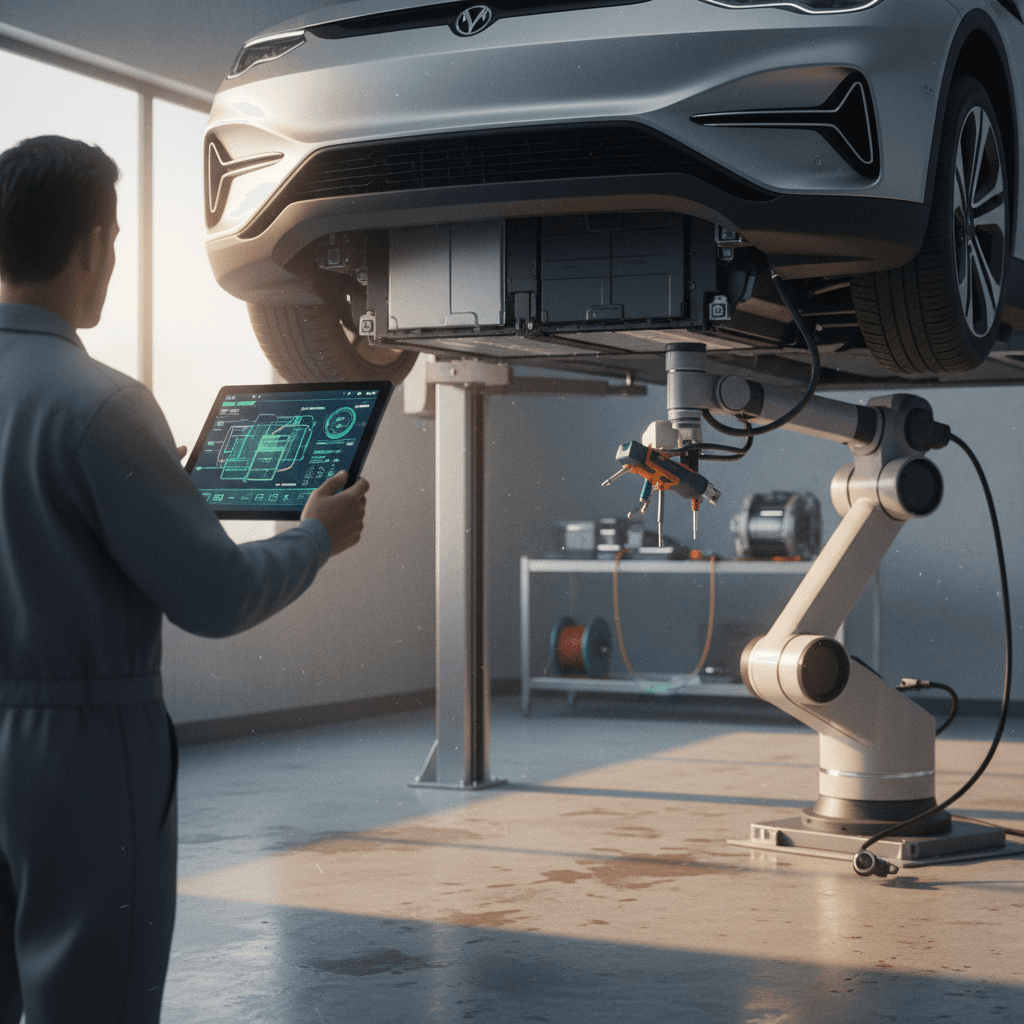
The traction battery is the most expensive component in an EV, but the good news is that it’s almost entirely maintenance‑free in day‑to‑day use. Modern lithium‑ion packs are designed to last many years, and real‑world data shows average capacity loss of under 2% per year in typical use. Most automakers back their packs with 8–10 year warranties that cover major degradation or outright failure.
- Avoid living at 100% charge if you don’t need it. Daily charging to 70–90% is friendlier to long‑term battery health than topping off every night.
- Don’t panic about occasional fast charging. DC fast charging is fine when you need it, just avoid using it as your only charging method if you have a convenient home or workplace option.
- Keep your EV plugged in during extreme heat or cold. The car can actively manage battery temperature, which protects components and preserves range.
- Use pre‑conditioning. Warming or cooling the cabin while plugged in reduces stress on the battery and keeps you comfortable when you hit the road.
High‑voltage work is not DIY
Brakes, tires, and suspension on an EV
Mechanical simplicity in the powertrain shifts more of your maintenance focus to what connects the car to the road. EVs tend to be heavier than similar gas cars, which increases tire and suspension loads, even though regenerative braking can extend pad life.
Key wear items on an electric car
What to expect over 5–10 years of ownership
Tires
Expect slightly faster wear than you may be used to, especially on performance‑oriented EVs with sticky tires. Rotate regularly and consider EV‑specific or low‑rolling‑resistance tires when it’s time to replace them.
Brakes
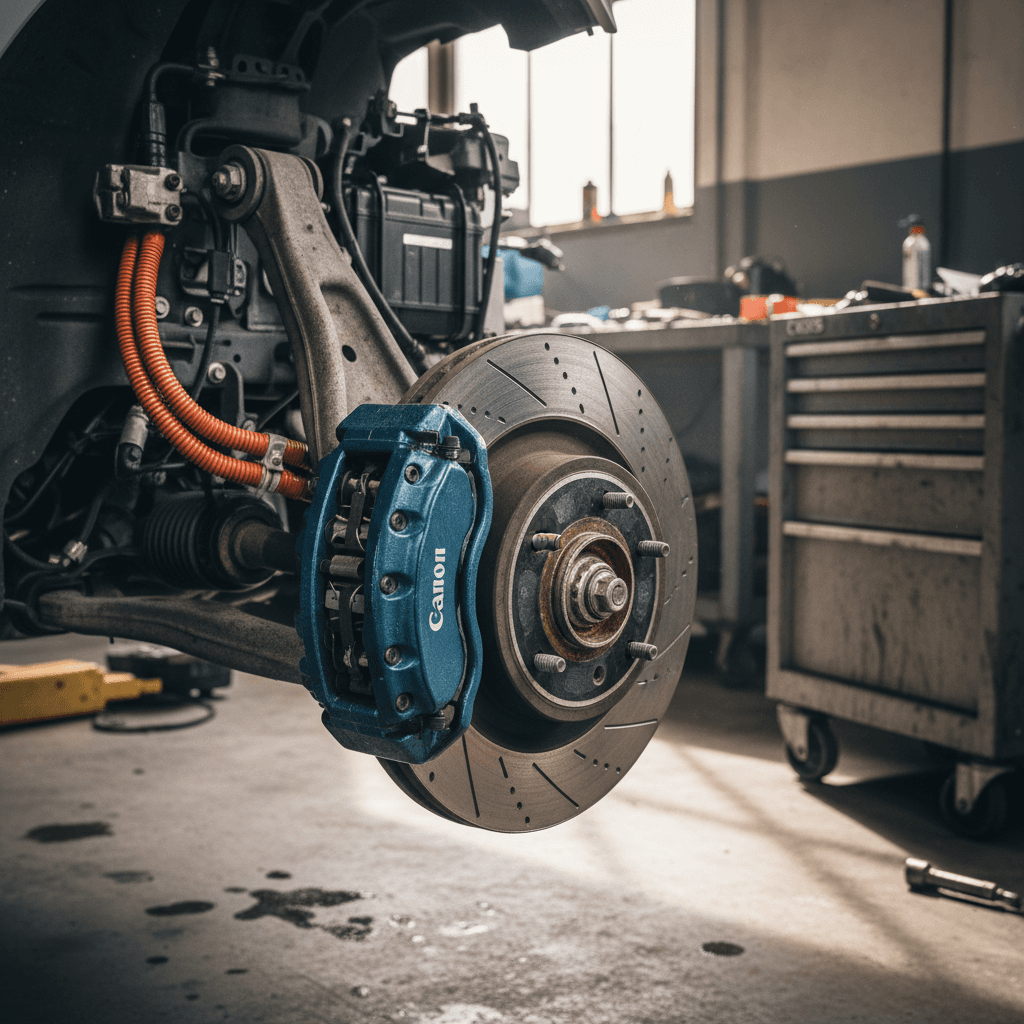
Regenerative braking means pads and rotors can go 70,000 miles or more in normal use. Still, have the calipers, pads, and brake fluid checked on schedule so they don’t seize or corrode from lack of use.
Suspension & alignment
Hit a big pothole with a heavy EV and you may knock alignment out of spec. Misalignment reduces range and chews up tires, so schedule an alignment check if the steering wheel is off‑center or you notice wandering.
Simple way to protect range and safety
Software updates and remote diagnostics
Unlike most gas cars, modern EVs are rolling computers. Automakers now push over‑the‑air software updates that can tweak charging behavior, fix bugs, add features, and sometimes even improve range or performance. Many EVs also run continuous self‑diagnostics and can alert you or your dealer before a minor issue becomes a real problem.
- Keep your vehicle connected to Wi‑Fi at home for faster, more reliable downloads.
- Schedule software installs for overnight so you’re not stuck waiting when you need to drive.
- Pay attention to warning messages in the app or on the dash, especially anything related to reduced power, charging faults, or high‑voltage system errors.
- Before a long trip in a used EV, run a full system check through the vehicle menu or app, and confirm there are no outstanding recalls or software campaigns.
How Recharged uses diagnostics
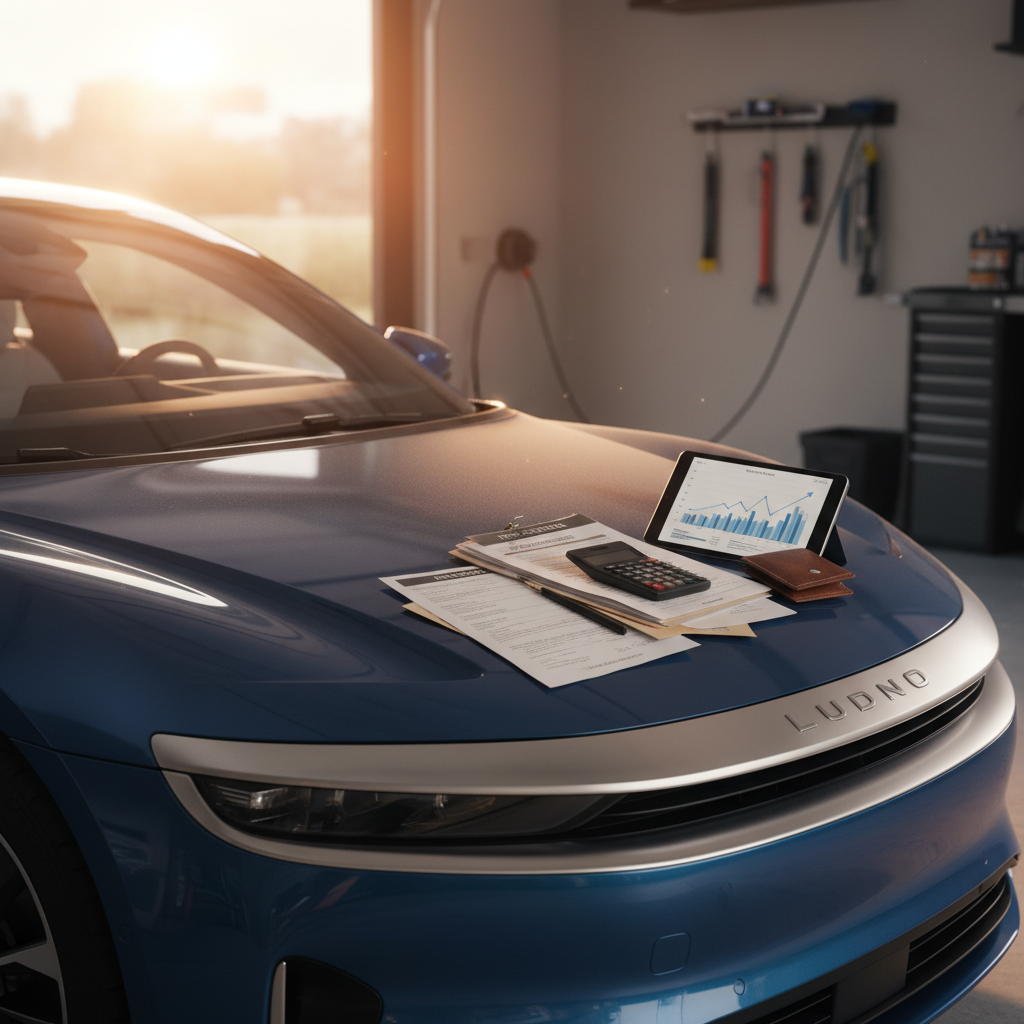
EV maintenance costs vs gas cars
How maintenance costs compare in 2025
Typical annual maintenance cost ranges
Illustrative ranges for a mid‑size vehicle driven about 12,000–15,000 miles per year.
| Vehicle type | Typical annual maintenance | Key drivers |
|---|---|---|
| Electric car | $150–$500 | Tires, occasional brake service, cabin filter, inspections. |
| Gas car | $900–$1,800 | Oil changes, filters, belts, transmission fluid, exhaust, more frequent brake service. |
Actual numbers vary by brand, region, and driving style, but the pattern is consistent: EVs cost less to maintain routinely, even if some collision repairs cost more.
Repairs vs. maintenance
Used EVs: how maintenance changes as cars age
By 5–10 years of age, EVs start to follow a different curve. You still avoid engine and transmission overhauls, but items like the 12‑volt battery, suspension components, and battery‑coolant service move to the front of the line. For buyers, this is where a transparent health report matters more than ever.
What to check on a used electric car
Especially on vehicles 5+ years old or with higher mileage
Battery health & history
Look for state‑of‑health readings, not just current range on the dash. Ask whether the car fast‑charged frequently, lived in extreme climates, or spent long periods parked at 100% charge.
Recharged vehicles include a Recharged Score with independent battery‑health data, so you’re not guessing.
Maintenance and recall records
Confirm cabin filter, brake fluid, and coolant services are up to date. Check that any recalls, especially those related to high‑voltage components or charging, have been completed.
Collision and underbody damage
Battery packs often form part of the vehicle’s structure. Have a trusted shop or Recharged partner check for prior repairs, corrosion, or impacts near the pack.
Charging hardware
Inspect the charge port, cables, and any included home charging equipment. Loose connectors, damaged cables, or missing adapters add cost and can point to hard use.
Where Recharged fits in
Ready to find your next EV?
Browse VehiclesCommon EV maintenance mistakes to avoid
- Skipping tire rotations because there’s “no engine service.” This is the fastest way to burn through a set of expensive EV‑rated tires.
- Ignoring brake inspections on the assumption that regenerative braking handles everything. Corrosion and sticking calipers are still real issues, especially in wet or snowy climates.
- Fast‑charging all the time when you have easy access to Level 2 home charging. It’s fine on road trips, but home charging is gentler on the battery and usually cheaper.
- Letting software updates pile up. Delaying updates can leave bugs unresolved or safety systems less effective.
- Attempting DIY work on high‑voltage components or opening up the battery pack. That’s a job for trained technicians with the right tools and safety gear.
“The surprise for many first‑time EV owners isn’t that maintenance is cheaper, it’s how little they visit a shop at all. The discipline shifts from oil changes to tires, brakes, and software.”
Electric car maintenance FAQ
Frequently asked questions about EV maintenance
Bottom line: what maintenance an electric car really needs
When you boil it down, an electric car’s maintenance needs are refreshingly simple: look after tires, brakes, a few fluids, and software, and let the battery management system handle the heavy lifting. You’ll visit a shop less often than you would with a gas car, and most of those visits will be quick inspections instead of major repairs.
If you’re already driving an EV, use your owner’s manual and in‑car reminders to stay on top of that short checklist. If you’re shopping for a used model, focus on battery health, tire and brake condition, and verified service history. Recharged was built around making that picture clear, combining battery diagnostics, fair‑market pricing, financing, trade‑in options, and delivery into one transparent experience, whether you’re browsing online or visiting our Experience Center in Richmond, VA.