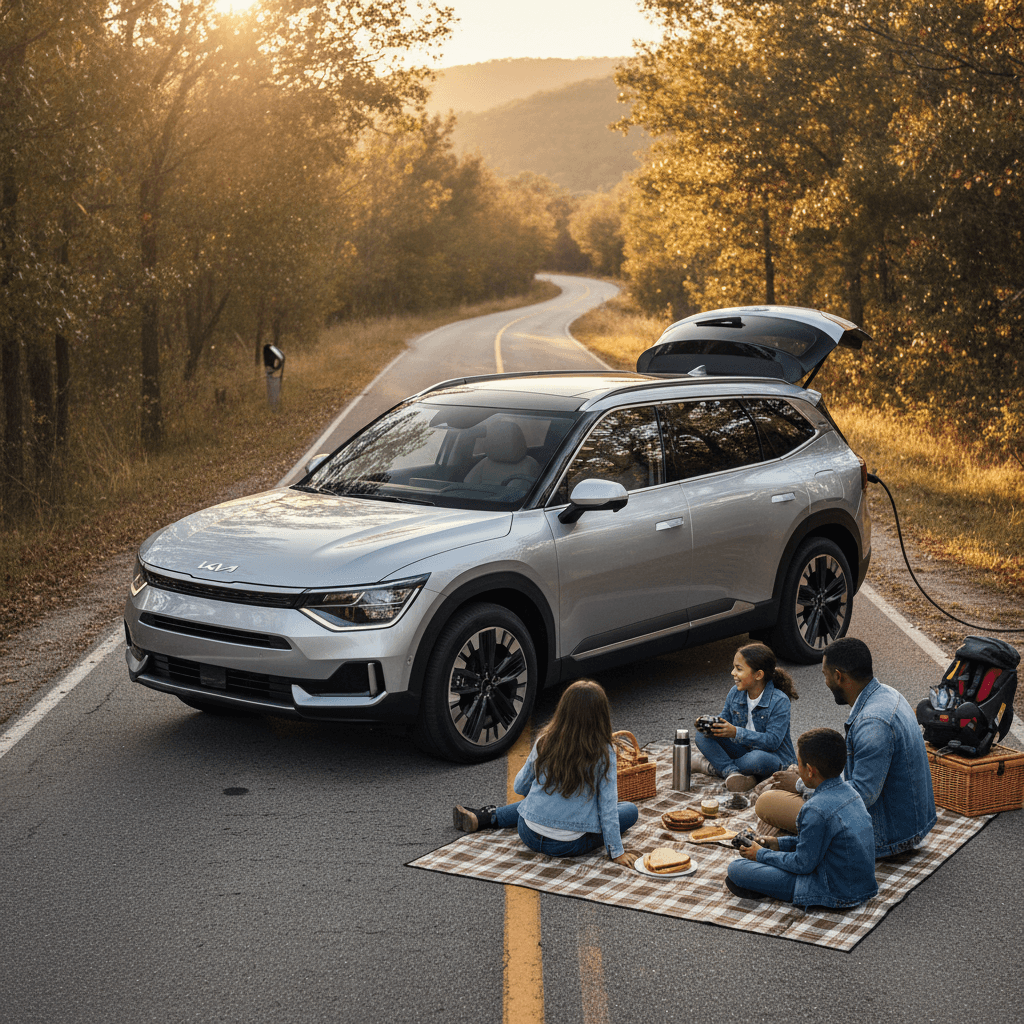
If you’re hunting for the best electric car for families in 2026, you’ve probably discovered the problem: everything looks great in the glossy marketing photos, until you try to fit a rear-facing seat, a stroller, a golden retriever, and a Costco haul at the same time. This guide cuts through the hype and focuses on what real families in 2026 actually need: space, safety, range, and sane pricing.
Before we start: new vs. used
Why 2026 Is a Breakout Year for Family EVs
A few years ago, “family EV” meant compromising: cramped crossovers, oddball doors, or premium prices that made daycare look cheap. By 2026, you’ve got a real bench to pick from. Hyundai’s Ioniq 9 is winning major family-car awards; Kia’s EV9 has become the default answer for “I need a three-row electric SUV”; Volkswagen’s ID. Buzz finally gives minivan energy to the EV world; and the usual suspects, Tesla Model Y, Hyundai Ioniq 5, Kia EV6, have matured into mainstream family crossovers.
Family EVs in 2026: What’s Changed
How to Define the “Best” Family EV for Your Life
1. Big crew, big cargo
If you’re running a rolling soccer team, three kids, friends, grandparents, you’re in three-row EV territory. Focus on:
- Real adult-usable third row (not just for toddlers)
- At least 18 cubic feet of cargo behind row three
- Easy access for installing multiple car seats
2. Small family, big life
One or two kids? You might be happier in a two-row crossover with better efficiency and lower cost. Look for:
- Comfortable second row for rear-facing seats
- Fold-flat cargo space for strollers and gear
- Range of ~250+ miles for road trips without drama
Decide your non‑negotiables first
Best 3-Row Electric SUVs for Big Families
If you regularly carry five or more people, start with three-row EVs. These are the heavy hitters for 2026 for U.S. families who want real space plus serious range.
2026 MVPs: Three-Row Electric Family Haulers
Standout options if your life looks like a shuttle schedule
Kia EV9
The EV9 is the family EV that finally feels normal, in a good way. Traditional SUV stance, honest boxy shape for space, and an interior that’s more practical than precious.
- Seats: 6–7, usable 3rd row
- Range: roughly up to 300 miles depending on trim
- Why families love it: Easy car-seat access, lots of storage cubbies, and fast 800‑volt DC charging for road trips.
Hyundai Ioniq 9
The Ioniq 9 is Hyundai’s big flagship EV SUV and a darling of 2026 family-car rankings. Think EV9’s more sculpted, slightly upscale cousin.
- Seats: 6–7, very roomy third row
- Range: targeted around 300+ miles on many trims
- Why families love it: Huge cabin, refined ride, and family-friendly tech like advanced driver assists and kid-pleasing screens.
VW ID. Buzz
If you secretly want a minivan but your ego says “absolutely not,” the ID. Buzz is the loophole. It’s a modern electric bus with real charm.
- Seats: 6–7 in long-wheelbase models
- Cargo: cavernous, with up to mid‑100s cubic feet seats-folded
- Why families love it: Low floor, sliding doors (on certain trims), and kid-delighting style that makes school drop-off feel like an event.
Watch the fine print on availability
If your budget stretches higher and you want “luxury ski lodge on wheels,” you can also look at options like the Rivian R1S or Mercedes EQS SUV. Just know you’re paying a premium for brand and materials; for most families, the EV9 and Ioniq 9 hit the sweet spot of cost, space, and features.
Best 2-Row Family EVs: Crossovers and Hatchbacks
Not every family needs a rolling hotel. For one or two kids, a dog, and normal amounts of stuff, the right two-row EV can be cheaper, easier to park, and more efficient, while still handling road trips.
Standout 2-Row Electric Family Cars for 2026
When you want versatility without the three-row bulk
Hyundai Ioniq 5
A design-school concept car that somebody accidentally put into production, and then made practical. It keeps racking up “best family EV” nods.
- Seats: 5
- Cargo: A generous hatch with flexible floor and split-fold seats
- Why families love it: Sliding second row, easy LATCH anchors, and a cabin that feels airy rather than cramped.
Tesla Model Y
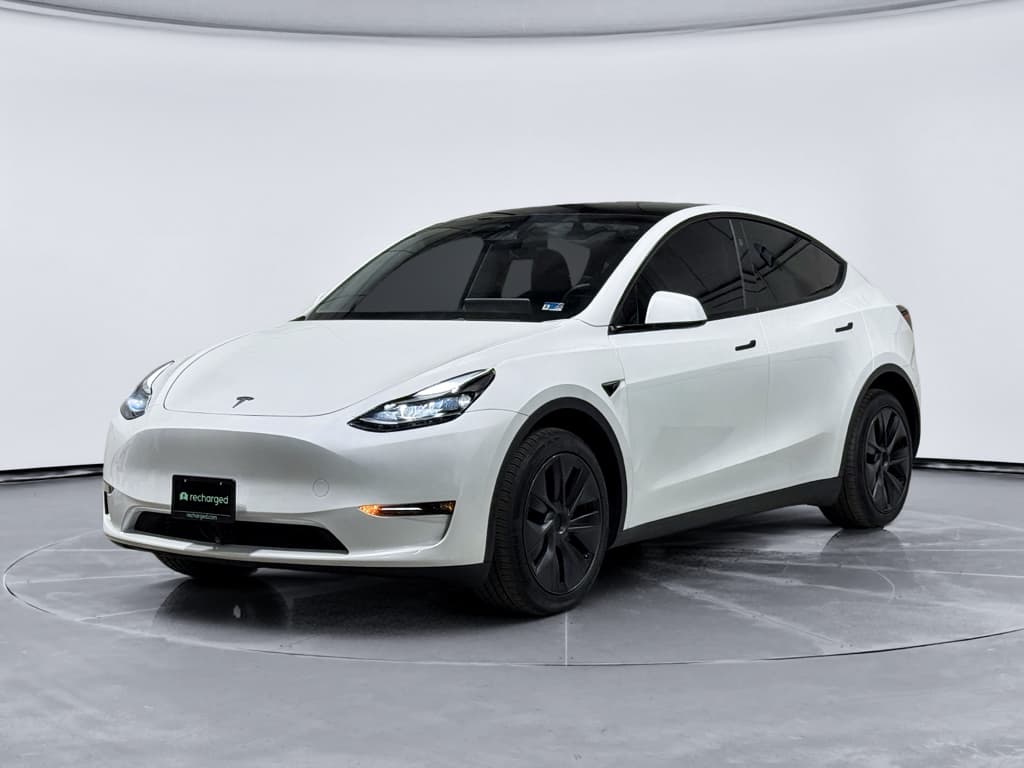
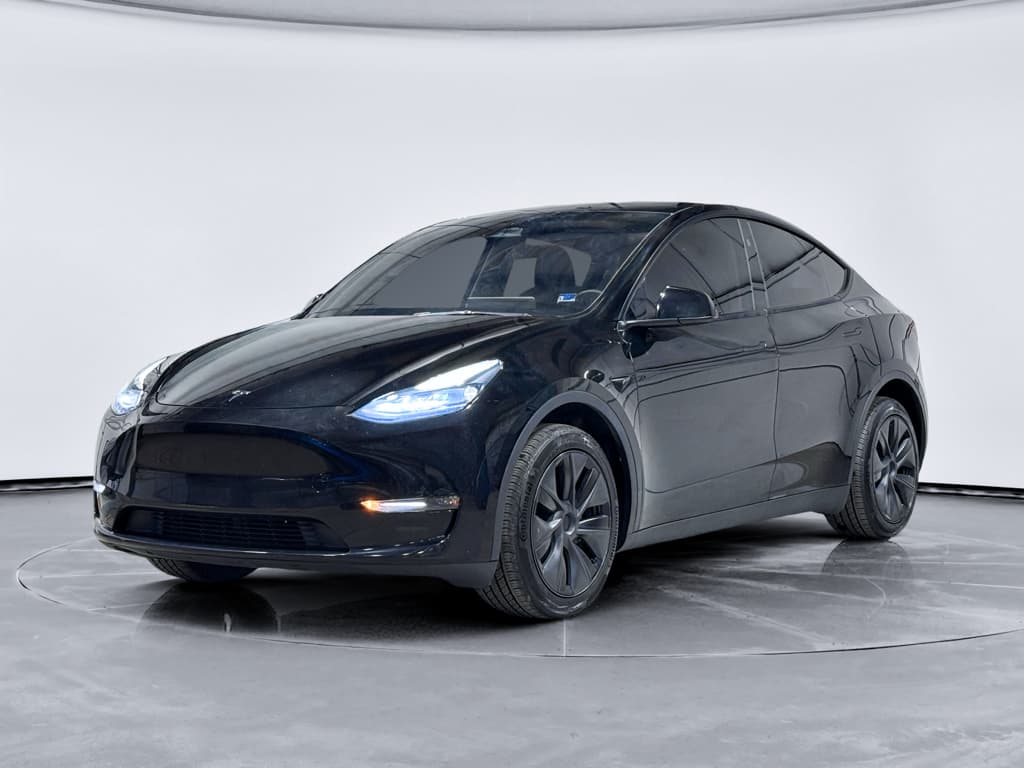
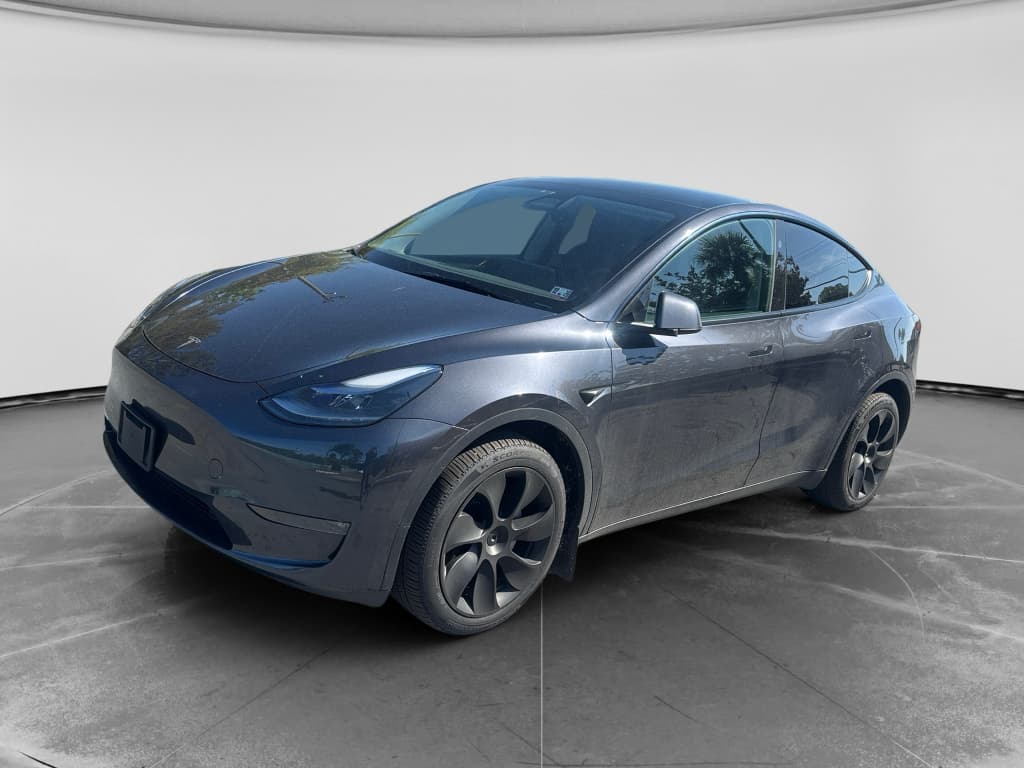
The Model Y has become the default family EV in many neighborhoods for a reason: range, Supercharger access, and plenty of space. Some trims even offer a tiny third row.
- Seats: 5, or 5+2 with small third row
- Range: generally 260–300+ miles depending on version
- Why families love it: Huge under-floor trunk well, simple cabin, and excellent charging network support.
Chevrolet Equinox EV
The Equinox EV aims squarely at families that just want a normal compact SUV, only electric and reasonably priced for what it offers.
- Seats: 5
- Range: trims around the mid‑300‑mile mark in independent tests
- Why families love it: Wide rear door openings for car seats, a flat floor, and pricing that undercuts many rivals.
Budget Play: Smart Used Family EVs
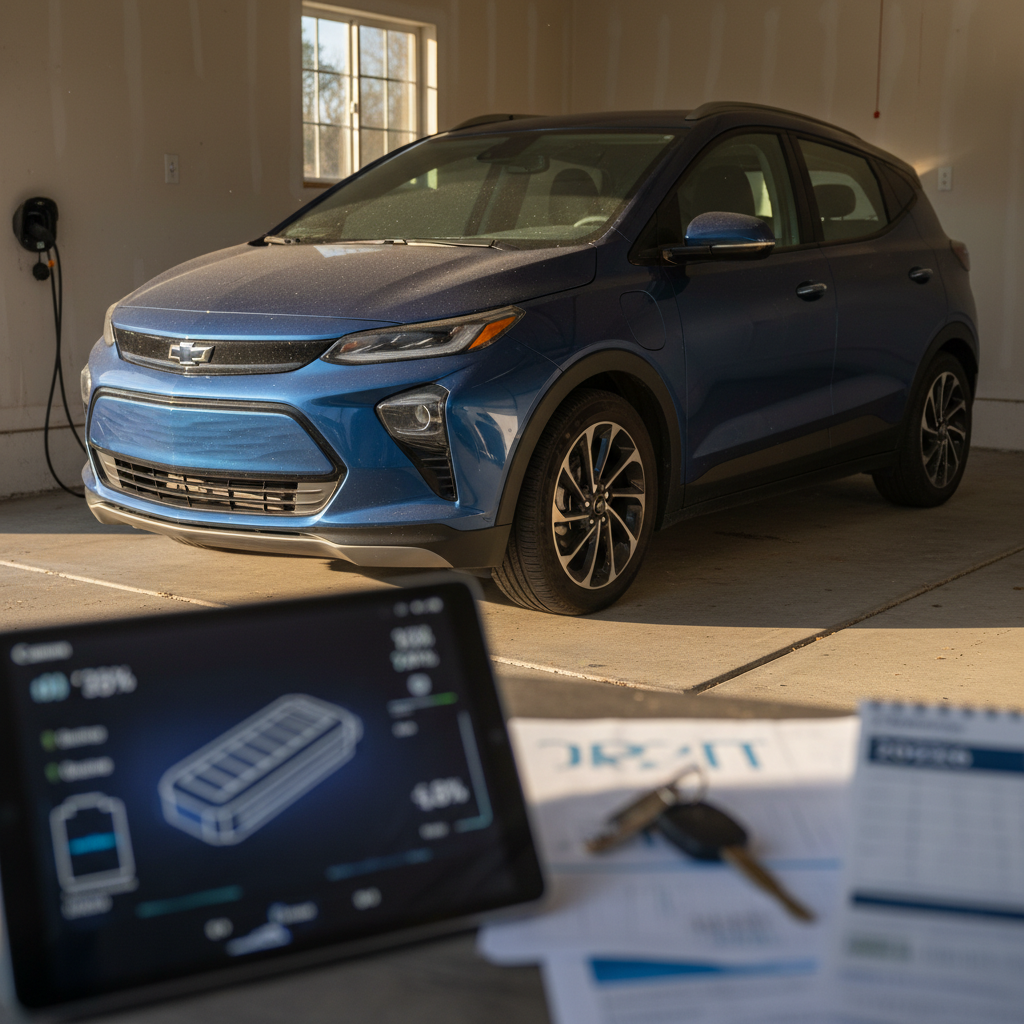
Here’s the secret a lot of new-car marketing hopes you miss: a well-chosen used EV can be the best family car you ever buy. EVs tend to take an early depreciation hit, but the right battery can still have plenty of life left. That’s especially true for family workhorses like the Kia EV9, Tesla Model Y, VW ID.4, and Hyundai Ioniq 5 as they start showing up off-lease.
Why battery health matters more than mileage
What to look for in a used family EV
- Battery health report: Not a guess, not a dashboard bar, an actual diagnostic.
- Charging history: Mix of home Level 2 and DC fast charging is normal; constant daily fast charging is not ideal.
- Interior wear: Family cars live hard. Check seat bolsters, third-row mechanisms, and cargo-area plastics.
- Safety gear: Make sure key driver-assist features are included and activated, not locked behind subscriptions you’ll resent later.
How Recharged fits in
Every vehicle sold through Recharged comes with a Recharged Score Report that includes verified battery health and fair market pricing. That means you’re not buying blind when you shop for a used EV9, Model Y, Ioniq 5, or other family EV. Our EV specialists can also sanity-check fitment questions like, “Will two rear-facing seats and a booster actually work in here?”
Key Specs That Actually Matter for Families
Spec sheets love horsepower and 0–60 times. Your kids do not. Here’s what you should really care about when you’re choosing a family EV in 2026.
Family-First EV Specs Cheat Sheet
1. Real range, not just brochure range
Aim for an EPA rating around <strong>250–300 miles</strong> if you road trip. That gives you a comfortable 180–220‑mile real-world window with kids, cargo, weather, and AC all factored in.
2. Second-row space and access
Look at rear door openings, seat slide, and recline. Can you lift a sleeping toddler into a rear-facing seat without contorting your spine? Can older kids buckle themselves without you leaning across?
3. Third-row for humans, not mannequins
If you’re buying a three-row, actually sit adults back there. Knees under chin? That’s a 5+2, not a real 7-seater. Kia EV9 and Hyundai Ioniq 9 set a high bar here; some others do not.
4. Cargo with all rows up
Check cargo volume <em>behind</em> the third row. You want at least one big stroller plus a week’s worth of groceries. Clever under-floor bins can make a so-so number feel usable.
5. Charging speed and network
Look at peak DC fast-charging speed (in kW) and how long it actually takes to go from around 10% to 80%. Also know which networks and adapters you’ll need on your usual routes.
6. Safety tech you’ll actually use
Good lane-keeping assist, adaptive cruise, and automatic emergency braking are worth more than esoteric parking tricks. Test how natural, or annoying, the assists feel on a drive.
Bring the car seats to the test drive
Family EV Comparison Table 2026
Here’s a high-level comparison of some of the most talked-about family-friendly EVs in 2026. Specs vary by trim; use this as a directional guide, not a VIN-level build sheet.
Quick Compare: Popular Family EVs (2026)
Approximate U.S.-market specs for headline trims; always verify for the exact vehicle you’re considering.
| Model | Rows / Seats | Approx. Range (mi) | Notable Strength | Typical Price Band (new) |
|---|---|---|---|---|
| Kia EV9* | 3 / 6–7 | Up to ~300 | Balanced space, value, and fast charging | Mid–high $50,000s+ |
| Hyundai Ioniq 9* | 3 / 6–7 | Targeting ~300+ | Roomy cabin, upscale feel | High $50,000s–$60,000s+ |
| VW ID. Buzz* | 3 / 6–7 | Mid‑200s | Van-like practicality and style | Low–mid $60,000s |
| Tesla Model Y | 2 / 5 (5+2 opt.) | ~260–300+ | Range and Supercharger access | Low–mid $40,000s |
| Hyundai Ioniq 5 | 2 / 5 | ~220–300 | Packaging and family usability | Low–mid $40,000s |
| Chevy Equinox EV | 2 / 5 | ~250–350 | Value and space for the money | Mid $30,000s–low $40,000s |
Three-row models are marked with an asterisk (*).
Don’t let the range race distract you
Test-Drive Checklist: Family EV Edition
Treat the test drive like a dress rehearsal for your actual life, not a joyride around the block where you nod politely and buy the wrong car.
What to Do on a Family EV Test Drive
1. Install your real car seats
Try rear-facing and forward-facing positions, and check access to the third row if applicable. Make sure you can tighten belts and LATCH anchors without acrobatics.
2. Load your normal cargo
Stroller, sports bags, groceries, dog crate, whatever your usual chaos looks like. Fold seats in different configurations and see how livable the floor height is for kids and pets.
3. Drive at highway speed
Listen for wind and road noise; kids get louder as the cabin gets louder. Test driver-assistance features on a real highway, not just on quiet side streets.
4. Try sketchy parking maneuvers
Can you comfortably see out the back? Do the cameras and sensors help, or do they lag and chirp too late? Parallel park and back into a tight space if you can.
5. Check charging info in the interface
Look at how the car displays range, battery percentage, and nearby chargers. If it’s confusing when you’re calm, it won’t be better at midnight with tired kids.
6. Ask about software and subscriptions
Clarify what’s included forever versus what turns into a monthly bill later, especially for key features like driver assistance or remote climate control.
Common Pitfalls to Avoid With Family EVs
- Buying a three-row EV without actually sitting in the third row for more than 30 seconds.
- Underestimating how much cargo you need with all rows upright.
- Ignoring charging speed and network access in favor of headline range.
- Assuming every EV will work fine with your existing home electrical panel.
- Treating the battery like a gas tank, constantly charging to 100% and parking in blazing heat.
Home charging isn’t a minor detail
Family EV FAQ 2026
Frequently Asked Questions About Family EVs in 2026
How Recharged Helps You Find the Right Family EV
The best electric car for families in 2026 isn’t the one with the wildest concept-car doors or the biggest range number, it’s the one that quietly makes school runs, Costco raids, and 400‑mile holiday drives feel easy. For big crews, that might be a Kia EV9 or Hyundai Ioniq 9. For smaller families, a used Ioniq 5, Model Y, or Equinox EV with a healthy battery could be the smart financial play.
At Recharged, we’re built around exactly those decisions. Every used EV we sell includes a Recharged Score Report with verified battery health, transparent pricing, and support from EV specialists who speak fluent car-seat and cargo-space. Whether you’re trading in a gas SUV, getting an instant offer, or shopping online for nationwide delivery, you can focus on one question: does this EV fit my family’s life, today and three years from now?