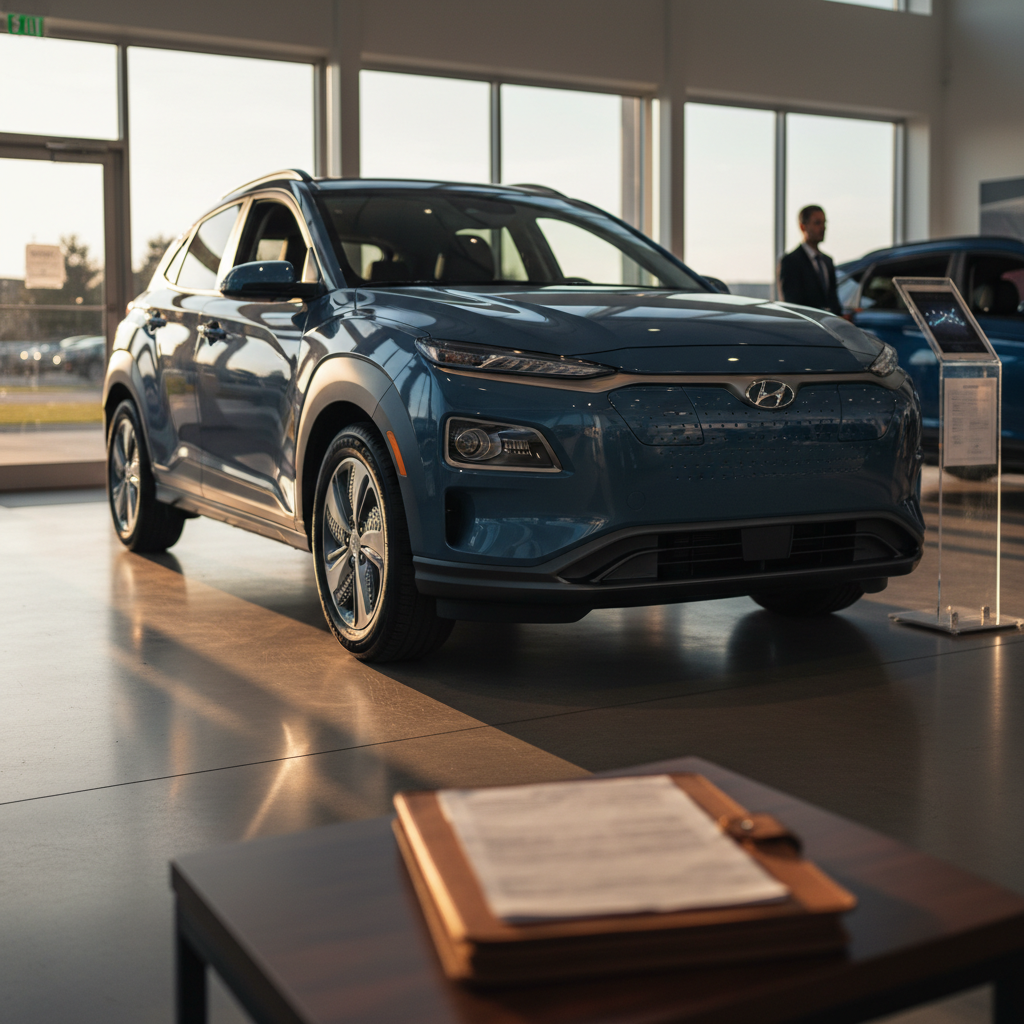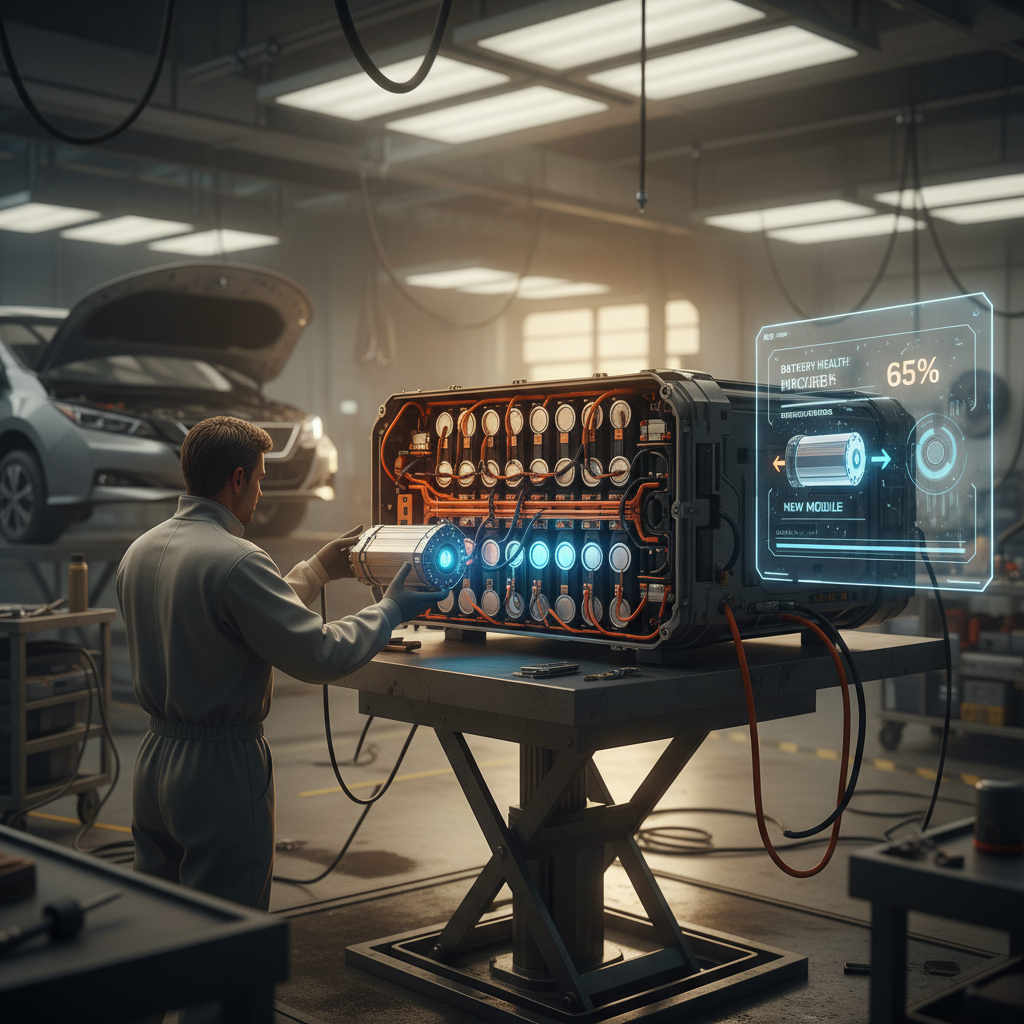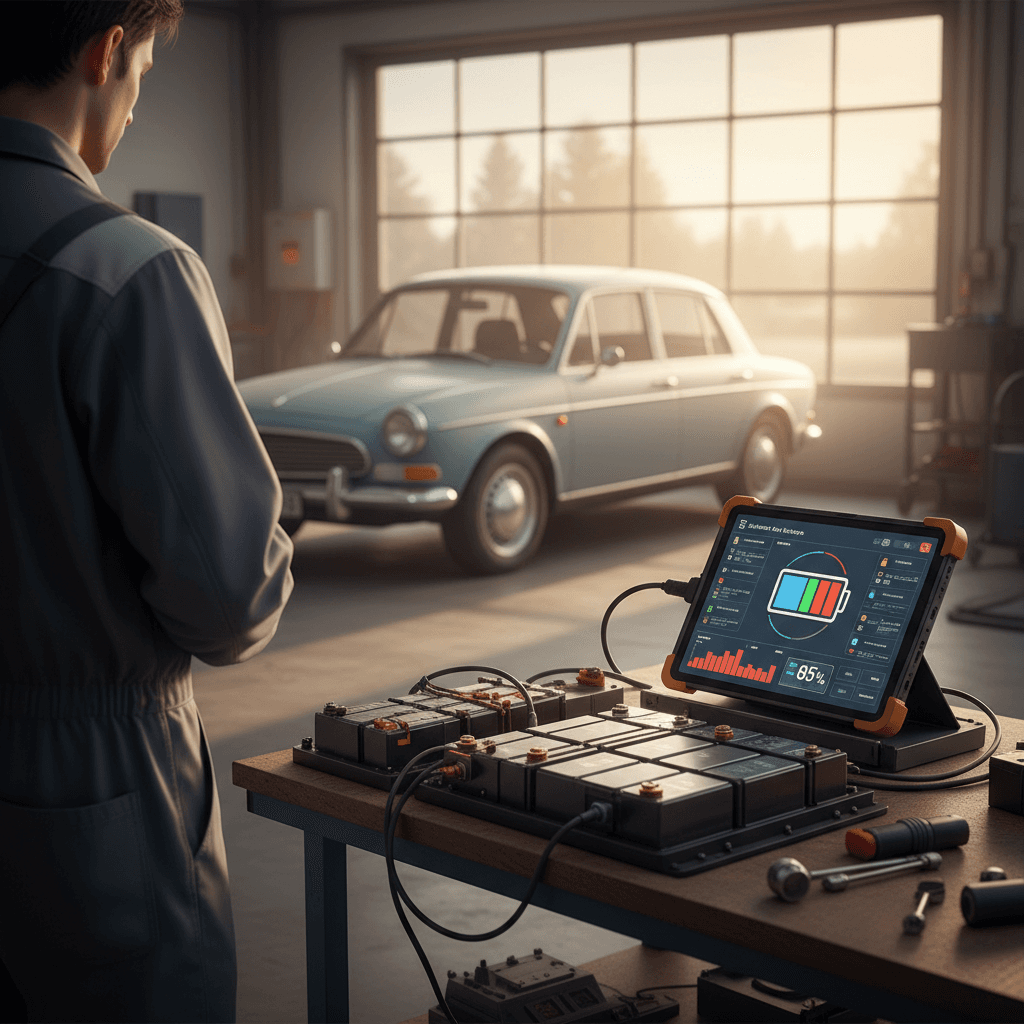
If you’re wondering what is the lifespan of an electric car, you’re really asking two questions: how long the car will last, and how long the battery will stay healthy enough that it still feels like the same car you bought. The short version: modern EVs are on track to last as long as, and in some cases longer than, comparable gas cars, often 15–20 years or more, with batteries that usually outlive the first owner.
Key takeaway
How long do electric cars actually last?
EV lifespan at a glance
When we talk about the lifespan of an electric car, we’re talking about how long it stays safe, reliable, and useful, not just how long it can be coaxed through inspection. Recent research analyzing hundreds of millions of inspection records found that EVs now last roughly 18 years on average, essentially matching petrol cars and outlasting diesels by several years. That’s a big shift from the early days of electric cars, when nobody knew if the first mass‑market models would age gracefully.
- Battery pack – the most expensive component and the one everyone worries about.
- Electric motor and power electronics – generally simpler and more durable than engines and gearboxes.
- Body, suspension, interior, and software – the usual wear‑and‑tear items that age in every car.
Think in years, not just miles
How long does an electric car battery last?
For most drivers, the real anxiety is the battery. After all, replacing a high‑voltage pack can run well into five figures. The reassuring news: full battery failures are rare, and modern packs are proving more durable than early skeptics predicted.
- Most EVs sold in the U.S. today come with 8‑year / 100,000‑mile (or better) battery warranties, often guaranteeing at least 70% capacity retention in that period.
- Real‑world fleet and owner‑reported data show average battery degradation of about 1.8–2.3% capacity loss per year under normal use.
- After 5 years, many EVs still have 85–95% of their original range. Even at 8–10 years, it’s common to see 75–85% remaining, enough that the car still works well for most daily driving.
Typical EV battery capacity over time
Illustrative example for an EV that was rated for 300 miles of range when new. Real numbers vary by model, climate, and driving pattern.
| Years in service | Approx. remaining capacity | Approx. real‑world range |
|---|---|---|
| New | 100% | 300 miles |
| 3 years | 92–94% | 276–282 miles |
| 5 years | 88–92% | 264–276 miles |
| 8 years | 82–86% | 246–258 miles |
| 10 years | 78–83% | 234–249 miles |
Battery capacity loss isn’t linear: a slightly steeper drop early on, then a long, slow fade.
Manufacturers generally consider an EV battery to have reached “end of life” for automotive use when it falls to about 70–75% of original capacity. That doesn’t mean the car quits, it means the range has shrunk enough that many owners will start thinking about a new pack or a trade‑in. In practice, many modern EVs look set to hit that threshold only well into their second decade, especially in moderate climates.
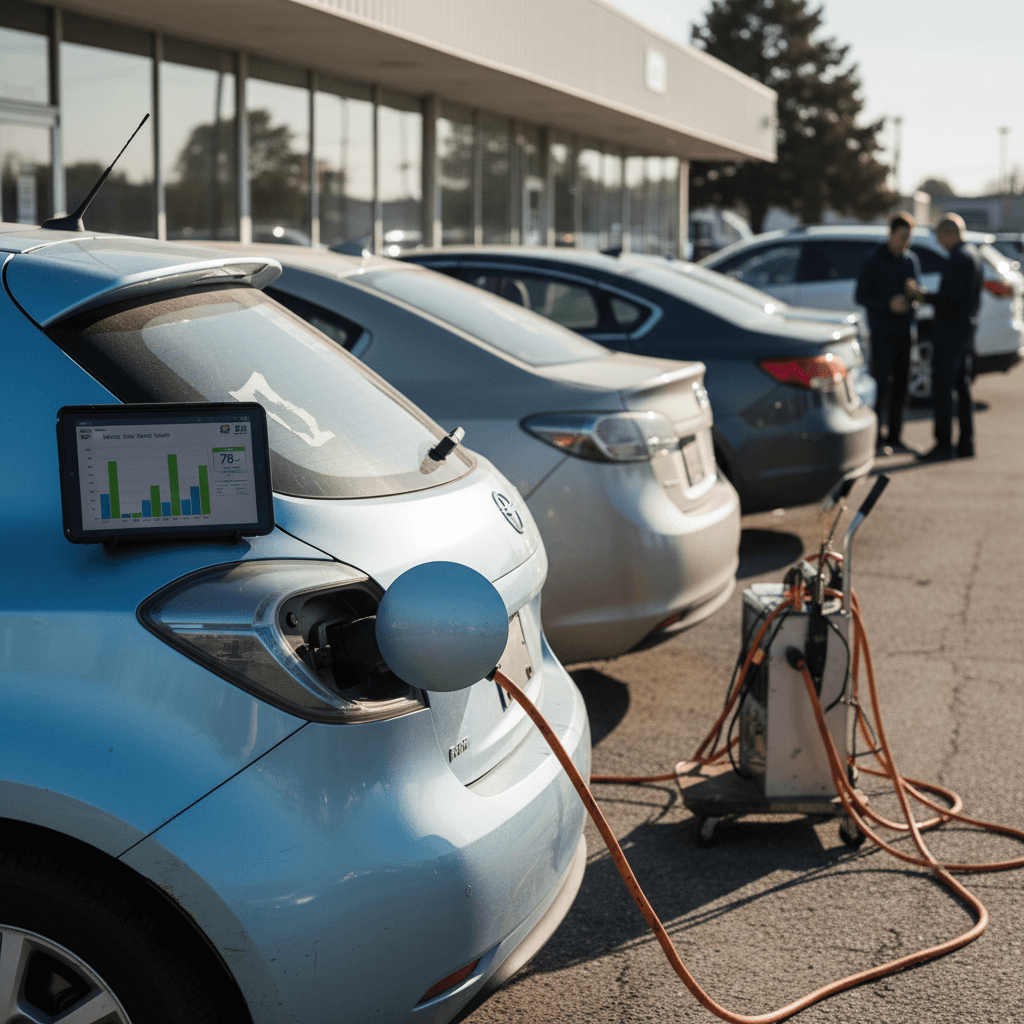
Warranty ≠ expiry date
Do electric cars last longer than gas cars?
Electric cars
- Fewer moving parts: no pistons, valves, timing chains, or multi‑gear transmissions.
- Brake wear is dramatically lower thanks to regenerative braking.
- Less vibration and heat cycling, which tends to reduce long‑term fatigue on components.
- Biggest risk factor is battery health and software support over time.
Gas cars
- Engines and transmissions are complex and expensive to repair as they age.
- Require frequent fluid changes and regular maintenance to hit high mileages.
- Often kept on the road 15–20 years, but major repairs are common in the back half of life.
- Fuel systems and emissions equipment can become problem areas in older age.
The emerging picture from large datasets is that EVs now match gas cars for expected lifespan, and they may ultimately surpass them as battery tech continues to improve. Where EVs still lag is in early‑life glitches, infotainment, driver‑assist systems, charging quirks, rather than catastrophic hardware failures. Those are annoying, but they don’t usually determine whether the car survives to 200,000 miles.
Long‑term upside
What really shortens EV battery lifespan?
If EV batteries age more like marathoners than sprinters, what makes them wear out faster? The villains are familiar: heat, time at extreme states of charge, and fast‑charging abuse. How you use the car day‑to‑day matters just as much as the odometer reading.
Top battery “aging accelerators”
Avoid these habits if you want your EV to age gracefully.
Sustained high heat
Living at 100%
Constant DC fast charging
Fast charging isn’t “free”
How to maximize the lifespan of your electric car
Seven habits that help your EV go the distance
1. Treat 20–80% as your daily sweet spot
For daily driving, keep your battery mostly between about <strong>20% and 80%</strong>. Save 100% charges for road trips when you actually need every mile.
2. Favor Level 2 over DC fast charging
Use a home or workplace Level 2 charger whenever you can. Think of DC fast charging as your highway pit‑stop, not your main diet.
3. Keep the pack cool
Whenever possible, park in the shade or in a garage. In very hot climates, pre‑cooling the cabin while plugged in helps both you and the battery.
4. Drive smoothly
Hard launches are fun, and EVs are very good at them, but constant maximum‑torque launches and panic stops aren’t kind to tires, brakes, or energy use.
5. Stay on top of software updates
Battery management is largely software. Staying current means you benefit from <strong>improved thermal control, charging logic, and bug fixes</strong> over time.
6. Don’t ignore warning lights
If you see battery or charging warnings, get them checked early. Small issues are cheaper to fix than failures that have been simmering for months.
7. Maintain the “car” part like any car
Suspension, tires, wipers, cabin filters, it’s easy to fixate on kWh and forget bushings and ball joints. Routine service keeps everything feeling tight and safe.
Budget for age, not fear
Lifespan, used EVs, and resale value
Lifespan isn’t an abstract engineering question when you’re looking at a five‑year‑old EV and wondering if you’re buying into someone else’s future battery bill. The used market is where theory meets bank account, and where real battery health data suddenly matters a lot more than marketing claims.
Risks with older EVs
- Unknown fast‑charging history: A car that lived on DC fast chargers may have more degradation than average.
- Climate exposure: Cars from very hot regions sometimes age faster at the pack level.
- Out‑of‑warranty packs: On early models, replacement cost could approach the car’s value.
Opportunities for savvy buyers
- Slow degradation on many models: Lots of EVs are showing only single‑digit capacity loss after 6–8 years.
- Lower running costs: Even a slightly degraded EV can be cheaper to own than a similar‑age gas car.
- Second‑owner sweet spot: Buying just before or just after the factory warranty ends can be excellent value, if you know the battery’s true condition.
Why battery reports matter more than odometers
How Recharged measures EV lifespan: The Recharged Score
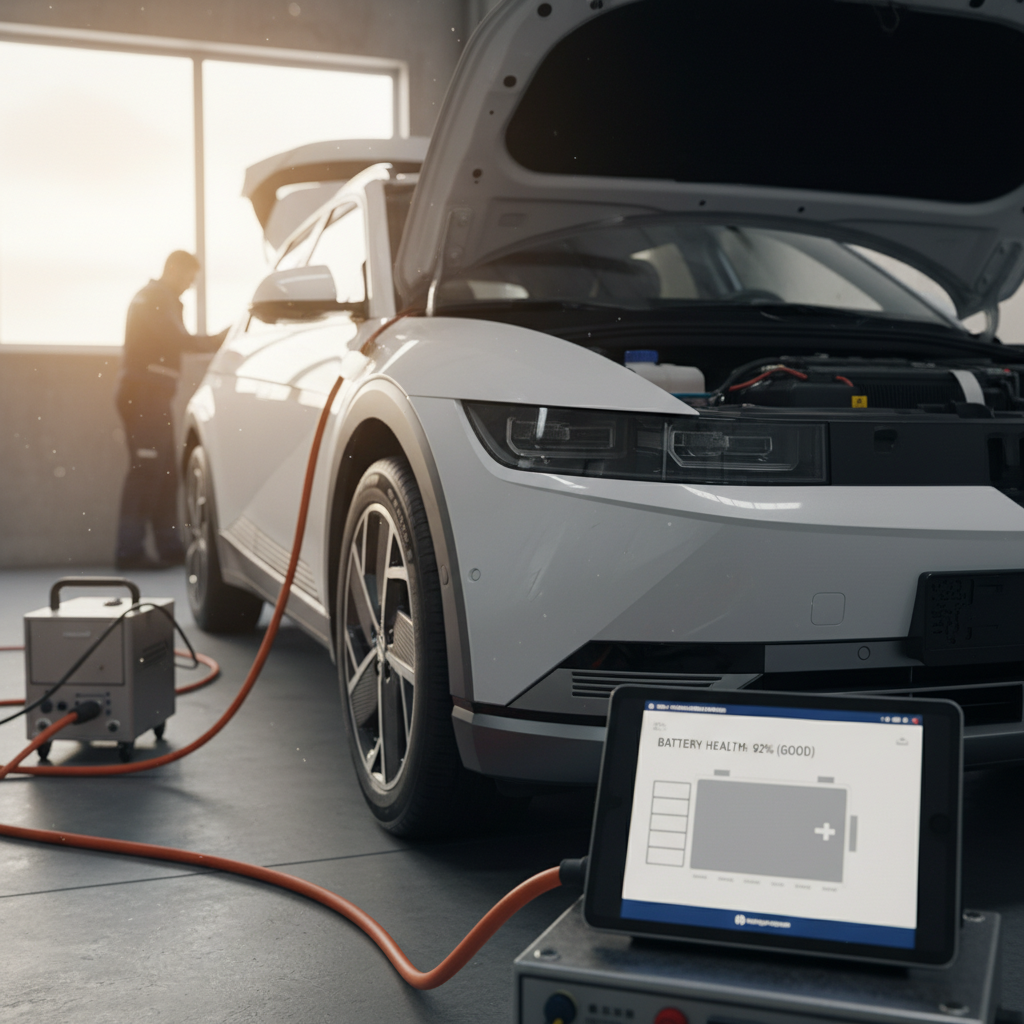
Buying a used EV shouldn’t feel like guessing how many chapters are left in a book with blank pages. At Recharged, every car comes with a Recharged Score Report that turns battery health from a mystery into a number you can actually use.
What the Recharged Score tells you about lifespan
Every used EV we sell includes a battery‑first inspection, so you’re not flying blind.
Verified battery health
Degradation in context
Fair pricing for remaining life
Ready to find your next EV?
Browse VehiclesBecause Recharged is focused purely on electric vehicles, our specialists spend their days looking at the exact questions gas‑first dealers are still learning to ask: How was this car charged? What climate did it live in? Is the software up to date? If you want a used EV that still has real lifespan left in it, those details matter.
From listing to driveway, fully digital
What’s next: Future EV batteries and million‑mile cars
Today’s EVs are already capable of 15‑plus‑year lifespans. The next wave of battery tech is targeting something more radical: packs that can outlive the car itself. Cell suppliers and automakers are testing so‑called “million‑mile” batteries designed to survive thousands of charge cycles, often using more stable chemistries and smarter cooling.
- LFP (lithium iron phosphate) batteries, already used in some Teslas and other EVs, trade a bit of energy density for excellent cycle life and slower degradation.
- Solid‑state batteries, which companies like Toyota aim to bring to market later this decade, promise higher energy density, faster charging, and potentially better durability.
- Improved thermal management and software are already making 2024–2025 EVs degrade more slowly than models from just a few years earlier.
“The short story is that the horror tales about EV batteries giving up after five years just aren’t borne out in the data. For most owners, the car will be ready for retirement before the battery is.”
As these technologies mature, the idea of an EV doing duty for 20 years and multiple owners, with its original pack still delivering useful range, stops being science fiction and starts looking like the sensible baseline.
Electric car lifespan: FAQ
Frequently asked questions about electric car lifespan
The bottom line on electric car lifespan
So, what is the lifespan of an electric car? With today’s technology, the honest answer is that a well‑chosen, well‑cared‑for EV should comfortably deliver 15–20 years and well into six‑figure mileage on its original battery, with only gradual range loss along the way. The drivetrain is often the least of your worries; it’s the software, suspension, and sheer passage of time that eventually nudge any car toward retirement.
If you’re shopping used, the game is no longer guessing if the battery will suddenly fail, it’s understanding how much life is left and whether the price reflects that. That’s where a battery‑first approach, like the Recharged Score Report, makes all the difference. Get the chemistry and the history on your side, and an electric car isn’t a fragile gadget with an expiration date. It’s a long‑term companion that just happens to run on electrons instead of gasoline.