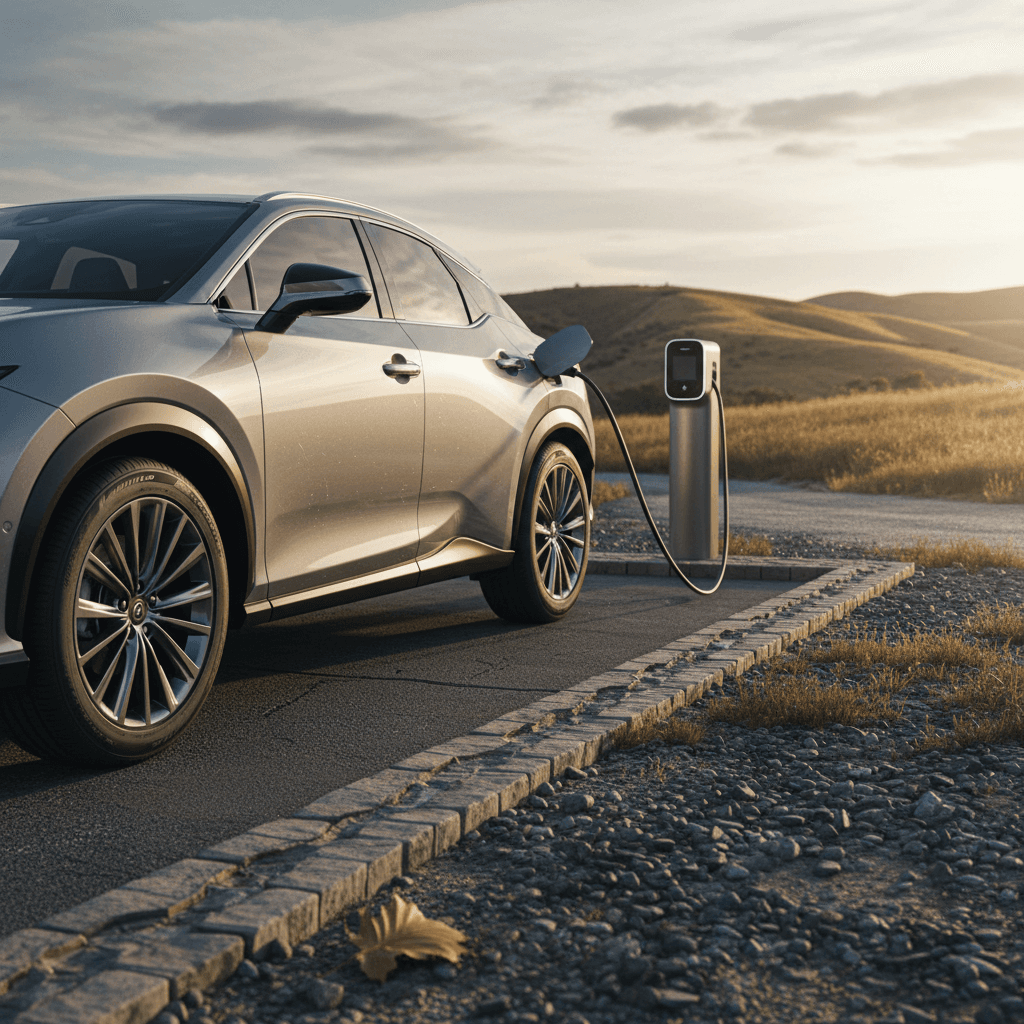
If you’re researching 2023 Lexus RZ problems, you’ve probably noticed a pattern: most complaints aren’t about squeaks and rattles, they’re about range and charging. Lexus took its first real swing at a dedicated EV SUV with the RZ 450e, and while it nailed refinement and build quality, the electric tech feels a generation behind. Let’s walk through what’s actually going wrong, how it compares with other EVs, and what to watch for if you’re considering a used RZ.
Quick snapshot
Overview: How Serious Are 2023 Lexus RZ Problems?
2023 Lexus RZ Pain Points at a Glance
For a first‑generation EV on a shared platform, the RZ’s issues are exactly where you’d expect: energy efficiency, charging behavior, and early software bugs. You don’t see widespread reports of batteries failing or motors dying; instead, owners complain that the car simply doesn’t go as far or charge as fast as the badge and price suggest.
Not your typical “Lexus problem”
The Big One: 2023 Lexus RZ Range Problems
On paper, the 2023 Lexus RZ 450e looks acceptable: EPA range estimates in the low‑200‑mile ballpark depending on trim. In practice, many owners struggle to see more than about 130–160 miles from a full charge in mixed driving, and some report barely 120 miles when using heat or A/C heavily.
- Real‑world highway range tends to run well below the window‑sticker numbers, especially at 70–75 mph.
- Climate control hits range hard, owners report losing 40–50 miles of indicated range with A/C or heat running.
- Energy consumption figures are often closer to 2.3–2.5 mi/kWh than the roughly 3.0 mi/kWh you’d hope for in this segment.
- The usable battery is relatively small for a luxury SUV, so every inefficiency stings.
How to tell if range is actually a problem for you
Typical RZ Owner Reports
- Displayed range dropping over time from ~207–208 miles when new to under 200 miles after several months.
- Struggling to achieve more than 125–150 real miles even when driving in Eco mode.
- Climate control use immediately shaving a noticeable chunk off the guess‑o‑meter.
What That Means on the Road
- A “200‑mile” advertised range can feel like about 140 miles of comfortable planning distance.
- You’ll want to treat 20–25% state of charge as an arrival buffer, not zero.
- On a 250‑mile highway trip, you’re realistically planning one full DC stop and possibly a top‑up depending on conditions.
Cold‑weather penalty
Charging Issues: Slow Speeds and Flaky Sessions
If the range is modest, charging needs to be painless. That’s where the 2023 RZ stumbles again. On paper, it supports up to 150 kW DC fast charging, but plenty of owners report real‑world peak rates closer to 60–80 kW, and sessions that slow dramatically past 50–60% state of charge.
Common Charging Complaints from 2023 RZ Owners
Most are about consistency, not outright failures
Underwhelming DC speed
Even at compatible 150 kW+ stations, owners often see peaks around 70 kW, dropping into the 20s and teens as they approach 80% state of charge.
Session failures & retries
Some public stations, especially older units, struggle to handshake properly, leading to multiple plug‑in attempts before a session starts.
Long 20–80% times
Because the charging curve tapers early, it can take well over an hour to go from 20% to 80% on DC, depending on conditions.
At home, the RZ’s 6.6 kW onboard charger is another sore spot. Many rival luxury SUVs now offer 9.6–11 kW AC charging, which can nearly halve Level 2 charge times. On a typical 240V home charger, you’re looking at roughly 9–10 hours for an empty‑to‑full overnight session in the RZ.
This is by design, not a defect
If You Test‑Drive a Used RZ, Do This Charging Test
1. Try at least one DC fast charge
If possible, take the RZ to a DC fast charger during your test period. Start around 20–30% state of charge and watch the peak rate and how quickly it drops.
2. Note charging curve feel
You don’t need a stopwatch; just pay attention to whether the car feels like it’s stuck at low speeds even below 60–70%.
3. Test at your typical station brand
If you’re in an area dominated by one network (Electrify America, EVgo, etc.), try that brand, some owners report more handshake hiccups with certain providers.
4. Check for charging‑related alerts
Make sure there are no persistent charging error messages on the dash or in the Lexus app after unplugging.
Battery Degradation & Long-Term Health
One of the scarier owner posts you’ll find mentions the RZ’s indicated full‑charge range dropping from about 207–208 miles when new to under 200 miles within a few months, along with poor real‑world range. That kind of behavior makes people worry about early battery degradation.
It’s important to separate three things here: the guess‑o‑meter estimate, actual range, and true battery health. The RZ’s software is conservative, and a lot of early drops in the displayed number are the car learning your driving style and climate use. That doesn’t necessarily mean the battery itself is failing.
What Owners Are Seeing
- Displayed full‑charge range nudging downward in the first 6–12 months.
- Real‑world range that feels 30–40% lower than the sticker suggests.
- No corresponding wave of hard failures or warranty replacements reported.
What It Likely Means
- The RZ is inefficient and heavily affected by driving style, speed, and climate control.
- The range estimator is conservative and can swing based on your recent trips.
- So far, there’s more noise about range than about true pack failures.
How to assess a used RZ’s battery
Software, HVAC & Defroster Recall on the RZ
Beyond range and charging behavior, the most notable formal problem with the 2023 Lexus RZ is a HVAC and windshield defroster recall that affects 2023–2025 model‑year RZs alongside its Toyota and Subaru siblings. A software glitch in the HVAC control unit can cause the system to enter a failsafe mode after a specific compressor fault, reducing or suspending heater operation and weakening defrost/defog performance.
Key Facts About the RZ HVAC / Defroster Recall
What you need to know if you’re shopping a 2023 RZ
| Item | Details |
|---|---|
| Affected vehicles | Selected 2023–2025 Lexus RZ (and Toyota bZ4X / Subaru Solterra) |
| Issue | HVAC software can enter failsafe and reduce defroster / heater performance |
| Risk | Poor windshield defrosting in cold or damp conditions, hurting visibility |
| Fix | Dealer software update for HVAC ECU, plus possible compressor replacement |
| Cost to owner | No charge, performed under recall |
| What to do | Ask for documentation that recall work has been completed, or schedule it promptly after purchase |
Always confirm recall status using the VIN on Lexus or NHTSA sites.
Buying a used RZ that hasn’t had the recall
Ride Quality, Noise & Build Quality Complaints
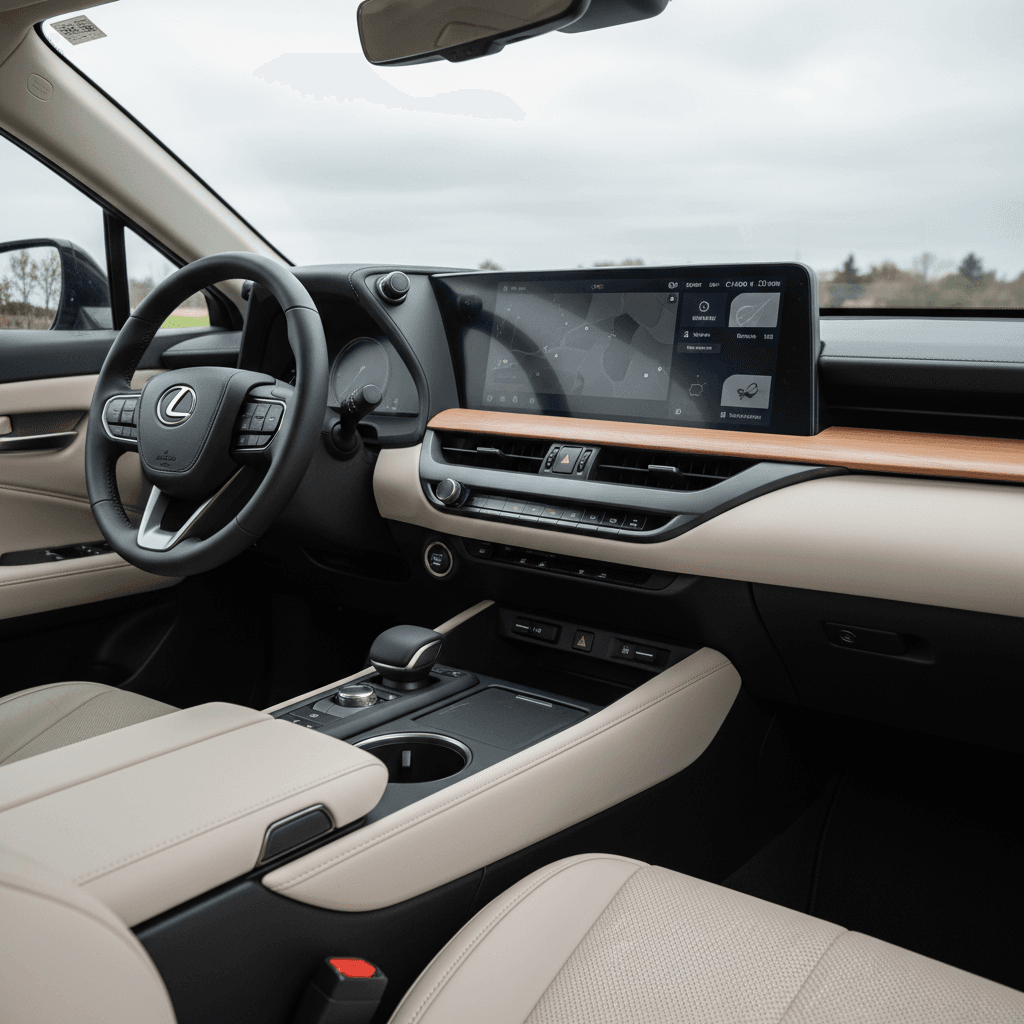
The good news: unlike some early‑generation EVs, the 2023 RZ doesn’t have a chorus of owners complaining about loose trim and constant squeaks. In fact, quite a few people single out its build quality as a bright spot, especially compared with some rival luxury EVs that feel more rushed to market.
- Ride quality is generally described as comfortable and refined, very much in line with Lexus expectations.
- Cabin noise levels are competitive; you don’t see systemic wind‑whistle or tire‑roar complaints.
- The interior materials, switches, and controls feel familiar to Lexus owners, solid and well screwed‑together.
- Isolated reports of minor rattles or buzzy trim exist, as with any model, but there’s no single notorious weak spot.
Where the RZ still feels like a Lexus
How Bad Is It Really? Context vs Other EV SUVs
Judged purely as a luxury EV SUV, the 2023 RZ is a mixed bag. It drives nicely, feels well made, and carries a trusted badge, but its range and charging performance are more like a 2019 EV than a clean‑sheet 2023 design. To understand whether that’s a “problem” or just a compromise, you need to see it in context.
2023 Lexus RZ vs Popular EV SUV Rivals
High‑level snapshot focusing on pain points, not full spec sheets
Lexus RZ 450e
- Pros: Quiet, comfortable, familiar Lexus feel.
- Cons: Short real‑world range, slow AC charging, modest DC curve, HVAC recall.
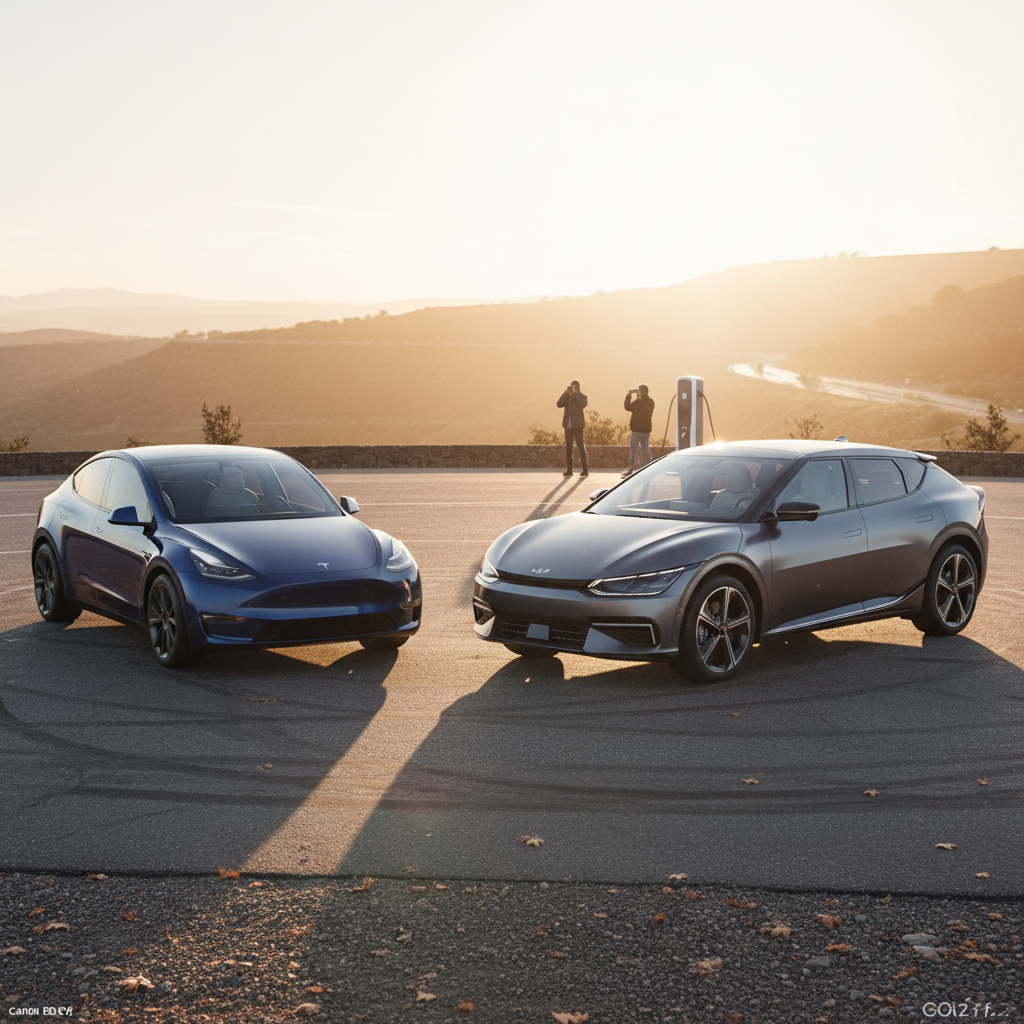
Tesla Model Y
- Pros: Strong range and Supercharger access (especially with NACS), fast charging.
- Cons: Harsher ride, more interior squeaks, software‑centric UX not for everyone.
Hyundai Ioniq 5 / Kia EV6
- Pros: Excellent efficiency, very fast 800V charging, competitive range.
- Cons: Less traditional luxury feel, some early‑build quality gripes.
Where the RZ’s “problems” may not matter
Buying a Used 2023 Lexus RZ: Inspection Checklist
Because the 2023 RZ stumbled out of the gate, it’s already showing up on the used market with large discounts compared with original MSRP. That can make it a smart buy, if you go in with your eyes open. Here’s how to separate a great deal from a regret.
Used 2023 Lexus RZ Problems Checklist
1. Verify recall and software updates
Run the VIN through Lexus or NHTSA and confirm the HVAC/defroster recall has been completed. Ask the seller for service records showing software updates and any charging‑system work.
2. Test real-world range
Start a drive around 80–90% state of charge, mix highway and city for 40–50 miles, and see how many percentage points you actually use. That gives a clearer picture than the initial full‑charge estimate.
3. Try your local DC fast charger
If possible, do a short DC fast‑charge session. You’re not just looking at peak kW, you’re checking for failed starts, errors, or unusually early tapering that might hint at a problem.
4. Listen for HVAC oddities
With the climate system on, confirm that air temperature, fan speed, and defrost functions respond properly. Any weird cycling, weak defrost, or warnings deserve a deeper look.
5. Check for water leaks and fogging
After a wash or rainy day, inspect the cabin for damp carpets or persistent window fogging that could point to door or hatch seals needing attention.
6. Get an independent battery health report
Whenever you’re buying a used EV, a <strong>third‑party battery health check</strong> is worth its weight in gold. On Recharged, every RZ listing includes a Recharged Score report with lab‑grade battery diagnostics so you’re not guessing about pack condition.
Consider a specialist EV retailer
When a 2023 Lexus RZ Still Makes Sense
With all this talk of 2023 Lexus RZ problems, you might assume it’s a car to avoid at all costs. That’s not quite fair. It’s more accurate to say that the RZ is a niche EV that shines in some use cases and frustrates in others.
- You want a quiet, comfortable, familiar‑feeling luxury SUV and don’t obsess over maximum range stats.
- You have reliable home charging and typically drive well under 120 miles on any given day.
- You value Lexus’ dealer network, cabin refinement, and brand experience, and you’re shopping at a significant used discount.
- You’re okay viewing the RZ as a near‑term daily driver rather than a long‑range road‑trip machine.
Great fit
- Short‑to‑medium commute with home Level 2 charging.
- Households with a second gas or long‑range EV for trips.
- Drivers who prioritize quiet comfort over cutting‑edge charging.
Poor fit
- Frequent interstate travelers who depend on DC fast charging.
- One‑car households in regions with sparse charging infrastructure.
- Buyers who want the newest charging tech and longest range for the money.
FAQ: 2023 Lexus RZ Problems & Used Buying Tips
Frequently Asked Questions About 2023 Lexus RZ Problems
Bottom Line: Should You Worry About 2023 Lexus RZ Problems?
The 2023 Lexus RZ doesn’t suffer from the horror‑story failures you might associate with a rushed first‑generation EV. Its problems are quieter but persistent: modest real‑world range, slow and sometimes finicky charging, and an HVAC recall that needs to be addressed. If you want an effortlessly capable road‑trip EV, those flaws are tough to ignore.
But if your life looks more like school runs, office commutes, and errands with home charging every night, a discounted used RZ can still make a lot of sense, especially if you value comfort and calm more than bleeding‑edge tech. Do your homework, verify updates and recalls, get a solid battery health check, and you can enjoy the best parts of Lexus ownership in electric form without being blindsided by the RZ’s well‑known quirks.
If you’d like help finding a 2023 RZ, or you’re comparing it against other used EV SUVs, Recharged makes the process easier. Every vehicle comes with a Recharged Score battery health report, transparent pricing, financing options, and EV‑specialist support from first click to delivery, so you can focus on whether this particular Lexus fits your life, not whether its battery is hiding a secret.