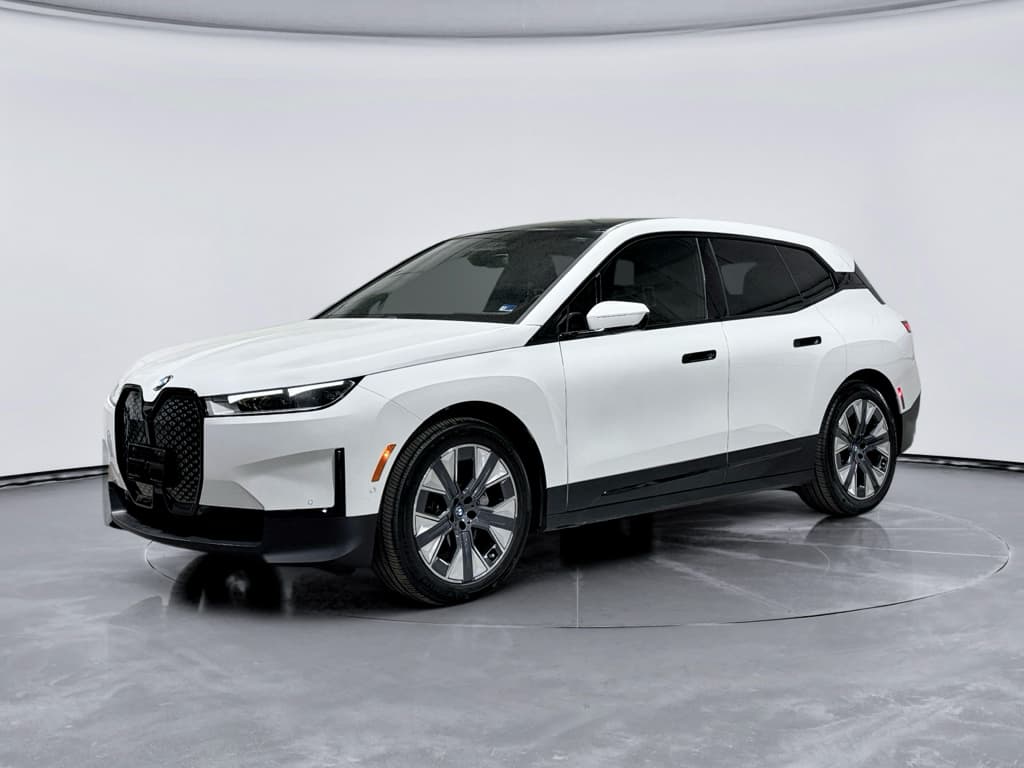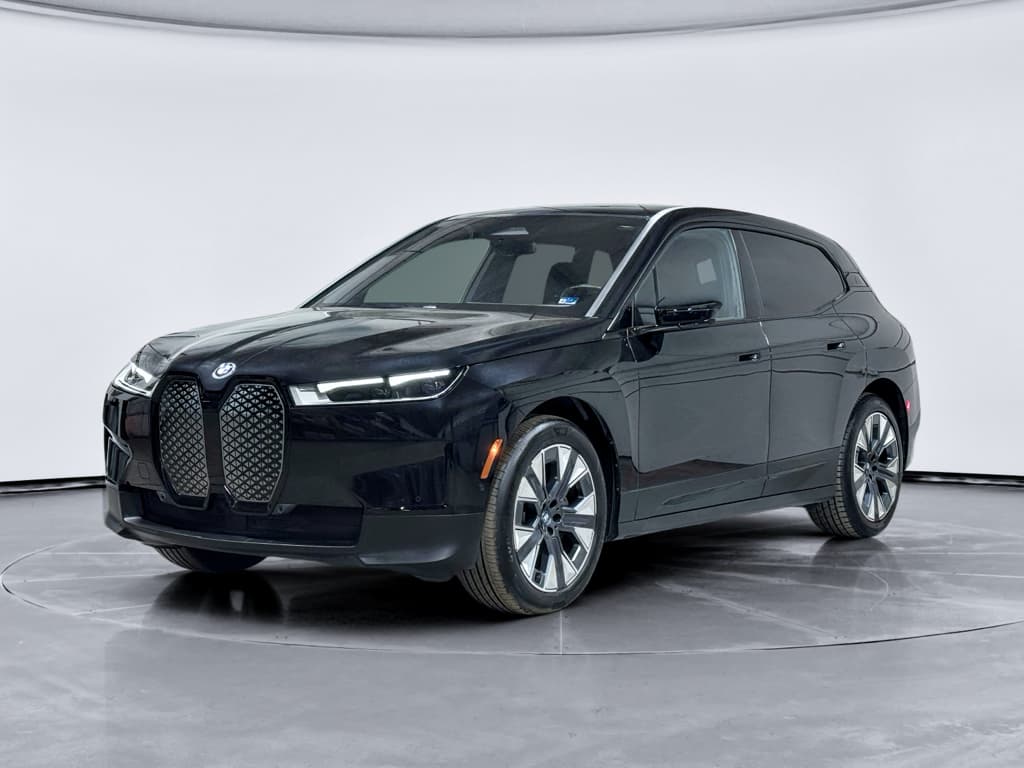
If you’re shopping for a BMW iX, new or used, you’re looking at one of the most luxurious and capable electric SUVs on the market. But between multiple trims, model-year changes, complex tech, and battery health, it’s easy to miss important details. This BMW iX buying checklist walks you step-by-step through what to look for so you can buy with confidence and avoid expensive surprises later.
About this BMW iX checklist
Why a BMW iX buying checklist matters
The iX is a complex EV: dual motors, large battery, adaptive suspension, advanced driver assistance, and a very digital cabin. A basic walkaround or quick test drive isn’t enough. A structured BMW iX buying checklist helps you:
- Compare trims (xDrive45, xDrive60, M70 / earlier xDrive50 & M60) with your actual needs.
- Evaluate real-world range and charging fit for your lifestyle, not just brochure numbers.
- Catch cosmetic and structural issues that hurt resale value, especially on used vehicles.
- Spot early signs of battery or electronics problems before they become your problem.
- Understand which options matter for comfort, safety, and long-term ownership.
How to use this checklist
BMW iX model years, trims, and range
Before you dive into inspection details, get clear on which BMW iX trim and model year you’re considering. Power, range, and features vary noticeably.
Current and recent BMW iX trims at a glance (U.S.)
Use this to narrow your search before you start inspecting specific vehicles.
2025 iX xDrive50
Role: Mainstream luxury trim (pre-refresh)
- ~516 hp, dual‑motor AWD
- ~302–309 miles EPA range
- 11 kW AC, up to ~195 kW DC fast charge
- Balanced comfort, performance, and range
2025 iX M60
Role: High‑performance flagship (pre-refresh)
- Up to ~610 hp
- ~284–285 miles EPA range
- Air suspension, rear‑axle steering, M Sport brakes
- More standard luxury & audio upgrades
2026 refresh: xDrive45 / xDrive60 / M70 xDrive
Role: Updated lineup
- xDrive45: ~402 hp, ~300+ mile range
- xDrive60: ~536 hp, ~360+ mile range
- M70 xDrive: ~650 hp, ~300 mile range
- Improved batteries, range & chassis tuning
Used vs. new BMW iX
Pre-buying questions to answer first
Step 1: Clarify your use case and budget
1. How many miles do you drive per day?
If your regular commute is under 60 miles a day, any iX trim has more than enough range. If you regularly do 150+ mile days or frequent road trips, prioritize trims with the longest EPA range and consider how much DC fast charging you’ll realistically use.
2. Where will you charge most?
Home Level 2 charging makes iX ownership much easier. If you rely on public charging, look at DC charging speeds, your local charging networks, and whether BMW’s EVgo partnership or other networks cover your routes.
3. Do you value comfort or performance more?
The xDrive50/60 offers plenty of power with a smoother ride and better range. The M60/M70 trades some comfort and range for sharper dynamics and acceleration. Decide which matters more before you test drive, or you may be tempted into more car than you need.
4. Is total cost of ownership a priority?
Beyond purchase price, consider tires, insurance, and out‑of‑warranty repairs. Performance trims tend to eat through performance tires faster and can be more expensive to insure. A used, well‑optioned xDrive50/60 often hits the value sweet spot.
5. Are you comfortable buying used?
A used BMW iX with verified battery health and documented service history can save you tens of thousands of dollars versus new. If you’re unsure how to evaluate a used EV, working with an EV‑focused retailer like Recharged can reduce risk substantially.
Exterior and body checklist
Once you’ve shortlisted a trim and model year, start your physical inspection on the outside. The iX uses a lot of aluminum and composite materials, and its aero details and tires are expensive to repair or replace.
Exterior items to inspect
Panel gaps, glass roof, and trim
Walk around the vehicle slowly. Look for inconsistent panel gaps, misaligned doors or hatch, and any cracks or chips in the panoramic glass roof. Pay attention to black lower trim pieces, owners report occasional disbonding or loose sections on early models.
Paint, body damage, and corrosion
Check for overspray, mismatched panels, or uneven orange peel that could point to prior repairs. Surface corrosion is rare on newer iX models, but look at underbody components and fasteners, especially in rust‑prone regions.
Wheels, tires, and brake condition
Inspect all four wheels for curb rash and bends. Check tire tread depth and look for uneven wear that might suggest alignment issues or aggressive driving. Remember: 21–22 inch performance tires on the M60/M70 are expensive and can wear quickly.
Lights, cameras, and sensors
Test headlights, taillights, turn signals, and brake lights. Visually confirm that parking sensors, radar modules, and camera lenses (front grille, mirrors, rear hatch) are intact and clean, replacing these can be costly.
Charge port door and seals
Open and close the charge port door several times. It should latch cleanly with no resistance or grinding. Check for moisture, debris, or corrosion around the connector, particularly on vehicles that live in harsh climates.
Watch for accident repairs
Interior, tech, and comfort checklist
The iX cabin is a major selling point, sustainable materials, lounge‑like seating, and a huge curved display. It’s also where software and electronics issues show up first, so don’t rush this part of the checklist.
Key interior and tech checks
Plan 20–30 minutes to go through these slowly.
Seats & comfort features
- Test power adjustments, lumbar, and memory settings for both front seats.
- Verify heating and (if equipped) ventilation and massage functions.
- Sit in the rear seats to confirm comfort and legroom match your needs.
Screens, iDrive & controls
- Test the 12.3" cluster and 14.9" central display for dead pixels or flicker.
- Navigate iDrive, check responsiveness, and cycle through menus.
- Confirm iDrive version and apply any pending software updates if possible.
Infotainment & connectivity
- Pair your phone, verify Apple CarPlay/Android Auto and Bluetooth audio.
- Test navigation, voice commands, and in‑car apps.
- If equipped, check premium audio (Bowers & Wilkins) for distortion or blown speakers.
Climate & glass roof
- Verify 4‑zone climate control: adjust temperature and fan speeds in all zones.
- Test preconditioning if available, schedule a departure and see if the car responds.
- Operate the Eclipsing Sky Lounge roof: change opacity and look for any banding or non‑uniform shading.
Driver assists & safety systems
- Enable adaptive cruise control, lane‑keeping assist, and Highway Assist (if equipped) during the test drive.
- Test parking assist, surround view cameras, and automatic parking where safe.
- Look for warning lights or persistent driver‑assistance error messages.
Bring your daily tech with you
Battery health and range checklist
The iX’s battery pack is its single most valuable component. BMW’s EPA range estimates, around 300 miles or more depending on trim, are a helpful benchmark, but what matters is current battery health and how it fits your driving patterns, especially on a used vehicle.
BMW iX battery and charging snapshot
Battery health items to verify
1. Battery health report or diagnostics
On a used iX, ask for documented battery health. A detailed report, like the Recharged Score battery health diagnostics, uses direct pack data rather than guessing from range estimates. Avoid sellers who can’t provide anything beyond “it seems fine.”
2. State of charge vs. estimated range
With the car at a known charge level (for example 80%), note the estimated remaining miles. Compare that against the original EPA rating for that trim. Large gaps may point to battery degradation, cold weather, or aggressive tire/wheel choices, dig deeper to understand why.
3. Fast-charging behavior
If possible, plug into a DC fast charger. Watch how quickly the iX ramps up to higher kW and whether charging unexpectedly slows or stops. Sudden power drops or error messages can indicate battery, cooling, or DC hardware issues that deserve professional diagnosis.
4. Charging history and usage patterns
Ask the previous owner or dealer how the car has been charged: Mostly home Level 2, or constant DC fast charging? Has it lived in very hot or very cold climates? Regular extreme fast charging and heat can accelerate battery wear over time.
5. Warning lights or battery errors
Check for any “Drivetrain” or high‑voltage system warnings in the instrument cluster, and scan for stored fault codes if you have access to an OBD tool or professional inspection.
How Recharged helps with battery confidence
Ready to find your next EV?
Browse VehiclesCharging and home-setup checklist
Owning a BMW iX is much easier when your charging setup fits your lifestyle. Use this part of the checklist to make sure your home, workplace, or local infrastructure matches what the iX can do.
BMW iX charging options and what to check
Confirm your main charging plan before you buy, this affects running costs and convenience more than trim choice.
| Charging type | Where | What to check | BMW iX notes |
|---|---|---|---|
| Level 1 (120V) | Standard household outlet | Can you realistically leave the iX plugged in overnight without tripping breakers? | Very slow, best as a backup only. Adds a handful of miles per hour of charge. |
| Level 2 (240V) | Home wall box or dryer-style outlet | Do you already have a 240V circuit? If not, get quotes from licensed electricians. | Ideal for daily use. The iX supports up to 11 kW AC, enough to refill overnight. |
| Workplace charging | Office or garage stations | Are chargers reliably available during your schedule? Any fees or time limits? | Can offset or replace home charging, lowering your electricity bill if free or subsidized. |
| Public DC fast charging | Highways, shopping centers | Which networks dominate near you (EVgo, Electrify America, etc.)? Are they reliable? | Best for road trips and occasional top‑ups. Don’t plan to rely on DC fast charging every day. |
You don’t need every option, but you do need one reliable setup that works for your routine.
Charging readiness checklist
1. Confirm your main charging location
Decide whether home, work, or public stations will handle most of your miles. If you own or rent a home with parking, prioritize installing Level 2 charging, this is where the iX shines.
2. Review utility rates & off-peak plans
Ask your utility about EV‑specific or time‑of‑use rates. Charging overnight at off‑peak prices can dramatically lower your cost per mile compared with gasoline.
3. Inspect cables and portable charger
On a used iX, make sure the original charging cable(s) and adapters are included and undamaged. Replacements aren’t cheap.
4. Test public charging account setup
Download charging‑network apps you’ll use, create accounts, and verify payment before your first long trip. Consider a backup network in case your preferred one is busy or offline.
Test drive and driving-dynamics checklist
The iX drives differently from a gas‑powered X5 or X7: instant torque, heavy curb weight, and very quiet operation. A focused test drive will tell you a lot about suspension health, alignment, software, and whether the trim you chose matches your expectations.
What to evaluate on the test drive
1. Acceleration and power delivery
From a safe speed, do a few moderate and one hard acceleration runs. Power should be smooth and consistent, with no shuddering or warning lights. M60/M70 models should feel dramatically stronger than xDrive50/60; if not, something’s off.
2. Ride quality and noise
Drive over rough pavement at urban speeds, then onto a highway. Listen for clunks, rattles, or suspension noises. Air‑suspension and rear‑steer systems on performance trims should feel composed, not floaty or harsh.
3. Steering feel and alignment
Early owners sometimes reported steering‑column issues later corrected under warranty. The wheel should feel consistent, with no notching or heavy spots, and the car should track straight without constant correction.
4. Regenerative braking and pedal feel
Test different regen levels and one‑pedal driving if available. Braking should feel natural and predictable at low and high speeds; grinding noises may just be surface rust on lightly used brakes, but persistent issues deserve inspection.
5. Driver-assistance in real traffic
Where legal and safe, activate adaptive cruise and lane‑keeping. Watch for ping‑ponging between lane markers or sudden disengagements. These systems should reduce stress, not add to it.
Don’t skip a highway loop
Warranty, service history, and ownership costs
A BMW iX can be relatively low‑maintenance compared with a gas SUV, but it’s still a premium German vehicle with complex electronics. Understanding warranty coverage, service history, and likely running costs is a core part of your BMW iX buying checklist.
Factory warranty basics
- New iX: Expect a 4‑year / 50,000‑mile limited warranty plus a longer high‑voltage battery warranty (often around 8 years / 100,000 miles in the U.S., verify exact terms for your VIN).
- Confirm in‑service date: that’s when the clock started, not the model year.
- Check whether any extended warranty or prepaid maintenance packages are transferable to you.
Service history & recalls
- Ask for a complete service record from BMW dealers or trusted shops, not just oil‑change‑style summaries.
- Look for completed recall or service campaign work, especially for steering‑column, software, or high‑voltage‑system updates.
- Uneven or missing records don’t automatically kill a deal, but they should lower the price and raise your scrutiny.
Ownership cost factors to review
1. Tires and wheels
Performance‑oriented trims and large‑diameter wheels (21–22") can go through tires quickly, especially if driven hard. Check current tread and price out a full set in advance so you’re not surprised 6 months in.
2. Insurance quotes
Before you commit, get real quotes for your ZIP code and driving record. Luxury EVs can be more expensive to insure than mainstream SUVs.
3. Software and connectivity subscriptions
Some iX features rely on ongoing subscriptions or connected services. Ask which features are permanent vs. subscription and what renewals will cost.
4. Home charging installation
If you’ll install Level 2 at home, get written quotes from licensed electricians. Factor this into your total budget, it can still be cheaper than a year of gasoline, but it’s an up‑front cost.
5. Out-of-warranty risk tolerance
If you’re buying close to the end of the factory warranty, consider the cost of complex repairs. Buying through Recharged, or pairing the car with a strong warranty, can reduce your downside if something big fails later.
Common BMW iX issues and red flags
Overall, real‑world feedback suggests the iX is a solid, reliable luxury EV when maintained properly. But like any new‑generation model, a few patterns have emerged from early owners and technicians that you should keep in mind.
Patterns to watch for when inspecting a used BMW iX
None of these are automatic deal‑breakers, but they’re great negotiation points and reasons to get a deeper inspection.
Steering-column concerns
Some early owners reported heavy or inconsistent steering that required repair or replacement under warranty. During your test drive, pay attention to steering feel at low and highway speeds and ask whether any related service campaigns have been completed.
Trim & cosmetic issues
Reports include lower black trim pieces starting to separate and cheap‑feeling OEM wiper blades on early vehicles. These are relatively minor but matter for aesthetics and can hint at how carefully the car has been maintained.
Software glitches & resets
Occasional reports of screens going dark or systems rebooting have often been resolved with software updates or resets. Check that the car is on the latest software and ask whether previous owners had recurring electronic issues.
Red flags that should make you walk away
Summary: Your BMW iX buying checklist
The BMW iX combines long‑range EV capability with a genuinely luxurious, high‑tech cabin, but only if you buy the right example. Use this BMW iX buying checklist to narrow in on the right trim, confirm that the battery and charging setup fit your life, and thoroughly inspect the exterior, interior, and driving dynamics. When you’re shopping used, prioritize vehicles with clear service records and independently verified battery health so you’re paying for usable range, not just a badge.
If you’d rather not manage this process alone, consider browsing used BMW iX listings through Recharged. Every vehicle comes with a Recharged Score Report that includes transparent battery diagnostics, pricing grounded in real data, and EV‑specialist support from first click through delivery. That way, your checklist turns from a worry list into a simple confirmation that you’ve found the right iX for how you actually drive.