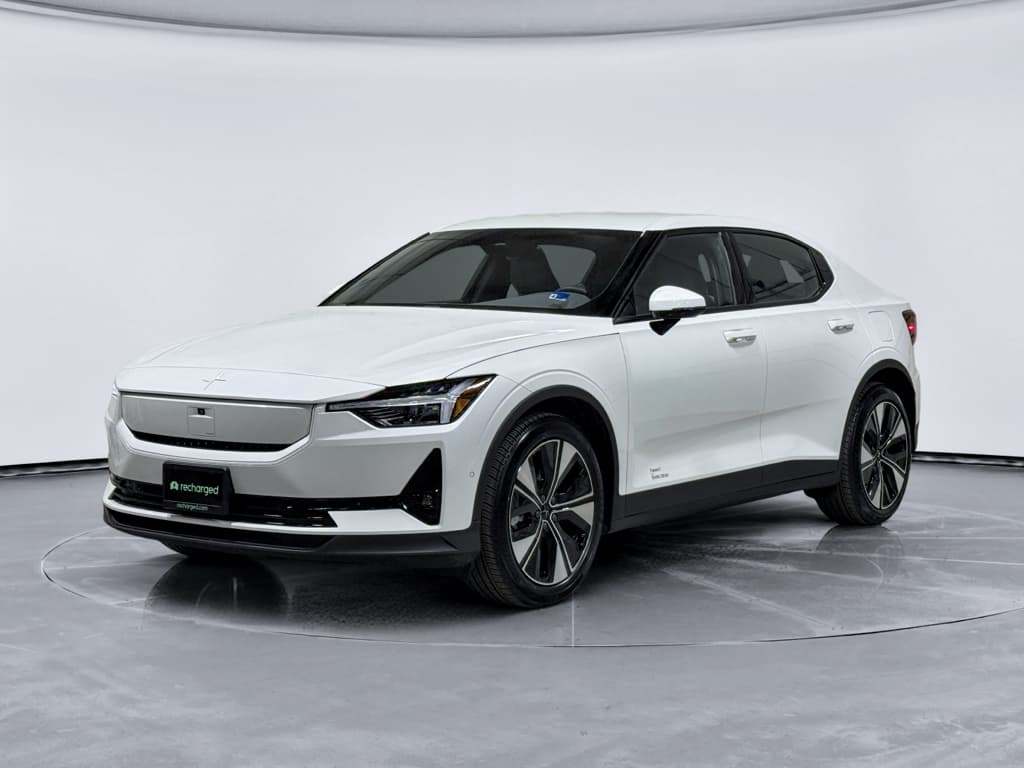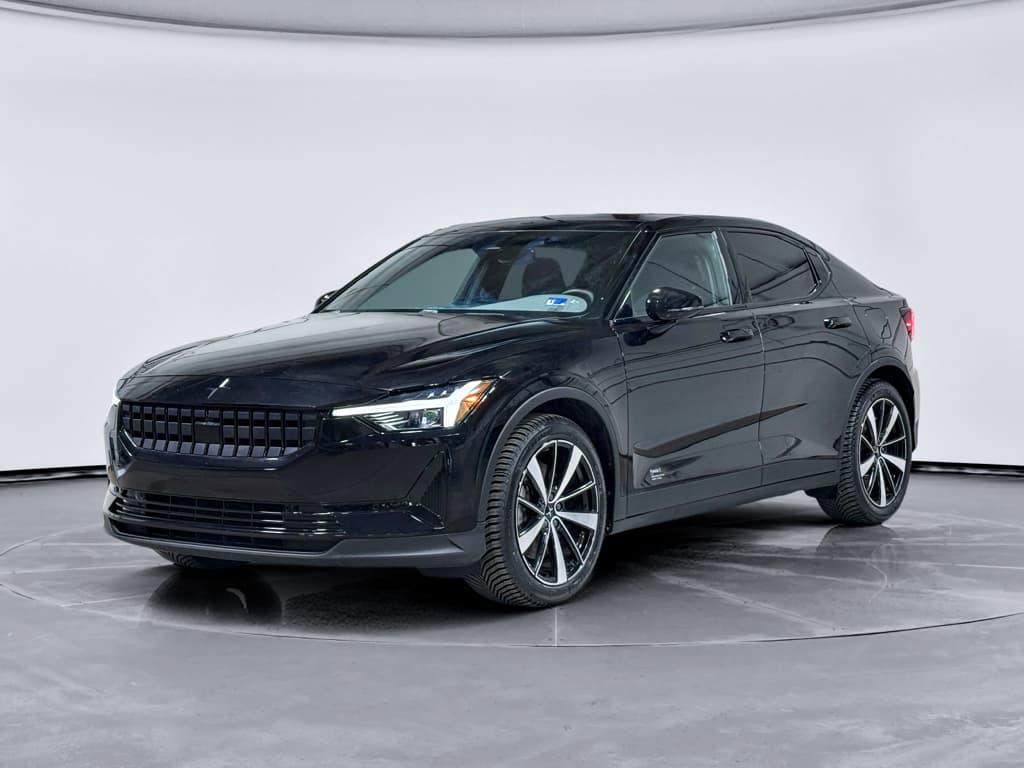
If you’re asking yourself, “What is my Polestar 3 worth?”, you’re not alone. The Polestar 3 is a brand‑new luxury electric SUV, and the market for used examples is still settling. Incentives, rapid EV price corrections, and battery‑health concerns all make it harder to know if the offer in front of you is fair.
Quick take
How much is my Polestar 3 worth today?
Let’s start with ballpark numbers. Because the Polestar 3 only began U.S. deliveries in 2024, most used examples are 2025 model‑year cars with relatively low mileage. Early data from major pricing guides and listing sites suggests:
Polestar 3 value snapshot (early 2026)
Those are ranges, not promises. A low‑mile, well‑optioned Performance Pack car can still sit well above $60,000. A high‑mile fleet or rental unit, or one with cosmetic damage or a weak battery, can easily fall below $45,000. The key is understanding what the market is rewarding, and what it’s punishing, right now.
Why online “instant values” can mislead
The 6 factors that drive Polestar 3 value
What buyers pay up for, and what they discount
Each of these levers can move your Polestar 3’s value more than you might expect.
1. Model year & build date
2. Mileage & use pattern
3. Trim, options & colors
4. Condition & history
5. Battery & charging health
6. Market timing & incentives
You can’t change when your car was built, but you can influence several of these levers right now, especially condition, documentation, and how clearly you present battery health to a potential buyer.
Price ranges for used Polestar 3s in 2026
So what do real numbers look like? Early used‑listing data and pricing‑guide estimates for 2025 Polestar 3 models in the U.S. suggest that a clean, average‑mile example typically falls into one of these buckets:
Approximate Polestar 3 value bands (U.S., early 2026)
Broad guide for 2025 model‑year Polestar 3 in the U.S. Your specific car may fall above or below these ranges.
| Scenario | Typical mileage | Condition snapshot | Rough private‑party value | Rough trade‑in value |
|---|---|---|---|---|
| High‑mile daily driver | 25,000–35,000 mi | Cosmetic wear, minor wheel rash, basic options | $42,000–$48,000 | $38,000–$44,000 |
| Average commuter | 12,000–22,000 mi | Clean inside and out, popular options, good records | $50,000–$58,000 | $46,000–$53,000 |
| Low‑mile, well‑optioned | Under 12,000 mi | Near‑new, Performance/Plus packs, desirable color | $58,000–$70,000+ | $54,000–$64,000 |
| Ex‑fleet / blemished history | Varies | Former rental or accident history, visible wear | $38,000–$45,000 | $34,000–$41,000 |
Assumes no major accidents and a clean title. Regional variation can be significant.
How this compares to MSRP
Why Polestar 3 depreciates the way it does
All new vehicles lose value, but in the last couple of years, EVs in particular have been hit hard. Several forces are at work with the Polestar 3:
- Heavy new‑car incentives: When shoppers can lease or finance a brand‑new Polestar 3 with five‑figure discounts, they’re less willing to pay near‑new money for your used one.
- Fast‑moving technology: Improvements in range, driver‑assist tech, and software updates mean last year’s EV can feel older, faster than a comparable gas SUV.
- Luxury‑EV volatility: Luxury EV SUVs have shown some of the steepest early‑year depreciation in the market. A $75,000 electric SUV dropping into the $40,000s after a few years isn’t an outlier anymore.
- Thin brand history: Polestar doesn’t yet have decades of resale‑value data the way some German and Japanese luxury brands do. That uncertainty bakes extra caution into the prices dealers and private buyers are willing to pay.
Don’t anchor on the window sticker
Battery health: how much does it affect value?
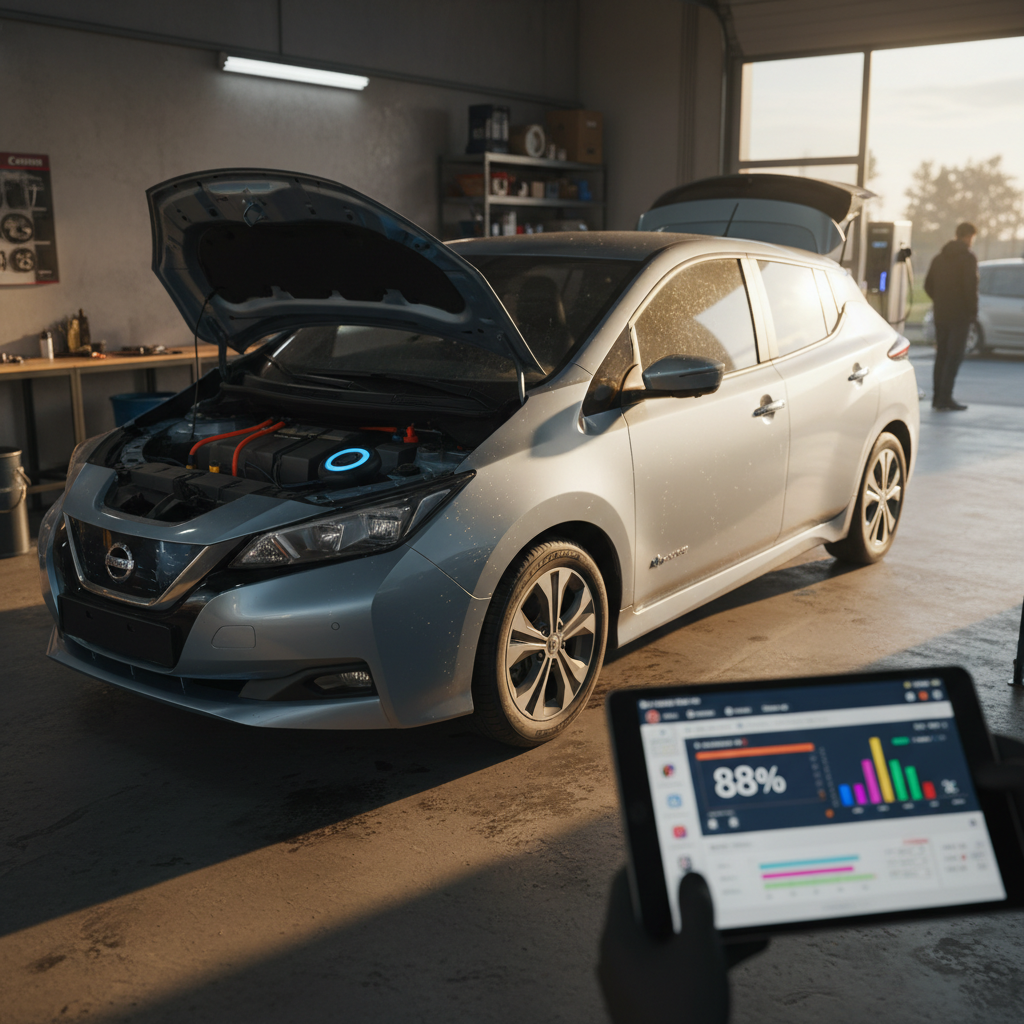
In an EV, the battery pack is the heart of the vehicle. For a premium model like the Polestar 3, buyers expect range and DC fast‑charging to feel essentially “as new” for several years. That’s why verified battery health is one of the best ways to defend your asking price.
What buyers worry about
- Reduced range: If the dash shows meaningfully less range than original EPA estimates, buyers will push price down.
- Slower fast charging: If your Polestar 3 struggles to hit expected DC fast‑charge speeds, savvy buyers wonder what else is going on.
- Out‑of‑warranty risk: Shoppers compare remaining battery warranty to how long they plan to keep the car.
What actually moves the price
- Documented health: A third‑party or dealership battery report showing good state of health gives buyers confidence.
- Charging habits: Evidence of mostly AC home charging and limited high‑SOC fast‑charging can be a quiet selling point.
- No warnings or derating: Any history of battery or charging fault codes is a red flag and should be fixed before sale.
Where Recharged fits in
Trade-in vs. selling your Polestar 3 privately
Once you have a sense of what your Polestar 3 is worth, the next question is how to turn it into cash or equity for your next vehicle. Broadly, you have three paths: trade‑in, instant‑offer sale, or private‑party sale.
Pros and cons of each selling path
1. Traditional dealer trade‑in
Fast and convenient, especially if you’re buying another car on the same day. In exchange, you’ll usually accept <strong>the lowest dollar amount</strong>, because the dealer has to leave room to recondition and resell an unfamiliar EV brand.
2. Online instant‑offer or EV marketplace
Specialized EV marketplaces like <strong>Recharged</strong> tend to understand Polestar values and battery health better than general dealers. You may get a higher offer than a local trade‑in with nearly the same convenience and free pickup in many areas.
3. Private‑party sale
Often delivers the highest selling price, but you do more work: photographs, listing management, test drives, and paperwork. For a premium EV, expect more questions about charging, software, and warranties from shoppers.
Tax advantage of trading in
How to estimate your Polestar 3’s value in 10 minutes
You don’t need to be a market analyst to get within a realistic range. Here’s a simple process to estimate what your Polestar 3 is worth right now:
10‑minute Polestar 3 valuation checklist
1. Gather the basics
Write down your VIN, exact trim, major options, current mileage, and any accident history. This is the minimum info any serious buyer or pricing tool needs.
2. Scan pricing guides
Plug your details into one or two major pricing sites that support the Polestar 3. Use their private‑party and trade‑in values as <strong>rough anchors</strong>, not gospel.
3. Check real listings
Search used‑car platforms for 2025 Polestar 3s similar to yours, same trim, mileage bracket, and region. Pay closer attention to <em>actual transaction</em> or reduced prices than dream‑level asks.
4. Adjust for mileage and condition
If comparable listings are all under 15,000 miles and you’re at 30,000, expect to be meaningfully below them. Visible cosmetic flaws or worn tires further justify a discount.
5. Factor in incentives you received
If you bought with, say, $15,000 in factory rebates, mentally use that lower net price as your starting point when judging depreciation. It’ll give you a clearer view of your true cost of ownership.
6. Reality‑check with an instant offer
Request at least one no‑obligation offer, from a local dealer, an online buyer, or an EV‑focused marketplace like Recharged. If it’s drastically below your estimate, reassess whether you missed something.
Getting a fair offer with Recharged
Because the Polestar 3 is still rare and complex, many traditional dealers either undervalue it or avoid it altogether. That’s where an EV‑only marketplace can help.
Why consider selling or consigning your Polestar 3 with Recharged
Built specifically for EV owners who don’t want to guess what their car is worth.
EV‑specialist valuation
Recharged Score report
Flexible ways to sell
Transparent pricing & support
Nationwide reach
Safety & paperwork handled
Ready to find your next EV?
Browse VehiclesIf you’re ready to test the waters, you can start by getting an online value range and then decide whether a quick sale, trade‑in, or higher‑upside consignment best fits your plans.
7 tips to boost your Polestar 3’s resale price
You can’t rewrite your car’s history, but you can present it in its best light. Before you list or trade your Polestar 3, tackle these items:
- Fix obvious, affordable issues: Think windshield chips, curb‑rashed wheels, missing key fobs, and burned‑out bulbs. Low‑effort fixes remove easy excuses for low offers.
- Detail it properly: A professional detail, especially wheel/wheel‑arch cleaning and interior steam cleaning, can add hundreds of dollars in perceived value.
- Gather service records: Print or download service history from your Polestar app, dealer portal, or independent shop. Organized records signal a cared‑for car.
- Document software status: Note that the car is updated to current software and that all driver‑assist and infotainment features work as intended.
- Highlight charging flexibility: If you’re including home charging equipment or adapters, make that clear in the listing; it’s worth real money to a first‑time EV buyer.
- Time your sale smartly: Values are usually stronger when new‑car incentives temporarily ease or when local supply tightens. If your market is suddenly flooded with discounted new Polestar 3s, waiting a month or two can help.
- Market battery health: If you’ve had a recent battery or high‑voltage health check, or you get one through a platform like Recharged, call that out prominently in your listing. It’s one of the biggest trust‑builders for used‑EV shoppers.
Think like an online shopper
Polestar 3 value FAQ
Frequently asked questions about Polestar 3 value
The Polestar 3 is one of the most distinctive electric SUVs on the road, but its youth and incentives‑heavy launch make its resale value tricky to read. By looking beyond generic book numbers, and paying close attention to mileage, condition, options, and battery health, you can land on a realistic value range and choose the selling path that fits your priorities. And if you’d rather not navigate that process alone, Recharged’s EV‑specialist team and Recharged Score battery diagnostics are designed to help you get a fair, transparent deal for your Polestar 3.