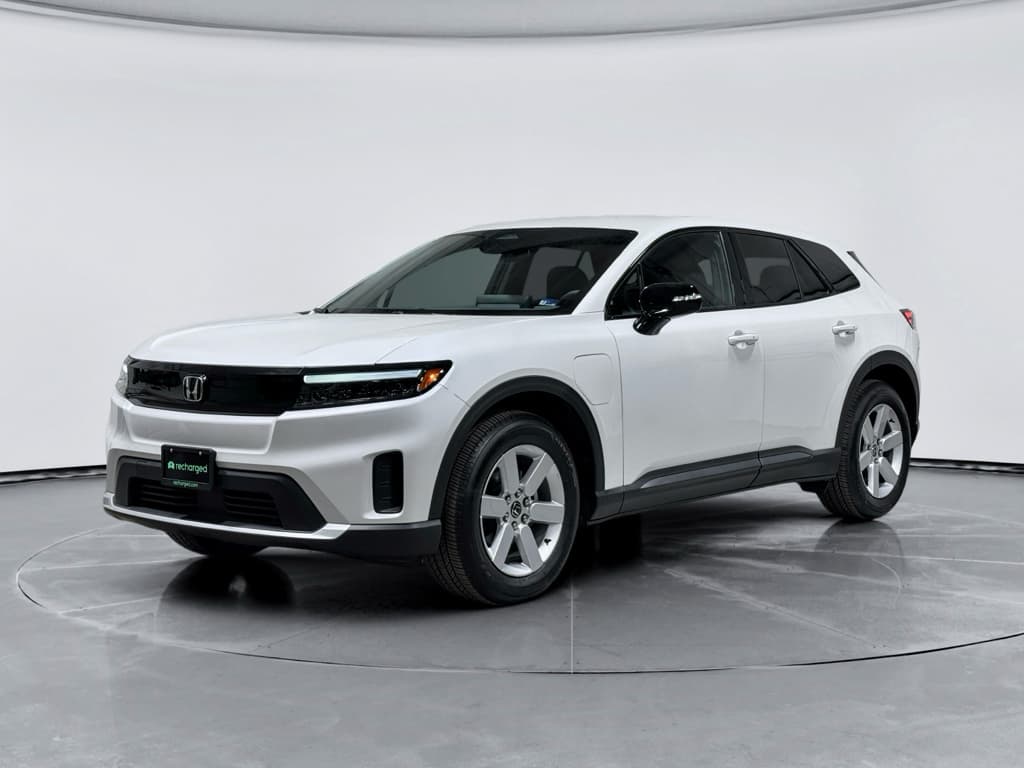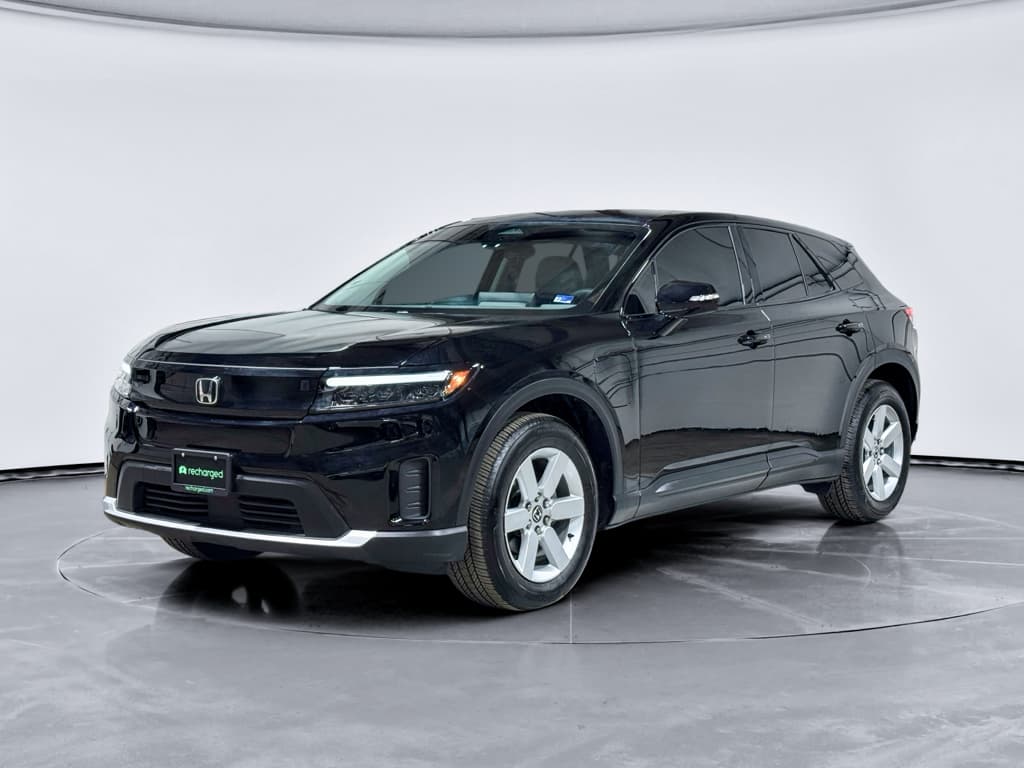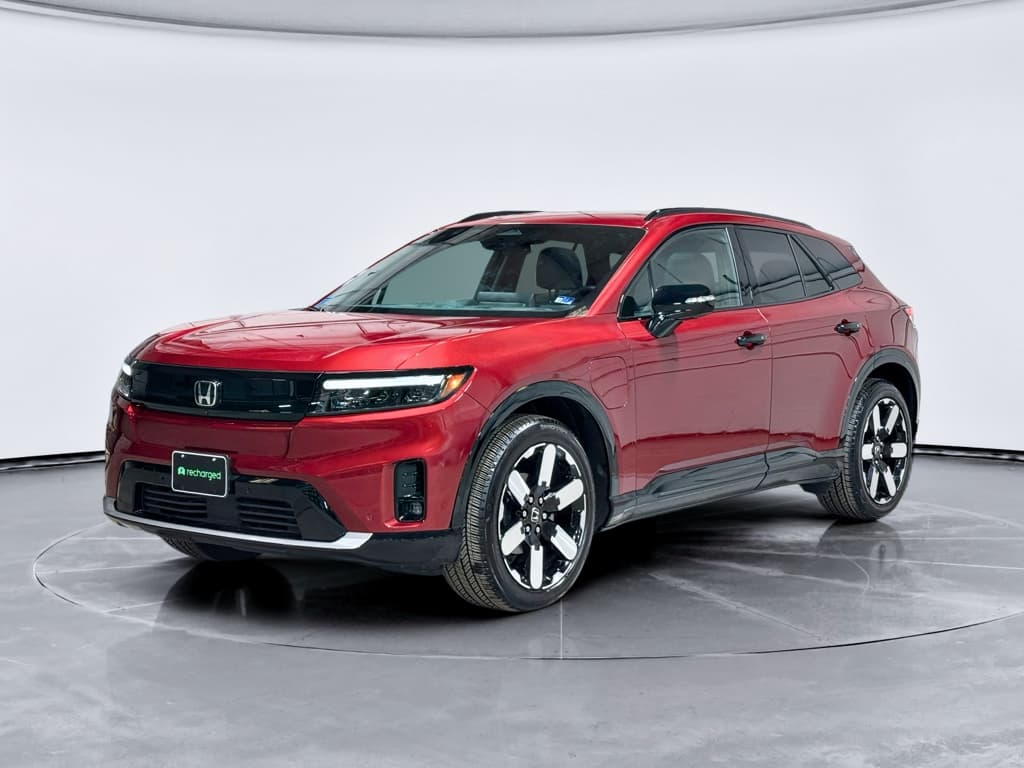
If you’re asking, “what is my Honda Prologue worth?” you’re not alone. Early Prologue buyers have watched prices move quickly as incentives, tax credits, and the broader EV market have shifted. The good news: with a bit of context and the right tools, you can get a clear, realistic picture of what your Prologue should bring in today’s market, and avoid leaving thousands of dollars on the table.
Quick take
How Much Is My Honda Prologue Worth Today?
Let’s start with a realistic, big‑picture answer. As of 2026, early resale data and dealer experiences point to a faster‑than‑average first‑year drop for the Honda Prologue compared with traditional Honda gas SUVs. This isn’t a “Honda problem” so much as a reflection of where the EV market is right now: rapid price cuts from Tesla and others, heavy new‑EV incentives, and lots of nearly‑new inventory on dealer lots.
Honda Prologue value snapshot (typical ranges, 2026)
Those are directional ranges, not promises. Your specific Prologue might be worth more, or less, based on things like mileage, whether it’s front‑wheel drive or AWD, how aggressively your local dealers are discounting new inventory, and the condition of the battery pack. We’ll walk through each of those next, then show you a step‑by‑step way to estimate a fair number for your car.
Don’t anchor on your original MSRP
What Honda’s Original Pricing Tells You About Value
To understand depreciation, it helps to start with where the Honda Prologue launched. For the 2024 model year, Honda positioned the Prologue as a mid‑size, Ultium‑based electric SUV priced similarly to a well‑equipped gas CR‑V or Passport and directly against EVs like the Tesla Model Y and Hyundai Ioniq 5.
2024–2025 Honda Prologue original MSRP (U.S.)
Approximate starting MSRPs before destination and incentives. Exact stickers vary slightly by source and configuration.
| Model year | Trim | Drivetrain | Approx. starting MSRP* |
|---|---|---|---|
| 2024 | EX | FWD | $47,400 |
| 2024 | EX | AWD | $50,400 |
| 2024 | Touring | FWD | $51,700 |
| 2024 | Touring | AWD | $54,700 |
| 2024 | Elite | AWD | $57,900 |
| 2025 | EX | FWD | $47,400 |
| 2025 | Touring | FWD | $51,700 |
| 2025 | Elite | AWD | $57,900 |
Knowing your original trim and MSRP helps you understand how steep your current discount is, but the market sets today’s price.
By 2025, Honda held those headline prices roughly flat but increased rated range and power, while heavily discounting remaining 2024 inventory. At the same time, dealers in many regions began advertising effective transaction prices far below MSRP by stacking manufacturer cash, dealer discounts, and the $7,500 federal clean vehicle credit where applicable.
MSRP vs. what the market remembers
Key Factors That Change Your Honda Prologue’s Worth
What really moves your Prologue’s value up or down
Trim and mileage matter, but they’re not the whole story.
Mileage & use
Like any vehicle, a Prologue with 8,000 miles is worth more than one with 38,000. EV buyers also watch how the miles were driven, lots of fast‑charging and rideshare use can soften demand.
Condition & history
Clean Carfax/AutoCheck, no accidents, no paintwork, and up‑to‑date service records can easily be worth thousands compared with a similar Prologue with a rough history.
Battery health
Because the Prologue is an EV, battery state of health is a huge driver of value. A pack that still tests near its original usable capacity is far more attractive to buyers.
Region & demand
In EV‑dense metros with robust charging (California, Pacific Northwest, Northeast), buyers are less wary and prices are often stronger than in regions where public charging is sparse.
Charging experience
The Prologue launched with CCS fast‑charging but is on the path toward NACS adapter support. How well your local infrastructure works, and whether buyers understand it, can nudge value.
Options & trim
Touring and Elite trims with leather, Bose audio, and AWD generally command more than an EX, but if the market is flooded with high‑trim lease returns, the spread can narrow.
Document the good stuff
How Tax Credits and Discounts Affect Resale
EV tax credits are one of the most misunderstood parts of EV resale value. Many new‑car buyers saw a $7,500 federal clean vehicle credit effectively baked into their Prologue purchase or lease deal. That’s great for affordability up front, but it also pushes used values down, because shoppers now benchmark against those subsidized new‑car prices, not just the MSRP.
New‑car side: incentives everywhere
- Honda and its dealers have widely advertised Prologue deals that assume a full or partial $7,500 federal credit for qualifying buyers.
- Some 2024 units were effectively sold in the low‑$30,000s after stacking federal incentives, rebates, and discounts.
- When new Prologues transact that low, used values naturally compress to stay compelling.
Used‑car side: credits are limited
- Used EVs can qualify for a separate up to $4,000 federal credit, but only under strict price, income, and vehicle‑history limits, and program details can change year to year.
- In practice, many used Prologues on dealer lots are not being advertised with any federal used‑EV credit baked in.
- That means buyers compare your used price directly to aggressive new‑car deals, which caps what the market will pay.
Why your payoff balance may be higher than market value
Battery Health: The Silent Driver of Value
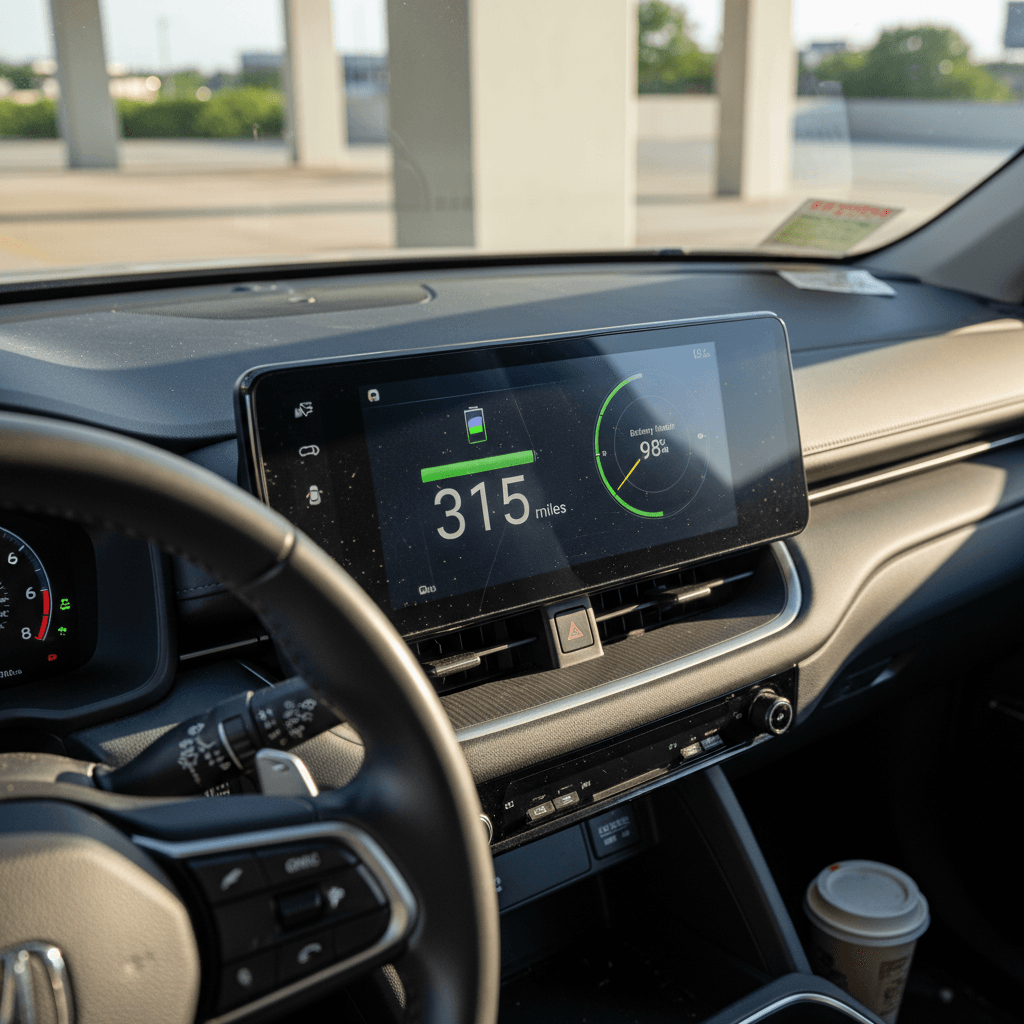
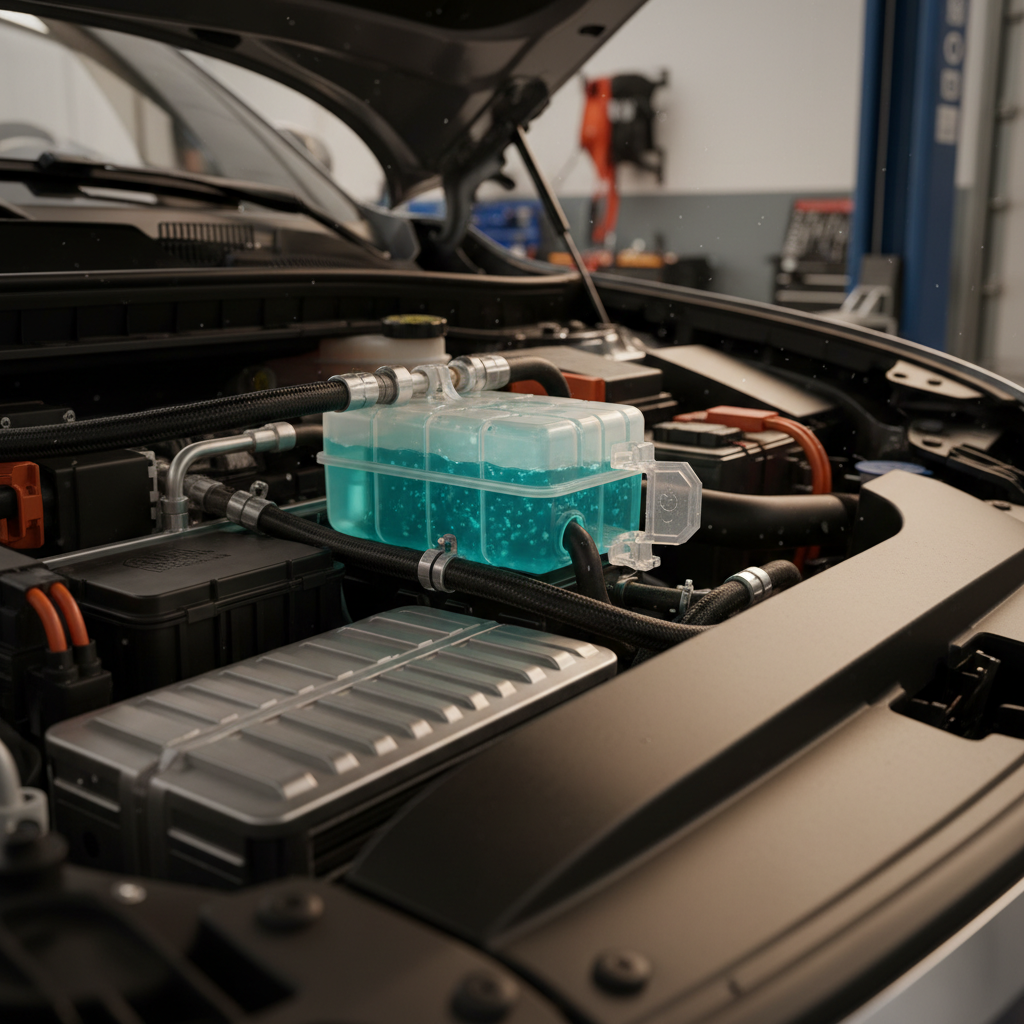
With EVs, range confidence is everything. Two Prologues with the same mileage and trim can be worth different amounts if one has been fast‑charged heavily, lived in extremely hot climates, or shows early signs of capacity loss. Unfortunately, most traditional pricing guides and dealer “appraisal sheets” still treat EVs a lot like gas SUVs, they lean heavily on mileage and options, with only a crude nod to the battery pack.
That’s where independent battery diagnostics become valuable. A high‑quality test can estimate your pack’s state of health (SoH) versus when it was new. If your Prologue still delivers close to its original usable capacity, that’s a concrete selling point that can separate your SUV from others on the market.
How Recharged’s battery report helps
Ready to find your next EV?
Browse VehiclesHow to Estimate Your Own Honda Prologue Value
You don’t need to be a market analyst to get close to your Prologue’s true worth. The key is combining pricing‑guide data with what’s actually happening in your local market, and then adjusting for your vehicle’s condition and battery health.
Step‑by‑step: estimate what your Honda Prologue is worth
1. Decode your exact trim and options
Check your registration, purchase paperwork, or driver’s door jamb sticker to confirm model year, trim (EX, Touring, or Elite), and drivetrain (FWD or AWD). Note major options like panoramic roof, wheels, or appearance packages.
2. Pull baseline numbers from pricing guides
Use sites like KBB, Edmunds, NADA, or Black Book to get rough <strong>trade‑in</strong> and <strong>private‑party</strong> values for your trim, mileage, and ZIP code. This gives you a starting range, not a final answer.
3. Scan real‑world listings in your area
Search used Prologues within a few hundred miles on major marketplaces. Filter for similar mileage and trim. Note asking prices, but also look at how long listings have been sitting, stale listings often indicate prices that are too high.
4. Adjust for condition and history
If your Prologue has accident history, curb‑rashed wheels, or overdue maintenance, lean toward the low end of the range. If it’s spotless, with complete records and recent tires, you can justify leaning high.
5. Factor in battery health and charging behavior
If you have documentation or a third‑party report showing strong battery health, that supports a stronger ask. Heavy DC‑fast‑charging use without documentation may push buyers toward the low end of comparable prices.
6. Reality‑check against instant offers
Request instant or quick offers from multiple online buyers, including EV‑focused marketplaces like <strong>Recharged</strong>. These numbers might be lower than private‑party prices, but they’re a useful benchmark for how wholesale buyers see your Prologue.
Use trade‑in and private‑party as a band
Selling Options: Trade-In, Private Party, or Online
Once you have a sense of what your Honda Prologue is worth, the next decision is how to sell it. Each path, dealer trade‑in, private‑party sale, or online/EV‑specialist marketplace, handles risk and effort differently, and that can matter a lot more with an EV than a gas SUV.
Dealer trade‑in
- Fast and convenient, especially if you’re upside‑down and need to roll negative equity into your next vehicle.
- Offer is usually the lowest of your options, because the dealer needs margin to resell or wholesale the car.
- Most dealers still treat EVs like gas SUVs on appraisals, limited emphasis on battery health or charging equipment.
Private‑party sale
- Often yields the highest sale price, especially if you can educate buyers about battery health and charging.
- Requires the most effort: photos, listings, test drives, vetting buyers, and managing payment and title transfer.
- Some buyers are still wary of EVs and may need extra reassurance about range and charging.
Online / EV‑focused marketplace
- Blends convenience with EV expertise; buyers are already shopping specifically for electric vehicles.
- Offers may beat generic wholesale numbers if your Prologue tests well on battery health.
- With Recharged, you can get EV‑specialist support, nationwide buyer reach, and a digital, transparent process.
How selling through Recharged works for Prologue owners
When Might It Make Sense to Hold vs. Sell?
Just because values have dropped doesn’t automatically mean you should dump your Prologue. The right move depends on how you use the vehicle, your payoff amount, and what you’d replace it with.
Common scenarios for Honda Prologue owners
You love the Prologue and drive it a lot
If the SUV fits your family and commute, and charging is easy where you live, <strong>keeping it 5–8 years</strong> can spread out depreciation.
Focus on preserving battery health: avoid constant 100% fast‑charges and extreme heat when possible.
If you’re not planning to sell soon, short‑term price swings matter less than your cost per mile over time.
You’re frustrated with charging or range
If CCS infrastructure near you is weak and you’re constantly planning around chargers, a vehicle with better‑aligned charging (or plug‑in hybrid) may lower your stress.
Run the numbers: know your payoff, realistic market value, and what a replacement will cost monthly, including fuel and insurance.
If negative equity is modest and your quality of life improves, trading out may make sense, especially if you move into a platform with better fast‑charging coverage in your region.
You leased and your buyout looks high
Lease residuals set before the EV price reset are often <strong>above</strong> market value today.
Compare your buyout price (plus fees and tax) to what similar Prologues are selling for. If the lease company wants more than market value, returning the SUV and buying used may be smarter.
If the buyout is at or below wholesale values, that can be an opportunity: buy the Prologue, then resell it or keep it as a relatively cheap long‑term EV.
You want to capture remaining equity
If your payoff is well below current market value, you effectively have equity in the vehicle.
Getting multiple offers, dealers, instant‑offer platforms, and EV specialists, helps you see how much you can cash out.
If you don’t actually need the size or capability of the Prologue anymore, capturing that equity and downsizing could significantly cut your total transportation costs.
Watch the tech transition
FAQ: Honda Prologue Resale Value
Frequently asked questions about what your Honda Prologue is worth
Bottom Line on What Your Honda Prologue Is Worth
Your Honda Prologue’s true worth is a mix of what similar SUVs are selling for today, how well you’ve cared for it, and how healthy its battery is, not simply the MSRP you remember or the balance on your loan. Early Prologues have taken a steeper first‑year hit than traditional Hondas, but that doesn’t mean you’re stuck. With realistic expectations, smart shopping for offers, and solid documentation, you can still land a fair outcome whether you sell now or keep driving.
If you want help turning that rough range into a real number, Recharged is built for exactly this moment in the EV market. From instant offers and EV‑savvy consignment to verified battery health diagnostics and nationwide buyers, you can stop guessing what your Honda Prologue is worth and start making decisions based on clear, data‑backed information.