You didn’t buy a BMW i7 to save money. You bought it because you wanted a rolling first‑class lounge with a theater screen in the back and 1950s‑ocean‑liner silence. But at some point reality taps you on the shoulder: what is my BMW i7 actually worth now? And am I about to light another five‑figure bundle of cash on fire by waiting too long to sell?
Short answer: your i7 is probably worth less than you think
BMW i7 value at a glance (2024–2026)
Real-world BMW i7 numbers to benchmark your car
Important context
How much is my BMW i7 worth right now?
The BMW i7 launched for the 2023 model year, so the U.S. used market is still thin but rapidly filling in. We can already sketch some realistic ranges for spring 2026 if you’re in the United States:
Typical BMW i7 value ranges in early 2026 (U.S.)
Ballpark resale ranges assuming clean history and average to below‑average mileage for the age. These are not offers, just sanity checks.
| Model year | Typical miles | Trim examples | Rough private‑party range | Rough dealer trade‑in range |
|---|---|---|---|---|
| 2025 | 0–20,000 | eDrive50, xDrive60, M70 | $80,000–$120,000 | $70,000–$110,000 |
| 2024 | 10,000–35,000 | eDrive50, xDrive60, M70 | $65,000–$105,000 | $55,000–$95,000 |
| 2023 | 20,000–50,000 | xDrive60, M70 | $55,000–$95,000 | $45,000–$85,000 |
Use this table as a starting point, then adjust for your exact trim, miles, options, and condition.
Why these ranges are so wide
- Used 2024 i7s have been advertised anywhere from the low‑$60,000s to well over $100,000 depending on trim and miles.
- Some pricing tools show 2025 i7 values stretching from the mid‑$60,000s to well into six figures, again driven mostly by spec and mileage.
Why the BMW i7 depreciates so fast
The i7 is a double whammy: it’s a flagship BMW 7 Series and it’s a big EV. Both of those categories are notorious for heroic depreciation. Put them together and the curve is steeper than a Wall Street bonus graph in a recession.
- Flagship sedans always fall hard. Historically, a new 7 Series could lose close to 30% of its value in the first year and over half by year five. The i7 is following that playbook, just with electrons.
- Rapid EV tech turnover. Each model year brings longer range, faster charging, and better driver‑assist tech, and luxury buyers want the newest toys. Yesterday’s cutting‑edge i7 quickly looks like last year’s iPhone.
- Hefty MSRPs, heavy discounts. It’s not unusual to see meaningful discounts off sticker on new i7s when the market softens. That instantly drags used values down, because nobody will pay near‑new money for a softly used car when a brand‑new one is being subsidized next door.
- Big‑car niche. The pool of people shopping for a six‑figure electric limo is small. Fewer buyers means more negotiating leverage for the ones who show up.
The ugly scenario
6 things that change what your i7 is worth
The levers that move your i7’s value up or down
You can’t change the model year, but you can control how the car shows up in the market.
1. Trim & options
On an i7, trim is destiny. An eDrive50 spec’d modestly won’t pull the same money as a loaded M70 with Executive Package and Theatre Screen, even with similar miles.
Buyers will pay real money for:
- Executive / Luxury Rear Seating packages
- Rear Theatre Screen
- High‑end audio (e.g., Bowers & Wilkins)
- Driver‑assist & Highway Assistant bundles
2. Mileage & usage pattern
The market still treats EVs like gas cars when it comes to miles. Under 10,000 miles per year feels premium. Over 15,000 starts to look like rideshare territory, fairly or not.
Two otherwise identical 2024 i7s, one at 12,000 miles and one at 42,000, can easily be $10,000–$15,000 apart.
3. Condition & Carfax history
Clean history, no paintwork, no curb‑chewed 21‑inch wheels: this is table stakes for top dollar. Visible repairs, accident history, or even multiple owners in a short window will spook a six‑figure‑EV buyer.
Detailing and a clean inspection report are cheap relative to the value they protect.
4. Battery health & fast‑charging habits
On EVs, battery health is the new timing belt. Frequent DC fast‑charging, especially at high states of charge, can accelerate degradation.
Documented high battery State of Health (SoH) makes your i7 feel like a safer bet, and can justify thousands more versus a similar car with a sickly pack.
5. Where you’re selling
Market location matters. A loaded i7 can be a harder sell in regions where public charging is sparse or energy prices are brutal, and easier in EV‑dense coastal metros.
Sometimes shipping a car to a stronger market nets more than it costs.
6. Timing vs. new incentives
BMW and its competitors run aggressive finance and lease promos. When new i7s are heavily subsidized or discounted, used values sag in sympathy.
Selling into the teeth of a big new‑car incentive program is like listing your house the same week the city opens a dozen luxury condos next door.
How to get a rough value for your i7 in 10 minutes
Online pricing tools are decent thermometers, but they don’t know your specific car the way you do. Here’s a quick, sensible way to answer “what is my BMW i7 worth?” without falling down a valuation rabbit hole.
10‑minute BMW i7 value check
1. Gather your basics
You’ll need year, exact trim (eDrive50, xDrive60, M70), major packages, current mileage, and your ZIP code. Also note accident history and any open recalls.
2. Check 2–3 online valuation tools
Plug those details into tools like KBB, Edmunds, or similar. Record both <strong>trade‑in</strong> and <strong>private‑party</strong> values. Ignore outlier numbers; you’re looking for a cluster.
3. Scan real listings, not just calculators
Search for used BMW i7s within 250–500 miles. Filter by model year, trim, and miles close to yours. Focus on actual asking prices and days on market, not just the cheapest unicorn or the most optimistic dreamer.
4. Adjust mentally for your car’s story
If your i7 has a rare color combo, low miles, or every option box ticked, lean toward the high side of the range. Accident history, cosmetic issues, or missing maintenance records? Shade down.
5. Decide your ‘walk‑away’ number
From those ranges, pick two numbers: the lowest you’d accept from a dealer, and the lowest you’d take from a private buyer. Having those in mind keeps you from making a panic decision when an offer hits your inbox.
6. Get at least one real‑world offer
Even if you don’t plan to sell today, getting a real offer, instant cash offer, dealer appraisal, or a bid from a platform like <strong>Recharged</strong>, tells you how the market values your BMW i7 this week, not last quarter.
Where Recharged fits in
Selling vs. trade-in vs. consignment for a BMW i7
Dealer trade‑in
- Pros: Fast, convenient, one set of signatures. Good if you’re rolling equity into another car.
- Cons: Usually the lowest number on the table; dealers have to protect margin and hedge against a softening EV market.
- Best for: Owners who value time and simplicity over squeezing every last dollar out of the car.
Private‑party sale
- Pros: Often yields the highest price, especially on rare specs and low‑mile examples.
- Cons: You’re writing the ad, fielding tire‑kickers, vetting payment, and handling paperwork. You’re also explaining over and over how charging works.
- Best for: Patient sellers comfortable handling strangers and large transactions.
Consignment / EV marketplace
- Pros: You keep access to a broad national buyer pool and professional marketing while avoiding day‑to‑day selling hassle.
- Cons: There are fees or a revenue share; not all platforms understand EVs yet.
- Best for: Higher‑value i7s where a few thousand in extra sale price more than covers the selling costs.
How Recharged can help you sell an i7
Ready to find your next EV?
Browse VehiclesHow battery health affects your BMW i7’s value
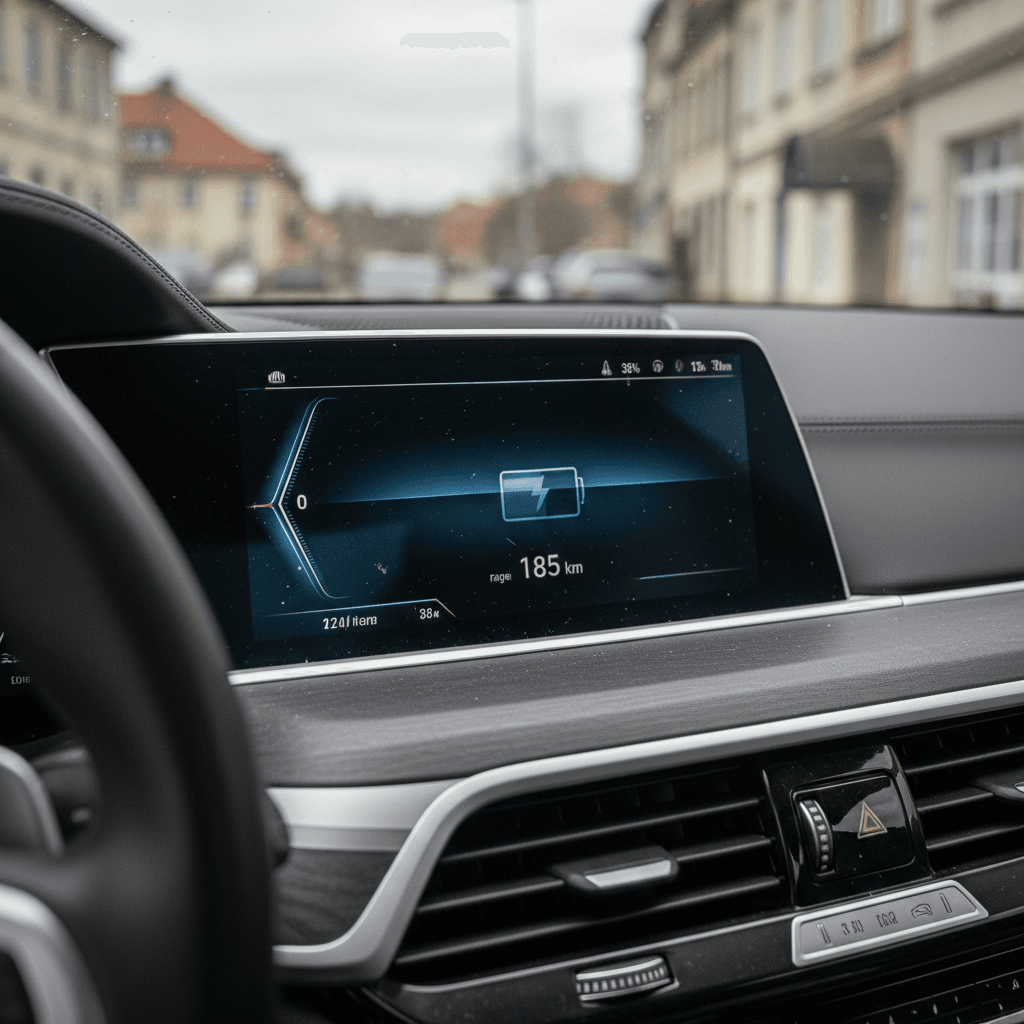
In the old world of gasoline, nobody ever asked, “What’s the octane health of your fuel tank?” With EVs, the battery is the car. For the i7, that pack is an enormous line item, and shoppers know it.
- State of Health (SoH) is the headline number. This is usually expressed as a percentage of original usable capacity. A 94% SoH i7 feels like a healthy car; an 83% SoH car raises questions, even if it still drives fine.
- Fast‑charging history matters. Heavy DC fast‑charging, especially from high states of charge, can accelerate wear. A car that mostly charges at home on Level 2 will often show better long‑term battery health.
- Range expectations are emotional, not rational. If your car’s indicated full‑charge range is noticeably below what reviews and specs promise, buyers will price in that anxiety, whether or not it really affects their daily driving.
- Out‑of‑warranty risk. Once you get closer to the end of BMW’s high‑voltage warranty coverage, any hint of battery weakness becomes a major pricing drag. Nobody wants to be the person holding the keys when a five‑figure battery repair comes due.
Put real numbers behind your battery
Tips to boost your BMW i7 resale price
You can’t turn back the odometer, but you can absolutely change how the market reacts when your listing goes live. With a car like the i7, the details are the difference between an opportunistic lowball and a buyer who shows up ready to pay close to your number.
Practical ways to make your i7 worth more
1. Fix the easy cosmetic sins
Curb rash on those giant wheels, rock chips on the nose, door‑ding touch‑ups, all of it telegraphs how the car has been treated. A few hundred dollars at a good wheel repair and paintless dent shop can add thousands in perceived value.
2. Get a fresh service & clean history report
A recent inspection, up‑to‑date software, and documented service records tell buyers there are no nasty surprises hiding in the iDrive menus. Pull a clean vehicle‑history report and have it ready to share.
3. Detail like it’s heading to Pebble Beach
Deep interior clean, leather conditioning, careful attention to piano‑black trim and screens. The i7’s cabin is its party trick; make sure yours looks like a six‑figure lounge, not an airport Uber.
4. Include your charging gear (or price it separately, on purpose)
If you have a BMW Wallbox, quality Level 2 charger, or adapters, decide whether to bundle them in as a sweetener or list them separately. Either way, call it out so buyers feel taken care of.
5. Lead with battery and range in your ad
Don’t bury the lede. If your car consistently shows strong range on a full charge and you have documentation of good battery health, say so in the first two lines of your listing.
6. Take photography seriously
Shoot in soft daylight, show full 3/4 exterior views, close‑ups of the key features (Theatre Screen, interior lighting, driver display), and honest shots of any flaws. Buyers shopping used six‑figure EVs know the difference between phone‑snap lazy and seller‑who‑cares.
When is the best time to sell a BMW i7?
Luxury EVs like the i7 are at their most financially rational in a fairly narrow window: old enough that the first owner has taken the big depreciation hit, but young enough that tech and warranty coverage still look fresh. If you’re currently the first owner, that means you need to think a bit like a chess player, not a passenger.
Timing strategies for different i7 owners
You bought new in 2023
You’ve already taken the nastiest part of the curve. If you’re under 25,000 miles and in love with the car, keep it until about year 4 and re‑evaluate.
If you’re on the fence, selling now (around the three‑year mark) before mileage creeps up and new tech makes your car look dated may save you from a second major drop.
Watch BMW and rival incentives: when new i7s or competing luxury EVs get big discounts, used prices can sag within a month or two.
You bought CPO in 2024–2025
You likely captured a chunk of early depreciation already. Your best window is usually years 2–4 of your ownership, when the car still feels modern but you’re not upside‑down on value.
If your warranty coverage is set to expire soon, consider marketing the car while there’s still some factory or CPO warranty left as a selling point.
Stay mindful of battery‑tech leaps. When the next‑gen i7 or rival boasts a huge range or charging leap, shoppers will benchmark your car against that headline number.
You’re thinking about buying an i7 used
The steep early depreciation that hurts first owners is your opportunity. Let someone else eat the 25–30% year‑one drop, then buy a gently used 2–3‑year‑old i7 with documented battery health.
Focus on cars with clean history and strong Recharged‑style battery reports. A cheap i7 with a compromised pack is not a bargain; it’s a very comfortable time bomb.
Think about your own exit; if you plan to keep it 5–7 years, residual value matters less than buying a car that will still feel special to you in 2030.
Don’t wait “just one more year” by default
FAQ: BMW i7 resale value & selling
Frequently asked questions about BMW i7 value
The BMW i7 was never going to be a spreadsheet car. It’s a rolling manifesto about how you think a luxury sedan should feel in the electric era. But when it’s time to part ways, you don’t have to accept mystery‑meat offers and shrug at the depreciation gods. By understanding how the market treats the i7, and by putting real data behind mileage, options, and especially battery health, you can answer “what is my BMW i7 worth?” with something better than a guess. And whether you sell privately, trade it, or let a specialist like Recharged handle the heavy lifting, you’ll at least know you’re making a deliberate choice, not an expensive accident.