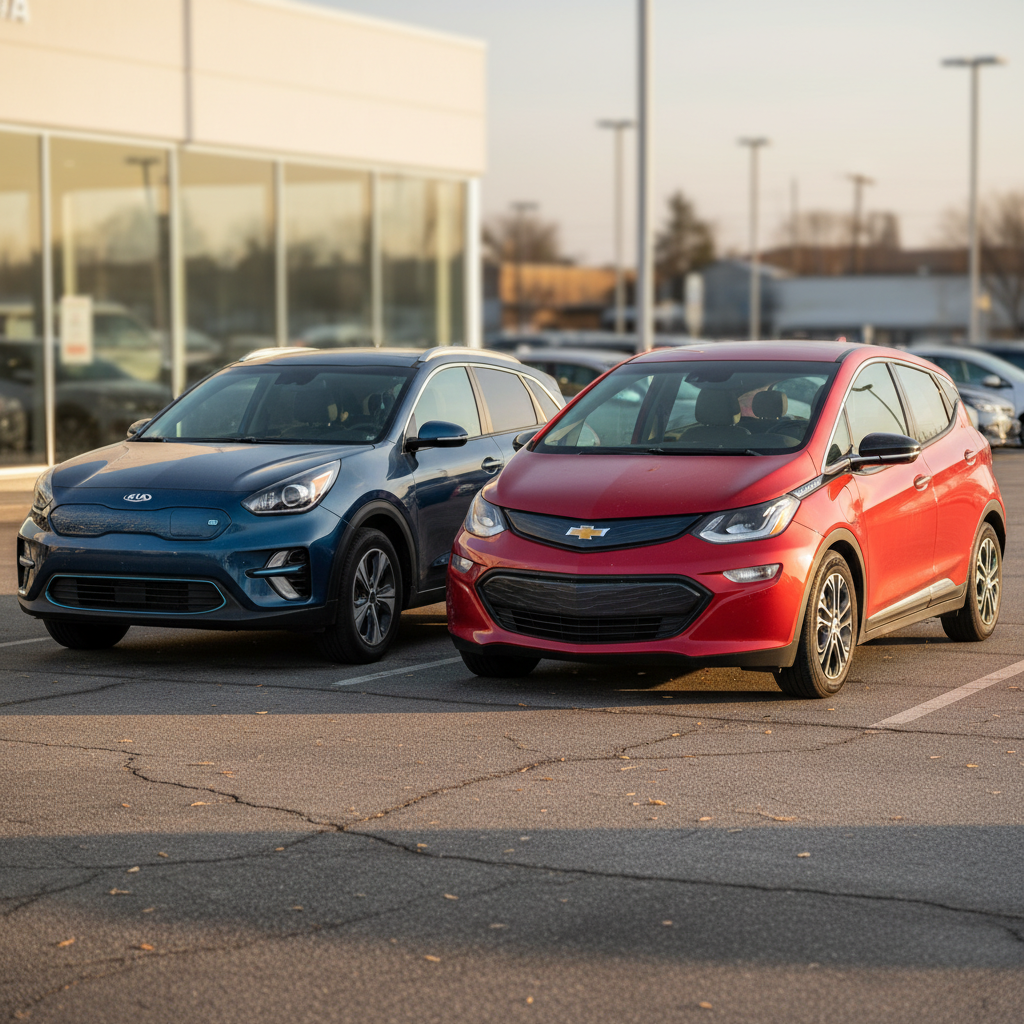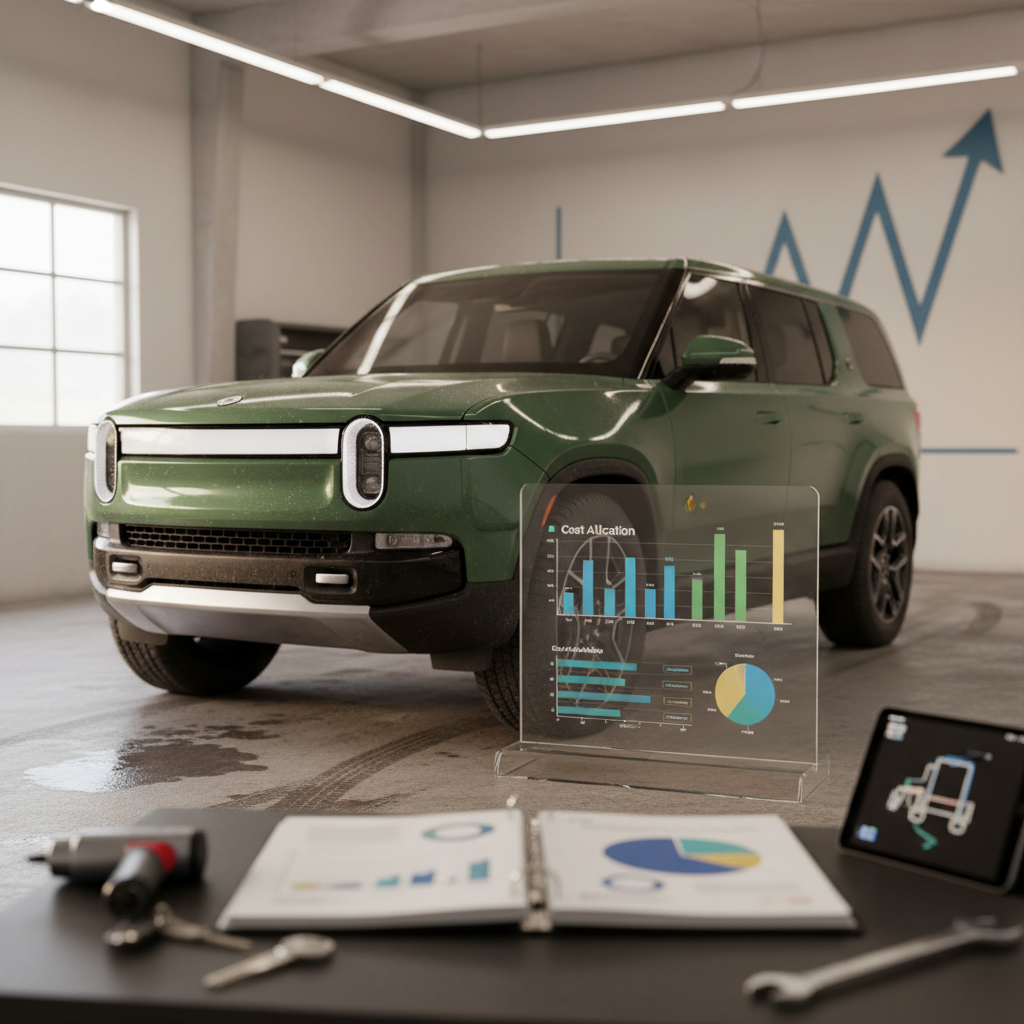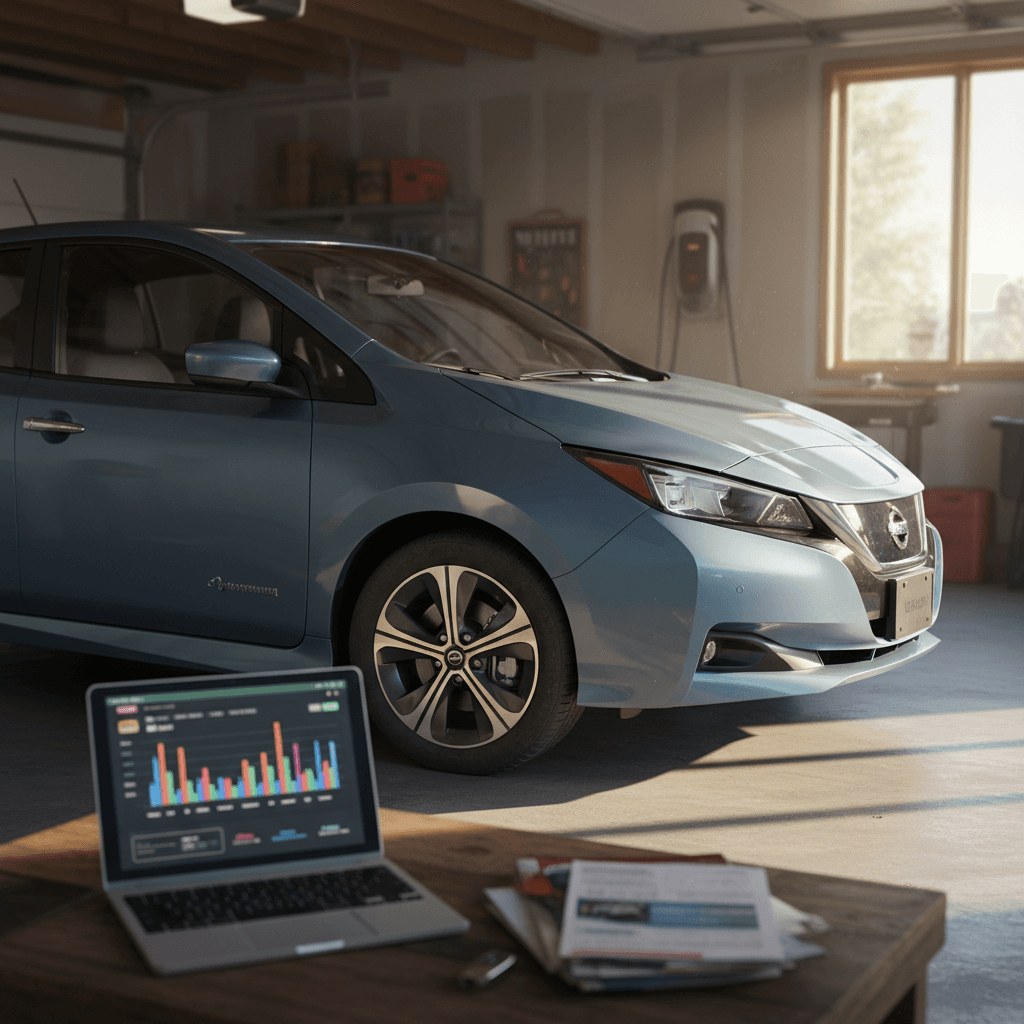
If you’re wondering “what is an electric car, exactly?” you’re not alone. EVs have moved from niche to mainstream quickly, and by 2025 they make up close to one in ten new cars sold in the U.S. Yet many shoppers still aren’t clear on how they work, what they cost to run, or whether a new or used electric car makes sense for everyday life.
Quick definition
What is an electric car? (Plain-language definition)
At its core, an electric car is a battery on wheels. Instead of burning gasoline in an engine, it draws electricity from a large battery pack and sends that power to an electric motor that turns the wheels. You “refuel” not at a gas pump but by plugging into an electrical outlet or charging station.
- No tailpipe or exhaust system: most electric cars produce zero emissions at the point of use.
- Energy comes from a high‑voltage battery pack, not a fuel tank.
- Motion is provided by one or more electric motors instead of an internal combustion engine.
- You plug in to charge, at home, at work, or at public charging stations, rather than visiting a gas station.
Good to know
How an electric car works in simple terms
Mechanically, electric cars are simpler than gasoline vehicles. There’s no complex multi‑gear transmission, no oil system, and far fewer moving parts. That simplicity is a big part of why maintenance costs are typically lower over the life of the vehicle.
Main components of an electric car
Four key pieces do almost all the work
Battery pack
Inverter
Onboard charger
Electric motor
When you press the accelerator, the car’s computer tells the inverter and motor to draw more power from the battery. When you lift off or press the brake, most EVs use regenerative braking, turning the motor into a generator to feed energy back into the battery instead of wasting it as heat.
Range in plain English
Types of electric vehicles: BEV vs hybrid vs plug-in hybrid
Not every “electrified” vehicle is the same. When you shop, you’ll see three main types, each using electricity in a different way.
Electric vehicle types at a glance
How BEVs, hybrids, and plug‑in hybrids differ in fuel source, range, and daily use.
| Type | Also called | Primary power source | Typical electric range | Needs gas? | Best for |
|---|---|---|---|---|---|
| Battery electric vehicle | BEV, fully electric | Large battery + electric motor | 220–300+ miles total range | No | Drivers who can charge regularly and want to avoid gas entirely |
| Hybrid | HEV | Gas engine + small battery | Usually cannot drive on electricity alone | Yes | Maximizing fuel economy without plugging in |
| Plug‑in hybrid | PHEV | Battery + gas engine | 20–60 miles on electricity, then gas | Yes | Short daily trips with occasional long road trips |
Battery electric vehicles are fully electric; hybrids and plug‑in hybrids still use gasoline.
Watch the terminology
How do you charge an electric car?
Charging is the piece that feels most different from owning a gas vehicle, and it’s usually easier once you’ve done it a couple of times. Think of it like charging your phone: plug in when you’re home or stopped, and start the day topped up.
Typical electric car charging options
Home charging
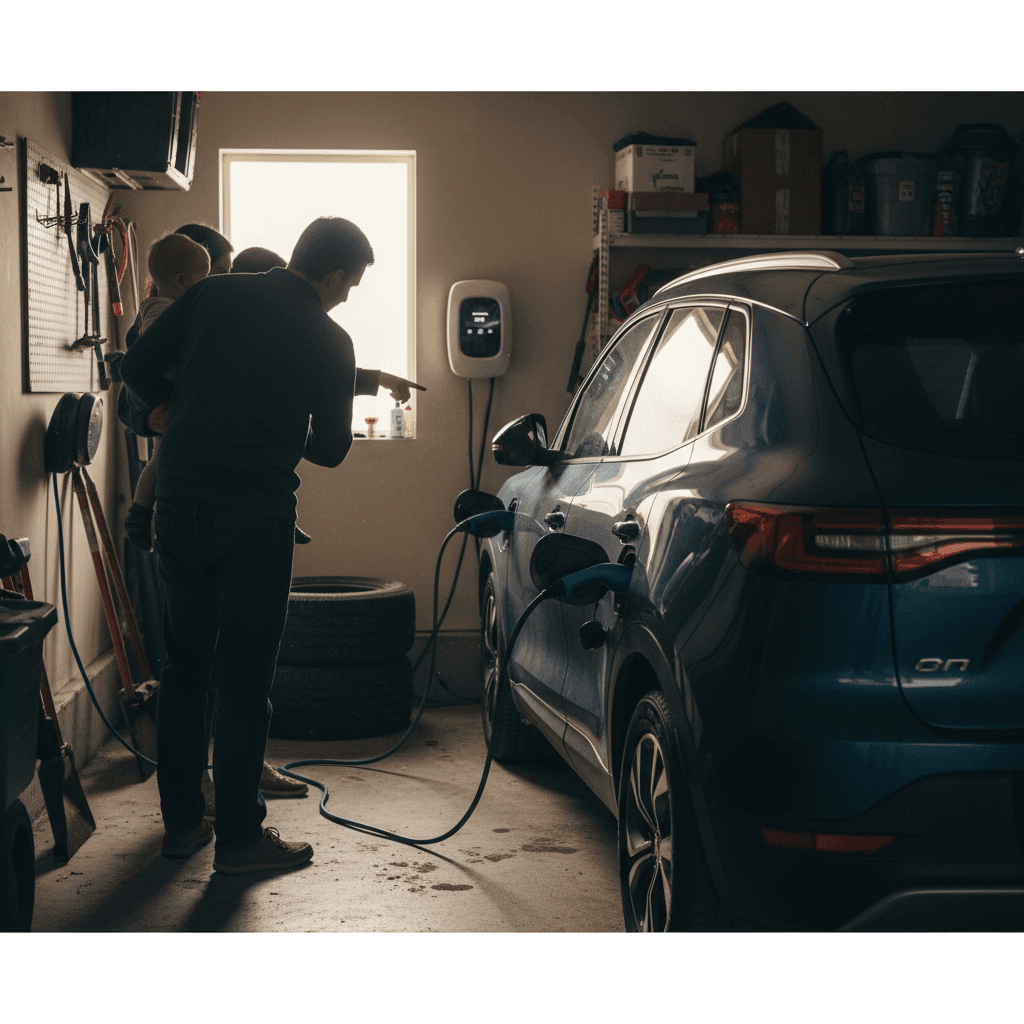
If you can charge at home, that’s typically the cheapest and most convenient way to live with an EV. Many owners install a Level 2 charger in a garage or driveway on a 240‑volt circuit, similar to what an electric dryer uses.
- Plug in overnight and wake up to a “full tank” every morning.
- Electricity prices are usually lower at night with some utilities.
- No detours to fuel stations for normal commuting.
Public charging
Public chargers fill in the gaps when you’re on the road or away from home. Slower Level 2 stations are common at workplaces, shopping centers, and hotels. DC fast chargers sit along highways and in major metro areas for rapid top‑ups.
- Great for road trips and apartment dwellers.
- Pricing varies: some stations charge per kWh, others per minute or session.
- Apps from networks and automakers help you find stations and see real‑time status.
Safety reminder
What does it really cost to own an electric car?
There are two parts to EV costs: what you pay to buy the car, and what you pay to keep it running. New EVs often carry higher sticker prices than comparable gas cars, but used electric cars and lower operating costs can narrow, or even erase, that gap over time.
Where EV ownership can save you money
Most savings show up after you drive the car home
Fuel costs
Maintenance
Incentives & perks
New vs used electric car pricing
When you shop pre‑owned with Recharged, every car comes with a Recharged Score Report that includes verified battery health and fair‑market pricing. That helps you compare a used EV against a similar gas model with more confidence, instead of guessing how the battery has been treated.
Pros and cons of electric cars in 2025
Like any powertrain choice, electric cars come with trade‑offs. The goal isn’t to declare EVs “better” or “worse” than gas vehicles in general, but to be honest about where they shine and where they may not fit as well.
Advantages of electric cars
- Instant torque and smooth driving: EVs deliver quick, quiet acceleration.
- Lower routine maintenance: No oil changes, fewer wear items, and simple drivetrains.
- Fuel savings: Electricity is generally cheaper per mile than gasoline.
- Home refueling: Start most days with a full battery if you can charge at home.
- Zero tailpipe emissions: Helpful for local air quality and overall emissions when paired with a cleaner grid.
Challenges and trade‑offs
- Higher upfront price: Especially for new EVs and larger battery packs.
- Charging access: Apartment or street parking can make home charging difficult.
- Long‑distance travel planning: Road trips require a bit more planning around charging stops.
- Cold‑weather range loss: Batteries are less efficient in low temperatures, so winter range can drop.
- Charging infrastructure gaps: Rural areas may still have limited fast‑charging options.
Think in terms of your real driving
Is an electric car right for you? Key questions to ask
The best way to decide if an electric car fits your life is to work backward from how you actually drive, park, and travel, not from the latest headline or social‑media post. These questions will help you gut‑check the decision.
EV fit quiz: 6 questions to ask yourself
1. Where will I park and charge most nights?
If you have a driveway, garage, or dedicated parking spot with access to power, daily charging is simple. If you rely on shared or street parking, look into workplace and nearby public charging options.
2. How many miles do I usually drive in a day?
Most Americans drive under 40 miles per day. Compare that to the rated range of the EVs you’re considering, then add a healthy buffer for weather, detours, and heavy HVAC use.
3. How often do I take long road trips?
If long trips are rare, renting a gas vehicle a few times a year might be cheaper than owning one full‑time. If you’re on the highway every weekend, look closely at DC fast‑charging coverage along your routes.
4. What’s my fuel and maintenance budget today?
Add up what you spend on gas, oil changes, and routine service. Seeing those numbers side‑by‑side with projected EV electricity and maintenance costs can clarify the financial picture.
5. Do I need to tow or haul heavy loads?
Towing and heavy cargo reduce range significantly in any vehicle, but the impact is more noticeable in an EV. If you tow frequently, compare real‑world owner reports for the models you’re considering.
6. How long do I plan to keep the vehicle?
If you tend to keep cars for many years, an EV’s lower running costs can pay off. If you lease or trade often, focus on total cost during your ownership window, including potential tax credits and resale value.
Buying a used electric car: what’s different?
Shopping for a used EV is similar to buying any pre‑owned car, test drives, inspection, title history, but there are a few EV‑specific items you should add to your checklist, especially around the battery and charging hardware.
Four things to check on a used electric car
Beyond the usual tires, brakes, and bodywork
Battery health
Charging equipment
Warranty coverage
Charging connector
How Recharged helps with used EVs
Ready to find your next EV?
Browse VehiclesCommon electric car myths, debunked
Because EVs are still relatively new to many drivers, misinformation travels fast. Let’s clear up a few of the most common myths you’ll hear at the office or around the dinner table.
- “EVs always run out of charge unexpectedly.” Modern cars show very accurate remaining‑range estimates, and most drivers plug in regularly just like they charge a phone. Running completely empty is rare in real‑world use.
- “Electric cars are worse for the environment because of the battery.” Building any vehicle uses energy and resources, but over its lifetime an EV typically produces less total CO₂ than a comparable gas car, especially as the electric grid adds more renewable power.
- “Batteries only last a few years.” Today’s EV batteries are designed to last for many years and tens of thousands of miles. Capacity will slowly decline, but most owners see a gradual, manageable reduction rather than sudden failure.
- “You can’t drive an EV in winter.” Cold weather does reduce range, but pre‑conditioning the battery, using seat heaters, and planning a bit of extra margin make winter driving entirely workable in most climates.
Battery health still matters
Frequently asked questions about electric cars
Electric car FAQs
Electric cars are no longer science projects, they’re practical daily drivers for millions of people, and their share of the market continues to grow. Understanding what an electric car is, how it works, and how it fits your lifestyle puts you in control of the decision instead of the other way around. If you’re curious but cautious, exploring a used electric car with a transparent battery‑health report and expert guidance from Recharged can be a smart way to experience EV life without taking a leap in the dark.